
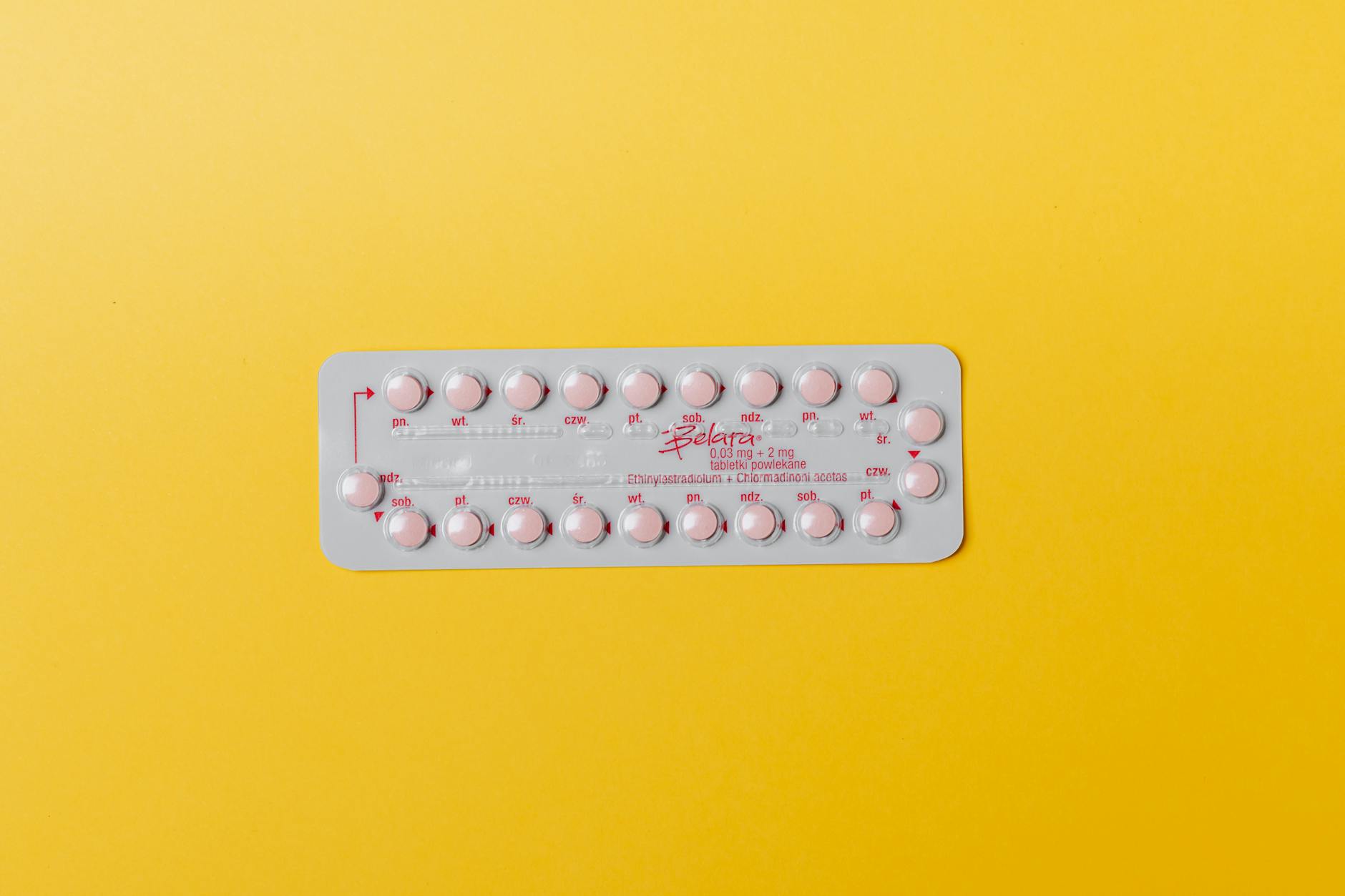
Acne around the mouth in adults is driven primarily by hormonal fluctuations, product irritation, and bacterial transfer from everyday objects like phones and hands. Unlike the forehead or cheek breakouts more common in teenagers, perioral acne in adults tends to cluster along the chin and mouth area because the oil glands there are especially responsive to hormonal shifts — particularly androgens and cortisol. A woman in her early 30s who never had teenage acne might suddenly develop persistent bumps around her lips after switching birth control pills, illustrating how adult-onset perioral breakouts can seemingly come out of nowhere. What makes mouth-area acne particularly frustrating is that it is frequently misdiagnosed.
Consultant dermatologist Dr. Emma Craythorne notes that many patients present with perioral dermatitis that has been mistaken for acne, leading them down the wrong treatment path entirely. The two conditions look similar at first glance but respond to very different therapies — and using the wrong one can make things worse. This article breaks down the hormonal mechanisms behind perioral breakouts, the surprising role of everyday products like toothpaste and lip balm, dietary factors backed by clinical evidence, and how to distinguish true acne from perioral dermatitis. Whether your breakouts are cyclical, chronic, or newly appeared, understanding the actual cause is the first step toward clearing them.
Table of Contents
- Why Do Hormonal Changes Cause Acne Around the Mouth in Adults?
- Everyday Products That Trigger Mouth-Area Breakouts
- How Bacteria and Physical Contact Fuel Perioral Acne
- Dietary Changes That May Reduce Mouth-Area Breakouts
- Perioral Dermatitis — The Condition Frequently Mistaken for Acne
- Smoking, Vaping, and Their Effect on Perioral Skin
- What Dermatologists Are Learning About Adult Perioral Acne
- Conclusion
- Frequently Asked Questions
Why Do Hormonal Changes Cause Acne Around the Mouth in Adults?
Hormonal fluctuations are the single biggest driver of acne around the mouth and chin in adults. During menstrual cycles, pregnancy, menopause, and conditions like polycystic ovary syndrome (PCOS), shifting hormone levels cause oil glands to become overactive. The perioral area and jawline are particularly dense with androgen-sensitive sebaceous glands, which is why hormonal acne tends to concentrate there rather than across the forehead or nose. Approximately 50% of women in their 20s experience acne breakouts, along with 33% of women in their 30s and 25% in their 40s — numbers that reflect how persistent hormonal acne can be well beyond adolescence. Cortisol, the body’s primary stress hormone, plays a compounding role.
When you are under sustained stress, elevated cortisol levels increase sebum production and trigger inflammatory responses in the skin. This is why many adults notice breakouts around the mouth during high-pressure periods at work or after prolonged sleep deprivation, even if their skincare routine hasn’t changed. The hormonal component also explains why women are disproportionately affected by perioral acne — the cycling tied to menstruation, pregnancy, and contraceptive use creates repeated triggers that men simply don’t experience at the same frequency. One important caveat: not all hormonal acne responds to topical treatments alone. If your breakouts are clearly tied to your menstrual cycle or worsened after starting or stopping hormonal contraception, a dermatologist may recommend blood work to evaluate androgen levels before defaulting to creams and cleansers. Treating the skin’s surface while ignoring the hormonal engine underneath is a common reason perioral acne keeps returning.
Everyday Products That Trigger Mouth-Area Breakouts
Some of the most common triggers for perioral acne are sitting on your bathroom counter right now. Fluoride in toothpaste is a well-documented irritant — fluorinated toothpaste and harsh mouthwashes can inflame the sensitive skin surrounding the lips, leading to small bumps that resemble acne. People who switch to a fluoride-free toothpaste sometimes see improvement within weeks, though this fix only works if fluoride was actually the trigger. Heavy lip balms, particularly those containing petroleum, coconut oil, or artificial fragrance, can clog the fine pores around the lip border. Certain sunscreens — especially thick, occlusive mineral formulas — can do the same when applied liberally around the mouth. Topical corticosteroids have a particularly strong association with perioral breakouts.
If you’ve been prescribed a steroid cream for eczema or another facial rash and notice small papules developing around your mouth, the steroid itself may be the culprit. Inhaled and nasal corticosteroids used for asthma or allergies can produce the same effect. The tricky part is that steroid creams initially seem to help by reducing redness, which encourages continued use — but they thin the skin over time and create a rebound flare that’s worse than the original problem. However, if you’ve eliminated suspect products and your breakouts persist, product irritation is probably not your primary cause. This is where people get stuck: they cycle through dozens of “clean” skincare products without improvement because the underlying issue is hormonal or bacterial, not chemical. A good rule of thumb is to give any product elimination trial at least four to six weeks before concluding it didn’t work, since skin cell turnover takes roughly that long.
How Bacteria and Physical Contact Fuel Perioral Acne
The skin around your mouth contacts more foreign surfaces throughout the day than almost any other part of your face. Bacteria transfer from hands, phones, pillowcases, and makeup brushes directly to the perioral area, and because this skin is thinner and more frequently moistened by saliva and food, it’s an ideal environment for bacterial colonization. Think about how often you rest your chin in your hand during a meeting, press your phone against your jaw, or touch your lips unconsciously — each of these habits introduces bacteria to an already vulnerable zone. Face masks brought this issue into sharp focus during the pandemic, but it extends to any equipment that traps heat, moisture, and bacteria against the lower face.
Chin straps, sports helmets, and even scarves worn tightly can create a microclimate where sweat and sebum mix with bacteria, producing what some dermatologists informally call “maskne.” The mechanism is straightforward: occlusion prevents sweat from evaporating, the warm moist environment promotes bacterial growth, and friction irritates the skin’s surface — a combination that reliably produces breakouts. Shaving is another mechanical trigger that gets overlooked, especially in men. Razors damage the skin’s keratin barrier, creating micro-abrasions that are prone to infection and dryness. The irritation triggers an inflammatory response, and if bacteria enter those tiny wounds, the result looks and feels a lot like acne. Using a clean, sharp blade, shaving with the grain, and applying a non-comedogenic aftershave can reduce this risk significantly — but if razor bumps are chronic, the issue might actually be pseudofolliculitis barbae rather than acne, which requires a different approach.

Dietary Changes That May Reduce Mouth-Area Breakouts
The connection between diet and acne was dismissed by dermatologists for decades, but recent evidence has brought it back into clinical conversation. High-glycemic foods — refined sugars, white bread, pastries, sugary drinks — elevate insulin and insulin-like growth factor 1 (IGF-1) levels. These hormones stimulate sebaceous gland activity and raise androgen levels, which as discussed earlier, directly feeds the cycle of excess oil and clogged pores around the mouth. A person eating a breakfast of sugary cereal and orange juice is spiking insulin levels in a way that someone eating eggs and whole-grain toast is not, and over time, that difference can show up on the skin. Dairy products have also been implicated, with some research suggesting they may increase the likelihood of pimples forming along the jawline and chin. The proposed mechanism involves the natural hormones present in milk, which may interact with the body’s own hormonal signaling.
However, the evidence here is less consistent than for high-glycemic foods. Some people eliminate dairy entirely and see dramatic improvement; others notice no change at all. This variability likely reflects the fact that diet is one factor among many, not a standalone cause. The tradeoff with dietary intervention is that it requires patience and consistency, and the results are never guaranteed. Cutting sugar and dairy for a week and seeing no change doesn’t disprove the connection — it typically takes two to three months of sustained dietary modification to observe a meaningful difference in skin. And for people whose acne is primarily driven by hormonal or bacterial factors, dietary changes alone won’t resolve the problem. Diet works best as one component of a broader strategy, not a silver bullet.
Perioral Dermatitis — The Condition Frequently Mistaken for Acne
One of the biggest pitfalls in treating mouth-area breakouts is assuming they’re acne when they’re actually perioral dermatitis. The two conditions share surface-level similarities — small red bumps clustered around the mouth — but they differ in important ways. Unlike acne, perioral dermatitis doesn’t involve blackheads or deep cysts. It also typically spares a clear zone immediately around the vermillion border of the lips, creating a distinctive ring of unaffected skin that acne doesn’t produce. If your breakouts form a halo pattern that stops just short of your lip line, perioral dermatitis is a strong possibility. Perioral dermatitis most commonly affects young adult females between the ages of 20 and 40, though cases in children and men are increasingly being recognized.
It rarely has a single cause — it’s usually the result of multiple triggers working together. A common pattern is steroid cream use combined with harsh skincare products, or hormonal shifts compounded by environmental stressors. This layered causation makes it difficult to pin down, which is one reason it’s so frequently misdiagnosed. The critical warning here is that treating perioral dermatitis like acne can make it significantly worse. Benzoyl peroxide, salicylic acid, and other standard acne treatments are often too irritating for perioral dermatitis and can intensify the rash. Topical steroids, which a patient might reach for to calm the redness, provide temporary relief but cause rebound flares that progressively worsen. If over-the-counter acne treatments aren’t working after six to eight weeks — or if they seem to be making things worse — stop self-treating and see a dermatologist who can evaluate whether you’re dealing with dermatitis rather than acne.
Smoking, Vaping, and Their Effect on Perioral Skin
Smoking and vaping have a direct and underappreciated impact on skin around the mouth. Cigarette smoke causes the skin’s oil to become thicker and stickier, making it more likely to clog pores. Simultaneously, the drying effect of smoke and nicotine dehydrates the skin’s surface, triggering compensatory oil production — a frustrating cycle where the skin is both dry and oily at the same time.
Vaping, while often marketed as a cleaner alternative, produces similar dehydration effects through propylene glycol exposure and the repeated hand-to-mouth motion increases bacterial transfer to the perioral area. Beyond the chemical effects, the physical act of smoking or vaping involves constant contact between fingers, devices, and the mouth region. For someone already prone to perioral breakouts, this habitual touching adds another layer of bacterial exposure to skin that’s already compromised by nicotine-related oil changes.
What Dermatologists Are Learning About Adult Perioral Acne
The understanding of adult acne around the mouth has shifted considerably in recent years. Dermatologists increasingly recognize that perioral breakouts in adults are not simply a continuation of teenage acne but a distinct clinical pattern with its own set of triggers and treatment responses. The growing recognition of perioral dermatitis as a separate entity — and the acknowledgment that it’s been misdiagnosed as acne for years in many patients — has led to more nuanced diagnostic approaches.
Research into the gut-skin axis, the role of the skin microbiome, and the hormonal effects of environmental endocrine disruptors continues to expand the picture. For now, the most practical takeaway is that adult mouth-area acne rarely has one neat explanation. It’s almost always a convergence of factors — hormonal, environmental, behavioral, and sometimes dietary — which means the most effective treatment plans tend to address multiple triggers simultaneously rather than chasing a single cure.
Conclusion
Acne around the mouth in adults stems from a web of interconnected causes: hormonal fluctuations that overstimulate oil glands, product ingredients like fluoride and corticosteroids that irritate delicate perioral skin, bacterial transfer from hands and devices, dietary factors that spike insulin and androgens, and the often-overlooked possibility that what looks like acne is actually perioral dermatitis. Women between 20 and 40 are the most commonly affected group, largely because of hormonal cycling tied to menstruation, pregnancy, and contraception, but men dealing with shaving irritation and mask-related breakouts are far from immune. The most effective path forward is to systematically evaluate your own triggers rather than defaulting to generic acne treatments.
Start by examining your products — toothpaste, lip balm, any steroid creams — then consider lifestyle factors like stress, diet, and how often your hands touch your face. If standard acne treatments fail to improve things within six to eight weeks, consult a dermatologist to rule out perioral dermatitis. Treating the wrong condition wastes time and money, and in the case of steroid misuse, actively makes the problem worse.
Frequently Asked Questions
Can toothpaste really cause acne around my mouth?
Yes. Fluoride in toothpaste is a well-documented trigger for perioral irritation and breakouts. If you suspect this is a factor, try switching to a fluoride-free toothpaste for four to six weeks while keeping the rest of your routine the same. Also be careful to rinse thoroughly after brushing so residue doesn’t sit on the skin around your lips.
How can I tell if my breakouts are acne or perioral dermatitis?
Look for two key differences. Perioral dermatitis typically does not produce blackheads or deep cysts, and it usually spares a narrow clear zone right around the lip border. If your bumps are small, slightly scaly, and form a ring pattern that stops just before your lips, perioral dermatitis is more likely. A dermatologist can confirm the diagnosis.
Does stress directly cause acne around the mouth?
Stress raises cortisol levels, which increases sebum production and inflammation — both of which contribute to breakouts in the perioral area. It’s not that stress alone causes acne, but it amplifies existing vulnerabilities, especially hormonal ones. Chronic stress tends to produce more persistent breakouts than a single stressful event.
Why am I getting acne around my mouth in my 30s when I never had it as a teenager?
Adult-onset acne is common. Roughly 33% of women in their 30s experience breakouts, often driven by hormonal changes related to contraception, pregnancy, or shifting androgen levels that weren’t a factor during adolescence. The pattern and location of adult acne — concentrated around the mouth and jawline — is also typically different from the forehead-and-nose pattern of teenage acne.
Will changing my diet clear up mouth acne?
It depends on whether diet is a significant trigger for you. Reducing high-glycemic foods and dairy has shown benefits in some studies and anecdotal reports, but results vary widely. Diet is most effective as part of a broader approach that also addresses hormonal and topical factors. Give any dietary changes at least two to three months before evaluating their impact.