
Acne along the hairline and forehead typically stems from a combination of pore-clogging substances and the area’s naturally higher oil production. The most common culprits are heavy hair products—like pomades, gels, and conditioning treatments—that transfer to the skin when hair contacts the forehead, especially during sweating or after gym sessions.
When you wake up with breakouts along your hairline or notice small bumps appearing right where your bangs fall, that’s usually pomade acne at work. The forehead and hairline are particularly vulnerable because the T-zone (forehead, nose, and chin) contains a higher concentration of sebaceous glands, meaning your skin is predisposed to produce more oil in this exact area. This article breaks down the major causes of hairline and forehead acne, from product-related triggers to hormonal influences, and explains why this area tends to be a breakout hotspot for so many people.
Table of Contents
- Why Do Hair Products Cause Acne Along the Hairline?
- The T-Zone Effect: Why Your Forehead Produces More Oil
- Headwear, Friction, and the Buildup Underneath
- Cosmetics, Concealer, and Acne Cosmetica
- How Hormonal Changes Trigger Forehead and Hairline Breakouts
- Sweat, Exercise, and Post-Workout Breakouts
- How Overwashing and Harsh Skincare Backfire
- Conclusion
Why Do Hair Products Cause Acne Along the Hairline?
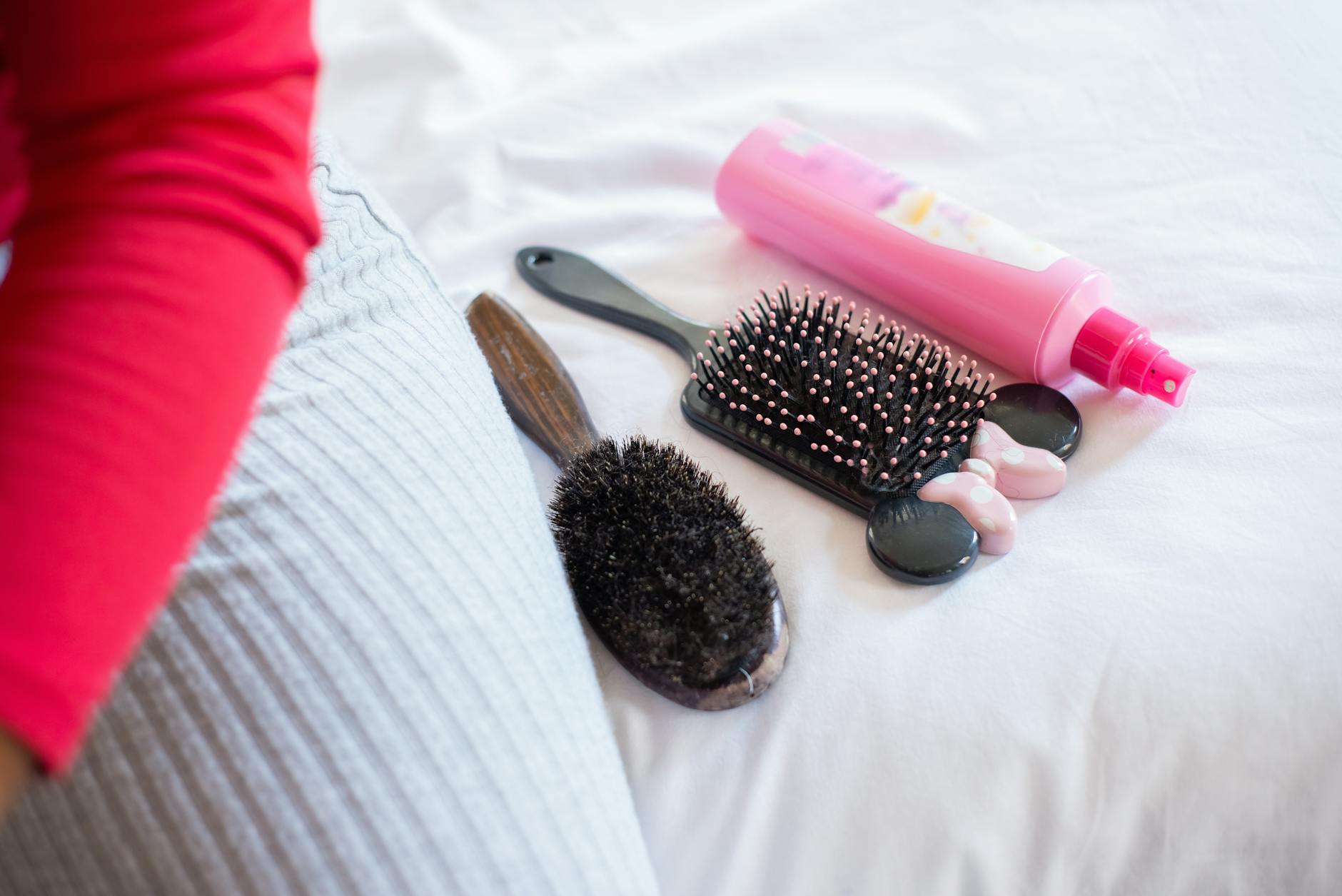
Hair products are one of the leading causes of breakouts along the hairline and forehead, a condition dermatologists sometimes call “pomade acne.” Shampoos, conditioners, gels, sprays, and pomades contain heavy oils, waxes, and silicones designed to style and condition your hair, but these ingredients don’t belong on your skin. When your hair makes contact with your forehead during the day, or when you sweat and your hair products transfer onto the skin, they accumulate in your pores. The problem intensifies if you have long hair that frequently brushes against your forehead, or if you use high-hold styling products that are thicker and more occlusive. Even products labeled as “lightweight” can contribute if you’re applying them close to the hairline.
The distinction matters between the severity of different product types. A light hair oil or spray will likely cause less irritation than a thick pomade or wax, but any product with conditioning silicones or heavy emollients has the potential to clog pores. If you’ve recently switched to a new shampoo or conditioner and noticed breakouts appearing within a week or two around your hairline, that timing suggests the product is the culprit. Conversely, if you’ve had hairline acne for months despite switching products multiple times, you may be dealing with a combination of causes beyond just your hair products.
The T-Zone Effect: Why Your Forehead Produces More Oil
Your forehead is part of the T-zone—the area spanning your forehead, nose, and chin—which contains a notably higher concentration of sebaceous (oil) glands compared to other parts of your face. This isn’t a flaw in your skin; it’s normal biology. Your skin produces sebum (natural oils) to protect and lubricate itself, but when sebaceous glands are densely packed, you get excess sebum production. This natural oiliness combines with sweat, hair products, environmental pollutants, and dead skin cells to create an ideal environment for acne-causing bacteria. The result is that your forehead and hairline will always be prone to congestion and breakouts unless you actively manage the buildup.
However, if excessive sebum were the only issue, simply using an oil-control product would solve the problem—and for many people, it doesn’t. This is why the cause is usually multifactorial. Your forehead’s high oil production becomes a problem primarily when it’s combined with other triggers: clogging hair products, sweat from exercise, friction from headwear, or hormonal spikes that signal your glands to produce even more oil. If you notice your hairline acne worsens during hot, humid months or after workouts, that’s the T-zone’s excess sebum combining with sweat. Understanding this helps explain why a single solution often doesn’t work for hairline acne—you may need to address multiple factors simultaneously.
Headwear, Friction, and the Buildup Underneath
Any time you wear something on your head—a hat, helmet, headband, sports cap, or bandana—you create a warm, moist microenvironment that’s perfect for acne. Headwear traps sweat, dirt, dead skin cells, hair products, and oil against your skin for hours at a time. This trapped buildup doesn’t just sit passively; it feeds acne-causing bacteria and clogs your pores. Athletes are particularly vulnerable to this: a cyclist who wears a helmet for two hours, a construction worker in a hard hat all day, or a dancer in a headpiece may all experience significant hairline breakouts directly beneath where their headwear sits.
The friction itself also plays a role. Even without the trapped moisture and debris, the constant friction from tight headwear can irritate your skin and trigger inflammation. This is especially true if your headwear is made of synthetic materials that don’t breathe well, like nylon or polyester. Interestingly, some people find that swapping to breathable, natural-fiber headwear (cotton or moisture-wicking athletic fabrics) helps, while others need to stop wearing headwear during their acne treatment to see improvement. If headwear is unavoidable for your work or sport, washing or changing your headband frequently and ensuring your skin underneath is clean and dry can reduce breakouts significantly.

Cosmetics, Concealer, and Acne Cosmetica
Makeup is a frequent culprit in forehead and hairline acne, especially when you use foundation or concealer along your hairline to hide acne or create a seamless finish. This condition, called acne cosmetica, develops when makeup clogs pores over time. Heavy, full-coverage foundations and concealers are the biggest offenders because they’re designed to be occlusive (non-breathable) to stay put and hide imperfections. If you’re applying makeup right along your hairline or into your hair to blend it seamlessly, you’re trapping a layer of product against your skin all day, preventing it from breathing and allowing bacteria to thrive.
The ingredient list matters as well. Foundations and concealers with silicones, waxes, and certain oils are more likely to cause breakouts than mineral-based or water-based formulas, though individual skin reacts differently. Someone with sensitive, acne-prone skin might break out from a supposedly “clean” foundation, while another person tolerates heavy makeup without issues. If you have active hairline acne, consider whether you can temporarily skip makeup in that area, or switch to a non-comedogenic (pore-clogging) formula specifically designed for acne-prone skin. Even then, proper removal at night with a gentle cleanser is essential—sleeping in makeup along your hairline almost guarantees worsening breakouts.
How Hormonal Changes Trigger Forehead and Hairline Breakouts
Hormonal fluctuations are a powerful acne trigger that affects the forehead and hairline with particular intensity. During puberty, your body increases androgen production, which signals your sebaceous glands to ramp up oil production dramatically. This is why teenagers often develop acne along the T-zone first. Later in life, hormonal changes continue to drive breakouts: women typically experience flares related to their menstrual cycle (particularly in the week before menstruation), and hormonal shifts during pregnancy can either improve or worsen acne unpredictably.
The forehead and hairline often become the primary breakout zones during these hormonal surges because of the area’s naturally high concentration of oil glands and sensitivity to hormonal signals. What makes hormonal acne tricky is that it won’t fully respond to topical treatments alone. While hair product removal and improved skincare help, hormonal acne requires a different approach—sometimes a dermatologist’s intervention with prescribed treatments like spironolactone (for women) or hormonal contraceptives. If you notice your hairline acne follows a clear pattern tied to your menstrual cycle, or if it started or worsened during a major life event involving hormonal changes (puberty, pregnancy, starting birth control), hormones are likely playing a significant role. This is worth discussing with a dermatologist, especially if your breakouts are severe or resistant to standard acne treatments.
Sweat, Exercise, and Post-Workout Breakouts
Exercise itself doesn’t cause acne, but sweat combined with other factors very often does. When you work out, you produce sweat that mixes with bacteria already on your skin, dead skin cells, and any hair products you applied that morning. If you’re also wearing a tight headband, hat, or doing an activity where your hair contacts your forehead repeatedly (like running with bangs falling in your face), you’re compounding the problem. The sweat and friction create an ideal breeding ground for acne-causing bacteria, and the salt in sweat can irritate already-inflamed skin. Shared gym equipment—mats, machines, and headphones—also introduce new bacteria and can spread acne-causing strains.
The solution isn’t to avoid exercise; it’s to manage the aftermath. Showering immediately after your workout and cleansing your face gently is the most direct intervention. If showering right away isn’t possible, at least wipe your forehead and hairline with a clean, damp cloth. Wearing your hair back during exercise, using a clean and washable headband, and choosing breathable hair products (or none at all before the gym) also help. Some people find that avoiding hair products entirely on days they exercise, or switching to lighter formulas on workout days, makes a noticeable difference in their hairline breakouts.
How Overwashing and Harsh Skincare Backfire
Many people with forehead and hairline acne respond by washing their face more frequently or with harsh products, thinking that aggressive cleansing will clear the breakouts. Unfortunately, this often makes acne worse. Washing too frequently or using overly harsh cleansers strips away your skin’s natural protective oils, which triggers a compensatory response: your sebaceous glands ramp up oil production to replace what’s been removed. This excess oil then combines with dead skin cells and bacteria, clogging pores and worsening acne. Additionally, aggressive washing irritates the skin, increasing inflammation and making existing breakouts more noticeable and painful.
The evidence-based approach is gentler than most acne sufferers expect. The American Academy of Dermatology recommends washing your face twice daily with a mild cleanser—no more, no less. For the hairline and forehead specifically, use a soft touch and avoid scrubbing or using physical exfoliants, which can aggravate acne and increase irritation. If you’re using acne-fighting ingredients like salicylic acid or benzoyl peroxide, use them as directed (usually once or twice daily), not more frequently. Overusing acne treatments dries out your skin without providing additional benefit, so “more” isn’t the answer. The goal is gentle, consistent care that removes excess oil and product buildup without damaging your skin barrier.
Conclusion
Acne along the hairline and forehead develops from a combination of factors: the area’s naturally high oil production, occlusive hair products and cosmetics, trapped sweat and debris from headwear, hormonal influences, and sometimes counterproductive skincare habits. No single cause is universal—your hairline acne might stem primarily from pomade, while someone else’s is driven by hormonal changes and sweat. The key is identifying which factors are most relevant to your situation and addressing them systematically rather than expecting one fix to solve the problem.
If you’re struggling with persistent hairline and forehead acne, start by eliminating or switching your hair products, ensuring your headwear is clean and breathable, and verifying that you’re not over-washing. If those steps don’t help within 4-6 weeks, or if your breakouts follow a clear hormonal pattern, consult a dermatologist. Professional guidance can pinpoint whether you’re dealing with hormonal acne, bacterial overgrowth, or a combination of factors that requires prescription treatment. In the meantime, be patient with your skin—acne takes time to develop, and it takes time to resolve, even once you’ve identified and removed the triggers.