When your skin breaks out after a positive lifestyle change, the irony can be frustrating. The primary reason acne worsens after diet or lifestyle shifts is that your body undergoes a temporary adjustment period as it responds to new conditions. This happens because your skin microbiome, oil production, and hormone levels need time to recalibrate—sometimes 2 to 8 weeks—before reaching a new equilibrium. For example, someone switching from processed foods to a clean diet often experiences increased breakouts for the first month, not because the diet is causing acne, but because their skin is purging accumulated toxins and bacteria while adjusting to reduced inflammatory triggers.
This article explores the biological mechanisms behind post-change breakouts, why they’re usually temporary, and how to distinguish between adjustment acne and signs that a particular change isn’t right for your skin. The timing and severity of acne after lifestyle changes depends on what specifically you’re changing. Switching to exercise, cutting sugar, eliminating dairy, increasing water intake, or adjusting sleep schedules all trigger different skin responses. Understanding these mechanisms helps you push through the adjustment phase rather than abandon a beneficial habit prematurely.
Table of Contents
- Why Does Acne Flare After Diet Changes?
- The Detoxification Phase and Skin Purging
- How Exercise-Induced Sweating and Heat Affect Acne
- Hormonal Shifts From Diet and Exercise Changes
- Water Intake Changes and Skin Adjustment
- Sleep Schedule Disruptions and Circadian Rhythm Effects
- Supplement and Nutrient Absorption Changes
- Conclusion
- Frequently Asked Questions
Why Does Acne Flare After Diet Changes?
When you change your diet, your skin‘s microbiome—the ecosystem of bacteria living on your face—undergoes significant disruption. Your skin has adapted to your previous eating patterns over months or years. When you suddenly remove certain foods (like dairy or high-glycemic carbs) or add others (like more vegetables and healthy fats), the pH, oil composition, and nutrient delivery to your skin shifts, causing microbiota to rebalance. This rebalancing typically causes a temporary increase in inflammation and breakouts as beneficial bacteria populations increase while harmful ones decline.
A common example is someone eliminating dairy products. Their skin often breaks out more noticeably in weeks 1-3 as inflammatory compounds from dairy leave their system and their skin’s lipid barrier stabilizes. However, after this adjustment period (usually by week 4-5), breakouts often decrease as their skin settles into its new baseline. The key difference from permanent acne is that adjustment breakouts tend to cluster in certain areas (like the jaw if hormones were affected by dairy) and follow a predictable resolution timeline rather than persisting indefinitely.
The Detoxification Phase and Skin Purging
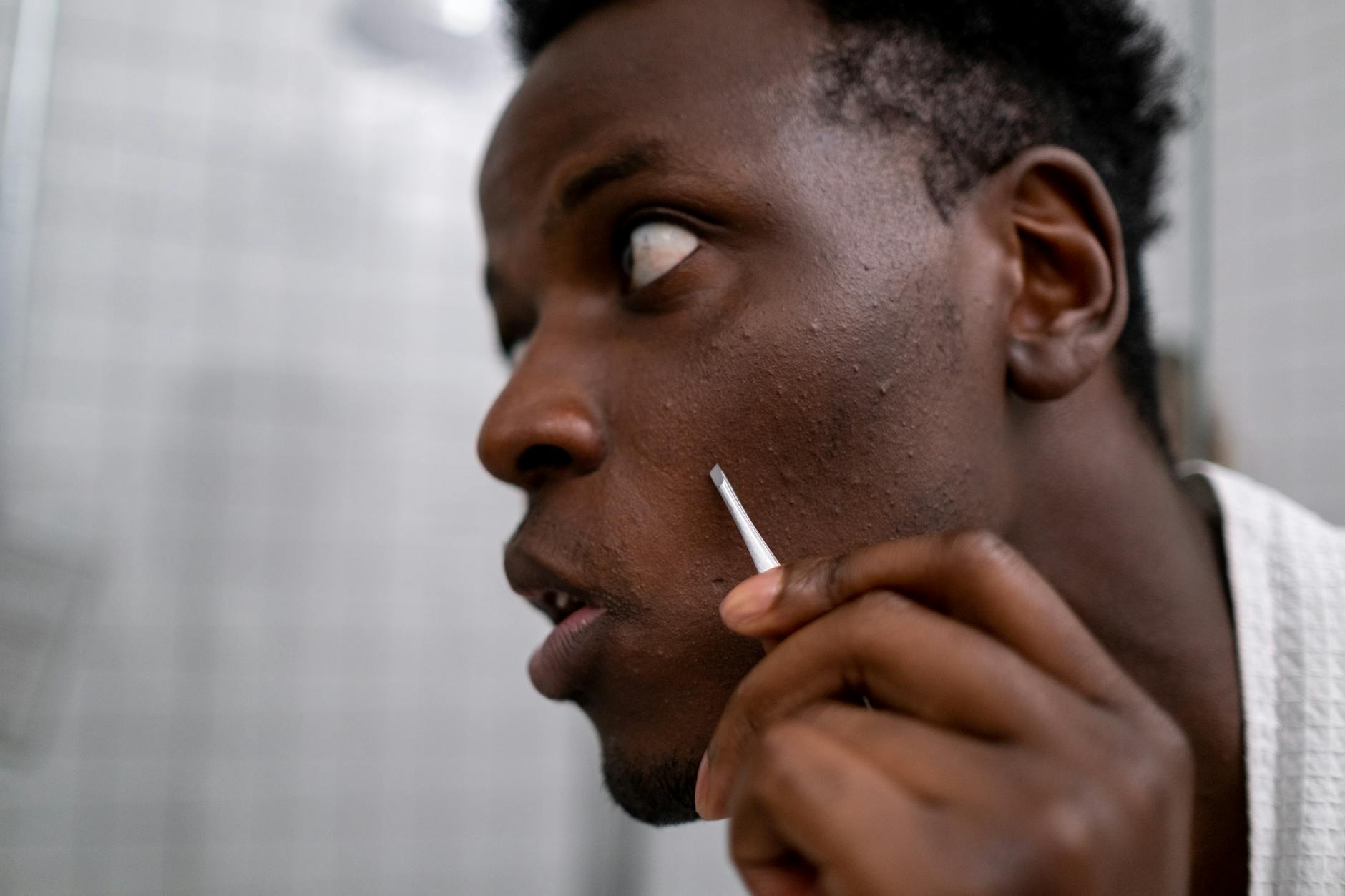
The concept of “skin purging” is real, though not in the way many marketing materials describe it. When your diet improves—particularly when you reduce inflammatory foods or increase antioxidant intake—your skin cells begin to shed more efficiently and oils flow more freely through pores that may have been partially clogged. This accelerated turnover brings trapped bacteria, sebum, and dead skin cells to the surface faster than usual.
However, if purging lasts longer than 8 weeks or involves painful cystic breakouts, it likely indicates the dietary change is irritating rather than beneficial for your specific skin, and you may need to adjust. A limitation to recognize: skin purging is not a scientifically validated phenomenon in dermatology literature, despite widespread belief. What actually happens is accelerated cellular turnover and improved circulation, which can temporarily mobilize existing congestion. Not everyone experiences this during diet changes, and if someone has severe, painful breakouts that worsen significantly after changing their diet, it may be an allergic response or sensitivity rather than beneficial purging—particularly if it’s accompanied by rashes, swelling, or spreading to new areas of the body.
How Exercise-Induced Sweating and Heat Affect Acne
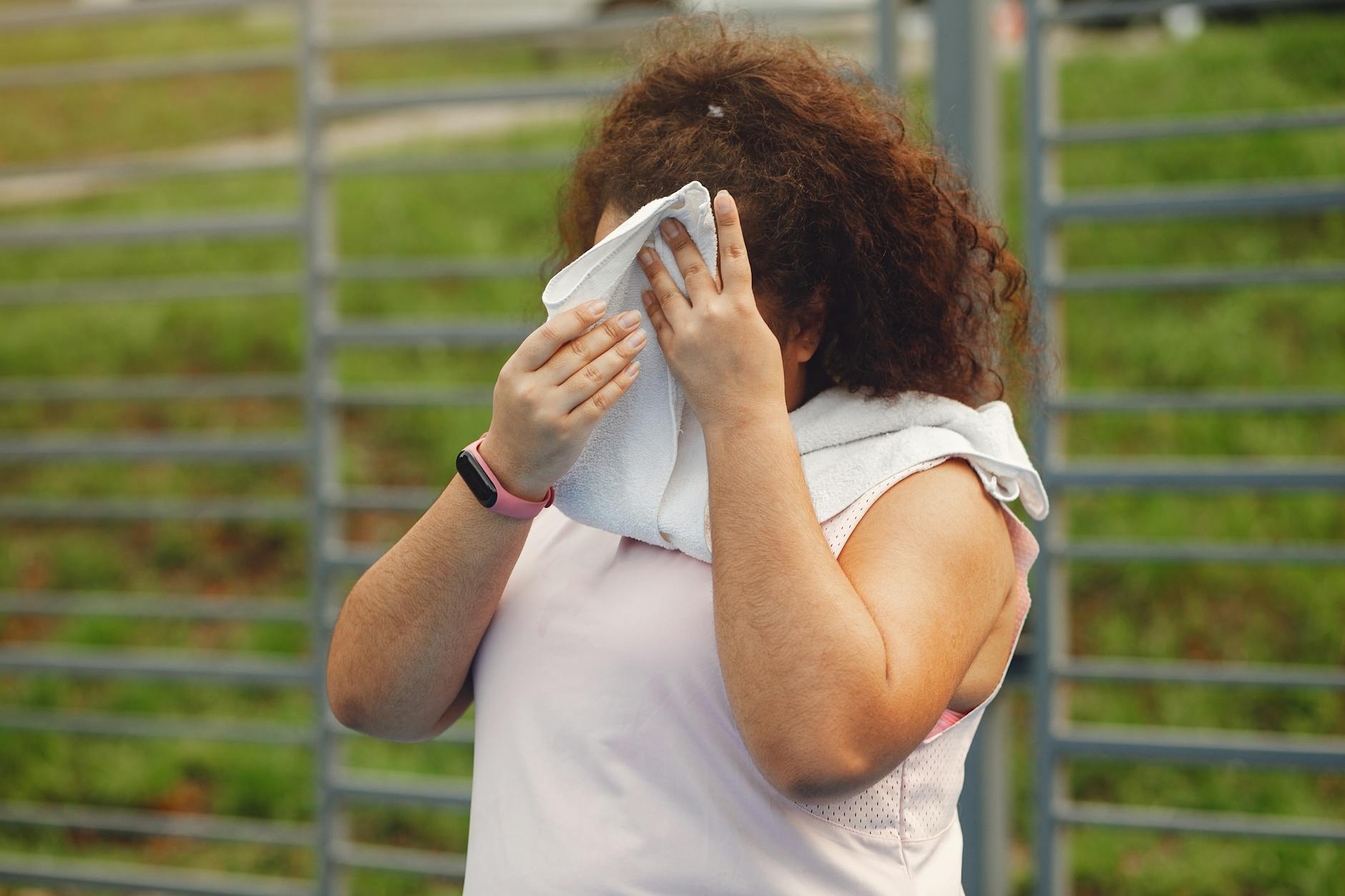
Starting a new exercise routine often causes breakouts because increased sweating combined with friction from clothing, heat trapping bacteria in pores, and workout equipment creates an acne-prone environment. Sweat itself isn’t inherently problematic—it’s actually slightly antimicrobial—but when sweat mixes with bacteria on equipment (dumbbells, yoga mats, cycling seats), dead skin cells, and the friction of movement, it creates conditions where Cutibacterium acnes bacteria multiply rapidly. Someone who starts weightlifting at a gym might notice forehead, chest, and back acne that didn’t exist before, specifically in areas of high friction or sweat concentration.
The adjustment happens as your body’s cooling mechanisms improve with consistent exercise, your skin adapts to increased heat exposure, and you develop better post-workout hygiene habits. Showering within 30 minutes of exercise, wearing moisture-wicking clothing, and cleaning equipment before use significantly reduce this type of acne. A key example: someone who switches from sedentary work to outdoor running in summer might experience facial breakouts due to heat and friction, but these typically resolve within 3-4 weeks as their skin acclimates and they establish a post-run shower routine.
Hormonal Shifts From Diet and Exercise Changes
Major diet and exercise alterations trigger hormonal rebalancing that directly impacts sebum production and skin inflammation. Reducing caloric intake (common in new diet regimens), increasing protein, or adding intense cardio can temporarily raise or lower insulin levels, cortisol, and sex hormones—all of which regulate skin oil production. When insulin spikes from high-carb diets, sebaceous glands produce more oil, increasing acne risk. Conversely, when someone dramatically cuts calories or carbs, cortisol (stress hormone) may spike initially, also triggering more sebum production as a stress response.
These hormonal fluctuations typically stabilize within 4-8 weeks once your body adjusts to the new metabolic state. A practical comparison: someone following a very low-carb diet might experience increased breakouts for 2-3 weeks due to cortisol elevation from carb restriction stress, while someone gradually reducing refined carbs while maintaining total carb intake might experience fewer breakouts because hormonal stress is less acute. The difference in outcomes depends on the rate and magnitude of change, not necessarily the diet’s long-term benefits. For women specifically, diet changes affecting estrogen metabolism (foods like broccoli and flaxseeds influence estrogen clearance) might affect hormonal acne patterns on the jawline and chin, with adjustment taking up to 2 months due to menstrual cycle effects.
Water Intake Changes and Skin Adjustment
Dramatically increasing water intake can paradoxically cause acne initially. When someone doubles their water consumption suddenly, their skin hydration increases faster than their skin barrier can regulate, potentially leading to more visible congestion and breakouts as excess water pushes impurities to the surface. Additionally, increased urination and systemic hydration changes affect electrolyte balance, which influences skin pH and inflammation. The adjustment period is typically 1-3 weeks, after which skin often improves significantly.
A warning to consider: if increasing water intake is accompanied by a dramatic decrease in salt intake (a common pairing in health-conscious lifestyle changes), electrolyte imbalance can cause skin inflammation that lasts longer than typical adjustment acne. Your skin needs sodium for optimal barrier function and pH regulation. Someone who increases water intake to 4+ liters daily while simultaneously avoiding salt might notice persistent acne and dryness rather than the improved complexion they expected. The solution isn’t abandoning increased hydration, but maintaining adequate mineral intake alongside water consumption increases.

Sleep Schedule Disruptions and Circadian Rhythm Effects
Lifestyle changes often disrupt sleep patterns, even if the overall goal is health-oriented. Starting early morning workouts, reducing sleep duration to accommodate a busier schedule, or changing sleep timing can interfere with circadian rhythm disruption in cortisol and melatonin regulation, both critical for skin repair and inflammation control. During deep sleep, skin undergoes cellular repair and collagen synthesis while immune function peaks.
When this rhythm is disrupted, healing slows and inflammatory responses increase. Someone switching from night shift work to day shift might experience temporary acne during the 2-4 week adjustment period as their sleep-wake cycle recalibrates. A specific example: a person who starts 5 AM workouts but maintains 11 PM bedtime (reducing sleep from 8 to 6 hours) typically experiences increased breakouts within the first 2-3 weeks due to elevated cortisol and reduced skin repair time. However, if they gradually adjust bedtime earlier (shifting sleep time rather than reducing total hours), the adjustment acne is often minimal because circadian rhythm shifts more smoothly than acute sleep deprivation.
Supplement and Nutrient Absorption Changes
When your diet changes significantly, you often change supplement intake simultaneously—adding vitamins, minerals, or protein powders that your body isn’t accustomed to processing. High-dose supplementation can cause temporary skin reactions as your liver increases detoxification activity. Additionally, when diet changes increase nutrient absorption (switching from processed foods with poor bioavailability to whole foods with higher nutrient density), your body suddenly has access to higher levels of certain vitamins and minerals.
Excess B vitamins, iodine, or vitamin A can trigger breakouts as your body adjusts to higher circulating levels. These adjustments typically resolve within 4-6 weeks as your body reaches homeostasis. The adaptation reflects your body’s ability to regulate nutrient levels—a positive sign long-term—but in the short term creates visible skin changes. For example, someone taking B-complex supplements while switching to a plant-based diet might experience breakouts as excess B vitamins are excreted through skin, but this usually indicates the body is adjusting to new nutrient levels rather than indicating the diet is problematic.
Conclusion
Acne after positive lifestyle and diet changes is usually a temporary adjustment phenomenon lasting 2 to 8 weeks, caused by hormonal rebalancing, skin microbiome shifts, accelerated cellular turnover, and physical changes like increased sweating or altered hydration. The key is distinguishing between adjustment breakouts—which follow predictable timelines, often appear in clusters, and gradually improve—and signs that the particular change isn’t suitable for your skin, which persist beyond 8 weeks, worsen significantly, or are accompanied by other symptoms like rashes or swelling.
To minimize adjustment acne, implement changes gradually rather than dramatically (reducing dairy over 2 weeks instead of eliminating it overnight), maintain consistent post-workout hygiene if adding exercise, adjust bedtime when starting early workouts rather than cutting sleep hours, and monitor breakout patterns to identify which specific changes affect your skin. If breakouts persist beyond 8 weeks despite these strategies, consult a dermatologist to determine whether the change genuinely isn’t right for your skin or whether additional interventions are needed.
Frequently Asked Questions
How long does acne last after changing your diet?
Typical adjustment acne lasts 2-8 weeks. If breakouts persist beyond 8 weeks and are worsening rather than improving, it suggests the dietary change may not be compatible with your skin rather than a normal adjustment phase.
Is breakout after diet change a good sign?
Not necessarily—it’s a sign that your body is adjusting, but it doesn’t guarantee the change is beneficial long-term. Monitor whether breakouts improve by week 4-6; if they do, the adjustment is temporary. If they persist or worsen, the dietary change may be causing sensitivity rather than providing benefits.
Can starting exercise cause acne?
Yes, increased sweating, friction, and heat create breakout-prone environments. These exercise-related breakouts typically resolve within 3-4 weeks once your skin acclimates, post-workout hygiene improves, and your body’s thermoregulation adapts.
Should I stop the diet change if I get acne?
Not immediately. Most adjustment acne peaks around week 2-3 and improves by week 6-8. However, if breakouts are severe (painful cysts), accompanied by rashes or swelling, or spreading to areas normally clear, consult a dermatologist rather than assuming it’s temporary adjustment acne.
Does increasing water intake cause acne?
Dramatically increasing water intake can cause temporary breakouts (1-3 weeks) as excess hydration mobilizes congestion and influences electrolyte balance. Ensure adequate sodium intake alongside increased water consumption, and increase water gradually rather than doubling intake overnight.
Why do hormones fluctuate with diet changes?
Diet directly affects insulin, cortisol, and sex hormone levels. Calorie restriction raises cortisol, refined carbs spike insulin, and nutrient changes influence estrogen metabolism. These hormonal shifts trigger sebum production changes and skin inflammation during adjustment periods.