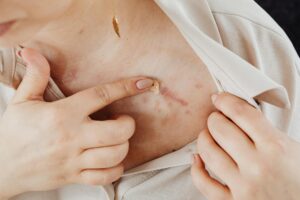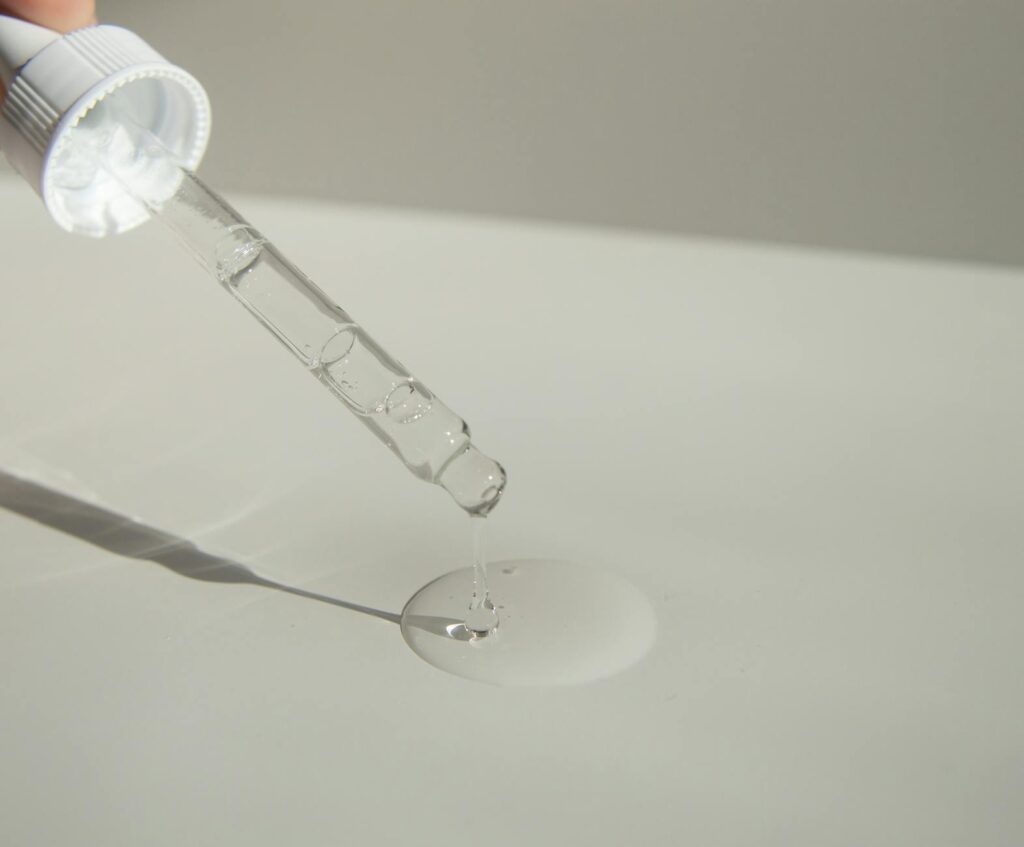
By Wishtrend Polyphenols in Propolis Ampoule works for acne by delivering potent antioxidants and anti-inflammatory compounds directly to inflamed skin. The 15% propolis extract it contains has documented antibacterial properties that target Cutibacterium acnes, the bacterium responsible for acne formation, while its polyphenols like catechin and quercetin actively reduce redness and inflammation associated with breakouts. Users report seeing acne inflammation noticeably calmed within a single week of use, with some describing their breakouts as “completely calmed down” after consistent application.
Beyond the propolis, the formula includes Houttuynia cordata extract, a plant ingredient known for purification and soothing properties, making this ampoule specifically formulated for sensitive, troubled, and acne-prone skin rather than as a general hydrating serum. This article covers what makes this particular propolis product effective for acne, the clinical research backing propolis as an acne treatment, what you can realistically expect in terms of timeline and results, how to incorporate it into your routine, and its limitations. If you have persistent acne and are looking for an evidence-based botanical option beyond conventional treatments, understanding how this product works will help you determine whether it fits your skincare strategy.
Table of Contents
- How Propolis Extract Tackles Acne-Causing Bacteria and Inflammation
- Clinical Evidence Behind Propolis as an Acne Treatment
- Real Timeline and Results You Can Expect
- How to Use By Wishtrend Propolis Ampoule in Your Acne Routine
- Limitations and When This Product May Fall Short
- Cost and Value Compared to Other Acne Treatments
- Propolis Ampoules in Modern Acne Treatment Strategy
- Conclusion
How Propolis Extract Tackles Acne-Causing Bacteria and Inflammation
By Wishtrend formulated this ampoule with 15% antioxidant-rich propolis extract, a bee-derived substance that contains multiple compounds proven effective against acne. The key active components—catechin and quercetin—are flavonoids that function as both antioxidants and anti-inflammatory agents. These polyphenols work in two ways: they directly inhibit the growth of acne-causing bacteria and simultaneously reduce the inflammatory response that makes acne painful and visible. Research shows propolis is capable of interfering with virulence factor production in Cutibacterium acnes, meaning it doesn’t just kill bacteria; it reduces the factors that allow bacteria to trigger inflammation in the first place.
The addition of Houttuynia cordata extract amplifies this effect by supporting skin’s natural barrier and purification processes. Where many acne treatments focus only on bacteria control, this dual-ingredient approach addresses both the microbial cause and the inflammatory result. For someone dealing with angry red breakouts, this combination helps reduce that inflammation and redness while preventing new blemishes from developing. However, it’s important to note that while propolis is effective, it works best when acne is active or recent—it functions better as a preventative and treatment for active breakouts rather than for severe cystic acne, which may require additional dermatological intervention.

Clinical Evidence Behind Propolis as an Acne Treatment
The science supporting propolis for acne isn’t anecdotal—it’s documented in peer-reviewed research. Multiple studies have demonstrated that propolis, particularly when combined with complementary ingredients like tea tree oil and Aloe vera, outperforms conventional treatments. In one clinical comparison, propolis-based formulations showed better results than erythromycin cream (a standard antibiotic used for acne) in reducing erythema scars, acne severity index, and total lesion count. This is significant because it means a botanical approach matched or exceeded a pharmaceutical standard in clinical settings.
The mechanism behind propolis effectiveness lies in its polyphenol composition. These compounds have documented antibacterial and anti-inflammatory properties specifically demonstrated against acne-causing organisms. Dermatological literature now classifies propolis as a “promising, effective, well-tolerated, safe” alternative treatment for acne vulgaris—language rarely used for cosmetic ingredients. A limitation here is that most research involves propolis in combination with other active ingredients rather than propolis alone, so the exact contribution of the 15% in this By Wishtrend ampoule versus the Houttuynia cordata and other formula components isn’t broken down in independent studies. This means results may vary based on how the formula’s different ingredients interact with your specific skin.
Real Timeline and Results You Can Expect
Users consistently report seeing results within a specific timeframe: acne inflammation typically reduces noticeably within one week of regular use, with some describing their breakouts as “completely calmed down” after that initial period. This relatively fast timeline is notable because many acne treatments require 4-6 weeks to show visible improvement, making propolis ampoules attractive for people seeking faster anti-inflammatory action. The key factor is consistency—these results appear when the ampoule is applied regularly to affected areas, not sporadically.
What you’re likely to notice first is reduced redness and smaller, less tender breakouts, rather than complete clearance. The anti-inflammatory action is the primary benefit here, which means you’ll see your existing acne look less angry before you see it fully disappear. If you have particularly stubborn acne or deep cystic lesions, this ampoule functions best as part of a broader acne strategy rather than a standalone solution. For surface-level and moderate inflammatory acne, however, the one-week timeline for visible improvement makes this a practical option for people dealing with regular breakouts who need faster results than traditional treatments deliver.
How to Use By Wishtrend Propolis Ampoule in Your Acne Routine
An ampoule is a concentrated serum, typically applied as a targeted treatment or mixed into your moisturizer rather than used as a full-face product. For acne purposes, the most effective approach is to apply it directly to active breakouts or acne-prone areas after cleansing but before other moisturizers. The ampoule format means a little goes a long way—you’re applying a potent formula, not a diluted toner. Depending on your skin type, you can use it once daily (typically at night if you have oily skin) or twice daily if your skin is dry or if you’re applying it to localized problem areas only.
The 50ml bottle (the standard size, priced between $25–$32) will last several months if used as directed because you’re using small amounts per application. Incorporation into your routine matters: apply it after any active acne treatments but before heavy occlusive moisturizers, as the antioxidants and anti-inflammatory compounds need access to the skin. If you’re also using other acne treatments like retinoids or salicylic acid, space them out—propolis ampoule works well with gentle approaches but could cause irritation if layered carelessly with multiple active treatments. Think of it as a restorative, anti-inflammatory layer rather than an additional active treatment, which positions it as ideal for calming skin between your stronger acne interventions.
Limitations and When This Product May Fall Short
While propolis is effective, it has clear boundaries in what it can treat. Severe cystic acne that’s deep beneath the skin requires interventions like oral antibiotics, isotretinoin, or professional extractions—a topical ampoule, no matter how well-formulated, cannot address deeply rooted infections. Similarly, if your acne is driven primarily by hormonal fluctuations rather than bacterial overgrowth or inflammation, propolis will help manage breakouts as they occur but won’t prevent hormonally-triggered acne. You might see a 30-40% reduction in breakout severity but not the clear skin you’re seeking without addressing the hormonal component.
Another consideration is individual skin sensitivity. While propolis is described as “well-tolerated,” bee-derived products can trigger reactions in people with bee allergies or sensitivity to propolis specifically—though this is relatively uncommon. If you’ve never used propolis products before, patch test first before applying it to your full acne-prone areas. Additionally, this ampoule works best on active, inflammatory acne; it won’t significantly improve acne scarring or textural damage left by past breakouts. For those concerns, you’d need different treatments like retinoids for prevention of future scarring or professional options like laser therapy for existing scars.
Cost and Value Compared to Other Acne Treatments
At $25–$32 for a 50ml bottle, By Wishtrend Propolis Ampoule falls in the mid-range for targeted acne treatments. Compare this to dermatologist-prescribed tretinoin (often $10-$15 a month with insurance) or over-the-counter benzoyl peroxide washes (typically $5-$12), and you’re paying more for what is technically a cosmetic ingredient rather than a pharmaceutical treatment.
However, that price comparison misses the point: propolis is chosen specifically because it works as both treatment and soothing agent, whereas benzoyl peroxide is harsh and tretinoin requires monitoring for side effects. For value, consider that a single 50ml bottle lasts 3-4 months with regular use on localized acne, bringing the cost to roughly $6-$10 per month—comparable to many acne serums and less than professional acne treatments like extractions or facials. Where the value becomes clearer is if you’re someone who has tried multiple treatments and reacted badly to them; propolis’s documented safety profile and reduced irritation potential compared to harsher actives could justify the higher price in exchange for actually being able to use the product without side effects.
Propolis Ampoules in Modern Acne Treatment Strategy
Propolis products like By Wishtrend’s ampoule represent a shift toward evidence-based botanical skincare in acne treatment. Rather than relying solely on pharmaceutical approaches or harsh actives, dermatological research has validated that naturally-derived polyphenols can deliver measurable results with fewer side effects. This doesn’t mean propolis replaces professional dermatology for severe acne, but it does mean someone with mild to moderate acne has a well-researched option that balances efficacy with tolerability.
As more people seek treatments that work with their skin rather than against it, propolis ampoules occupy a useful middle ground: stronger than basic hydration serums, gentler than prescription treatments, and backed by actual clinical data. For future acne management, a product like this could be part of a preventative routine—using it during clear-skin periods to maintain skin health and prevent breakouts—rather than only as rescue treatment for active acne. This proactive approach aligns with where skincare science is heading: maintaining skin barrier health and preventing inflammation before breakouts occur, rather than only treating them after they develop.
Conclusion
By Wishtrend Polyphenols in Propolis Ampoule works for acne through a combination of antibacterial propolis extract (15% concentration), polyphenol antioxidants, and soothing Houttuynia cordata extract that together reduce inflammation, fight acne-causing bacteria, and deliver visible improvement within one week for most users. The clinical evidence supporting propolis as an acne treatment is solid—it has matched or exceeded conventional antibiotics in research studies—while maintaining a safety profile that makes it suitable for sensitive or easily-irritated skin. At $25–$32 per 50ml bottle, it’s a mid-range investment that, given its three to four month supply, works out to a reasonable monthly cost for a targeted acne treatment.
The key to success with this product is understanding what it does well and what it doesn’t: it excels at calming inflammatory acne and preventing breakouts in the short to medium term, but it cannot address severe cystic acne, hormonal acne without additional treatment, or past acne scarring. If you have regular breakouts that respond to topical treatments and you’re seeking something faster-acting and gentler than conventional acne medications, this ampoule is worth testing. Start with a patch test, use it consistently for at least two weeks before evaluating results, and consider it one tool in a broader skincare strategy rather than a standalone cure for acne.