Broadband Light (BBL) is a photofacial treatment that uses high-intensity pulses of broad-spectrum light to reduce acne marks by stimulating collagen production deep within the skin. When the light penetrates into the dermis, it activates fibroblasts—the cells responsible for producing collagen—which helps fill in depressed acne scars and fade the red or pink pigmentation that often lingers after breakouts. For someone with mild acne scars and persistent redness across the cheeks or forehead, BBL can deliver noticeable improvement over a series of treatments, with most patients seeing marked improvement by the third session. This article covers how BBL actually works at the cellular level, what types of acne marks it’s most effective for, the realistic timeline for results, the cost involved, and when you might want to consider alternatives instead.
Table of Contents
- How Does BBL Reduce Acne Redness and Scarring?
- What Types of Acne Marks Does BBL Work Best For?
- The BBL Treatment Protocol: What to Expect During Sessions
- Cost Considerations and Budget Planning for BBL
- Timeline for Results and Setting Realistic Expectations
- Combining BBL With Other Treatments for Better Results
- When BBL Might Not Be the Right Choice
- Conclusion
How Does BBL Reduce Acne Redness and Scarring?
BBL works through a multi-step mechanism targeting different aspects of acne damage. The treatment uses a specialized 3-step protocol: blue light at low fluence targets the Propionibacterium acnes bacteria that cause active breakouts, red and yellow light reduces inflammation and postinflammatory erythema (the red marks left behind), and infrared light stimulates collagen remodeling and skin tightening. This combination approach means BBL can address both active acne and the marks it leaves behind in a single treatment series. For example, if you have recent breakouts alongside older red scars, the blue light component helps prevent new pimples while the infrared component rebuilds collagen in the damaged areas.
The collagen stimulation is what makes BBL effective for depressed scars. The light energy causes micro-injuries that trigger the skin’s natural healing response, prompting fibroblasts to produce new collagen and elastin. Over multiple treatments, this gradual collagen buildup fills in the indented scar tissue from below, making depressions less noticeable. However, BBL is primarily effective for red or pink pigmented marks rather than structural damage—if your scars are deep and sharply defined rather than flat and discolored, BBL alone may not be sufficient.
What Types of Acne Marks Does BBL Work Best For?
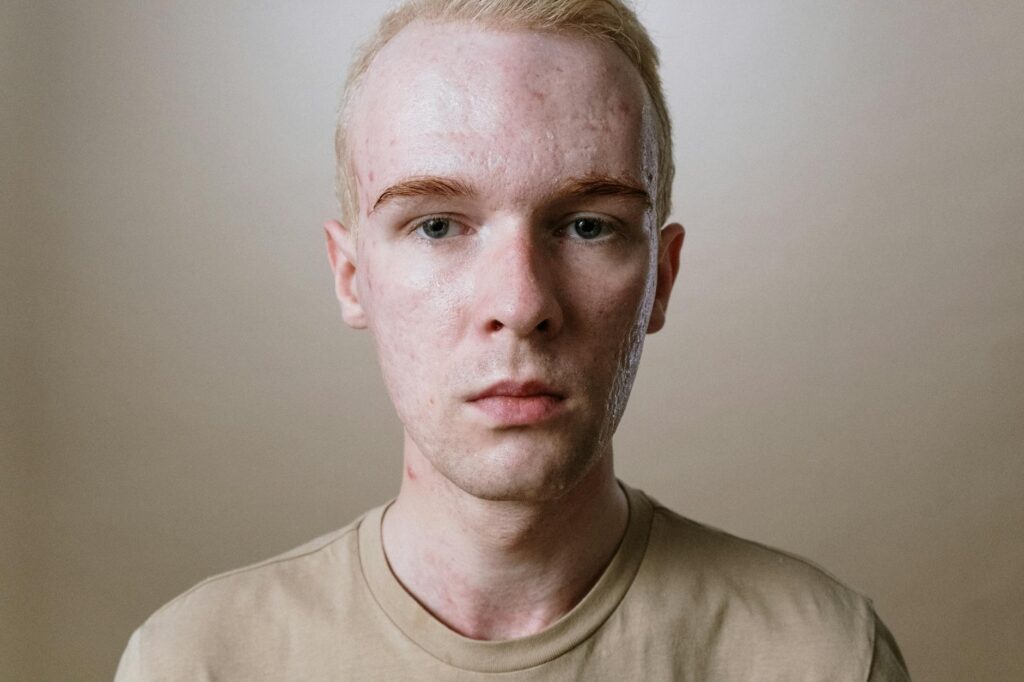
BBL is most effective for red and pink acne marks and mild depressed scars—the category that includes most postinflammatory erythema and early-stage scarring. Clinical evidence shows BBL delivers roughly 70% improvement in skin appearance after a complete treatment series, but this effectiveness drops significantly with more severe scarring. If you have moderate to deep depressed acne scars with sharp edges or significant pitting, BBL will provide only limited benefit, and you’d likely need more aggressive treatments like microneedling, chemical peels, or subcision to achieve meaningful improvement. Think of it this way: BBL is excellent for the red, flat aftermath of acne, but it’s not designed for scars that are structurally deep.
The distinction matters because many people confuse acne marks with acne scars. Marks are discoloration and minor surface changes that fade naturally over months or years; scars are permanent indentations or raised tissue. BBL excels at accelerating the fading of marks. However, if you have imperfections beyond redness—textured skin, obvious pitting, or raised hypertrophic scars—a dermatologist should assess whether BBL alone is appropriate or whether combined or alternative treatments would be more realistic.
The BBL Treatment Protocol: What to Expect During Sessions
A typical BBL treatment series for acne marks involves 3 to 6 sessions spaced several weeks apart, with most patients starting with this initial series and then maintaining results with 2 treatments per year. For active acne, the frequency is more aggressive—6 to 8 sessions spaced 1 to 2 weeks apart—because the goal is to suppress bacterial growth and prevent new breakouts while treating existing marks. Each session takes 20 to 30 minutes, and there is little to no downtime, meaning you can return to normal activities immediately. Some patients experience mild redness or slight swelling that resolves within a few hours.
During each treatment, the practitioner applies the BBL handpiece to clean skin and delivers the light pulses in overlapping passes to ensure even coverage. You’ll feel brief warmth and possibly a mild stinging sensation, but it’s generally tolerable. The treatment isn’t painful in the way extraction or needling can be, though some sensitive areas like the inner cheek may be more uncomfortable. The cumulative effect matters—one treatment produces minimal visible change, but the collagen remodeling compounds across sessions, which is why dermatologists emphasize completing the full recommended series rather than stopping after one or two sessions hoping for dramatic results.
Cost Considerations and Budget Planning for BBL
BBL treatment costs between $300 and $950 per facial session, with most practices charging in the $600 to $1,000 range as of 2026. For other body areas like the chest or back, expect $500 to $1,500 per session. If you’re planning a complete initial series of 4 sessions for acne marks, you’re looking at $2,400 to $4,000 out of pocket, plus ongoing maintenance costs of roughly $1,200 to $2,000 annually for the recommended two yearly treatments. Insurance doesn’t cover BBL for cosmetic scarring, so this is a pure out-of-pocket expense.
Some practices offer package discounts if you prepay for multiple sessions, which can reduce the per-session cost by 10 to 15 percent. The cost-to-benefit calculation depends on your specific situation. If you have mild acne marks that are causing you significant distress and slower-healing options would take 1 to 2 years to show results naturally, BBL’s expense may feel justified. However, if your scars are severe and require 6 to 8 sessions to see meaningful improvement, the total cost can climb quickly, and you should discuss with your dermatologist whether a different treatment might offer better value for your particular scarring pattern.
Timeline for Results and Setting Realistic Expectations
Marked improvement typically appears by the third treatment in a series, which means if you’re spacing treatments 3 to 4 weeks apart, you’re looking at roughly 9 to 12 weeks before you see obvious changes. This isn’t instant, and many patients are disappointed after their first session when they don’t see dramatic results. However, the changes are cumulative—each treatment adds collagen and reduces redness incrementally, and the skin’s natural remodeling continues for weeks after each session. By the 4th to 6th treatment, most patients report that acne redness has faded significantly and mild pitting has become less noticeable. The improvement trajectory varies based on your skin type, the severity of scarring, and how well you follow post-treatment care instructions.
Avoiding sun exposure and using diligent sunscreen helps protect the newly formed collagen. Some patients see 70% improvement, while others may see 40 to 50%, and a small percentage have minimal response. Age matters too—younger skin with better collagen production capacity generally responds better to BBL than older skin with slower healing. Additionally, BBL results are not permanent. Without maintenance treatments, the improvements gradually fade over 6 to 12 months as collagen naturally degrades, which is why dermatologists recommend at least two maintenance sessions per year to sustain benefits.
Combining BBL With Other Treatments for Better Results
Some dermatologists recommend combining BBL with other modalities to treat multiple scar characteristics simultaneously. For example, pairing BBL with microneedling or radiofrequency treatments can address both the color (BBL’s strength) and the texture or depth (microneedling’s strength) of scarring in a single treatment plan. This combination approach is particularly useful if you have both redness and pitting, as BBL alone may improve color while missing the structural component.
However, combination treatments increase both cost and recovery time, and they require careful spacing to avoid over-treating the skin. If you’re considering combining treatments, discuss timing with your dermatologist—trying to do BBL, microneedling, and chemical peels all in the same week can cause excessive inflammation and slow healing. A staged approach over several months is safer and often produces better results because each treatment’s effects fully develop before the next one begins.
When BBL Might Not Be the Right Choice
While BBL is safe and effective for the right candidate, it’s not a universal solution for acne scarring. If your scars are severe, deep, or predominantly hypertrophic (raised rather than depressed), other treatments like subcision, dermal grafting, or laser resurfacing may be more appropriate. Additionally, BBL is less effective for darker skin tones with higher melanin content, as the melanin can interfere with light penetration and increase the risk of post-inflammatory hyperpigmentation.
People with active acne who haven’t stabilized their breakouts may find BBL less rewarding, since new scars will continue forming while old ones are being treated. BBL is also not ideal if you have unrealistic expectations about scar removal—the treatment improves appearance but doesn’t erase scars. If you’re expecting your skin to look completely unmarked, you may be disappointed. A frank conversation with your dermatologist about what percentage improvement is realistic for your specific scars will help you decide whether BBL is worth the investment.
Conclusion
BBL is an effective, low-downtime treatment for acne marks and mild depressed scars, working by stimulating collagen production and fading postinflammatory redness. Most patients see marked improvement by the third treatment, with typical series of 3 to 6 sessions spaced weeks apart, followed by maintenance treatments to sustain results. The cost ranges from $600 to $1,000 per session, making a full initial series a significant but achievable investment for many people seeking faster improvement than natural healing alone.
However, BBL is not a permanent fix and works best on mild to moderate marks rather than severe scarring. It’s important to set realistic expectations and understand that results require time, multiple sessions, and ongoing maintenance. If you’re considering BBL, consult with a board-certified dermatologist who can assess your specific scars and recommend whether BBL alone or in combination with other treatments will give you the best outcome for your particular situation.