Beauty of Joseon sunscreens are specifically beneficial for acne-prone skin because they offer high SPF protection in a lightweight, non-comedogenic formula that won’t clog pores or worsen breakouts. The Dynasty Cream SPF 50+ PA++++ and other formulations from the brand use mineral and hybrid filters that provide effective sun defense without the heavy occlusive feel of traditional sunscreens—a critical advantage for anyone dealing with active acne or post-inflammatory hyperpigmentation from previous breakouts. For example, someone with oily, acne-prone skin using a standard thick sunscreen might see increased congestion within days, but Beauty of Joseon’s gel-cream texture typically allows existing acne treatments to work without additional friction. This article explores how these sunscreens work for acne skin, what makes them different from other options, potential limitations, and how to integrate them into an acne-focused skincare routine.
Table of Contents
- How Does Beauty of Joseon Sunscreen Prevent Pore Clogging on Acne Skin?
- What Ingredients in Beauty of Joseon Help Acne-Prone Skin?
- How Does Beauty of Joseon Sunscreen Prevent Post-Acne Hyperpigmentation?
- How to Incorporate Beauty of Joseon Sunscreen into an Active Acne Treatment Routine
- What Are the Limitations of Beauty of Joseon for Severe or Cystic Acne?
- Comparing Beauty of Joseon to Other Non-Comedogenic Sunscreens for Acne Skin
- Future-Proofing Your Skin: Long-Term Benefits of Consistent Sunscreen Use with Acne
- Conclusion
How Does Beauty of Joseon Sunscreen Prevent Pore Clogging on Acne Skin?
The lightweight gel-cream and fluid formulations used in beauty of Joseon sunscreens are formulated to sit on the skin without creating an occlusive barrier that traps sebum and bacteria—the conditions that worsen acne. Unlike many Western sunscreens that use heavy silicone bases or oil-based UV filters, these products typically incorporate mineral filters (zinc oxide, titanium dioxide) or hybrid systems with a focus on spreadability and quick absorption. This means the product doesn’t pile up or feel greasy, which is important because acne bacteria thrive in warm, moist, occluded environments; a breathable sunscreen actively works against breakout conditions.
Someone with hormonal acne using Beauty of Joseon throughout the day will notice the skin feels relatively matte and unoccluded compared to thicker alternatives, even in heat or humidity. However, if you have very severe active acne with open pustules or cystic formations, even a non-comedogenic sunscreen can cause irritation through physical contact and friction. In these cases, consider waiting until the acute inflammation settles before establishing a full sunscreen routine, and then start with a patch test on the jawline or behind the ear.
What Ingredients in Beauty of Joseon Help Acne-Prone Skin?
Many Beauty of Joseon sunscreen formulations include skin-soothing ingredients like niacinamide, centella asiatica (cica), or antioxidants that provide additional benefits beyond sun protection. Niacinamide is particularly useful for acne skin because it helps regulate sebum production, reduce inflammation, and strengthen the skin barrier—all functions that support acne recovery. Centella asiatica is a traditional Korean skincare ingredient known for calming irritation and supporting healing, making it a natural fit for post-breakout recovery and minimizing the appearance of acne scars.
These aren’t marketing additions; they’re active components that address multiple concerns simultaneously, which is why people with acne often prefer Korean sunscreens over minimalist, single-function products. That said, the presence of beneficial ingredients doesn’t replace active acne treatments. If you’re using a prescription retinoid like tretinoin or benzoyl peroxide, those remain your primary acne-fighting tools; Beauty of Joseon acts as a protective and supportive companion, not a replacement. Additionally, if you have sensitivity to fragrance or essential oils, always check the ingredient list, because some Beauty of Joseon formulations include fragrance components that can irritate compromised acne skin.
How Does Beauty of Joseon Sunscreen Prevent Post-Acne Hyperpigmentation?
One of the most overlooked benefits of consistent sunscreen use for acne-prone skin is preventing post-inflammatory hyperpigmentation (PIH), the dark marks that linger after acne clears. UV exposure darkens these residual marks through melanin stimulation, essentially locking in the visual reminder of past breakouts. Beauty of Joseon’s high SPF 50+ and PA++++ ratings provide broad UVA and UVB protection that actively prevents this darkening process, allowing the skin’s natural repair mechanisms to fade the marks more quickly.
Someone with medium to deeper skin tones is particularly vulnerable to PIH; in these cases, a reliable daily sunscreen like Beauty of Joseon becomes just as important as the acne treatment itself, often making the difference between marks that fade in 3-4 months versus those that persist for years. A concrete example: a person with active acne and mild PIH from previous breakouts applies Beauty of Joseon daily while using a retinoid to speed skin cell turnover. The combination of active treatment (retinoid) plus UV protection (sunscreen) means new PIH doesn’t develop while old marks fade naturally, creating visible improvement within 8-12 weeks. Without the sunscreen, new UV exposure would counteract the retinoid’s fading effects, and progress would stall.
How to Incorporate Beauty of Joseon Sunscreen into an Active Acne Treatment Routine
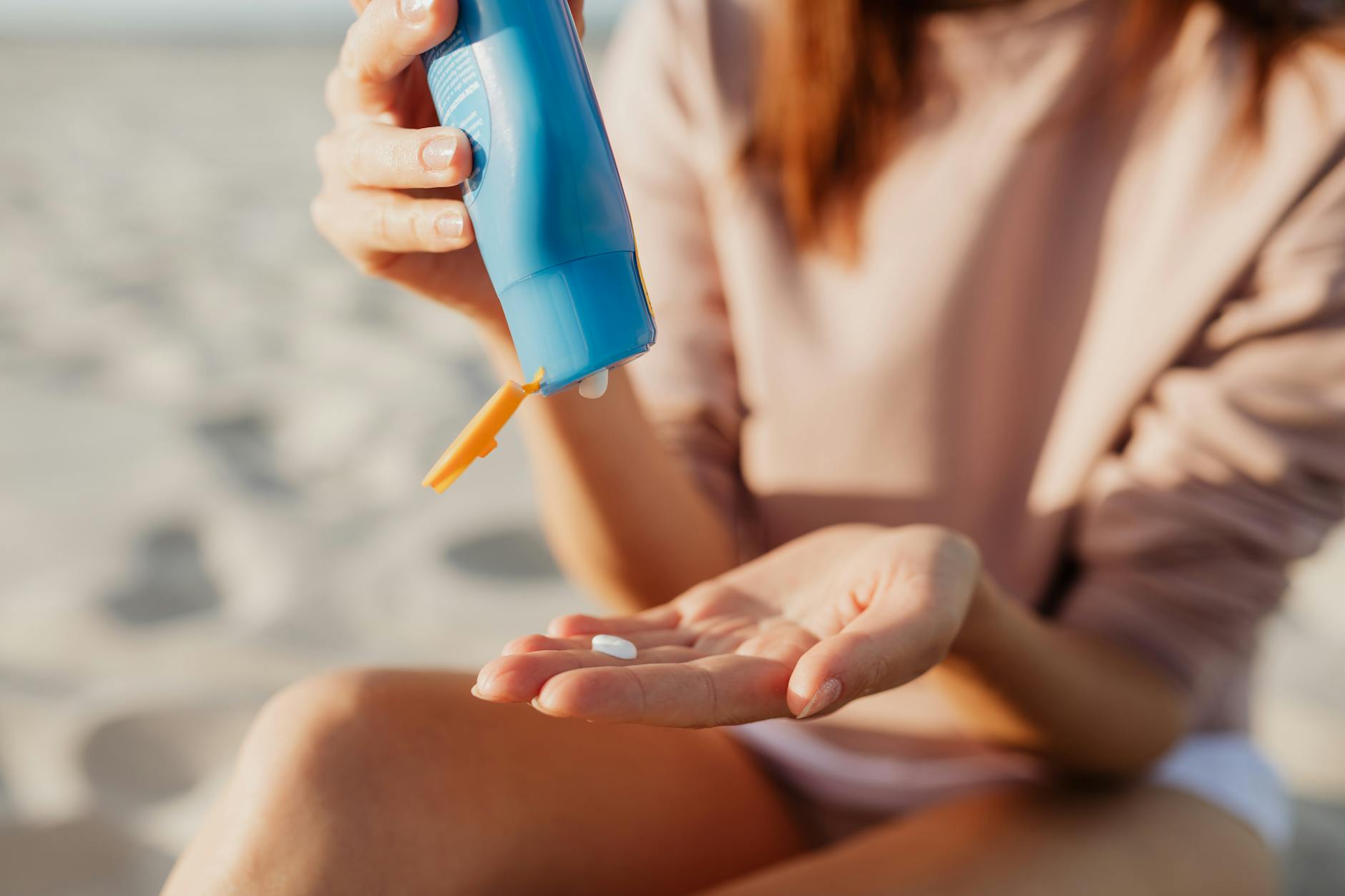
Timing and application technique matter significantly when layering sunscreen over acne treatments. If you’re using benzoyl peroxide or sulfur in the morning, apply those first (allowing them to dry fully), then apply your lightweight moisturizer or essence, and finally the Beauty of Joseon sunscreen as the last step before makeup or outdoor exposure. This order prevents the acne treatment from being diluted while ensuring the sunscreen sits on clean skin for maximum effectiveness.
For evening routines, the sunscreen comes off first during cleansing, followed by your acne treatment; this prevents trapping the treatment under an occlusive layer overnight. The tradeoff to understand is that layering multiple products increases the surface feel of coverage, which some acne-prone skin experiences as “heavy” or uncomfortable. If this happens, consider a more minimal morning routine—cleanser, lightweight acne treatment, Beauty of Joseon sunscreen—and save additional serums or treatments for nighttime. Many people with acne find this approach feels cleaner and prevents the midday urge to over-wash or pick at the skin due to discomfort.
What Are the Limitations of Beauty of Joseon for Severe or Cystic Acne?
Beauty of Joseon sunscreens are designed for mild to moderate acne, including comedonal and inflammatory breakouts, but they’re a supportive product, not a treatment for severe cystic acne. If your acne involves large, deep nodules or cysts that cover significant areas of the face, the sunscreen provides protection but won’t address the underlying sebaceous or hormonal drivers of the condition. In these cases, dermatological intervention (oral antibiotics, isotretinoin, hormonal therapy) becomes the primary necessity, and the sunscreen is a secondary measure to prevent complications like PIH.
Additionally, if you develop a reaction to Beauty of Joseon—redness, stinging, or increased breakouts after a week of use—discontinue it immediately. Some people’s acne is triggered by specific ingredients even in lightweight formulations, and forcing continued use of a product causing irritation will worsen breakouts rather than help them. A simple alternative is to patch test on a small area (jaw or behind the ear) for 3-5 days before committing to full-face application.
Comparing Beauty of Joseon to Other Non-Comedogenic Sunscreens for Acne Skin
Beauty of Joseon competes primarily with other Asian sunscreen brands (Purito, Isntree, COSRX) and some Western non-comedogenic options (Neutrogena Ultra Sheer, CeraVe Hydrating SPF), and it typically ranks highly for texture and ingredient quality. Where Beauty of Joseon excels is in the combination of high SPF, added soothing ingredients, and the familiar gel-cream feel that many acne-prone individuals prefer. The main advantage over simpler Western options is that it’s formulated specifically for Asian skin tones and sensitivities, meaning the texture and coverage work better on a broader range of skin undertones without appearing white or chalky.
Future-Proofing Your Skin: Long-Term Benefits of Consistent Sunscreen Use with Acne
Using Beauty of Joseon or similar non-comedogenic sunscreens consistently during the acne treatment phase sets up decades of better skin outcomes. People who protected their skin from UV damage while recovering from acne show dramatically fewer signs of photodamage, uneven texture, and accelerated aging by their 40s and 50s compared to those who skipped sunscreen during breakout-heavy years. Additionally, consistent sun protection during acne treatment allows the skin’s natural repair processes to work more efficiently, meaning the overall timeline from active breakouts to clear skin shortens measurably when UV protection is part of the plan from day one.
Conclusion
Beauty of Joseon sunscreen benefits acne-prone skin by offering effective SPF 50+ protection in a lightweight, non-comedogenic formula that won’t trigger new breakouts or interfere with acne treatments like retinoids or benzoyl peroxide. The inclusion of soothing ingredients like niacinamide and centella asiatica provides additional support for barrier repair and inflammation reduction, making it more than a simple UV barrier. Equally important is its role in preventing post-inflammatory hyperpigmentation, which can be more visually persistent than active acne itself.
Start with a patch test if your skin is currently inflamed, establish the morning routine order described above (treatment first, then sunscreen), and commit to daily use rather than sporadic application. The goal isn’t to treat acne with sunscreen alone—that requires prescription or over-the-counter acne medications—but to create the optimal environment for your existing treatments to work effectively while preventing the secondary consequences of acne (scars, pigmentation) from compounding the healing process. Consistent sun protection, paired with targeted acne treatment, is how clear skin becomes durable skin.