
The best acne treatments during breastfeeding are topical medications with minimal systemic absorption, including azelaic acid, benzoyl peroxide, low-concentration salicylic acid, and topical erythromycin or clindamycin. These options have been studied for their safety profiles in lactating mothers, with most showing less than 5% absorption into the bloodstream, making the risk of transfer through breast milk negligible. For example, a breastfeeding mother dealing with hormonal acne flare-ups postpartum could safely use a 15% azelaic acid gel twice daily alongside a 2% salicylic acid cleanser without significant concern for her nursing infant.
The challenge of treating acne while breastfeeding lies in the significant research gap surrounding lactating patients. Pregnant and breastfeeding women are systematically underrepresented in clinical trials for acne therapies, leaving dermatologists to rely on limited and sometimes inconsistent evidence. This means treatment decisions often require weighing theoretical risks against known benefits, ideally with input from both a dermatologist and pediatrician. This article examines which ingredients are considered safe based on available research, which treatments must be strictly avoided, what procedural options exist for stubborn acne, and how to build a practical skincare routine that protects both your skin and your baby.
Table of Contents
- Which Acne Treatments Are Safest While Nursing?
- How Does Salicylic Acid Compare to Other Safe Ingredients?
- What Treatments Must Breastfeeding Mothers Avoid?
- Building a Safe Skincare Routine for Postpartum Acne
- When Topical Treatments Are Not Enough
- Procedural Options for Breastfeeding Mothers
- The Research Gap and What It Means for Your Decisions
- Conclusion
Which Acne Treatments Are Safest While Nursing?
Several topical acne treatments have favorable safety profiles for breastfeeding mothers based on their low systemic absorption rates. Azelaic acid stands out as a particularly good option, with less than 4% absorbed topically. This naturally occurring acid works for both acne and rosacea, making it useful for mothers experiencing the skin changes common in the postpartum period. It is available in both gel and cream formulations, typically at 15% or 20% concentrations. Benzoyl peroxide, the workhorse ingredient in many over-the-counter acne products, is also considered low risk for nursing infants according to the LactMed database. Only about 5% is absorbed following topical application, and what does absorb is rapidly metabolized.
However, there is an important caveat: benzoyl peroxide should never be applied to the breast area, and if used elsewhere on the chest, only water-miscible cream or gel products should be chosen to avoid exposing the infant to mineral paraffins during feeding. Topical antibiotics represent another safe category. Erythromycin has been approved by the American Academy of Pediatrics for breastfeeding mothers and carries a Lactation Risk Category of L1, the safest designation. Topical clindamycin is similarly considered safe. These can be particularly helpful for inflammatory acne that does not respond adequately to benzoyl peroxide alone. Some dermatologists prescribe combination products that pair clindamycin with benzoyl peroxide to reduce the risk of antibiotic resistance.
How Does Salicylic Acid Compare to Other Safe Ingredients?
Salicylic acid occupies a specific niche in breastfeeding-safe acne care. The American College of Obstetricians and Gynecologists reports that products containing 2% or less salicylic acid are safe for use during breastfeeding. This concentration limit is important because higher concentrations or widespread application of salicylic acid could theoretically lead to greater absorption. A breastfeeding mother using a 2% salicylic acid cleanser that she rinses off after a minute faces minimal risk, while the same mother using a high-percentage salicylic acid peel over large body areas would be in different territory. Glycolic acid, derived from sugar cane, offers an alternative exfoliating option considered safe during lactation. It works by loosening the bonds between dead skin cells, helping to unclog pores and improve skin texture.
Compared to salicylic acid, glycolic acid is water-soluble rather than oil-soluble, which means it does not penetrate as deeply into pores. For someone with primarily comedonal acne characterized by blackheads and whiteheads, this may be less effective than salicylic acid. However, for those who prefer to avoid salicylic acid entirely or who have sensitive skin, glycolic acid provides a reasonable substitute. Niacinamide rounds out the safe ingredient list as an anti-inflammatory option for mild acne. It does not directly target acne the way benzoyl peroxide or salicylic acid does, but it can help calm redness and support the skin barrier. Its limitation is that it works best for mild cases and as a supporting player rather than a primary acne treatment.
What Treatments Must Breastfeeding Mothers Avoid?
Certain acne treatments carry clear contraindications during breastfeeding and should be completely avoided regardless of acne severity. Isotretinoin, sold under brand names like Accutane, carries a Lactation Risk Category of L5, meaning it is contraindicated. The manufacturer strongly recommends against its use during breastfeeding due to concerns about the drug’s potent effects on developing tissues. Even mothers who successfully used isotretinoin before pregnancy must wait until they have completely finished breastfeeding before considering another course. All retinoids, both oral and topical, fall into the avoid category during lactation. This includes prescription tretinoin, adapalene, and even over-the-counter retinol products.
These vitamin A derivatives can be absorbed into the bloodstream and potentially transferred through breast milk. For mothers who relied heavily on retinoids for acne control before pregnancy, this represents a significant adjustment to their skincare routine. The good news is that azelaic acid and glycolic acid can partially fill the retinoid-shaped gap in a regimen, offering some similar benefits for texture and tone. Tetracycline-class antibiotics, including doxycycline and minocycline, should also be avoided during lactation. These oral antibiotics are commonly prescribed for moderate to severe inflammatory acne but carry potential risks when transferred through breast milk. Erythromycin serves as the oral antibiotic alternative when systemic treatment becomes necessary. Additionally, hydroquinone, a skin-lightening agent sometimes used for post-acne dark spots, is highly absorbent and should be avoided entirely while nursing.

Building a Safe Skincare Routine for Postpartum Acne
A practical breastfeeding-safe acne routine balances effectiveness with appropriate caution. The foundation typically starts with a gentle cleanser, which could be a simple non-medicated option or a 2% salicylic acid cleanser for those wanting active treatment at the cleansing step. Following this, a leave-on treatment like azelaic acid gel or benzoyl peroxide can target active breakouts. Moisturizing with a non-comedogenic product helps maintain skin barrier function, which is often compromised during the hormonal shifts of the postpartum period. The tradeoff between benzoyl peroxide and azelaic acid often comes down to individual factors. Benzoyl peroxide works faster and more aggressively against acne-causing bacteria, but it bleaches fabrics and can be quite drying and irritating.
Azelaic acid is gentler, works on multiple aspects of acne including post-inflammatory hyperpigmentation, but typically requires longer to show results. A mother dealing with a sudden severe breakout might lean toward benzoyl peroxide for faster control, while someone managing persistent mild-to-moderate acne might prefer the steadier, gentler approach of azelaic acid. Location matters significantly when applying any treatment. Products should never be applied to the breast area or to skin that may come into contact with the baby during holding or feeding. Washing hands thoroughly after applying treatments is essential. Some mothers find it easiest to do their acne skincare routine immediately after a feeding session, allowing maximum time before the next nursing session and reducing the chance of any product transfer.
When Topical Treatments Are Not Enough
There are cases where topical treatments alone cannot adequately control acne during breastfeeding, which presents a difficult situation given the limited systemic options available. Oral erythromycin remains an option, as it carries that L1 safety rating from the American Academy of Pediatrics. However, erythromycin is generally less effective than the tetracycline-class antibiotics typically preferred for acne, and antibiotic resistance is a growing concern with any prolonged antibiotic use. Intralesional corticosteroid injections offer a targeted approach for painful cystic lesions.
A dermatologist injects a small amount of corticosteroid directly into the cyst, rapidly reducing inflammation. Because the injection is localized and the total dose is small, systemic absorption is minimal and this procedure is considered safe during breastfeeding. The limitation is that this treats individual lesions rather than preventing new ones, making it more of a rescue treatment than a long-term solution. The honest reality is that some breastfeeding mothers with severe nodulocystic acne face the difficult choice between continuing with less effective treatments while nursing or considering whether the severity of their condition warrants discussion about adjusting their breastfeeding plans. This is a deeply personal decision that should involve candid conversations with both a dermatologist and pediatrician about the specific circumstances.

Procedural Options for Breastfeeding Mothers
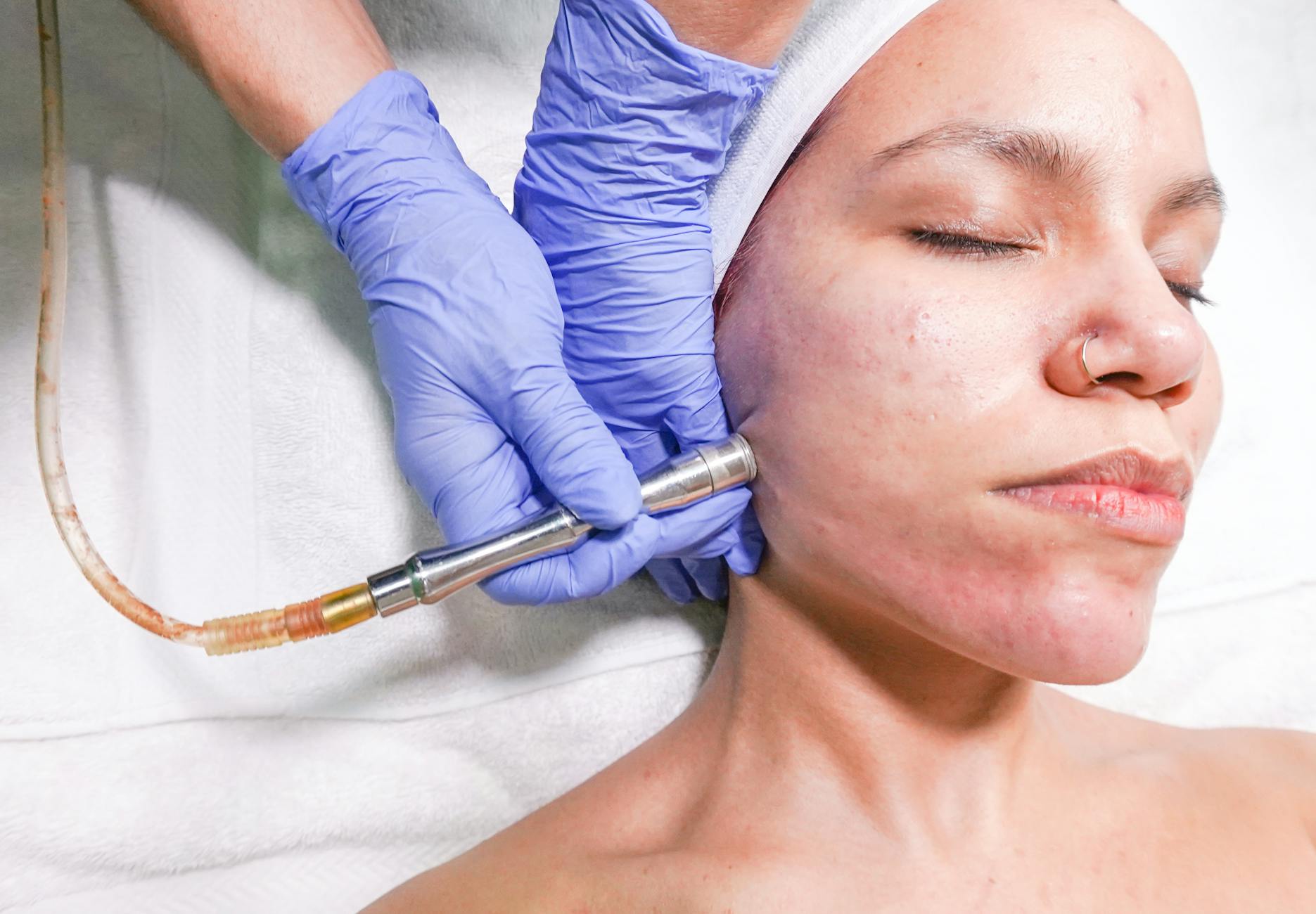
Several in-office procedures are considered safe during breastfeeding for those wanting more aggressive acne treatment or scar improvement. Microneedling, which uses tiny needles to create controlled micro-injuries that stimulate collagen production, is minimally invasive and does not involve systemic medications. This makes it an option for addressing acne scarring that developed during pregnancy or for stimulating overall skin renewal. The procedure should be performed by a trained professional, and standard aftercare protocols apply. Superficial chemical peels using glycolic acid or lactic acid can be performed during breastfeeding.
These ingredients are either not absorbed into the bloodstream or are used in such low concentrations that systemic effects are negligible. A series of gentle glycolic acid peels might help a breastfeeding mother dealing with persistent comedonal acne and dull skin texture when topical products are not achieving desired results. Deeper peels using other agents may not be appropriate and should be discussed carefully with a provider. Certain laser treatments can also be used for skin conditions during breastfeeding. The key consideration is that the laser works locally on the skin without introducing systemic medications. However, numbing creams used before procedures may need to be evaluated for their own safety profiles, and breastfeeding mothers should specifically discuss this with their provider.
The Research Gap and What It Means for Your Decisions
The available evidence on acne treatment safety during breastfeeding comes with an important asterisk: pregnant and lactating patients are systematically underrepresented in clinical trials. Much of what we know comes from case reports, theoretical pharmacokinetic analyses, and extrapolation from general toxicity data rather than dedicated studies in breastfeeding populations. This does not mean the treatments deemed safe are actually risky, but it does mean the evidence base is less robust than most patients and even some providers realize.
One practical implication is that not all medications considered safe during pregnancy automatically carry the same safety rating into lactation. The physiology of placental transfer and breast milk transfer differ, and a medication’s properties may make it more or less likely to appear in milk regardless of its pregnancy category. This is why consulting with a dermatologist experienced in treating lactating patients is valuable. They can help navigate these nuances and make recommendations based on the most current, specific evidence available rather than general assumptions.
Conclusion
Treating acne during breastfeeding requires balancing effective skincare with appropriate caution about systemic absorption and infant exposure. The good news is that several well-studied options exist: azelaic acid, benzoyl peroxide, low-concentration salicylic acid, glycolic acid, niacinamide, and topical antibiotics like erythromycin and clindamycin all have favorable safety profiles. Procedures including microneedling and superficial chemical peels expand the toolkit for those needing more than topical products alone.
The necessary flip side is avoiding retinoids, isotretinoin, tetracycline antibiotics, and hydroquinone entirely while breastfeeding. Application practices matter too, with products kept away from breast areas and hands washed after application. Given the research limitations in this population, working with a dermatologist who understands lactation considerations and coordinating with your pediatrician provides the most confident path forward. Most breastfeeding mothers can successfully manage their acne with safe treatments while protecting their nursing infants.