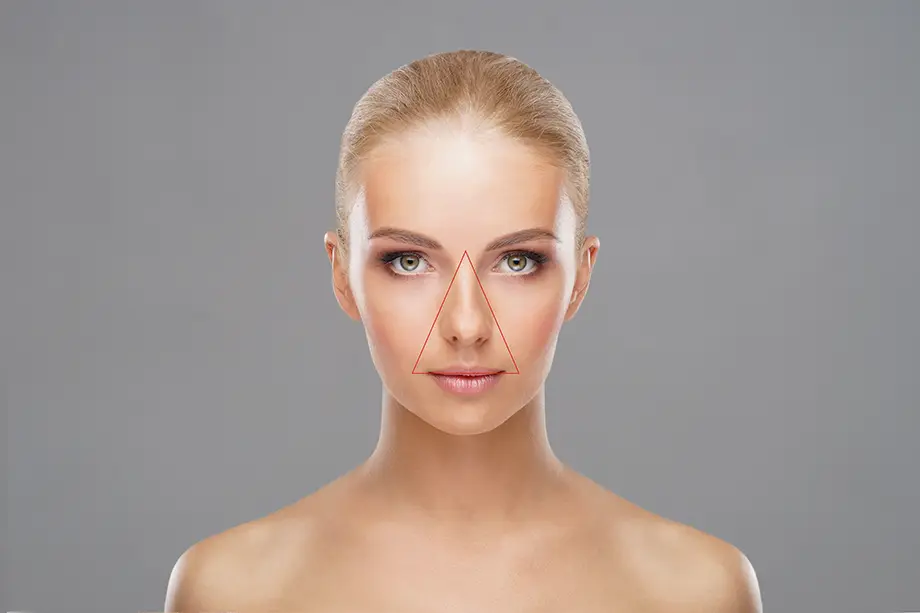
Chemical peels are skin treatments that use special chemical solutions to remove the outer layers of damaged skin, revealing smoother, brighter skin underneath.
These peels work by applying a liquid mix of acids directly to the face or other areas. The acids cause the top skin layers to peel off in a controlled way. This process exfoliates dead cells and prompts the skin to grow fresh, new cells. As a result, the skin looks renewed, with better texture and tone.
Doctors or skin experts pick the right peel based on your skin type and goals. They check factors like skin color, sensitivity, and past issues to avoid problems like dark spots after treatment.
There are three main types of peels, grouped by how deep they go.
Superficial peels, also called lunchtime peels, only touch the outermost skin layer, the epidermis. They use gentle acids like glycolic acid from sugar cane. These are great for mild acne, light sun damage, or dull skin. They cause little discomfort and need almost no recovery time. You can do them often for upkeep.
Medium peels go deeper into the upper dermis, the layer under the epidermis. They often use trichloroacetic acid, or TCA. These handle wrinkles, acne scars, age spots, and uneven color. Results show up more, but you might need a few days to heal, with some redness or peeling.
Deep peels reach the mid to lower dermis. They treat severe wrinkles or scars but require longer recovery, sometimes weeks, and are done just once. Not everyone qualifies due to risks.
Common acids include alpha hydroxy acids like glycolic or lactic acid, which loosen dead cells and boost collagen, the protein that keeps skin firm. Beta hydroxy acids like salicylic acid clear pores for acne-prone skin. TCA provides stronger action for tougher issues.
Before a peel, you might use creams like retinoids to prep the skin. This helps it respond better and cuts risks. During the treatment, the solution stays on for minutes, then gets neutralized and washed off. You will feel tingling or warmth.
Afterward, skin may redden, flake, or peel for days, depending on strength. Use gentle cleaners, moisturizers, and sunscreen to protect new skin. Avoid sun and harsh products. A series of peels often gives the best long-term glow and firmness by building collagen over time.
Peels help with fine lines, scars, dark spots, sagging, and rough texture. They improve product absorption too, since pores unclog. While not a fix for deep sagging like surgery, they refresh skin naturally.
Sources:
https://associatedderm.net/skin-chemical-peels-birmingham-al/
https://www.bwaesthetics.com/benefits-of-chemical-peels-for-skin/
https://www.agelockskinclinics.com/blog/what-is-a-chemical-peel-types-of-peels-and-what-suits-your-skin/
https://www.rejuvemedspa.com/blog/chemical-peels-for-sagging-skin/
https://www.illuminateplasticsurgery.com/aesthetician-services/chemical-peels/
https://salonbluehair.com/blogs/blogs/is-a-chemical-peel-right-for-you
https://www.drmarylupo.com/chemical-peels-procedure-new-orleans/
https://www.rejuvenate-health-spa.com/chemical-peels