
Allergan’s Natrelle fat grafting represents a natural approach to filling and smoothing depressed acne scars by transferring your own fat cells to the damaged areas beneath the skin. Rather than using synthetic fillers or chemical peels, this technique restores volume under indented scars, effectively pushing them level with surrounding healthy skin while maintaining a natural appearance since the material is your own tissue. This comprehensive guide explains how the procedure works, what results you can realistically expect, how it compares to other acne scar treatments, and whether it might be right for your skin.
The procedure works by harvesting fat from areas where you have excess (typically the abdomen or thighs), purifying it, and strategically injecting it under acne scars to restore the depression. Because your body can reabsorb some of the transferred fat over time, multiple treatment sessions are often needed to achieve lasting improvement. The key advantage is that successful fat grafting creates permanent or semi-permanent results, unlike temporary injectable fillers that disappear within months.
Table of Contents
- How Does Fat Grafting Actually Fill Acne Scars?
- Why Natrelle Fat Grafting Is Preferred Over Synthetic Alternatives
- What Kind of Acne Scars Respond Best to Fat Grafting?
- Fat Grafting vs. Other Acne Scar Treatments—What’s the Real Difference?
- Understanding Fat Reabsorption and Why You Might Need Multiple Treatments
- Recovery and Realistic Timeline for Seeing Results
- Emerging Advances and Future Outlook for Acne Scar Treatment
- Conclusion
- Frequently Asked Questions
How Does Fat Grafting Actually Fill Acne Scars?
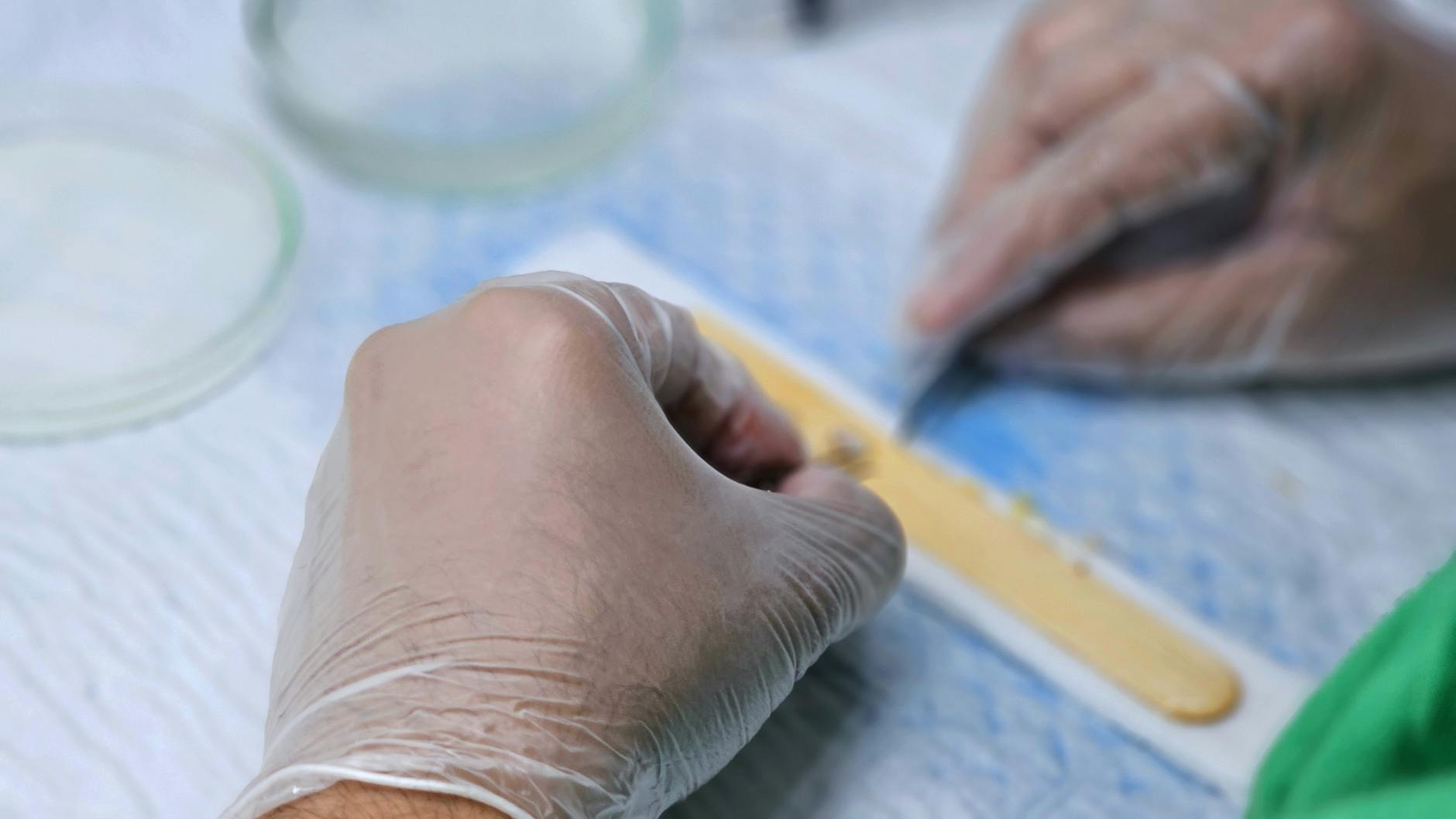
acne scars come in different forms, but the most common types are atrophic or depressed scars—indentations where the skin has lost underlying support and collagen during the healing process. Fat grafting directly addresses this problem by replacing the lost volume beneath the scar. When a qualified surgeon injects purified fat cells under the scarred tissue, it acts as a biological scaffold, pushing the depression upward and creating a smoother skin surface. The procedure involves three main steps: extraction of fat from a donor site (usually abdomen, flanks, or thighs), purification of the harvested fat to remove blood and other impurities, and precise injection into the areas under scarred skin.
A surgeon uses careful technique to place the fat at the exact depth needed—too shallow and it may be visible or lump under the skin; too deep and it won’t provide enough lifting effect. The injected fat becomes incorporated into your tissue, with blood vessels growing around the new fat cells to establish them permanently. One critical limitation is that the human body reabsorbs approximately 25-50% of transferred fat within the first year, though estimates vary. This means surgeons often intentionally overfill the area, knowing some volume will be lost, and patients may need repeat treatments six months to a year later to maintain optimal results.
Why Natrelle Fat Grafting Is Preferred Over Synthetic Alternatives
Allergan’s focus on fat grafting stems from two key advantages over temporary fillers: longevity and biocompatibility. Traditional injectable fillers like hyaluronic acid (Restylane, Juvederm) or calcium hydroxylapatite (Radiesse) typically last 6-18 months before being absorbed by the body, requiring frequent repeat injections to maintain scar improvement. Fat grafting, when successful, can provide results that last for years because the transferred fat cells establish a blood supply and integrate into your tissue permanently. However, fat grafting isn’t universally superior for everyone.
If you have very minimal fat stores or are underweight, there may not be enough donor material to harvest. In those cases, surgeons might recommend hybrid approaches—combining smaller amounts of fat with temporary fillers for initial improvement while the fat establishes itself. Additionally, fat grafting requires more invasive harvesting and carries slightly higher risks of contour irregularities at the donor site compared to simply receiving an injection of pre-made filler. The permanence of fat grafting also means that if the initial overfilling creates an uneven appearance or lumpiness, it takes longer to resolve than overfilled temporary fillers. This is why choosing an experienced surgeon matters significantly—their skill in precise placement directly impacts whether you get smooth, natural-looking results or visible asymmetries.
What Kind of Acne Scars Respond Best to Fat Grafting?
Rolling scars and boxcar scars (broader, less defined depressions) respond particularly well to fat grafting because they have clear volume deficits that can be corrected by filling. A rolling scar, which has gradual sloping edges, typically improves dramatically once the underlying depression is filled. Boxcar scars, which look like small round or rectangular indentations, also respond well because the fat creates a level surface underneath the scarred skin. Icepick scars—narrow, deep puncture-like indentations—respond less predictably to fat grafting alone.
Because they’re so narrow and deep, fat may not pack effectively into the tight space, and even significant overfilling might not fully correct the appearance. For icepick scars, surgeons often combine fat grafting with other techniques like subcision (releasing the scar tissue from underlying tissue to allow it to rise) or microneedling to enhance results. severe cases with extensive scarring sometimes benefit from staged treatments: initial fat grafting to address volume loss, followed by laser resurfacing or microneedling after healing to further smooth the skin texture. This combination approach addresses both the depth problem (fat grafting) and the surface texture problem (laser or needling).

Fat Grafting vs. Other Acne Scar Treatments—What’s the Real Difference?
Comparing fat grafting to other popular acne scar treatments reveals important tradeoffs. Chemical peels and laser resurfacing work by removing the top layers of skin to stimulate collagen remodeling, which works well for surface irregularities and mild scars but doesn’t address deep depressions. Microneedling creates controlled micro-injuries to trigger collagen production over months, gradually improving mild to moderate scars but requiring multiple sessions. These methods are less invasive and typically cheaper than fat grafting, but they don’t fill existing volume loss—they only improve skin texture.
Subcision physically releases scar tissue from underlying structures, allowing depressions to rise, and works extremely well for rolling scars. Many surgeons use subcision plus fat grafting together for optimal results: subcision provides immediate mechanical lifting, while the fat provides additional volume restoration and lasting results. Temporary fillers offer immediate visible improvement but require ongoing maintenance every 6-18 months and cost adds up significantly over time. For someone with moderate to severe depressed scars who wants the longest-lasting improvement and doesn’t mind the upfront cost and recovery time, fat grafting typically provides superior results compared to surface-based treatments. However, if you have mild scars, prefer minimal downtime, or want to test results before committing to more invasive treatment, starting with microneedling or temporary fillers is a reasonable progression approach.
Understanding Fat Reabsorption and Why You Might Need Multiple Treatments
The biggest challenge with fat grafting is that your body treats transferred fat as a foreign material and gradually reabsorbs it. Within the first few weeks after grafting, some swelling and inflammation occur as your body responds to the injection. As inflammation subsides, surviving fat cells become established with new blood vessels, but others die off. The typical reabsorption rate of 25-50% means that if your surgeon injects 100 units of fat to fill a scar, 50-75 units might remain permanently while 25-50 units gets reabsorbed. This reabsorption process is why most patients benefit from touch-up treatments after 6-12 months, once the initial reabsorption has stabilized and the surgeon can see exactly how much correction remains.
Rather than viewing this as a failure, experienced surgeons plan for it—they intentionally overfill knowing some loss will occur, then use follow-up injections to fine-tune results. Some patients achieve excellent permanent results from a single treatment, while others require two or three sessions spaced months apart. One warning: attempting to prevent reabsorption by injecting enormous quantities of fat in hopes of “overcorrecting” can backfire. Excessive overfilling creates visible lumps, asymmetries, and contour irregularities that look unnatural. The surgical art lies in achieving the balance between adequate overfilling for anticipated reabsorption and avoiding obvious overfilling that creates new aesthetic problems.
Recovery and Realistic Timeline for Seeing Results
Recovery from fat grafting involves temporary swelling and bruising at both the injection sites and the donor area where fat was harvested. Most patients experience peak swelling around day 3-5, with significant improvement by week 2. Visible bruising typically resolves within 2-3 weeks, though some lingering swelling can persist for 4-6 weeks. During this initial healing period, it’s difficult to assess the true results because inflammation masks the final appearance.
The true picture of results emerges around 3-6 months post-procedure, once swelling has fully resolved and the transferred fat has established its blood supply. However, as mentioned, reabsorption continues happening gradually over the first year. Many patients report that results continue subtly improving even 12-18 months after injection as collagen remodeling occurs in response to the procedure. This delayed timeline contrasts sharply with temporary fillers, which show immediate results but require repeated treatments to maintain them.
Emerging Advances and Future Outlook for Acne Scar Treatment
The field of fat grafting continues evolving with improved techniques for fat harvesting and purification that aim to increase the survival rate of transferred cells. Newer methods like the Coleman technique focus on gentle handling of fat to maximize cell viability, and some surgeons are exploring the addition of platelet-rich plasma (PRP) or stem cells to enhance fat survival and healing. These refinements may eventually reduce the reabsorption rate, meaning fewer touch-up treatments are needed.
Combination therapy is becoming the standard of care for severe acne scarring. Rather than relying on fat grafting alone, leading dermatologists and plastic surgeons combine it with newer technologies like radiofrequency microneedling or fractional laser to simultaneously address volume loss and skin texture. This integrated approach addresses all the mechanisms of acne scarring damage, leading to more comprehensive and dramatic improvements than any single treatment can achieve.
Conclusion
Allergan’s Natrelle fat grafting provides a natural, long-lasting solution for depressed acne scars by restoring volume beneath scarred skin with your own tissue. Unlike temporary fillers that require ongoing maintenance, or surface-based treatments that can’t address deep indentations, fat grafting fills the actual deficit causing the appearance of scars.
The procedure works best for rolling and boxcar scars, though results vary based on scar type, surgeon skill, and individual healing response. If you’re considering fat grafting for acne scars, consult with a board-certified plastic surgeon or dermatologist experienced in facial fat grafting to assess your scar type, discuss realistic expectations about reabsorption and the likelihood of needing touch-up treatments, and determine whether fat grafting is appropriate for your situation or whether a combination approach might better address your specific scarring pattern.
Frequently Asked Questions
How much does fat grafting for acne scars typically cost?
Fat grafting costs vary widely based on location and surgeon experience, but typically range from $3,000 to $8,000 for the initial procedure. Touch-up treatments are often less expensive since they require smaller amounts of fat injection.
How long do fat grafting results last?
Results can be permanent to semi-permanent, with many patients enjoying lasting improvement for 5+ years or longer. However, 25-50% of transferred fat is typically reabsorbed within the first year, which is why touch-up treatments are common.
Can fat grafting be combined with other acne scar treatments?
Yes, combining fat grafting with subcision, microneedling, or laser resurfacing often produces better results than any single treatment, particularly for severe scarring.
What happens if you’re too thin to have fat grafting?
If you lack sufficient fat stores, your surgeon may recommend alternative fillers, or may suggest you gain weight before the procedure. Some surgeons will graft whatever fat is available, though results may be more modest.
Is fat grafting permanent for acne scars?
The results are semi-permanent, as some fat reabsorption occurs. However, the fat that survives typically remains permanently, making it longer-lasting than temporary fillers that last 6-18 months.
What’s the difference between fat grafting and fillers for acne scars?
Fat grafting uses your own tissue and can last for years, while fillers are synthetic or naturally-derived materials that are absorbed within months. Fat requires more invasive harvesting but offers superior longevity and natural appearance.