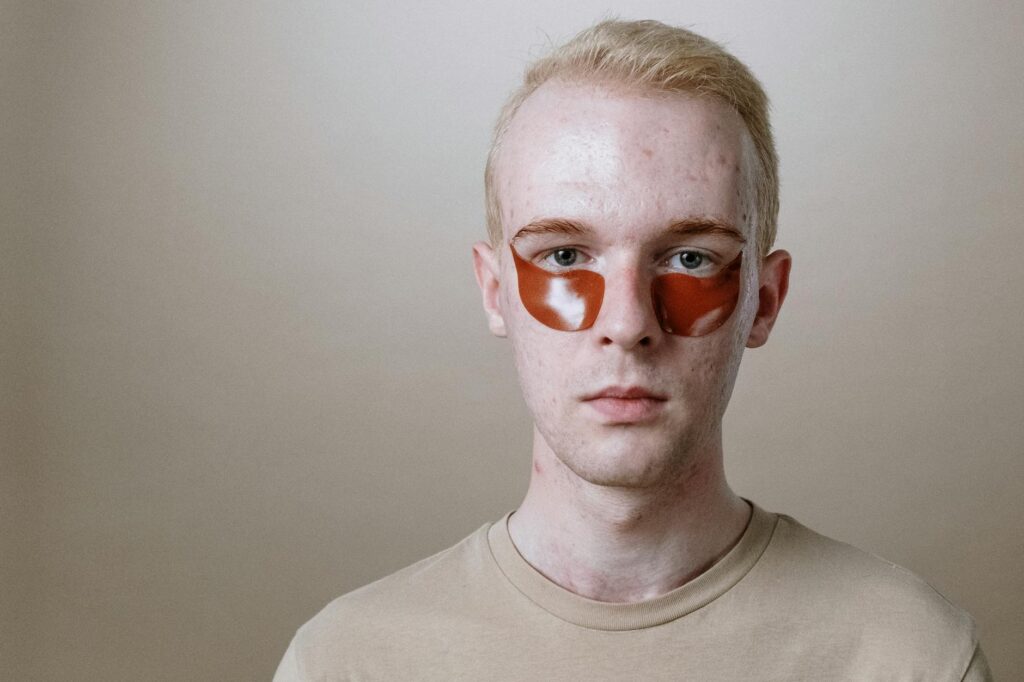
AI-designed acne treatment protocols offer the potential to deliver personalized, data-driven skincare recommendations with diagnostic accuracy that rivals dermatologist assessment—potentially changing how acne sufferers find treatments matched to their individual skin. Rather than a one-size-fits-all approach, AI algorithms can analyze your specific acne severity, skin type, and treatment history to recommend products and regimens tailored to your needs, with research showing accuracy rates as high as 97.6% in controlled settings. This article explores what AI-powered acne protocols can realistically deliver today, what barriers still exist, and how tools like MDacne and SPOTSCAN+ are already bringing this technology into everyday skincare routines.
The core advantage is personalization at scale. Machine learning models can identify acne lesions from smartphone images, assess severity using standardized dermatological scales, and continuously monitor how your skin responds to treatments—all without a dermatologist appointment. However, AI systems still face significant gaps in real-world applicability, particularly around dataset diversity and external validation, which we’ll address throughout this guide.
Table of Contents
- How Accurate Is AI in Diagnosing and Grading Acne?
- Personalized Treatment Recommendations Based on Your Skin Profile
- Virtual Reality and Emerging AI Technologies for Acne Visualization
- Remote Monitoring and Real-World Clinical Applications
- Current Barriers to Widespread AI Acne Protocol Deployment
- Available AI Acne Tools Today and What They Actually Do
- The Future of AI-Designed Acne Protocols
- Conclusion
- Frequently Asked Questions
How Accurate Is AI in Diagnosing and Grading Acne?
AI’s diagnostic performance in acne assessment has reached clinically meaningful levels. Ensemble machine learning models achieve the highest mean accuracy at 89.7%, while deep learning approaches follow at 88.5%. When tested against smartphone images specifically, AI demonstrated 88.9% sensitivity and 78% positive predictive value for acne detection—meaning it correctly identifies most acne cases and has a good specificity rate. In a direct comparison to dermatologist evaluation, AI algorithms achieved a 68% agreement rate with the Global Evaluation of Acne scale, which approximates the inter-rater concordance you’d expect between two dermatologists reviewing the same patient.
This level of accuracy is meaningful but not perfect. The 68% agreement with dermatologists suggests AI handles mild-to-moderate acne classification well, but may struggle with edge cases or severe, complex presentations that benefit from clinical judgment. For instance, distinguishing between severe cystic acne and other inflammatory skin conditions requires contextual medical history that a photo-based AI system lacks. The practical takeaway: AI works best as a screening tool or for ongoing monitoring of known acne, rather than for initial diagnosis of complex presentations.
Personalized Treatment Recommendations Based on Your Skin Profile
AI-powered platforms like MDacne and AcneAI use machine learning to analyze your skin type, acne severity, treatment history, and even climate factors to recommend a customized regimen. These systems can evaluate whether you’re better suited to retinoids, benzoyl peroxide, salicylic acid combinations, or prescription options based on patterns learned from thousands of user outcomes. Research shows that machine learning-directed treatment recommendations resulted in significantly better clinical outcomes and improved quality of life compared to patients who self-selected their skincare products.
However, this personalization comes with an important caveat: AI recommendations depend on the quality and diversity of the training data. Studies show that 51.8% of research datasets with ethnicity information predominantly included East Asian or Chinese individuals, meaning AI systems may not have equally robust models for all skin tones and genetic acne presentations. If you have darker skin or a family history of acne variations uncommon in Western datasets, AI recommendations should be validated by a dermatologist familiar with your specific skin profile. The technology improves continuously, but current systems perform most reliably for acne presentations well-represented in their training data.
Virtual Reality and Emerging AI Technologies for Acne Visualization
A 2025 advancement in AI-powered dermatology is the integration of virtual reality to help patients visualize treatment outcomes before committing to therapy. VR simulations allow users to explore 3D skin models and see projected effects of interventions—whether using isotretinoin for severe acne or laser therapy for scarring. This technology improves patient trust and treatment adherence by making abstract benefits concrete.
For example, a patient considering isotretinoin (which carries significant side effects and restrictions) can see a realistic 3D visualization of expected skin improvement, helping them weigh benefits against risks. Separately, AI has optimized acne-fighting ingredients through computational design (in silico modeling), improving formulation efficacy for reducing sebum production, inflammation, and pore size. La Roche-Posay’s SPOTSCAN+ tool exemplifies this: a free AI skin analysis system co-developed with dermatologists that recommends personalized skincare routines after analyzing your skin via smartphone. These emerging tools blend AI diagnostics, ingredient optimization, and immersive visualization into a complete treatment pathway.

Remote Monitoring and Real-World Clinical Applications
One practical advantage of AI-designed protocols is continuous monitoring at scale. Smartphone-based AI applications available on iOS and Android platforms can identify and count acne lesions, enabling patients to track improvements or deterioration from home. This is particularly valuable for patients in rural areas, those with limited dermatology access, or people managing long-term conditions like hormonal acne that require ongoing adjustments.
Instead of waiting months between dermatology appointments, AI can alert you within days if a treatment isn’t working. Dynamic refinement is another strength: continuous monitoring of skin changes—hydration levels, sensitivity patterns, and acne progression—allows AI systems to recommend product swaps or regimen adjustments in near-real-time. A comparison to traditional care: a dermatologist might see you every 3-6 months and make one adjustment; AI monitoring can suggest changes weekly if warranted. The tradeoff is that without clinical guidance, patients may over-adjust their regimen based on AI suggestions, potentially destabilizing their skin with constant product changes.
Current Barriers to Widespread AI Acne Protocol Deployment
Despite strong performance metrics, AI-designed acne treatment protocols face significant implementation barriers that limit clinical deployment today. The most fundamental issue is limited availability of large, diverse public datasets. Many AI models trained on proprietary data from specific clinics or companies don’t generalize well to patients outside their training population. This is compounded by the ethnic diversity problem mentioned earlier: 51.8% of studies with ethnicity data skewed heavily toward East Asian and Chinese populations, creating blind spots for other skin types and acne presentations.
External validation remains weak. Many AI systems show excellent performance in controlled research settings but lack real-world testing in diverse clinical environments. Regulatory pathways for AI medical devices are still evolving, meaning tools like MDacne operate in a gray zone—offering valuable recommendations but not FDA-cleared as diagnostic devices. If you use AI-powered acne protocols, understand that they’re advisory tools intended to complement (not replace) dermatology care, particularly for complex or resistant acne cases.
Available AI Acne Tools Today and What They Actually Do
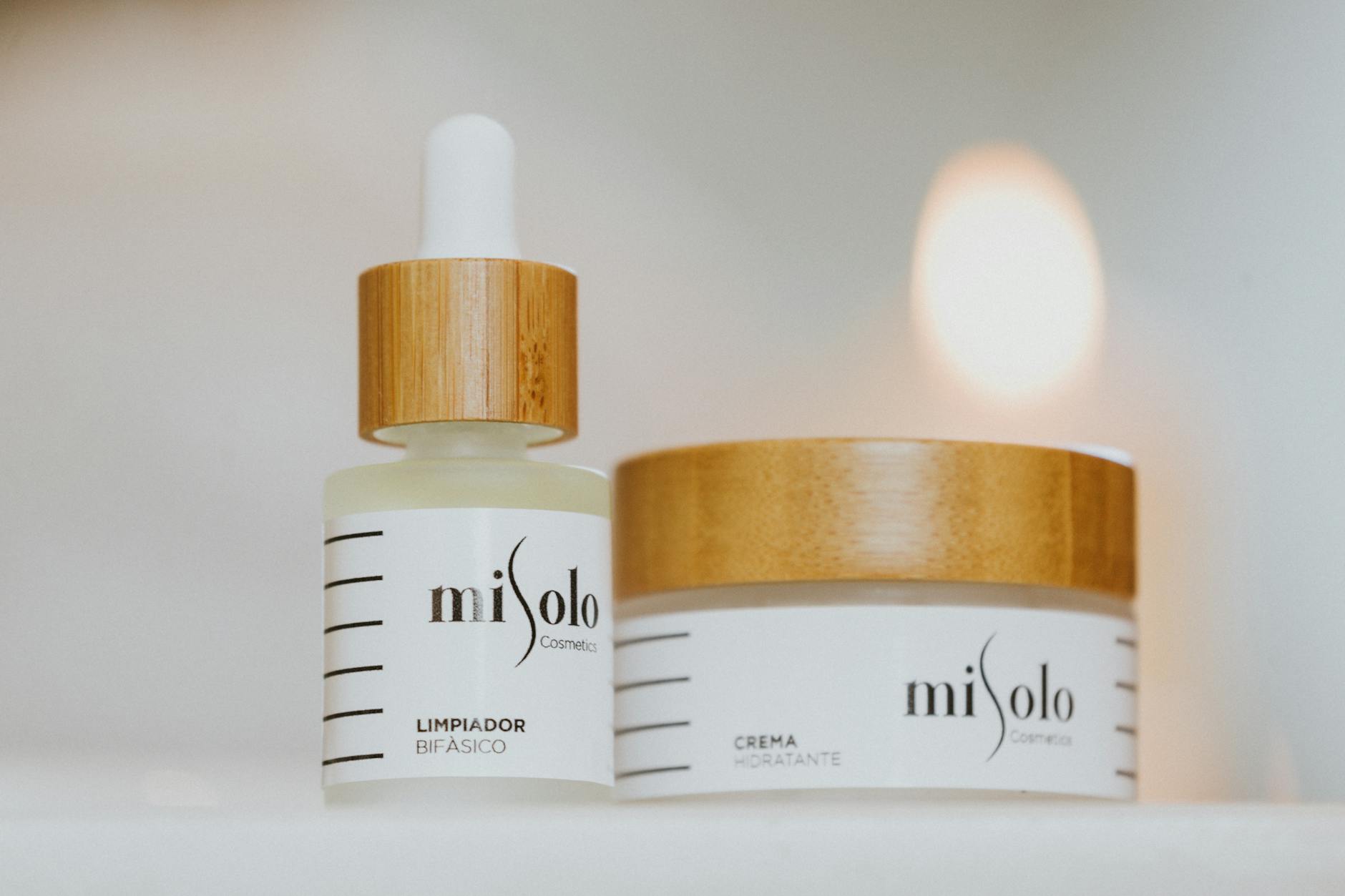
Several AI-powered acne tools are accessible now. MDacne uses machine learning to evaluate your skin type, acne severity, genetics, climate, and treatment history to recommend a personalized skincare routine from their product line. SPOTSCAN+ (La Roche-Posay) offers free AI skin analysis and routine recommendations without requiring a purchase.
AcneAI similarly provides algorithm-driven treatment suggestions based on your skin profile. These tools vary in sophistication: some integrate dermatologist feedback loops, while others rely purely on machine learning without clinical oversight. The practical distinction: free tools like SPOTSCAN+ offer accessibility but limited personalization, while subscription or product-based systems like MDacne embed more detailed personal factors but naturally recommend their own products. None of these tools should be your sole source of acne treatment decisions, especially if you have cystic acne, hormonal acne resistant to topical treatments, or conditions requiring isotretinoin—situations where a dermatologist’s clinical judgment remains essential.
The Future of AI-Designed Acne Protocols
As datasets expand and external validation accelerates, AI-designed protocols will likely become standard care in dermatology, similar to how AI imaging now assists radiologists. Future developments will probably focus on integrating biomarkers—hormonal levels, skin microbiome composition, genetic predisposition—into AI treatment algorithms for even more precise personalization. We may see AI systems that design entirely new acne-fighting ingredients or combinations, optimizing efficacy in ways human dermatologists couldn’t intuit alone.
However, the human-AI partnership model will likely persist rather than replacement. Dermatologists will use AI to screen large patient populations, identify highest-risk cases, and flag atypical presentations, while AI handles monitoring and routine recommendation refinement for stable acne cases. The regulatory environment will also mature, clarifying when AI recommendations can substitute for clinical judgment and when human oversight remains mandatory.
Conclusion
AI-designed acne treatment protocols offer meaningful advantages in personalization, diagnostic accuracy, and continuous monitoring—with ensemble models reaching 89.7% accuracy and machine learning recommendations producing better clinical outcomes than self-selected skincare. Tools like MDacne, AcneAI, and SPOTSCAN+ are making this technology accessible today, enabling remote monitoring via smartphone and tailored regimens matched to your specific skin profile.
However, current AI systems carry important limitations: they’re most reliable for populations well-represented in training data, lack extensive external validation, and should complement rather than replace dermatology care for complex presentations. If you’re considering AI-powered acne protocols, use them as an adjunct to professional guidance, especially if you have severe, resistant, or hormonally-driven acne. As the field matures with better datasets and stronger validation, AI-designed protocols will likely become standard in dermatology, but that maturity is still 2-3 years away for most patient populations.
Frequently Asked Questions
Can AI acne tools replace seeing a dermatologist?
Not for initial diagnosis or complex cases. AI excels at monitoring stable acne and refining treatments over time, but dermatologists should evaluate severe, cystic, or treatment-resistant acne. AI tools work best when integrated into dermatology care, not as a standalone alternative.
Why are accuracy numbers different across studies (97.6% vs. 89.7% vs. 88.9%)?
Different studies use different AI architectures, datasets, and validation approaches. The 97.6% figure represents best-case controlled settings; the 89.7% and 88.9% figures represent more realistic real-world performance. The variation illustrates why independent validation is crucial.
How often should I adjust my regimen based on AI recommendations?
Monthly adjustments are generally safe; weekly changes risk destabilizing your skin barrier. Most dermatologists recommend sticking with a regimen for 6-8 weeks before evaluating efficacy. Use AI monitoring to track progress, but don’t treat every minor fluctuation as a signal to change products.
Will AI recommendations work if I have darker skin?
Current systems work less reliably due to underrepresentation in training data. If you have darker skin, validate AI recommendations with a dermatologist experienced in treating melanated skin, as acne presentation and treatment response can differ significantly.
Are free AI tools like SPOTSCAN+ as good as paid platforms like MDacne?
Free tools offer basic personalization without payment friction; paid systems offer deeper analysis and continuous monitoring. Both have merit depending on your needs—free tools suit mild acne screening, while paid systems work better for ongoing management of moderate-to-severe acne.
Can AI detect acne complications like scarring or cystic transformation?
Current smartphone-based AI primarily detects active lesions and grades severity. Scarring detection and assessment of deep cystic changes require more sophisticated imaging (like professional photography or ultrasound) that most consumer AI tools lack.