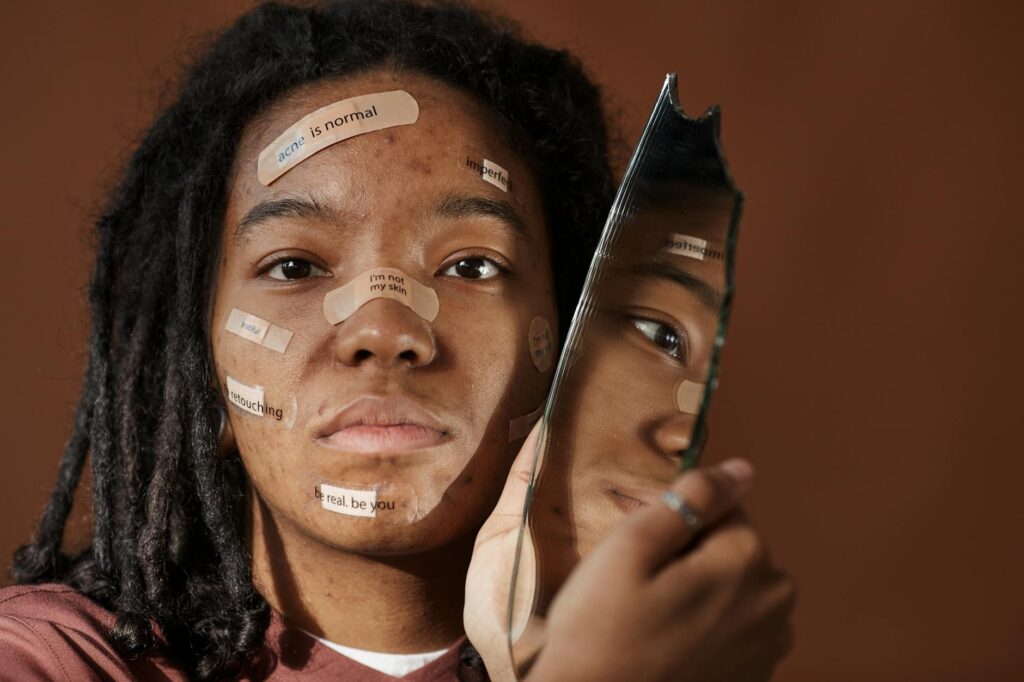
The Affirm laser addresses acne scars by using two distinct wavelengths to remodel and tighten the skin from multiple depths simultaneously. The 1064nm wavelength penetrates deep into the dermis to stimulate collagen production and rebuild structural support beneath indented scars, while the 532nm wavelength treats the superficial layers to improve skin texture, discoloration, and the overall appearance of scarred areas.
For someone with rolling acne scars—the most common type—this dual approach can gradually lift depressed areas and create more even skin topography over a series of treatments. The combination of both wavelengths in a single device means you’re not just addressing one aspect of scarring; you’re working on the underlying loss of skin support as well as the surface-level irregularities that make scars visible. This article covers how the Affirm laser’s dual wavelength system works specifically for acne scars, what results you can realistically expect, how it compares to other scar treatments, what limitations exist, and important practical considerations before pursuing treatment.
Table of Contents
- How Does the Affirm Laser’s Dual Wavelength Target Different Scar Depths?
- Collagen Remodeling and Long-Term Results with Affirm Therapy
- How Affirm Compares to Other Acne Scar Treatments
- What to Expect During and After Affirm Laser Treatment
- Limitations and Risks of the Affirm Laser for Acne Scars
- Cost and Treatment Timeline Considerations
- The Future of Dual Wavelength Laser Technology for Scars
- Conclusion
- Frequently Asked Questions
How Does the Affirm Laser’s Dual Wavelength Target Different Scar Depths?
The Affirm laser employs both a 1064nm neodymium YAG wavelength and a 532nm KTP (potassium titanyl phosphate) wavelength, each serving a distinct purpose in scar revision. The 1064nm infrared wavelength penetrates deepest—reaching into the reticular dermis where collagen naturally exists—and creates controlled thermal injury that triggers the body’s wound-healing response, encouraging new collagen synthesis and remodeling. This is the wavelength that addresses the root structural problem of atrophic (indented) scars: insufficient collagen and loss of skin support.
The 532nm visible green wavelength operates in the papillary dermis and epidermis, making it effective for erasing redness from acne scars, treating post-inflammatory hyperpigmentation, and smoothing surface irregularities. For example, if you have a deep rolling scar with residual redness and slight discoloration, the 1064nm wavelength will rebuild the depression while the 532nm simultaneously treats the vascular and pigment changes. A patient with only surface scarring might benefit primarily from the 532nm, while someone with severely depressed scars needs the deeper 1064nm work. This layered approach means the Affirm can address mixed-type scarring in a single treatment session rather than requiring separate procedures for depth and color.
Collagen Remodeling and Long-Term Results with Affirm Therapy
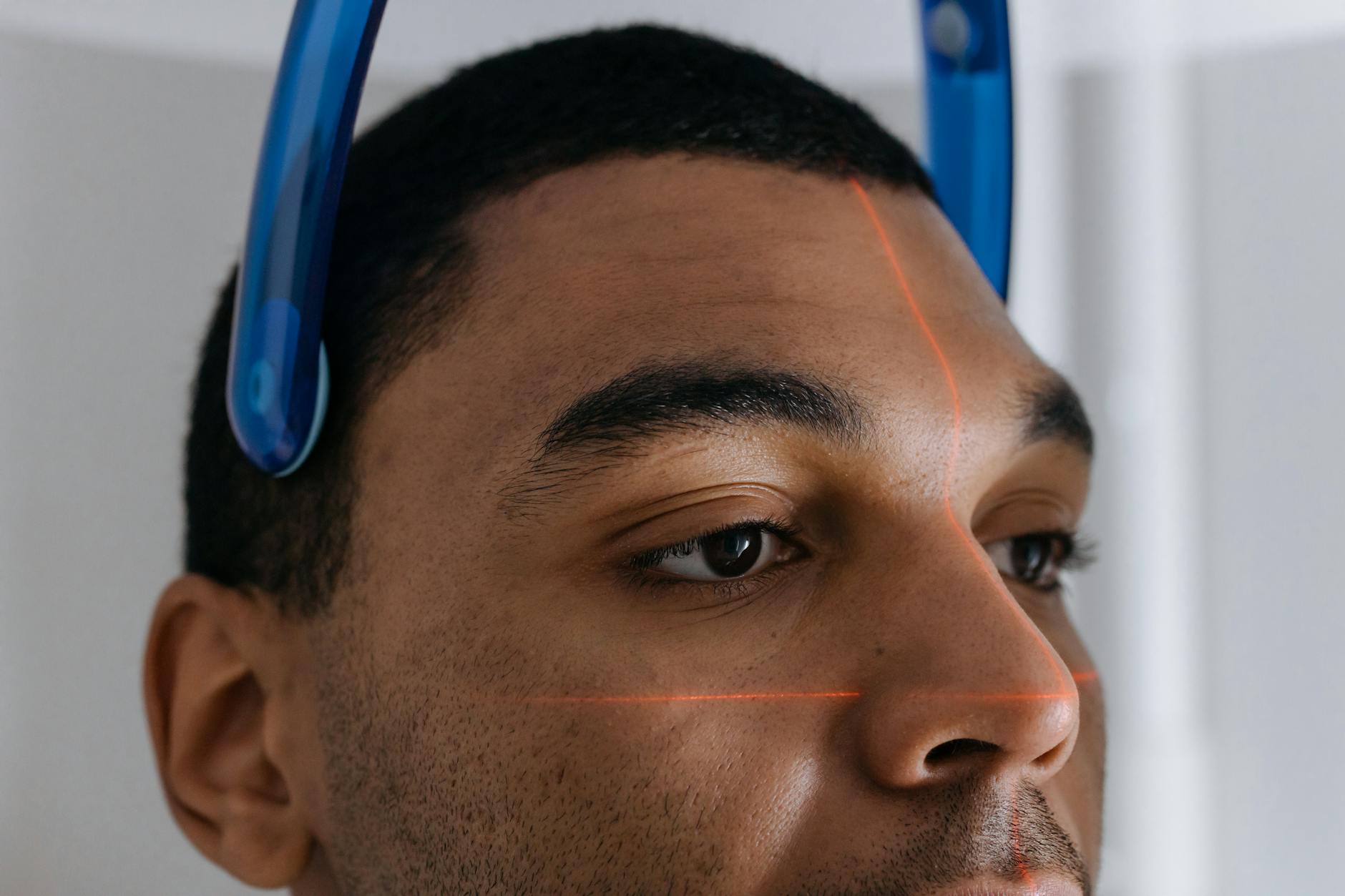
The dual wavelength stimulates collagen remodeling through a process called neocollagenesis, where the thermal injury from the laser signals fibroblasts to produce new, organized collagen. This doesn’t happen instantly—collagen remodeling is a 3 to 6-month process, with continued improvement even beyond that timeframe. Most patients see gradual scar improvement over the course of 3 to 6 treatment sessions spaced 4 to 6 weeks apart, with the most noticeable changes appearing 2 to 3 months after the final session. However, one important limitation: Affirm laser works best on rolling and box-car scars (depressed scars), and is less effective on ice-pick scars, which are too narrow and deep for laser energy to adequately remodel.
Additionally, the extent of improvement depends heavily on how deep and severe your scars are. If you have very severe, deeply pitted scars from cystic acne, you may see 40 to 50% improvement after a complete series—significant but not complete eradication. Someone with mild to moderate scarring might see 60 to 80% improvement. The quality of your skin’s ability to produce collagen also affects results; older skin and skin with limited collagen production may see slower or less dramatic improvements than younger patients with resilient skin.
How Affirm Compares to Other Acne Scar Treatments
The Affirm laser’s dual wavelength approach offers advantages over single-wavelength lasers and some other scar treatments, but each option has tradeoffs. Microneedling, for instance, is cheaper and accessible but requires more sessions and produces slower results for deep scars. Chemical peels address only surface discoloration and texture. Subcision (a surgical technique that releases scar tethering) works well for rolling scars but requires downtime and doesn’t address collagen loss.
Fractional co2 lasers are aggressive and produce dramatic results but require significant healing time and carry higher risk of complications like hypopigmentation. The Affirm’s advantage is its ability to address multiple scar characteristics simultaneously without the extended downtime of fractional CO2. Where Affirm falls short compared to surgical options like subcision is that it cannot release the fibrous tethering that creates the scar depression in the first place—it simply stimulates collagen growth to partially fill the depression. For very severe, tethered scars, combining Affirm with subcision or other procedures may be more effective than either approach alone. A dermatologist experienced with acne scar treatment can help determine if Affirm alone is sufficient or if combination therapy makes sense for your specific scar pattern.

What to Expect During and After Affirm Laser Treatment
During treatment, the laser handpiece is passed over scarred areas in a grid pattern, with most people describing the sensation as a snapping or prickling feeling. A topical numbing cream is usually applied beforehand, and many clinics add cooled air or anesthesia to minimize discomfort. Treatment typically takes 15 to 30 minutes depending on the treatment area’s size. Immediately after, your skin will be red and slightly swollen—expect 3 to 5 days of visible redness and mild swelling. Some patients experience mild crusting or flaking for a few days as the skin heals.
The downtime is moderate compared to other laser options. You’ll need to avoid sun exposure completely for at least 2 weeks and use strict SPF 50+ sunscreen thereafter, as the treated skin is more vulnerable to hyperpigmentation if exposed to UV. Most people can return to normal activities within a few days, though exercise and saunas should be avoided for a week to prevent excessive sweating and infection risk. One practical consideration: results aren’t visible immediately. The real improvement comes from collagen remodeling happening beneath the surface over the following weeks and months, so patience is essential. Many people mistakenly think nothing is happening in the first 4 to 6 weeks, when in fact the collagen rebuilding process is underway.
Limitations and Risks of the Affirm Laser for Acne Scars
While the Affirm laser is considered safe for most skin types, darker skin tones carry a higher risk of post-inflammatory hyperpigmentation—the treated area can darken temporarily or even permanently. This risk doesn’t mean people with darker skin shouldn’t pursue Affirm treatment, but it requires an experienced practitioner who adjusts settings appropriately and careful post-treatment sun protection. Fair-skinned patients are at lower risk for hyperpigmentation but can experience hypopigmentation (lightening), though this is less common. Another significant limitation is that the Affirm laser cannot treat ice-pick scars effectively.
These scars are too narrow for the laser energy to adequately penetrate and remodel the dermis at their depth. Combining Affirm with other treatments like TCA cross (topical chemical treatment placed directly into the scar) may help ice-pick scars, but Affirm alone won’t address them. Additionally, if you have active acne, treatment should be delayed until your acne is controlled, as the inflammatory process of active breakouts can interfere with collagen remodeling and potentially trigger more scarring. Some patients also experience temporary hypersensitivity to the treated area for a few weeks post-treatment, requiring extra caution with skincare products.

Cost and Treatment Timeline Considerations
Affirm laser treatment for acne scars typically costs $500 to $1,500 per session depending on the practitioner’s expertise, geographic location, and the size of the treatment area. Since most people need 3 to 6 sessions spaced 4 to 6 weeks apart, the total cost usually ranges from $1,500 to $9,000. Insurance typically doesn’t cover laser scar treatment, as it’s considered cosmetic, so this is an out-of-pocket expense.
Clinics sometimes offer package discounts if you commit to a series upfront. The time investment is also significant—expect a 4 to 6-month commitment from your first session to seeing final results, possibly longer. During this time, you’ll need to be diligent about sun protection and skincare to support the healing process. For someone planning a special event or change in appearance, starting Affirm treatment at least 3 to 4 months beforehand gives enough time to see meaningful results before that date.
The Future of Dual Wavelength Laser Technology for Scars
Newer laser technologies continue to refine the approach to scar treatment, with some systems now combining the Affirm technology with fractional settings that increase intensity in specific areas. Research continues to explore the optimal wavelength combinations and settings for different scar types, and combination treatments (laser plus microneedling or laser plus radiofrequency) are showing promising results in clinical studies.
The trend in dermatology is moving toward personalized treatment plans that combine multiple modalities based on scar characteristics, rather than relying on any single technology. As these technologies evolve, patients will likely have access to treatments that achieve better results with less downtime, but the fundamental principle remains: rebuilding collagen in scarred skin is a gradual biological process that takes time, consistency, and the right treatment approach for your specific scar pattern.
Conclusion
The Affirm laser’s dual wavelength system—1064nm for deep collagen remodeling and 532nm for surface texture and color—offers an effective approach to acne scar revision that addresses multiple depths simultaneously. For rolling and box-car scars, realistic expectations are 40 to 80% improvement over a series of 3 to 6 treatments, with results continuing to improve for months after the final session. The moderate downtime and lack of extended healing make it a practical choice for many people, particularly those with fair to medium skin tones.
Before pursuing treatment, consult with a dermatologist experienced in scar revision to determine if Affirm is appropriate for your specific scars or if a combination approach would be more effective. Be prepared for the financial commitment (typically $1,500 to $9,000) and the timeline (4 to 6 months minimum), and maintain realistic expectations based on how severe your scarring is. For many people, the gradual but sustained improvement in scar appearance is worth both the cost and the patience required.
Frequently Asked Questions
How many Affirm laser sessions do I need for acne scars?
Most people need 3 to 6 sessions spaced 4 to 6 weeks apart. The exact number depends on scar severity, depth, and how your skin responds to treatment. Your dermatologist will reassess after 2 to 3 sessions to determine if additional treatment is needed.
Can I do Affirm laser if I have darker skin?
Yes, but with precautions. Darker skin has a higher risk of temporary or permanent hyperpigmentation (darkening) in the treated area. Work with an experienced practitioner who adjusts laser settings appropriately for your skin tone and follow strict sun protection after treatment.
When will I see results from Affirm laser treatment?
Initial redness fades within days, but visible scar improvement typically appears 4 to 8 weeks after treatment as collagen remodeling occurs. The most dramatic improvements are usually visible 2 to 3 months after the final session, with some continued improvement for up to 6 months.
Does Affirm laser hurt?
Most people describe a snapping or prickling sensation during treatment. Topical numbing cream and cooled air help minimize discomfort. Pain tolerance varies, but the procedure is generally tolerable without general anesthesia.
Can Affirm laser treat ice-pick scars?
Affirm laser alone is not effective for ice-pick scars because they’re too narrow and deep for adequate laser penetration. These scars typically require combination treatments like TCA cross, subcision, or filler options.
Is there downtime after Affirm laser treatment?
Expect 3 to 5 days of visible redness and swelling. Most people return to normal activities within a few days, but you must avoid sun exposure completely for at least 2 weeks and use SPF 50+ sunscreen ongoing while treated skin heals.