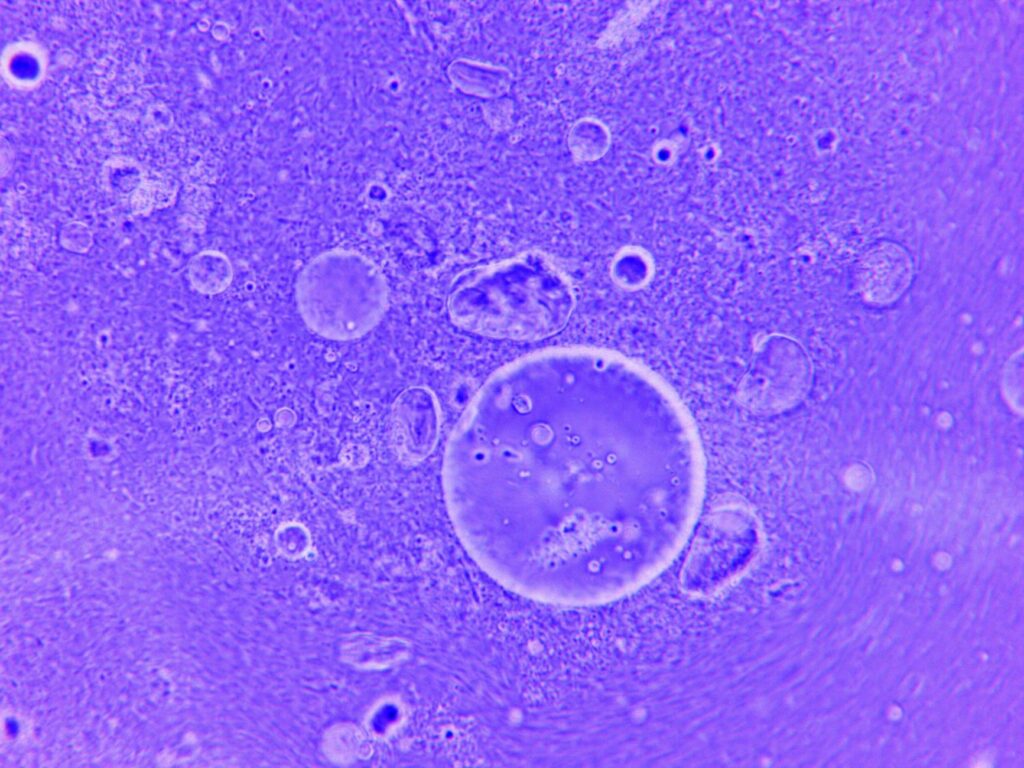
Adipose-derived stem cells (ADSCs) work on depressed acne scars by stimulating the skin’s own healing and regeneration process—triggering collagen synthesis, encouraging new blood vessel formation, and migrating fibroblasts to rebuild damaged dermal tissue. Unlike treatments that simply abrade or resurface the skin, these cells release bioactive signals that calm the inflammation underlying scarring and prompt the body to remodel collagen itself. A single injection has demonstrated clinical efficacy equivalent to three separate sessions of fractional CO2 laser resurfacing, a finding that surprised many dermatologists and has driven growing adoption of stem cell therapy in scar treatment over the past five years. This article explores how adipose-derived stem cells work on a cellular level, examines the clinical evidence for their effectiveness, compares them to conventional laser and microneedling approaches, and reviews newer developments like exosome therapy and secretome treatments that may offer even safer or more potent alternatives.
Table of Contents
- How Do Adipose-Derived Stem Cells Repair Depressed Acne Scars?
- What Does the Clinical Evidence Show About Effectiveness?
- How Do Adipose-Derived Stem Cells Compare to Laser and Microneedling?
- What’s the Practical Treatment Process and What Should You Expect?
- Are There Limitations or Risks to Adipose-Derived Stem Cell Therapy?
- What About Exosomes and Cell-Free Therapy?
- What’s the Future of Stem Cell Scar Treatment?
- Conclusion
How Do Adipose-Derived Stem Cells Repair Depressed Acne Scars?
Adipose-derived stem cells restore scarred skin by releasing molecules that reactivate the fibroblasts—the cells responsible for producing collagen and elastin—that become dormant or damaged during acne inflammation. When injected into scar tissue, ADSCs don’t simply transform into new skin cells. Instead, they function as “repair coordinators,” stimulating three critical healing processes: increased collagen synthesis (the structural rebuilding), angiogenesis (formation of new blood vessels to improve circulation and skin quality), and fibroblast migration (repopulation of damaged areas with collagen-producing cells). ADSCs can also differentiate into fibroblasts themselves, directly increasing collagen and elastin density in treated skin over weeks and months.
A key mechanism that emerges from recent research is the cells’ ability to suppress the NLRP3 inflammasome pathway—a cellular trigger for chronic inflammation. Acne scars persist partly because inflammatory signals remain active in the tissue, preventing normal healing. By dampening this inflammatory environment, ADSCs allow the skin to transition from a damaged state into active regeneration. This explains why results often continue improving for months after treatment: the initial injection sets off a cascade of biological repair that unfolds gradually as collagen remodels and new blood vessels establish themselves. This differs fundamentally from laser resurfacing, which relies on controlled damage to stimulate healing; stem cells work *with* the body’s natural repair mechanisms rather than forcing them through trauma.
What Does the Clinical Evidence Show About Effectiveness?
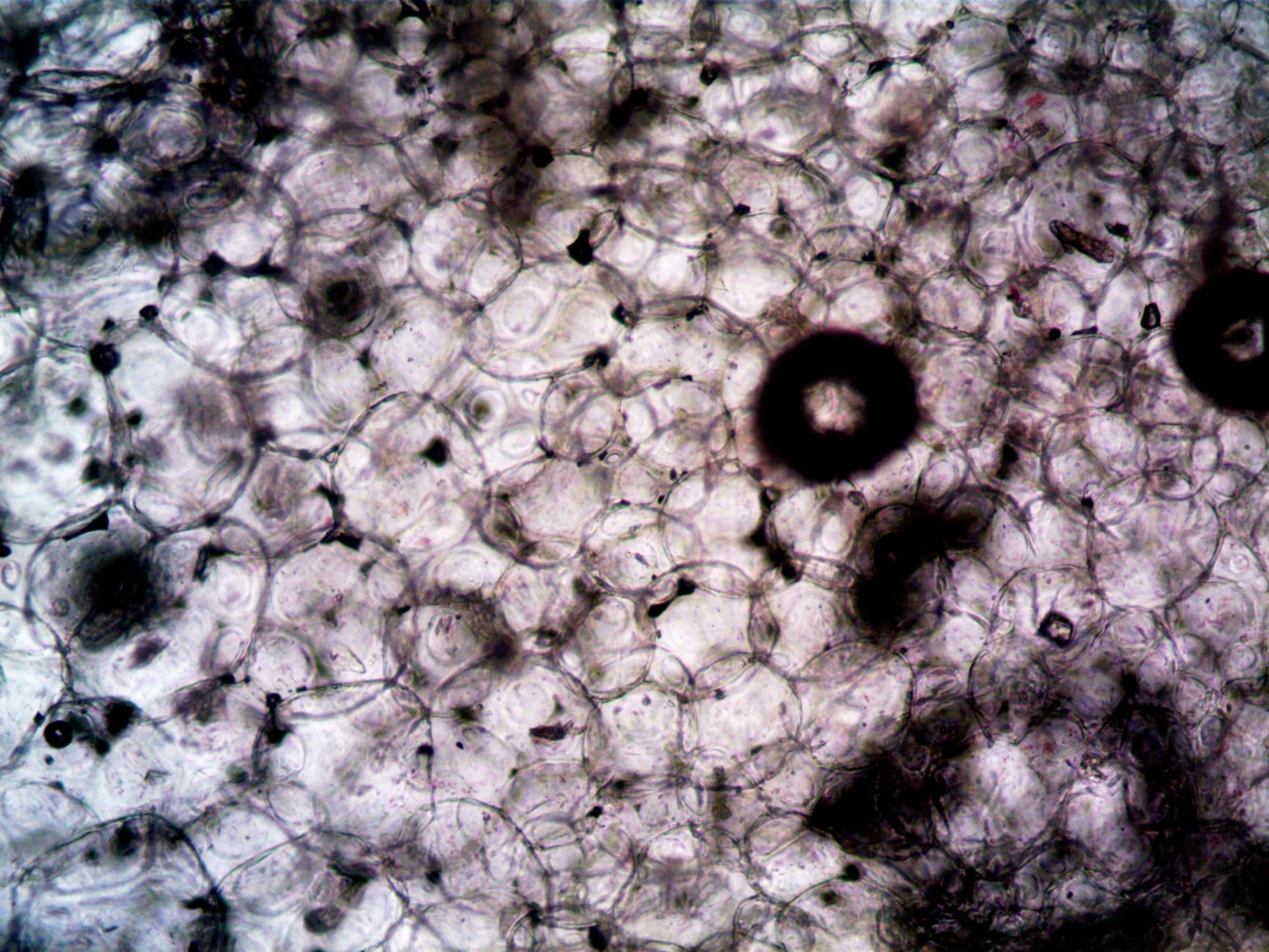
The clinical evidence is striking: a comparative study found that a single injection of autologous adipose-derived stem cells achieved the same scar improvement as three sessions of fractional CO2 laser resurfacing—the gold standard treatment for decades. This finding alone has shifted how dermatologists approach atrophic (depressed) scars, since it offers equivalent results with fewer procedures, less downtime, and no thermal injury to the skin. Patients receiving stem cell injections typically experience mild swelling for a few days and can return to normal activities immediately, whereas fractional CO2 laser requires 5-7 days of significant redness and flaking.
However, if you’re comparing stem cell treatment to combination approaches, the data becomes more compelling. When adipose-derived stem cell-derived exosomes (molecules secreted by the cells) were combined with fractional CO2 laser therapy, treated patients achieved a 32.5% reduction in scar severity scores versus only 19.9% in control groups at 12 weeks—a statistically significant advantage. Even more dramatic, deep dermal infiltration of exosomes combined with subcision (a procedure that breaks scar tissue beneath the skin) achieved complete resolution of scars in a 2024 study. The challenge is that not all clinics offer these combined approaches, and standalone stem cell injections, while effective, may not reach “complete resolution” for severe or extensive scarring.
How Do Adipose-Derived Stem Cells Compare to Laser and Microneedling?
Fractional CO2 laser remains widely available and effective—it vaporizes damaged collagen layer by layer, forcing the skin to rebuild. Yet it requires multiple sessions (typically 3-5), causes significant post-treatment redness and peeling, and risks complications like hyperpigmentation or textural changes if not performed carefully. A single adipose-derived stem cell injection achieves comparable results with none of this downtime, making it attractive for patients who can’t tolerate visible recovery or who need to work during treatment. The tradeoff is availability: not all dermatology clinics have access to stem cell services, and the upfront cost may be higher, though patients avoid the cost of multiple laser sessions.
Microneedling with radiofrequency (RF) sits between these approaches—less invasive than ablative laser, more accessible than stem cells. It stimulates collagen remodeling but doesn’t replicate the specific paracrine effects (healing molecules released by stem cells) that suppress inflammation and trigger fibroblast recruitment. For mild to moderate scars, microneedling offers good results with minimal downtime. For severe or refractory scars—those that haven’t improved after multiple microneedling sessions or show poor collagen response—adipose-derived stem cells or combination therapies emerge as more targeted solutions because they directly address the inflammatory and collagen-deficiency mechanisms underlying scar formation.
What’s the Practical Treatment Process and What Should You Expect?
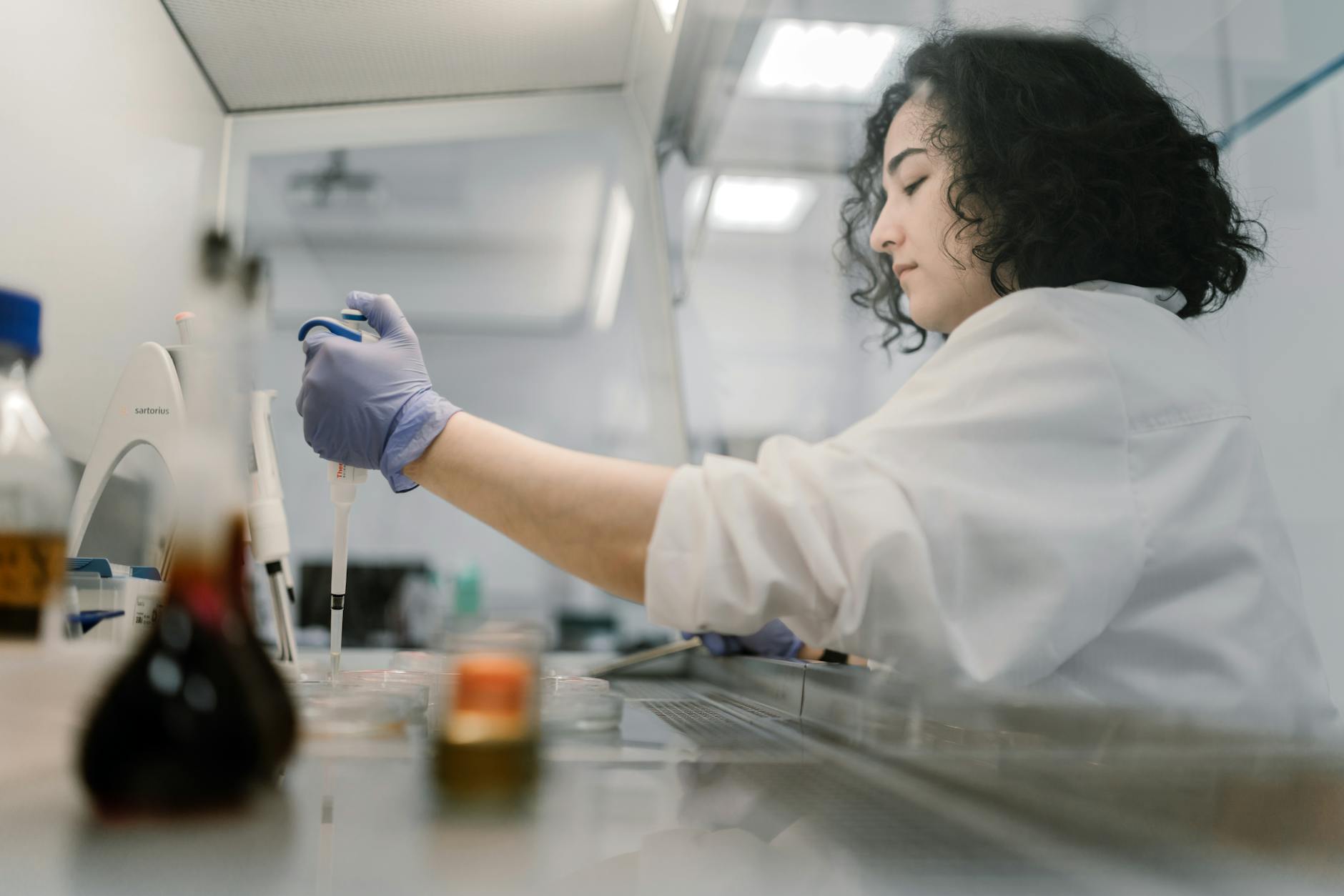
Adipose-derived stem cell therapy for acne scars begins with a small liposuction procedure to harvest fat tissue, usually from the abdomen or love handles under local anesthesia—a 15-20 minute outpatient procedure. The fat is then processed to isolate and concentrate the stem cells, a step that takes 1-2 hours in the clinic or is sent to a laboratory if the clinic uses cultured cells. Once ready, the concentrated cells or their secretome (the molecules they produce) are injected directly into the scar tissue using precise mapping to ensure even distribution. The entire procedure—from harvest to injection—takes 3-4 hours if done in a single day, though some clinics culture cells for 2-3 weeks to expand the cell population and increase potency.
Results emerge gradually. Mild swelling and redness typically resolve within 3-5 days. Scar improvement becomes visible around 4-6 weeks as collagen remodeling begins, with continued refinement over 3-6 months as the biological cascade unfolds. This slow timeline contrasts sharply with the immediate (but temporary) puffiness some patients see after dermal filler injection. If you have severe, extensive scarring covering large areas of the face, a single treatment may require supplemental sessions—typically spaced 6-8 weeks apart to allow full healing and assessment between rounds.
Are There Limitations or Risks to Adipose-Derived Stem Cell Therapy?
Adipose-derived stem cell therapy is classified as a safe procedure with consistent improvements in scar appearance, texture, and associated symptoms across clinical studies. However, the term “safe” doesn’t mean risk-free. Infection at the harvest site is rare but possible, as with any surgical procedure. More commonly, patients experience temporary numbness or firmness at the liposuction site.
Some patients show variable response: those with excellent skin elasticity and thicker skin often see dramatic improvement, while those with thin, inelastic skin or compromised blood supply may see more modest results because the underlying tissue can’t regenerate as robustly. A critical limitation is that if your acne scars are primarily caused by pigmentary changes (darker or lighter spots rather than textural indentation), adipose-derived stem cells won’t address pigment—they work on collagen architecture. Additionally, if scarring is severe and involves extensive fibrous tissue, even stem cells may not achieve complete resolution; combination approaches (stem cells plus laser or subcision) yield better outcomes for extensive damage. Cost is another practical limitation: treatment typically ranges from $3,000 to $8,000 per session, and insurance doesn’t cover it since it’s considered elective. This makes it less accessible than fractional CO2 laser, which, while requiring multiple sessions, can sometimes be negotiated for insurance coverage if framed as reconstructive rather than cosmetic.

What About Exosomes and Cell-Free Therapy?
Recent research has shifted focus toward adipose-derived stem cell exosomes—tiny vesicles released by the cells that carry the healing molecules without requiring living cells themselves. In the 32.5% scar reduction study, exosomes combined with fractional CO2 laser outperformed controls significantly. This cell-free approach offers theoretical advantages: exosomes can be manufactured, stored, and scaled more easily than cultured cells, potentially reducing cost and expanding accessibility.
They also eliminate concerns about cell survival post-injection—exosomes need only deliver their cargo, not maintain viability in the injection site. A 2025 systematic review of 11 studies examining mesenchymal stem cell therapy for scars found that all seven studies reporting visual scar appearance documented improvements, with researchers noting “consistently positive results across the board.” The emerging consensus is that AT-MSC secretome therapy (the collection of molecules adipose stem cells produce) may prove safer and more consistent than whole-cell therapy because there’s no risk of cells behaving unpredictably post-transplantation. However, exosome and secretome products are still largely available through specialized clinics or clinical trials, not routine dermatology practices, so access remains limited compared to traditional stem cell harvesting.
What’s the Future of Stem Cell Scar Treatment?
The trajectory of adipose-derived stem cell research points toward refined, combination protocols. Rather than stem cells or exosomes alone, the most effective approach appears to be pairing them with mechanical methods—subcision to break scar tissue, then stem cells or exosomes to promote regeneration, sometimes followed by laser resurfacing for final refinement. This staged, synergistic model addresses scarring on multiple levels: mechanical disruption, biological regeneration, and surface remodeling. Clinics at the forefront of scar treatment are already moving in this direction, offering customized protocols based on scar type and severity.
Another emerging frontier is the secretome-only approach—manufacturing standardized exosome or growth factor products derived from adipose stem cells without needing to culture or expand cells. This could make the technology available in more dermatology offices if products become FDA-cleared and standardized. The 2025 research on AT-MSC secretome therapy suggests we’re moving toward treatments that are simultaneously safer, more consistent, and more accessible than current cell-based approaches. Over the next 3-5 years, expect to see secretome products enter routine clinical use, particularly for patients who prefer a non-surgical, cell-free option.
Conclusion
Adipose-derived stem cells address depressed acne scars by triggering the skin’s inherent regenerative mechanisms—stimulating collagen synthesis, suppressing chronic inflammation, and recruiting fibroblasts to rebuild damaged dermal tissue. The clinical evidence is compelling: a single injection achieves results equivalent to three laser sessions, with less downtime and no thermal injury. When combined with exosomes or complementary procedures like subcision and fractional CO2 laser, outcomes can be exceptional, including complete scar resolution in some cases.
For patients struggling with atrophic scars that have resisted multiple microneedling sessions or laser treatments, adipose-derived stem cell therapy represents a genuinely different approach—biological regeneration rather than mechanical trauma—backed by peer-reviewed research and documented long-term improvement. If you’re considering this treatment, the first step is consultation with a dermatologist experienced in stem cell therapy or scar revision to assess your specific scar type, skin condition, and realistic outcomes. Not every scar requires stem cells; mild scarring may respond well to less invasive options. But for moderate to severe depressed acne scars, particularly those involving inflammation or poor collagen recovery, adipose-derived stem cells offer a compelling alternative to laser-only approaches, with emerging data supporting even more refined secretome-based therapies in the near future.