Acropass Trouble Cure Microneedle Patches work by dissolving tiny, hair-thin needles into your skin to deliver active acne-fighting ingredients directly to the source of inflammation and bacteria. Unlike surface-level pimple patches that only draw out pus, these microneedles—which are roughly one-quarter the width of a human hair—penetrate deep enough to reduce swelling, kill bacteria, and prevent scarring. They accomplish this without causing damage to healthy skin tissue, making them suitable for stubborn acne types including hormonal breakouts and cystic lesions that standard patches often miss.
The patches contain a carefully formulated mix of hyaluronic acid for hydration, niacinamide to calm inflammation, and oligopeptide-76, an antimicrobial peptide that targets acne-causing bacteria. This combination works synergistically to create an environment that accelerates healing while protecting the blemish from secondary infection. This article explores exactly how these patches function, what they can and cannot treat, proper usage guidelines, and what the evidence actually shows about their effectiveness.
Table of Contents
- How Do Acropass Microneedles Penetrate Acne?
- Active Ingredients and How They Target Acne
- Which Types of Acne Do These Patches Actually Treat?
- How to Use Acropass Patches for Maximum Results
- Limitations and Realistic Expectations
- Awards and Market Recognition
- How Acropass Compares to Other Acne-Fighting Options
- Conclusion
How Do Acropass Microneedles Penetrate Acne?
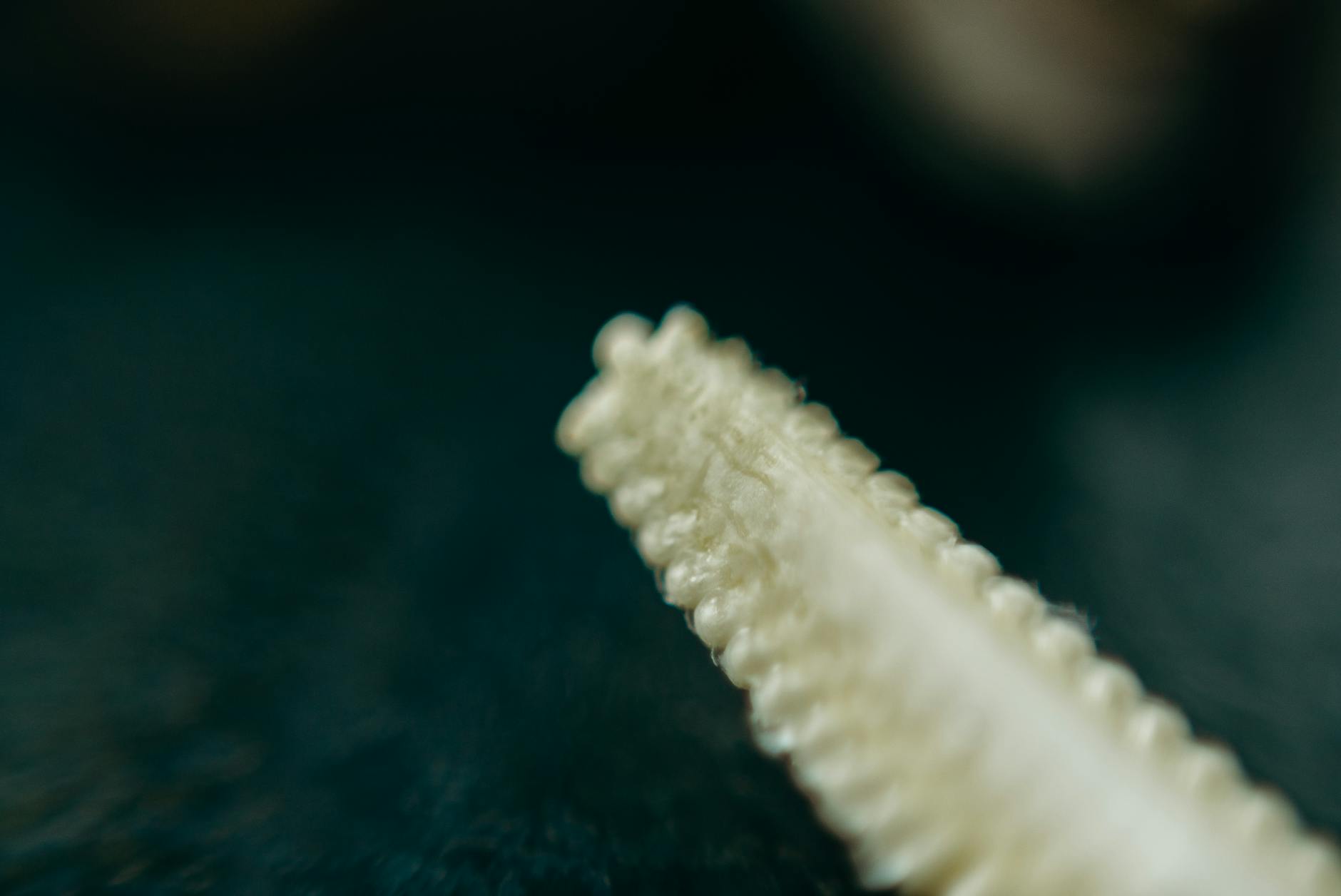
The technology behind Acropass relies on a clever mechanism: the active ingredients are literally solidified as microneedles, then dissolve gradually once inserted into skin. This structure allows the patch to bypass the outermost skin barrier and deposit beneficial compounds deeper into the dermis where active acne typically develops. The microneedles themselves are so small and precisely engineered that they don’t trigger the body’s typical wound response—they create microscopic channels rather than visible damage. To put this in perspective, a single human hair is roughly 70-100 micrometers in diameter, while Acropass microneedles measure about 25 micrometers. The patch stays in place through adhesive, keeping the needles at the optimal angle and depth for 2 to 8 hours depending on how long you wear it.
Once the needles dissolve, the remaining patch can be left on longer as an occlusive treatment, or removed. The dissolving action happens gradually, allowing steady ingredient release rather than a sudden surge. This penetration method differentiates Acropass from passive topical treatments (creams, serums) which struggle to penetrate the stratum corneum, the skin’s protective outer layer. Traditional pimple patches work by creating a moist environment and drawing out fluid through osmosis—helpful for whiteheads, but ineffective for deeper cystic acne. Acropass’s mechanical penetration means it reaches inflammation and bacteria that other over-the-counter options cannot reach.
Active Ingredients and How They Target Acne
The three primary active ingredients work as a coordinated system. hyaluronic acid draws moisture into the lesion, promoting the healing environment your skin needs to repair itself faster and reduce the risk of permanent scarring. Niacinamide, also known as vitamin B3, reduces sebum production and has proven anti-inflammatory properties—it calms the redness and swelling that makes acne visible and uncomfortable. Oligopeptide-76, the peptide newcomers often overlook, acts as the frontline defense against *Cutibacterium acnes* (formerly *Propionibacterium acnes*), the primary bacterium responsible for inflammatory acne. The advantage of delivering these ingredients via microneedles rather than surface application is dosage and efficacy.
A typical niacinamide serum might contain 4-5% of the ingredient, much of which is lost to evaporation or degradation before penetrating deep enough. By encapsulating these actives in the needle structure itself, Acropass ensures a higher concentration reaches the exact location where the problem exists. However, this precision comes with a caveat: the patch works best on localized lesions, not diffuse breakouts covering large facial areas or the chest and back. The moist healing environment the patch creates also prevents secondary infections—a legitimate concern with cystic acne, where the lesion is deeper and the temptation to pick or squeeze is higher. When you keep the area sealed and hydrated, your skin’s natural repair processes can work undisturbed.
Which Types of Acne Do These Patches Actually Treat?
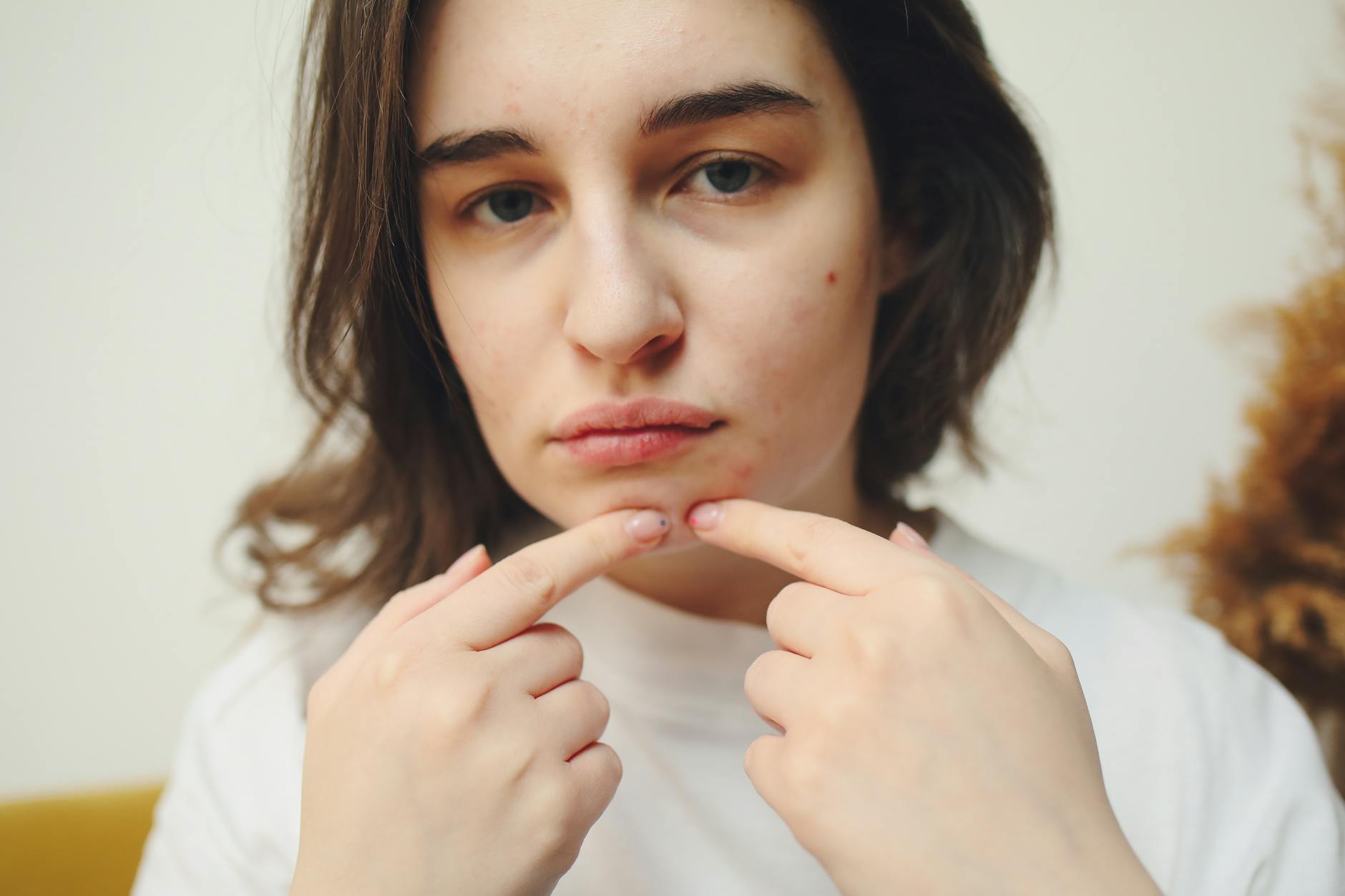
Acropass patches are effective on hormonal acne, whiteheads, blackheads, and notably, cystic acne—the severe, painful lesions that sit deep under the skin and take weeks to resolve on their own. This range is wider than typical drugstore patches, which primarily work on surface blemishes with visible pus. If you suffer from hormonal breakouts around your jawline or chin that flare around your menstrual cycle, these patches can genuinely reduce the inflammation and duration. The antimicrobial properties mean they address the bacterial component rather than just drying the skin surface. However, there are acne situations where microneedle patches won’t help.
If you have severe cystic acne in a widespread outbreak, the patch only treats the individual lesion you place it on—you’d need multiple patches simultaneously to cover an entire affected area, which isn’t practical or affordable for most people. Additionally, if your acne is primarily comedonal (blackheads and whiteheads with no inflammation), these patches offer minimal benefit over cheaper alternatives. Microneedle technology shines on inflamed, painful, deeper lesions that demand faster healing and scar prevention. For hormonal acne specifically, these patches work best as a targeted treatment rather than a preventive measure. If you notice you consistently break out in certain areas during your cycle, applying Acropass the moment you feel a lesion developing gives you the best chance of stopping it before it reaches full severity.
How to Use Acropass Patches for Maximum Results
The minimum wear time for Acropass patches is at least 2 hours, though wearing them for 6-8 hours overnight delivers noticeably better results. The longer the patch stays in place, the more time the microneedles have to dissolve and the active ingredients have to penetrate and work. Most users report seeing visible improvement in size and redness within a single overnight application, though the true test is whether the lesion scars or fades cleanly within a week. Application matters: your skin should be clean and dry before applying the patch. If you have serums or moisturizer on your skin, wash it off and let your face dry completely, otherwise the patch won’t adhere properly and the needle tips may not contact the skin uniformly.
Some users prep the area with a gentle salicylic acid or glycolic acid treatment beforehand to exfoliate the surface, allowing slightly better needle contact, though this isn’t required. After the patch comes off, treat the area normally—no need for anything special, though a gentle moisturizer won’t hurt. The patches come in various sizes and counts per box. The standard 24-patch box offers good value for those who use them regularly, while starter sizes work for occasional spot treatment. A practical comparison: drugstore patches cost roughly $8-12 for 10-15 pieces, while Acropass costs more per patch but typically costs less per unit when bought in bulk. The trade-off is that Acropass’s superior penetration often means you need fewer patches overall because each one genuinely accelerates healing.
Limitations and Realistic Expectations
Acropass patches work best on visible, isolated lesions. If you have acne across your forehead, cheeks, and jawline simultaneously, patching every single blemish isn’t feasible or affordable. Additionally, while the microneedles penetrate deeper than traditional patches, they’re still not addressing systemic acne causes—hormonal imbalance, dietary triggers, or genetic predisposition that leads to overproduction of sebum and bacteria. Using Acropass is a tool for damage control on individual lesions, not a treatment for the underlying acne condition. There’s also the question of unproven claims.
While the research supports the individual ingredients—hyaluronic acid hydrates, niacinamide reduces inflammation, and antimicrobial peptides kill bacteria—independent peer-reviewed clinical studies specifically proving Acropass’s overall efficacy are limited. Most available evidence comes from the manufacturer, retailer descriptions, and user reviews. This doesn’t mean the product doesn’t work; thousands of users report genuine improvement. It does mean you should approach claims of “clinical proven results” with appropriate skepticism until third-party research surfaces. One practical limitation: the patches are most effective on clean skin without heavy makeup or sunscreen already applied. If you need to cover a blemish with makeup for work or social reasons, applying the patch requires removing the makeup first or waiting until evening—not ideal when you want immediate coverage.
Awards and Market Recognition
Acropass Trouble Cure has won the Olive Young Awards for three consecutive years, with 2023 included among those wins, and was listed as an Olive Young best-seller in 2023. Olive Young is South Korea’s largest cosmetics retailer and awards program, making this recognition meaningful within the skincare community, though it reflects Korean market popularity specifically rather than global clinical validation. The multiple awards suggest consistent product quality and user satisfaction across years rather than a one-time success.
This recognition matters as a proxy for consumer trust, but it’s worth noting that awards are often based on sales volume and customer reviews rather than independent efficacy testing. The fact that the product consistently appears among best-sellers and earns repeat awards indicates users believe it delivers results, but it doesn’t replace clinical evidence. When evaluating new skincare products, market recognition can signal that a product is legitimate and not outright fraudulent, but should be weighed alongside personal results and expert review.
How Acropass Compares to Other Acne-Fighting Options
Acropass occupies a middle ground in acne treatment cost and effectiveness. Over-the-counter salicylic acid or benzoyl peroxide treatments are cheaper but work primarily on surface inflammation and early whiteheads. Prescription retinoids (tretinoin, adapalene) address deeper acne causes but require sustained use, can cause irritation, and don’t provide the immediate relief for a single painful cyst.
Acropass patches target the individual lesion with deep penetration at an accessible price point—typically $1-3 per patch depending on size and quantity purchased. As acne treatment options continue to evolve, microneedle technology represents a practical middle ground between passive topical treatments and prescription medication. Whether Acropass specifically will remain the market leader or whether competitors develop their own versions remains to be seen. For now, it remains the most recognized and accessible microneedle patch for acne on the consumer market.
Conclusion
Acropass Trouble Cure Microneedle Patches work by dissolving microneedles into skin to deliver hyaluronic acid, niacinamide, and the antimicrobial peptide oligopeptide-76 directly into inflamed acne lesions. They penetrate deeper than traditional pimple patches, making them effective on hormonal acne and cystic breakouts that other over-the-counter options miss. The mechanism creates a moist healing environment that reduces inflammation, kills bacteria, and lowers the risk of permanent scarring.
If you consistently develop painful, deep acne lesions and have found conventional patches ineffective, Acropass patches are worth trying—they address a real gap in acne treatment options. Start with a smaller box to test on a few blemishes before committing to bulk purchasing. Remember that these patches treat individual lesions, not the underlying condition causing your acne; they’re a valuable tactical tool alongside broader skincare and, if necessary, medical treatment.