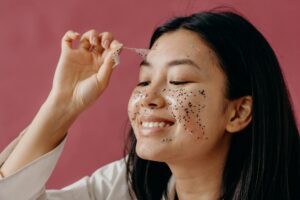
Acne doesn't discriminate by age. While many assume breakouts are a teenage problem, adults in their 40s, 50s, and beyond continue to struggle with persistent or recurring acne.
The difference is that treating acne after 40 requires a fundamentally different approach than the one-size-fits-all solutions marketed to teenagers. Your skin at 40 is dealing with multiple competing concerns: active breakouts, fine lines, loss of elasticity, and increased sensitivity.
This creates a unique challenge that demands treatments addressing both acne and the aging process simultaneously. Understanding how to treat acne after 40 is essential because the hormonal, structural, and physiological changes in mature skin mean that yesterday's acne remedies may no longer work—or worse, they may damage your skin further. This guide explores the most effective treatment strategies dermatologists recommend for adults over 40, helping you navigate the complex landscape of topical treatments, professional procedures, and lifestyle adjustments that deliver real results without compromising skin health.
Table of Contents
- Why Does Acne Persist or Return After 40?
- Topical Treatments That Work for Mature Acne-Prone Skin
- Hormonal Treatments for Women Over 40
- Professional Treatments for Stubborn or Severe Acne
- Adjusting Your Skincare Routine for Mature Acne-Prone Skin
- How to Apply This
- Expert Tips
- Conclusion
- Frequently Asked Questions
Why Does Acne Persist or Return After 40?
Adult acne in your 40s and beyond often stems from different causes than teenage acne, which fundamentally changes how treatment should work. Hormonal fluctuations remain a significant driver, particularly for women experiencing perimenopause or menopause.
Additionally, mature skin is more sensitive, more prone to dryness, and less forgiving of harsh treatments that worked during your younger years. The skin barrier becomes more compromised with age, making it more reactive to irritating ingredients.
At the same time, your skin's natural cell turnover slows, which can trap bacteria and dead skin cells in pores. This creates a paradox: you need effective acne treatments, but your skin can't tolerate the aggressive approaches that might have worked at 20. Understanding these age-specific factors is crucial because they determine which treatments will be most effective and safest for your skin.
Topical Treatments That Work for Mature Acne-Prone Skin
Topical treatments remain the foundation of adult acne management and are the most widely used and effective option for treating moderate acne while maintaining skin health. The key difference from teenage acne treatment is selecting ingredients that target breakouts without stripping or irritating mature skin. Dermatologists recommend several active ingredients specifically for adult acne.
Adapalene, a retinoid, helps clear blackheads, whiteheads, and pimples while also addressing fine lines and wrinkles. Azelaic acid is recommended as a first-line treatment for both non-inflammatory and inflammatory acne, with the added benefit of fading dark spots left behind by acne. Benzoyl peroxide remains effective for mild pimples, though dermatologists suggest starting with 2.5% concentration rather than higher strengths to avoid excessive dryness and irritation in mature skin.
Salicylic acid works best on whiteheads and blackheads by unclogging pores and exfoliating the skin. The critical difference in mature skin is that retinoids deserve special attention. Retinoids like Retin A, Differin, and Tazorac unplug pores and prevent acne while simultaneously providing anti-aging benefits by promoting cell turnover and reducing fine lines and wrinkles. This dual-action approach makes them particularly valuable for anyone over 40 dealing with both acne and visible signs of aging.
- Retinoids address acne while combating fine lines, wrinkles, and skin texture changes
- Azelaic acid fights acne and fades post-inflammatory hyperpigmentation
- Lower concentrations of benzoyl peroxide (2.5%) minimize irritation in sensitive mature skin
Hormonal Treatments for Women Over 40
For women, hormonal therapy represents a powerful option that addresses acne at its source rather than just treating symptoms. Oral contraceptives and anti-androgen medications can regulate oil production and reduce acne by targeting hormonally-driven breakouts, which are particularly common in adults. Spironolactone, an anti-androgen medication, has demonstrated efficacy in treating adult female acne and can be especially helpful during perimenopause when hormonal fluctuations intensify breakouts.
These systemic treatments work synergistically with topical products, accelerating results and reducing treatment duration. For women experiencing hormonal acne related to menstrual cycles or approaching menopause, discussing hormonal options with a dermatologist can be transformative. The advantage of hormonal treatments is that they address the underlying cause rather than just managing symptoms, potentially leading to longer-lasting improvement.
- Oral contraceptives regulate oil production and reduce hormonally-driven breakouts
- Spironolactone targets anti-androgen pathways without requiring periodic potassium monitoring in healthy women
- Hormonal treatments work best when combined with topical acne medications

Professional Treatments for Stubborn or Severe Acne
When over-the-counter and prescription topical treatments don't deliver adequate results, professional treatments offer powerful alternatives. Chemical peels, microneedling, and laser therapies can target acne while simultaneously addressing aging skin concerns. Laser treatments are particularly valuable because they reduce inflammation while stimulating collagen production, improving both acne and overall skin health and appearance.
For more severe cases, dermatologists may prescribe oral antibiotics such as minocycline, which work faster and more effectively than topical antibiotics for inflamed pustular acne. These medications have a good safety record, though the goal is typically to taper off oral antibiotics as acne subsides and transition to topical maintenance treatments. In the most severe cases unresponsive to conventional treatments, isotretinoin (Accutane) may be considered, though it requires careful monitoring due to potential side effects.
Adjusting Your Skincare Routine for Mature Acne-Prone Skin
Adult skin requires a fundamentally gentler approach than the aggressive cleansing and drying routines that may have worked in your youth. Your skincare routine should prioritize maintaining skin barrier health while treating acne, a balance that becomes increasingly important after 40. Use a mild, gentle cleanser that won't strip your skin of essential moisture, and select non-comedogenic moisturizers specifically formulated to hydrate without clogging pores.
Sunscreen is non-negotiable—choose a formula designed for sensitive skin to prevent irritation and breakouts while protecting against UV damage that accelerates aging. Avoid toners and astringents, which add little benefit and can excessively dry mature skin. Similarly, heavy moisturizers can clog pores, so opt for lightweight lotions, particularly those with sunscreen for daytime use.
How to Apply This
- Start with a single active ingredient product containing adapalene, azelaic acid, benzoyl peroxide (2.5%), or salicylic acid, depending on your acne type and skin sensitivity
- Use your chosen product for 6 to 8 weeks as directed, applying a thin layer to the entire acne-prone area rather than just visible blemishes to prevent future breakouts
- Pair your acne treatment with a gentle cleanser, non-comedogenic moisturizer, and daily sunscreen to protect your skin barrier
- If results are insufficient after 8 weeks or acne is severe, consult a dermatologist about hormonal treatments, oral antibiotics, or professional procedures like laser therapy or chemical peels
Expert Tips
- Apply acne medication to your entire acne-prone area, not just visible blemishes, to treat existing acne and prevent the next breakout
- Start with lower concentrations of potentially irritating ingredients like benzoyl peroxide (2.5%) and increase only if your skin tolerates it well
- Combine topical acne treatments with hormonal therapy if you're a woman experiencing hormonal fluctuations, as the synergistic effect accelerates results
- Expect results to take time—topical retinoids work over weeks to months, so patience and consistency are essential for success
Conclusion
Treating acne after 40 is entirely achievable, but it requires abandoning the harsh, one-dimensional approaches that may have worked in your youth. The most effective strategy combines targeted topical treatments—particularly retinoids and azelaic acid—with a skincare routine designed to support rather than compromise your skin barrier. For many adults, especially women, adding hormonal therapy or professional treatments can dramatically improve results when over-the-counter options fall short.
The key to success is working with a dermatologist who understands that your skin is dealing with multiple competing concerns simultaneously. With the right combination of treatments tailored to your specific acne type, skin sensitivity, and aging concerns, you can achieve clearer, healthier skin while simultaneously addressing fine lines, wrinkles, and other signs of aging. Acne after 40 doesn't have to be a permanent fixture of your life.
Frequently Asked Questions
How long does it take to see results from acne treatments after 40?
Most topical acne treatments require 6 to 8 weeks of consistent use before you see meaningful improvement. Retinoids may take weeks to months to show full benefits, though some treatments like benzoyl peroxide can show faster results. Patience and consistency are essential, as discontinuing treatment prematurely prevents you from reaching optimal results.
Can I use the same acne treatments I used as a teenager?
Not necessarily. Mature skin is more sensitive and more prone to dryness, so harsh treatments that worked at 20 may damage your skin barrier at 40. Dermatologists recommend lower concentrations of potentially irritating ingredients and emphasize gentler cleansing and moisturizing routines designed to support skin health while treating acne.
Are hormonal treatments safe for women over 40?
Yes, hormonal treatments like oral contraceptives and spironolactone have good safety records and can be particularly effective for women experiencing hormonal acne related to perimenopause or menopause. Spironolactone does not require periodic potassium monitoring in healthy women without kidney disease or other medications that increase potassium levels. Discuss your individual health history with your dermatologist to determine which option is safest for you.
What should I do if over-the-counter treatments aren't working?
If acne persists after 8 weeks of consistent treatment with over-the-counter products, consult a dermatologist. They can prescribe stronger topical treatments, oral antibiotics, hormonal therapy, or professional procedures like laser therapy or chemical peels that address both acne and aging skin concerns simultaneously.