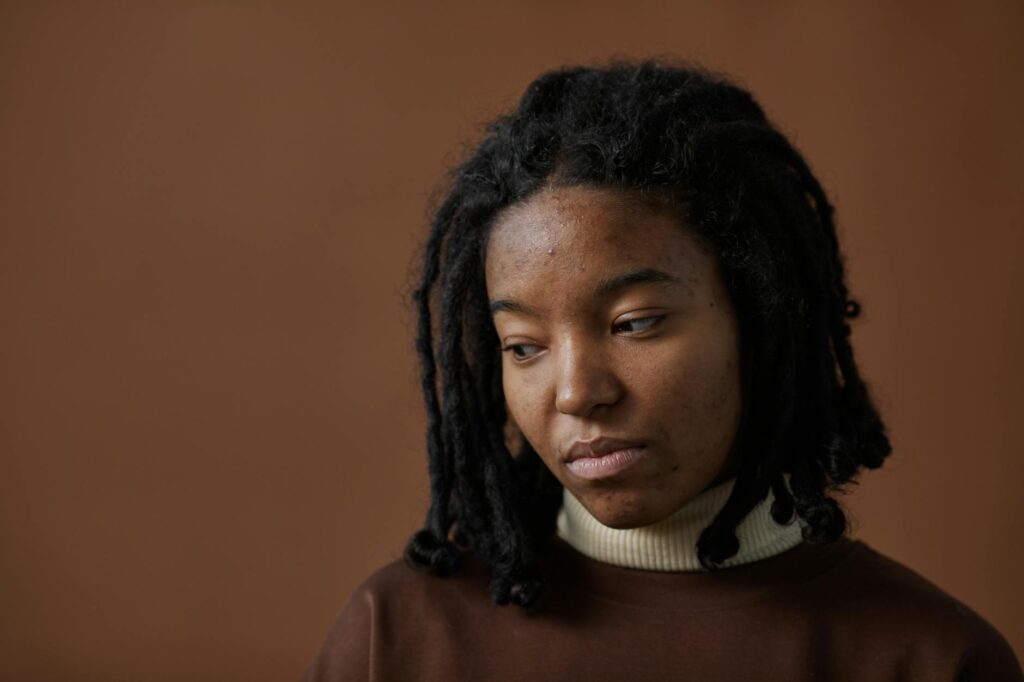
In adults, acne social anxiety looks like canceled plans, avoided mirrors, and a slow retreat from the parts of life that require being seen. It is the thirty-four-year-old woman who calls in sick on a breakout day, the man who angles his face away from coworkers during a meeting, the professional who declines a promotion because it involves public speaking and she cannot stop thinking about the cyst on her chin. Research confirms this is not vanity or weakness. Studies show that 68% of acne patients avoid social activities during flare-ups, and 57% report that acne has negatively affected their careers or schooling. The psychological burden is measurable, persistent, and often invisible to the people around them.
What makes adult acne social anxiety particularly corrosive is that it operates in silence. Adolescents with acne have company — their peers are breaking out too, and there is a cultural script that says it will pass. Adults with acne have no such comfort. Research published in the *Journal of Clinical and Aesthetic Dermatology* found that adult acne patients report mental health consequences that are magnified compared to adolescence precisely because they have fewer peers dealing with the same condition and feel more isolated as a result. Over 71% of adult women with acne report experiencing anxiety or depression, with three-quarters describing feelings of frustration, diminished confidence, and social withdrawal. This article covers the specific behavioral patterns of acne-related social anxiety in adults, the ways it infiltrates dating and career life, how it differs between men and women, what recent research from 2024 through 2026 reveals about appearance-based social avoidance, and what clinicians and patients can actually do about it.
Table of Contents
- How Does Social Anxiety from Acne Manifest Differently in Adults Than in Teenagers?
- The Dating and Relationship Toll That Nobody Talks About
- How Acne Social Anxiety Disrupts Careers and Professional Life
- What the Research Says About Treatment — Skin and Mind Together
- Gender Differences in Acne Social Anxiety — and Why They Matter
- The Correlation Between Acne Severity and Mental Health Is Stronger Than Most People Realize
- Where Research Is Heading — and What It Means for Adults with Acne Now
- Conclusion
- Frequently Asked Questions
How Does Social Anxiety from Acne Manifest Differently in Adults Than in Teenagers?
The most common misconception is that acne is a teenage problem and that its psychological effects belong to adolescence. In reality, acne social anxiety in adults tends to be quieter, more entrenched, and harder to identify — partly because adults are better at hiding it. A teenager might refuse to go to school. An adult is more likely to attend the meeting but spend the entire time convinced that everyone in the room is staring at her jawline. Studies comparing acne patients to healthy controls have found significantly higher social anxiety, social avoidance, general anxiety, depression, and negative automatic thoughts among those with acne, along with significantly lower self-esteem. These are not adolescent growing pains. They are clinically significant psychological patterns that persist and sometimes worsen with age. The behavioral signs in adults tend to cluster around avoidance.
During flare-ups, adults cancel social commitments, avoid eye contact, position themselves strategically in rooms, and develop elaborate routines around concealer and lighting. Some develop what researchers describe as permanent avoidant personality traits — meaning the anxiety does not resolve when the acne clears. The avoidance becomes the default. A 2025 multicenter study conducted in East China found that higher anxiety levels were directly linked to increased social avoidance behavior, and that dissatisfaction with appearance predicted stronger tendencies to withdraw from social interactions. Cultural factors amplify this — in societies where the concept of “face” carries significant social weight, the burden of visible acne becomes even heavier. It is worth noting that not all adults with acne develop social anxiety. Severity matters, but not always in the way you might expect. A person with mild but persistent acne on visible areas like the cheeks or forehead may experience more social anxiety than someone with moderate acne on the back or chest. Location, visibility, and personal history with the condition all shape the psychological response.
The Dating and Relationship Toll That Nobody Talks About
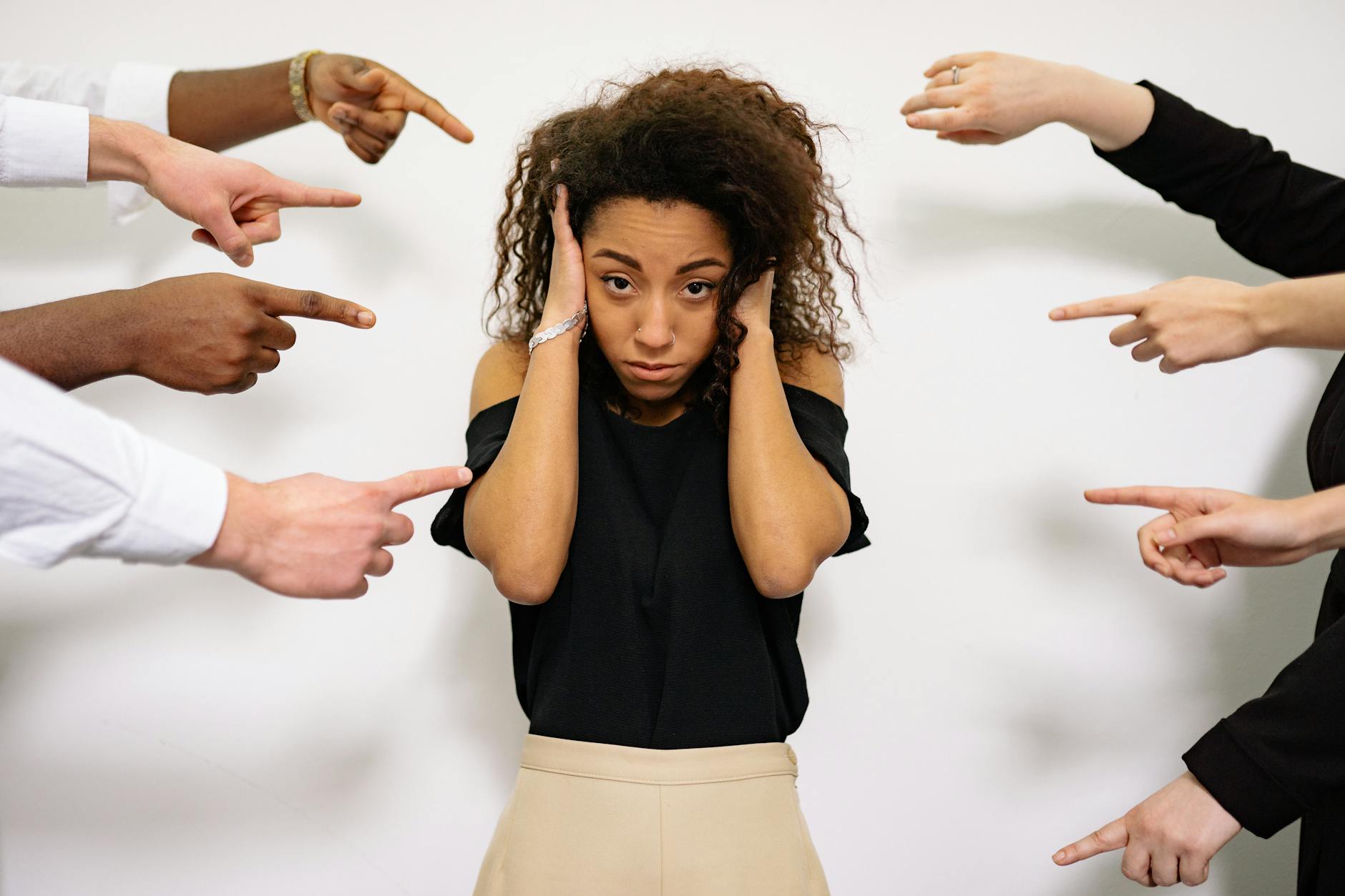
Acne-related social anxiety strikes hardest in the areas of life where vulnerability is required — and dating is at the top of that list. Twenty-six percent of acne patients report missing dating opportunities specifically because of appearance-related insecurities. Broader survey data suggests that 25% of Americans have canceled dates due to blemish-related concerns, and 30% say acne influences their willingness to marry. These are not trivial numbers. They represent real decisions — relationships that never began, connections that were severed by self-consciousness before they could develop. The pattern often looks like this: a flare-up triggers cancellation of plans, which triggers guilt, which triggers isolation, which worsens the flare-up through stress. Adults in the dating world are already navigating rejection and vulnerability.
Adding acne to that equation creates a compounding loop where the fear of judgment becomes more powerful than the desire for connection. One limitation worth noting is that most of this research captures self-reported avoidance, not objective measurement of how others actually perceive acne. Studies on attractiveness perception consistently show that people overestimate how much others notice their skin. However, knowing this intellectually does not undo the anxiety — the gap between what you know rationally and what you feel viscerally is exactly where social anxiety lives. For adults in long-term relationships, the anxiety does not necessarily disappear. some report avoiding intimacy during breakouts, sleeping with makeup on, or becoming irritable and withdrawn in ways that strain the partnership. The shame is not always about being seen by strangers. Sometimes it is about being seen by the person who knows you best.
How Acne Social Anxiety Disrupts Careers and Professional Life
The workplace is where acne social anxiety becomes an economic problem. Fifty-seven percent of acne patients report negative effects on their careers or schooling — they feel too distracted by their appearance to concentrate, too self-conscious to perform well in job interviews, and too anxious to deliver presentations. A 2025 study on stigmatization by Tunca and colleagues found that perceived stigma leads acne patients to avoid not only social interactions but also academic settings and work environments, extending acne’s impact well beyond the skin itself. Consider the adult professional who avoids video calls on bad skin days, who turns down client-facing roles, or who spends the first ten minutes of every meeting internally cataloging whether anyone has glanced at her breakout. These behaviors have real career consequences.
Missed opportunities for visibility, reluctance to network, and reduced confidence in negotiations all quietly erode professional trajectory. The person may never articulate that acne is the reason — they may not even fully recognize it themselves — but the pattern of avoidance shapes their career in ways that compound over years. One specific example that dermatologists and therapists report hearing frequently: adults who have finally cleared their acne through treatment but continue to behave as though they still have it. They still avoid photos, still check mirrors compulsively, still brace for judgment when entering a room. This residual anxiety — sometimes described as “phantom acne” in informal clinical discussions — illustrates that the social anxiety can outlast the skin condition that triggered it.
What the Research Says About Treatment — Skin and Mind Together
The most actionable insight from recent research is that treating acne and treating the anxiety are not separate problems. The British Journal of Dermatology recommends that clinicians pursue aggressive acne treatment while also integrating brief anxiety screening and psychosocial interventions into dermatological care. The rationale is straightforward: depression and anxiety prevalence in acne patients exceeds 40%, suicidal ideation affects 12.3% of acne patients, and the risk of major depressive disorder is highest within the first year of an acne diagnosis. The tradeoff that patients and clinicians face is between speed of skin clearance and the psychological timeline. Isotretinoin, for instance, can produce significant clearance within months, but the treatment itself carries mood-related side effects that require monitoring.
Topical regimens may be gentler on mood but take longer to produce visible results, during which the social anxiety continues unabated. There is no single right answer — the choice depends on severity, mental health history, and patient preference — but the key point is that dermatologists who treat acne without acknowledging the anxiety are addressing only half the problem. A 2026 study published in the *Journal of Cosmetic Dermatology* confirmed significant quality-of-life impairment and heightened social appearance anxiety among young adults with acne, even when generalized anxiety and depression were not independently associated with acne severity. In other words, you can have acne-specific social anxiety without meeting criteria for a clinical anxiety disorder, and that anxiety still meaningfully damages your quality of life. Cognitive behavioral therapy has shown consistent efficacy for social anxiety disorder broadly, and dermatology-specific CBT programs — though still relatively rare — are emerging as a treatment model. The combination of effective acne treatment and targeted psychological support produces better outcomes than either alone.
Gender Differences in Acne Social Anxiety — and Why They Matter
The psychological impact of acne does not land equally on men and women, and the differences have clinical implications. Among adult women with acne, 71 to 73% report experiencing anxiety or depression, with over 75% describing frustration, diminished confidence, and social withdrawal. Women carry a disproportionate share of the emotional burden partly because societal beauty standards place greater emphasis on female skin quality, and partly because adult acne in women is more likely to be hormonal, persistent, and resistant to standard treatments. Men, however, face a different and in some ways more dangerous pattern. Research published in *Dermatological Reviews* found that boys and men with acne appear more likely to contemplate suicide than women, despite women reporting higher overall anxiety and depression scores. This discrepancy likely reflects the broader pattern in mental health where men are less likely to report distress, less likely to seek help, and more likely to move from ideation to action.
For clinicians, this means that a male acne patient who seems unbothered may be at greater risk than he appears. The warning here is against assuming that acne social anxiety follows a single template. A woman may present with visible distress, canceled appointments, and tearful discussions about her skin. A man may present with nothing more than a shrug and a missed follow-up. Both may be experiencing clinically significant social anxiety. Screening tools need to account for these differences, and the people around acne patients — partners, friends, colleagues — should understand that silence is not the same as absence of suffering.
The Correlation Between Acne Severity and Mental Health Is Stronger Than Most People Realize
Researchers have quantified the relationship between acne and mental health using correlation analyses, and the numbers are striking. A study published in *Nature Scientific Reports* found strong positive correlations between acne and depression (r = 0.630), anxiety (r = 0.661), and stress (r = 0.758). To put that in context, correlations above 0.5 are generally considered strong in psychological research. The stress correlation of 0.758 is particularly notable — it suggests that acne and stress are deeply intertwined in a bidirectional cycle where each worsens the other.
This matters for treatment because it means that stress management is not a peripheral concern for acne patients — it is central. An adult whose acne flares under stress, who then becomes more stressed about the flare-up, who then breaks out further, is caught in a feedback loop that topical treatments alone cannot break. UK data tracking acne patients over 15 years found that 18.5% developed major depressive disorder, compared to 12% in the general population, with the risk highest in the first year after diagnosis. Early, comprehensive intervention matters.
Where Research Is Heading — and What It Means for Adults with Acne Now
The most encouraging trend in recent acne research is the growing recognition that skin conditions are mental health conditions. The 2025 and 2026 studies cited throughout this article reflect a shift in how dermatology approaches acne — not as a cosmetic nuisance but as a condition with documented psychological consequences that warrant integrated care. The East China multicenter study, the Tunca stigmatization research, and the 2026 quality-of-life study all point in the same direction: social appearance anxiety is a core feature of the acne experience, not a side effect. For adults living with acne social anxiety right now, the practical takeaway is this: what you are experiencing is documented, common, and treatable.
It is not a character flaw. It is not something you should be able to think your way out of. If your dermatologist is not asking about your mental health, bring it up yourself. If your therapist does not understand the specific weight of a visible skin condition, find one who does. The research is clear that acne social anxiety responds to treatment — both dermatological and psychological — and that the worst outcomes are associated with silence and isolation.
Conclusion
Acne social anxiety in adults is a pattern of avoidance, self-consciousness, and withdrawal that touches every domain of life — relationships, career, self-image, and daily functioning. The research confirms what many adults with acne already know from experience: it is not just about the skin. With 68% of patients avoiding social activities during flare-ups, over 57% reporting career impacts, and depression and anxiety prevalence exceeding 40%, the scale of the problem is significant and well-documented.
The path forward involves treating the skin and the anxiety simultaneously, recognizing that the two are deeply connected, and refusing to accept the outdated idea that adult acne is a minor cosmetic issue. If you are an adult dealing with acne-related social anxiety, start by naming it — to yourself, to your dermatologist, to someone you trust. The evidence says that early, integrated treatment produces the best outcomes, and that the greatest risk factor for worsening mental health is doing nothing at all.
Frequently Asked Questions
Can acne social anxiety persist even after the skin clears up?
Yes. Many adults report continued avoidance behaviors, mirror-checking, and social anxiety even after successful acne treatment. The behavioral patterns can become ingrained, which is why psychological support alongside dermatological treatment is recommended.
Is acne-related social anxiety the same as social anxiety disorder?
Not necessarily. A 2026 study found that adults with acne can experience significant social appearance anxiety without meeting the full diagnostic criteria for generalized anxiety disorder or social anxiety disorder. However, acne can also trigger or worsen a pre-existing anxiety disorder.
Are men or women more affected by acne social anxiety?
Women report higher rates of anxiety and depression related to acne — 71 to 73% of adult women with acne experience these symptoms. However, men with acne are more likely to experience suicidal ideation, making screening important for both genders.
Should I ask my dermatologist about mental health?
Absolutely. Clinical guidelines now recommend integrating brief anxiety screening into dermatological care for acne patients. If your dermatologist does not raise the topic, bring it up yourself — especially if you are avoiding activities or experiencing persistent low mood.
Does the severity of acne determine the severity of social anxiety?
Not always. While there are strong correlations between acne severity and anxiety, some adults with mild but visible acne experience significant social anxiety, while others with more severe acne on non-visible areas cope better. Visibility, location, and personal history all play a role.