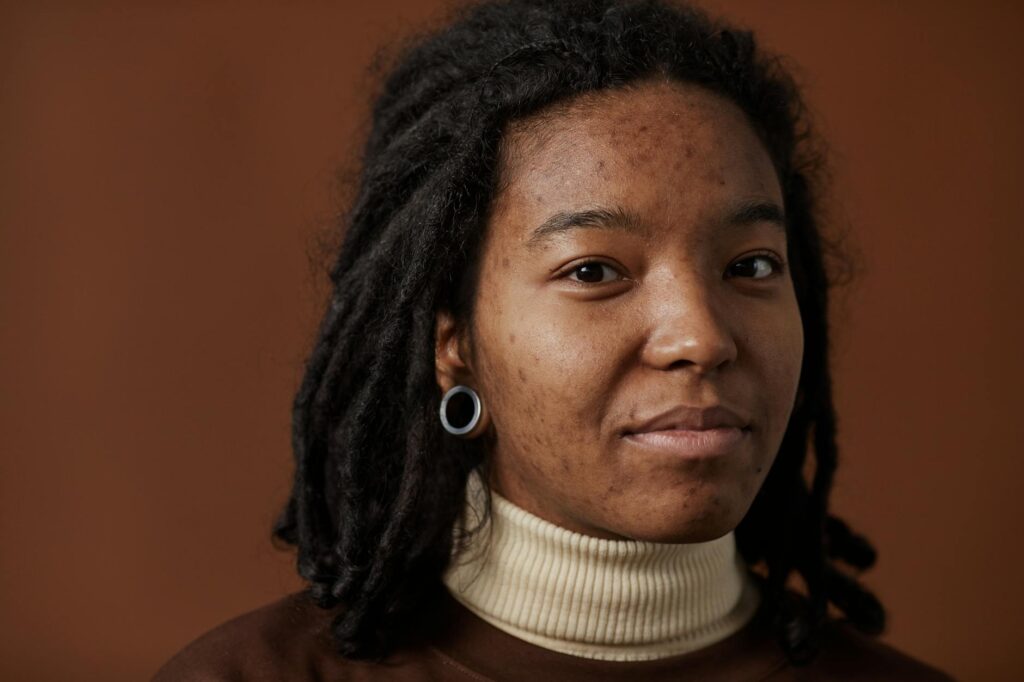
Acne in adults over 25 is far more common than most people realize. Nearly one in five adults aged 25 to 39 struggle with acne, while roughly one in ten adults in their 40s and 50s continue to experience breakouts. The picture is strikingly different between genders: women account for the overwhelming majority of adult acne cases, with 20% of women in their late 20s and early 30s affected compared to just 8% of men in the same age group. This isn’t a small cosmetic concern relegated to teenagers—adult acne affects millions globally and is becoming increasingly common, with cases rising by two-thirds over the past three decades.
The prevalence of acne in older adults challenges the long-held assumption that breakouts are purely a teenage problem. Whether you’re 26 or 56, the odds that acne will affect your skin at some point are surprisingly high. This article examines what we know about adult acne prevalence, who is most at risk, how rates vary across the globe, and what these trends tell us about the future of skincare for aging populations. Understanding the scope of adult acne helps normalize the experience for millions of people managing breakouts well into middle age.
Table of Contents
- How Many Adults Over 25 Actually Have Acne Right Now?
- The Global Rise in Adult Acne Over the Past 30 Years
- Geographic Hotspots—Where Adult Acne Is Most Prevalent
- Why Women Carry a Disproportionate Acne Burden in Adulthood
- The Physical and Psychological Impact of Adult Acne on Quality of Life
- How Acne in Your 40s and 50s Differs From Younger Adult Acne
- The Future of Adult Acne—What Rising Prevalence Means for Dermatology and Personal Care
- Conclusion
How Many Adults Over 25 Actually Have Acne Right Now?
The most straightforward measure of adult acne comes from epidemiological surveys. Community-based studies of people over 25 show that roughly 12% of women and 3% of men have clinical facial acne at any given time. This disparity is consistent across research: women experience acne at four times the rate of men in the adult population. When we look at specific age groups, the numbers climb higher in younger adults—19.3% of people aged 25 to 39 report having acne, while the rate drops to 9.3% for those aged 40 to 64. This means nearly one in five young adults is dealing with active breakouts, yet many still feel isolated by the condition.
The gender gap widens even further when we examine retention rates. Research tracking women across decades shows that 50% of women in their 20s have acne, 33% in their 30s, and still 25% in their 40s continue to experience breakouts. For men, the comparable figures are roughly 18%, 10%, and 5%. This persistent prevalence in women reflects the complex interplay of hormonal cycles, genetics, and skin sensitivity that doesn’t simply resolve after the teenage years. Unlike the common narrative that acne is a teenage rite of passage that adults outgrow, the data reveals a different reality: many adults are managing active breakouts decades after their high school years.

The Global Rise in Adult Acne Over the Past 30 Years
One of the most striking trends in dermatology is the dramatic increase in acne cases worldwide. Between 1990 and 2021, the global incidence of adult acne rose by 66.6%, translating to over 20 million documented cases by 2021 alone. This wasn’t a marginal shift—it was a substantial epidemic-level increase in a condition many assumed was declining. Researchers project that these numbers will continue climbing through 2030, suggesting we haven’t yet reached the peak of adult acne prevalence. The burden goes beyond cosmetic concerns: disability-adjusted life years (DALYs) related to acne increased by 66.2% over the same period, indicating that adult acne significantly impacts quality of life, work, and mental health.
However, it’s important to note that part of this increase reflects better detection and reporting rather than purely biological changes. As dermatology becomes more accessible and awareness of adult acne grows, more people seek diagnosis and treatment. That said, the consistency and magnitude of the increase across diverse populations suggests that genuine environmental, lifestyle, or physiological shifts are occurring. Pollution, stress levels, dietary patterns, and the rise of synthetic skincare products may all contribute to the trend. Whatever the underlying causes, the data is unambiguous: acne is becoming a more common experience in adult life than it was a generation ago.
Geographic Hotspots—Where Adult Acne Is Most Prevalent
Acne prevalence is not equally distributed across the world. Latin America leads with a 23.9% prevalence rate among adults, followed by East Asia at 20.2%. Africa (18.5%) and the Middle East (16.1%) also report elevated rates, while Europe (9.7%) and Australia (10.8%) show some of the lowest prevalence globally. These geographic differences likely reflect a combination of genetic predisposition, climate, lifestyle factors, and healthcare infrastructure. For example, higher rates in tropical and subtropical regions may relate to heat, humidity, and sweating patterns that create ideal conditions for acne-causing bacteria to thrive.
Urbanization and Western dietary patterns, which are more prevalent in certain regions, may also contribute to higher rates. The variation matters because it complicates the idea of a one-size-fits-all treatment approach. Someone managing acne in a humid, high-pollution urban environment in East Asia may face different challenges than an adult in a European city with lower air humidity and different seasonal patterns. Water quality, air pollution levels, and the prevalence of certain bacterial strains also vary geographically and could influence how acne develops and responds to treatment. Understanding these regional patterns helps explain why some acne treatments perform better in certain populations and why international comparisons of skincare product efficacy can yield conflicting results.
Why Women Carry a Disproportionate Acne Burden in Adulthood
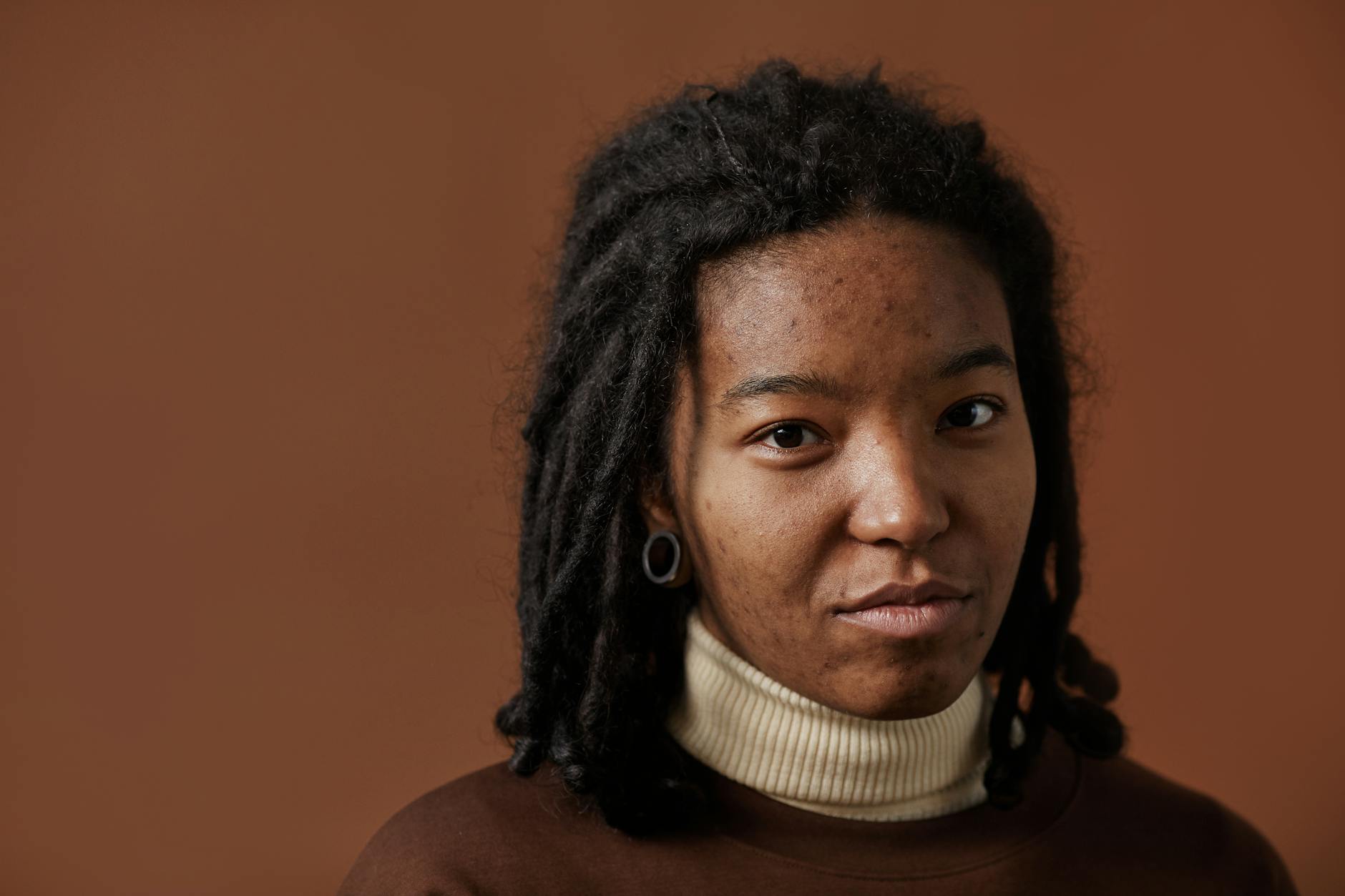
The gender divide in adult acne is the most consistent finding across all prevalence studies. Globally, women report acne at a rate of 23.6% compared to 17.5% for men—a difference of about 6 percentage points that holds across most age groups and regions. Hormonally, women are uniquely vulnerable to acne throughout their reproductive years because estrogen and progesterone fluctuate cyclically, and some women’s skin responds to these hormonal shifts by increasing sebum production or inflammatory reactions. Many women experience flare-ups timed to their menstrual cycle, particularly in the week before menstruation when progesterone drops and androgens (male hormones present in both genders) become relatively more influential.
Beyond hormones, women’s skincare routines and product exposure may inadvertently trigger or worsen acne. Heavy foundations, contouring products, and elaborate skincare layering—promoted aggressively to women—can clog pores and irritate skin. Conversely, women who discontinue birth control pills or switch to different formulations often experience sudden acne flares as hormonal support is removed. Men, while less frequently affected overall, may develop acne triggered by specific causes like excessive gym supplementation, certain medications, or occupational exposures. The key distinction is that women’s acne is often hormonally driven and cyclical, making it more persistent and harder to predict, whereas men’s adult acne is typically related to external triggers that can sometimes be more easily identified and controlled.
The Physical and Psychological Impact of Adult Acne on Quality of Life
While acne is sometimes dismissed as a cosmetic issue, research consistently shows that adult acne significantly impacts mental health, work satisfaction, and social relationships. The 66.2% increase in DALYs (a measure combining years of life lost to premature death and years lived with disability) between 1990 and 2021 reflects the real suffering that acne causes beyond the physical symptoms. Adults report reduced confidence in professional settings, anxiety about social interactions, and shame that can rival the psychological burden of much more serious medical conditions. For many, the impact isn’t just emotional—it’s practical.
Some adults avoid promotions requiring public-facing roles, skip social events, or delay dating and relationship formation due to acne-related self-consciousness. The psychological toll can also create a vicious cycle: stress exacerbates acne through hormonal pathways and inflammatory responses, and acne-related stress worsens the condition further. This means that solving adult acne isn’t purely a dermatological problem—it requires attention to stress management, realistic expectations about treatment timelines, and sometimes professional mental health support. The prolonged duration of acne (often spanning decades) means that adults have already invested years in managing the condition by the time they reach 25, which can lead to treatment fatigue and skepticism toward new solutions. Understanding that the burden is real and substantial helps explain why adult acne sufferers are so motivated to find effective treatments and why quality-of-life metrics are increasingly important in evaluating acne therapies.
How Acne in Your 40s and 50s Differs From Younger Adult Acne
As adults age into their 40s and beyond, the nature of acne shifts subtly. While prevalence drops—9.3% of adults 40 to 64 have acne versus 19.3% of 25 to 39 year-olds—the acne that does persist tends to be more resistant and often triggered by different mechanisms. Hormonal fluctuations become even more pronounced for women entering perimenopause and menopause, when estrogen decline can paradoxically trigger breakouts despite lower overall hormonal activity. Meanwhile, men’s acne in this age group is typically sparse and often associated with rosacea or other inflammatory skin conditions rather than classic comedonal acne.
Aging skin also means that acne treatments like isotretinoin (Accutane) or certain oral antibiotics carry higher risks of side effects, and the skin barrier is generally more fragile and slower to heal. This requires a more conservative, targeted approach to acne management in older adults. Someone treating acne at 45 can’t always use the same aggressive protocols that work for a 26-year-old without risking significant irritation or systemic side effects. The upside is that severe cystic acne becomes progressively rarer with age, so many people managing acne in their 40s and 50s deal with milder, less inflammatory forms that respond better to gentle topical treatments and hormonal regulation.
The Future of Adult Acne—What Rising Prevalence Means for Dermatology and Personal Care
If current trends continue, adult acne will become an even more normalized and prevalent part of the adult experience by 2030. Dermatologists and skincare companies are already shifting focus toward adult-specific acne treatments, with new formulations designed for thinner, more reactive adult skin. The cosmetic industry is investing heavily in acne-safe makeup and skincare lines marketed directly to adults, a category that barely existed 20 years ago. This shift reflects an important recognition: acne isn’t going away in the adult population, so treatment approaches must evolve accordingly.
The rising incidence also raises important public health questions. Is modern life—stress, pollution, processed food, synthetic products—driving the increase, or are demographic shifts and better diagnosis responsible? Answering these questions could shape prevention strategies. For now, the practical takeaway is that experiencing acne as an adult is increasingly common and increasingly understood by healthcare providers and product manufacturers. The stigma around adult acne is fading as the prevalence data makes clear: this isn’t an individual failing or a sign of poor hygiene. It’s a widespread, documented dermatological condition affecting tens of millions of adults globally, and that shift in perspective offers both validation and hope for those managing breakouts well into middle age.
Conclusion
Adult acne is far more prevalent than popular culture suggests. Nearly one in five young adults aged 25 to 39 experience acne, with women affected at rates double or triple those of men. Over the past 30 years, global acne incidence has surged by two-thirds, and the trend shows no signs of reversing. These aren’t outliers or unusual cases—they represent millions of adults worldwide managing an ongoing dermatological condition that affects their confidence, mental health, and quality of life.
The persistence of acne into the 30s, 40s, and beyond is medically documented, geographically widespread, and increasingly recognized as a distinct clinical challenge separate from teenage acne. If you’re an adult dealing with acne, the prevalence data offers perspective: you’re not alone, and your experience is increasingly validated by research and clinical practice. The dermatological and skincare industries are evolving to address adult acne specifically, with new treatments and approaches designed for adult skin. Whether your acne is hormonally driven, environmentally triggered, or rooted in genetics, understanding that you’re part of a large global population can help shift the conversation from shame to pragmatic problem-solving.