Acne doesn’t just affect your skin—it fundamentally shapes how teenagers interact with their peers, perceive themselves, and navigate the critical developmental years that set the stage for adult mental health. The evidence is stark: teenagers with acne experience lasting impacts on their social confidence, mental health, and relationships that can persist well into adulthood. A 16-year-old named Marcus, for example, went from being socially active in his freshman year to declining party invitations and sitting alone at lunch by his junior year, not because of any change in his personality but because acne made him feel too self-conscious to engage. This article explores the documented long-term consequences of adolescent acne—from the immediate social withdrawal to the serious mental health conditions that can develop and follow teenagers into adulthood—and why early intervention matters far more than many parents and teens realize.
The research is comprehensive and sobering. Acne affects 85% of adolescents at some point, making it one of the most common conditions of the teenage years. Yet despite its prevalence, the psychological and social damage it causes is often minimized as a superficial concern. It’s not. Studies show that acne-related social anxiety and depression can have lasting effects that extend well beyond the teenage years, influencing everything from academic performance to long-term relationship patterns and career confidence.
Table of Contents
- Why Acne Is More Than Skin-Deep for Teenagers
- The Mental Health Crisis Behind Acne: Depression and Anxiety
- Dating, Relationships, and the Long-Term Social Cost of Untreated Acne
- Why Adolescent Girls Are Hit Harder Than Boys
- The Scarring Problem—Physical Reminders of a Painful Time
- Breaking the Cycle: How Acne Treatment Improves Mental Health
- Long-Term Effects Into Adulthood: The Cumulative Burden
- Conclusion
- Frequently Asked Questions
Why Acne Is More Than Skin-Deep for Teenagers
The numbers reveal how profoundly acne impacts teenage social life. Sixty-four percent of teenagers with acne report feeling embarrassed by their skin, and 71% experience lower self-confidence or increased shyness as a result. When acne is visible—on the face, neck, or shoulders—it becomes impossible to hide, making every social interaction feel scrutinized. Forty-three percent of teenagers with acne report having difficulty finding dates or making new friends, citing their skin condition as a primary barrier. Perhaps most revealing, 68% of acne patients report that their condition actively affected their social activities, with many choosing to withdraw from group settings, sports, or social events altogether rather than expose their skin. What makes this particularly damaging during adolescence is the developmental stage.
The teenage years are when social hierarchies solidify, when peer perception becomes internalized as self-worth, and when social confidence either builds or fractures. A teenager who skips Friday night plans to avoid being seen with acne isn’t just missing one event—they’re missing the incremental experiences that build social resilience and belonging. Research shows that teenagers with acne are often perceived by peers as shy, stressed, lonely, boring, unhealthy, or even rebellious—perceptions that become self-fulfilling when the teen internalizes these judgments and adjusts their behavior accordingly. The critical difference between adult acne and teenage acne is psychological context. An adult with acne might feel frustrated or self-conscious, but they’ve already built a sense of identity and social confidence that can buffer against that experience. Teenagers are still constructing their identity. When acne appears during this formative period, it can derail the normal process of developing social skills, confidence, and a stable sense of self.
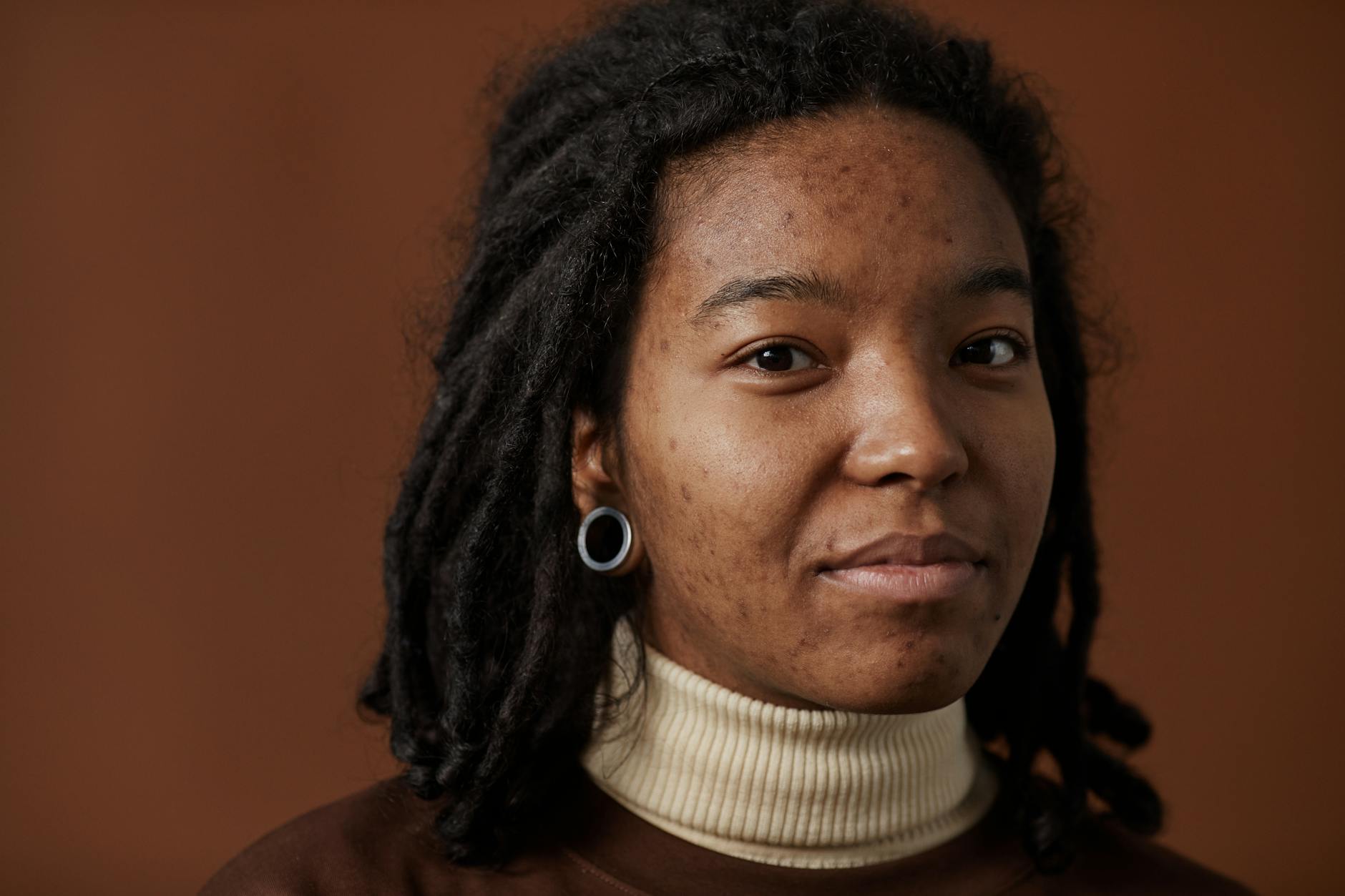
The Mental Health Crisis Behind Acne: Depression and Anxiety
The connection between acne and mental health conditions is not mild correlation—it’s a documented clinical reality. Teenagers with acne show significantly elevated rates of depression and anxiety. Research indicates that problem acne is associated with an odds ratio of 2.04 for depressive symptoms and 2.3 for anxiety disorders, meaning teenagers with acne are more than twice as likely to experience these conditions as their clear-skinned peers. Even more alarming, problem acne shows an odds ratio of 1.83 for suicide attempts. The data on anxiety is particularly striking: 56.5% of patients with acne report anxiety symptoms, a prevalence greater than patients with diabetes, cancer, epilepsy, psychiatric disorders, and cystic fibrosis. This isn’t because acne is objectively more serious than these other conditions—it’s because acne is visible, persistent, and directly linked to appearance and social acceptance during the most image-conscious years of life.
Depression and anxiety prevalence in acne patients exceeds 40%, and loneliness affects 58.2% of those with acne. The correlation between acne severity and mental health is strong: depression shows an r-value of 0.630, anxiety 0.661, and stress 0.758 with acne presence and severity. However, it’s important to understand the directionality here. While acne causes or worsens depression and anxiety in many teenagers, depression and anxiety also exacerbate acne by triggering stress responses, reducing self-care, and promoting behaviors like skin-picking. This creates a vicious cycle where the psychological impact of acne worsens the acne itself, which then deepens the depression. Breaking this cycle often requires treating both the acne and the mental health component simultaneously.
Dating, Relationships, and the Long-Term Social Cost of Untreated Acne
Acne directly interferes with one of the major developmental tasks of adolescence: forming romantic and intimate relationships. The statistics are direct: 43% of teenagers with acne report difficulty finding dates or making new friends. For some, this isn’t just a temporary social setback—it’s a formative experience that shapes their approach to relationships and self-worth in romantic contexts for years to come. Consider the experience of Sophie, a 15-year-old who developed severe acne her sophomore year. She was invited to prom by a classmate she liked, but withdrew her acceptance because she was convinced her acne would ruin the photos and embarrass her date.
That single decision—rooted in acne-related shame—meant she missed a normal teenage milestone and reinforced her belief that she was undesirable. Now, years later as a college student, she experiences anxiety in new dating scenarios, reflexively assuming potential partners will be disappointed by her appearance, even though her acne has largely cleared. This illustrates the lasting psychological imprint. When acne prevents teenagers from participating in normal dating and social experiences during the critical years when peer relationships are being established, it doesn’t just affect their teenage social life—it shapes their expectations and behaviors in adult relationships. Teenagers who were unable to date, attend social events, or build friendships during their acne years often struggle with confidence in these areas even after their skin clears.

Why Adolescent Girls Are Hit Harder Than Boys
While acne affects boys and girls relatively equally in prevalence, the psychological and social impact is significantly more severe for adolescent girls. Female acne patients report notably higher levels of depression and anxiety compared to their male counterparts. This isn’t because girls are simply more sensitive—it reflects the different social pressures and expectations placed on appearance by gender. Girls are socialized to prioritize physical appearance from a younger age, face more appearance-based criticism and commentary from peers, and encounter stronger cultural narratives linking beauty to worth and social acceptability. Adolescent girls with acne face a specific form of social vulnerability.
They’re more likely to be bullied specifically about their appearance, more likely to internalize appearance-based criticism, and more likely to withdraw from social and academic activities as a result. The research documents that girls are “more vulnerable than boys to negative psychological effects of acne,” meaning that even when boys and girls have similar acne severity, girls experience greater psychological distress. This gender difference in psychological impact is particularly important for parents and healthcare providers to understand, as it means intervention and support may need to be more intensive for girls. The vulnerability extends to specific populations as well. Adolescents from racial and ethnic minority groups, as well as sexual and gender minority teenagers, face compounded pressures around appearance and belonging, making acne’s social impact potentially even more damaging in these communities.
The Scarring Problem—Physical Reminders of a Painful Time
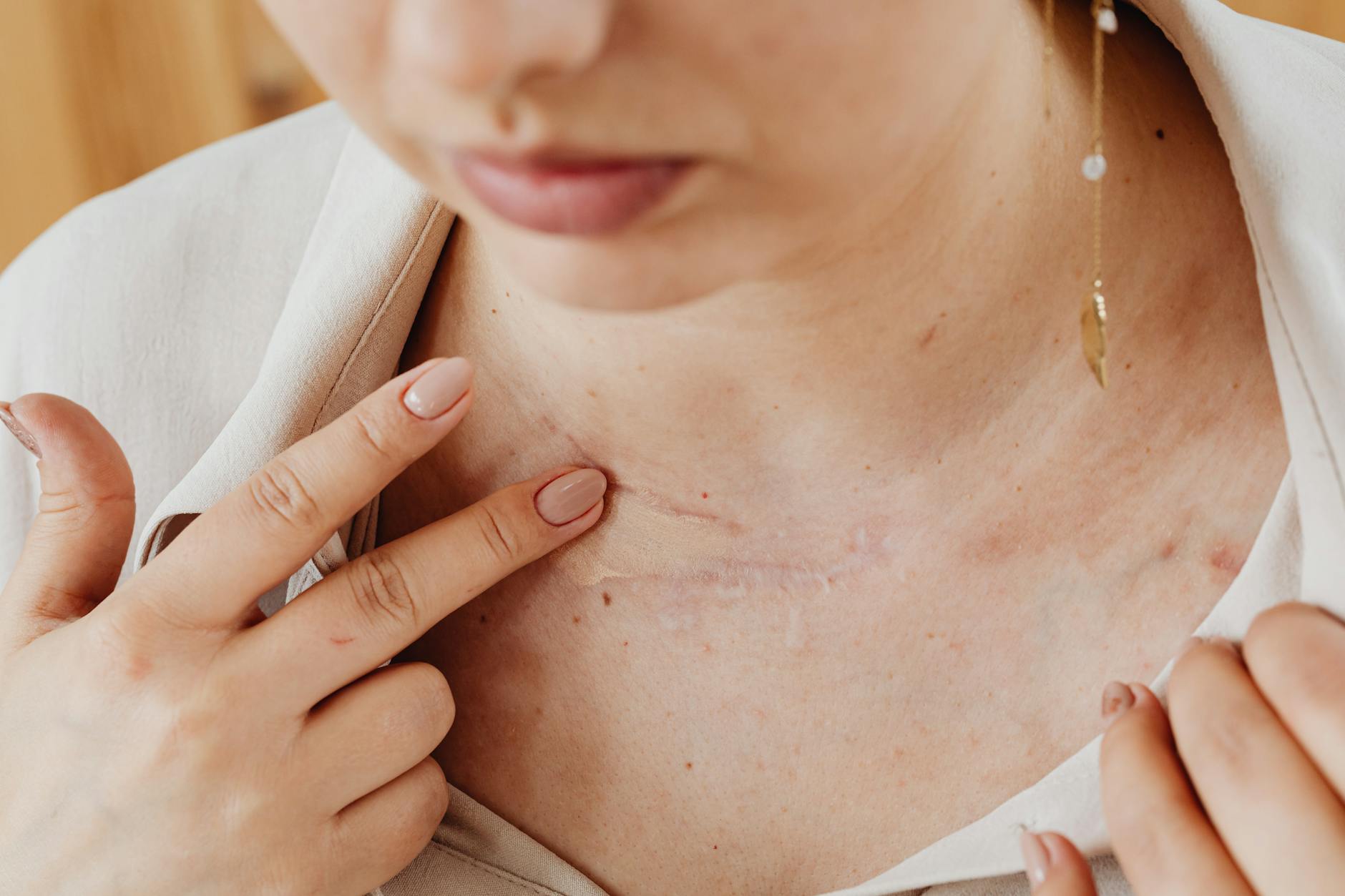
Many teenagers with acne eventually experience permanent scarring, which extends the psychological impact far beyond the active acne years. Physical acne scars serve as permanent reminders of a painful developmental period. Individuals with acne scars continue to experience elevated levels of anxiety and depression well after the acne itself has resolved, because the scars represent a lasting visible mark of that vulnerable time. This is a critical limitation of waiting out acne or treating it casually: not every case of teenage acne resolves without scarring.
More severe cases, cases left untreated, and cases where teenagers pick at their skin due to anxiety often result in permanent atrophic or hypertrophic scarring. A teenager who endured three years of severe acne, experienced social isolation and depression as a result, and then developed permanent scars faces a compounded trauma. The scars mean they continue to confront reminders of that period every time they look in the mirror or see photos from those years. The psychological weight of scars often exceeds that of active acne in some patients, because scars are permanent and publicly visible in a way that cleared skin is not. This is why dermatologists increasingly emphasize prevention of scarring during the active acne phase—it’s not just about the present psychological burden but about preventing a lasting physical reminder of psychological pain.
Breaking the Cycle: How Acne Treatment Improves Mental Health
One of the most important findings in the research is that treating acne often leads to improvement in depression, anxiety, and overall psychological functioning. This isn’t simply because the skin looks better—it’s because removing the source of shame, social avoidance, and negative peer feedback allows the teenager’s mental health to recover. When a teenager’s anxiety and depression are largely acne-driven, clearing the acne can be as effective as some psychiatric interventions.
A 16-year-old named Jordan, whose moderate acne was treated with a combination of topical retinoids and benzoyl peroxide, reported that within three months of seeing improvement in his skin, his anxiety about social situations decreased noticeably, he rejoined his school’s soccer team, and his grades improved. His parents noted that his mood lifted not when his skin was completely clear, but once he saw consistent improvement and believed it would continue. This demonstrates that it’s not about achieving perfection—it’s about breaking the vicious cycle of shame, withdrawal, and worsening mental health.
Long-Term Effects Into Adulthood: The Cumulative Burden
The consequences of adolescent acne don’t disappear when teenagers become adults. Research indicates that individuals with acne experience “lasting psychosocial effects” that extend well beyond the teenage years, and that cumulative life-course psychiatric disorder risks persist into adulthood. A teenager who spent their adolescence socially isolated due to acne, who developed depression or anxiety as a result, and who missed formative social experiences doesn’t simply revert to normal functioning once their skin clears.
The psychological imprint persists. This is why early intervention during the teen years matters so profoundly—not just for quality of life during adolescence, but for setting the trajectory of mental health, social confidence, and self-worth into adulthood. A 25-year-old might successfully manage clear skin, but if they spent their teenage years avoiding social contact, they may still carry the anxiety and low confidence that developed during those years. Conversely, teenagers whose acne is treated early and effectively can develop normally through their social and emotional milestones, building the confidence and skills that support long-term mental health.
Conclusion
Acne in adolescence is not a cosmetic issue to be minimized or dismissed as a normal part of growing up. For the majority of teenagers affected, it causes measurable, significant harm to social development, mental health, and self-confidence that can persist into adulthood. Sixty-four percent experience embarrassment, 71% report lowered self-confidence, 68% withdraw from social activities, and rates of depression and anxiety more than double.
When left untreated or inadequately managed, acne creates a vicious cycle where social withdrawal worsens mental health, which in turn worsens the acne, potentially leading to permanent scarring that extends the psychological impact indefinitely. The good news is that early, effective treatment interrupts this cycle. Whether through topical treatments, oral medications, professional skincare, or dermatological intervention, addressing acne during the teenage years prevents not just the physical scarring but the psychological scarring—the lasting damage to social confidence, mental health, and self-worth that can shape the trajectory of adult relationships and psychological wellbeing. If you or a teenager you know is struggling with acne, consulting with a dermatologist isn’t vanity; it’s an investment in mental health and social development during the most formative years of life.
Frequently Asked Questions
Is acne just a cosmetic issue, or does it really affect mental health?
Acne has documented, clinically significant effects on mental health. Research shows teenagers with acne have odds ratios of 2.3 for anxiety disorders and 2.04 for depression compared to clear-skinned peers. Anxiety prevalence in acne patients (56.5%) exceeds that in patients with diabetes, cancer, and epilepsy.
At what point should a teenager see a dermatologist for acne?
Most dermatologists recommend professional evaluation if acne is interfering with daily life, affecting mood or social activities, showing signs of potential scarring, or not improving with basic over-the-counter treatments after 6-8 weeks. The earlier scarring potential is addressed, the better.
Why does acne affect girls more psychologically than boys?
Adolescent girls face greater social pressure around appearance and receive more appearance-based criticism from peers. They’re also socialized from a younger age to prioritize physical appearance, making acne’s social impact more severe. Research documents that girls are “more vulnerable than boys to negative psychological effects of acne.”
Does treating acne actually improve depression and anxiety?
Yes. Studies show that treating acne leads to improvement in depression, anxiety, and overall psychological functioning. This isn’t just cosmetic improvement—it interrupts the vicious cycle of shame, withdrawal, and worsening mental health.
Can acne scars from teenage years affect mental health as an adult?
Yes. Individuals with acne scars continue to experience elevated anxiety and depression into adulthood, because scars serve as lasting visible reminders of a painful developmental period. This is why preventing scarring during active acne years is psychologically important, not just cosmetically important.
What if my teenager refuses to see a dermatologist about their acne?
Start by acknowledging their feelings—they may feel shame or embarrassment about their skin. Frame dermatology as practical healthcare (like braces or glasses) rather than vanity. Share that treating acne early prevents scarring and can significantly improve mood and social confidence. Some teenagers respond better when a trusted adult (not a parent) or peer shares that they’ve had good experiences with treatment.