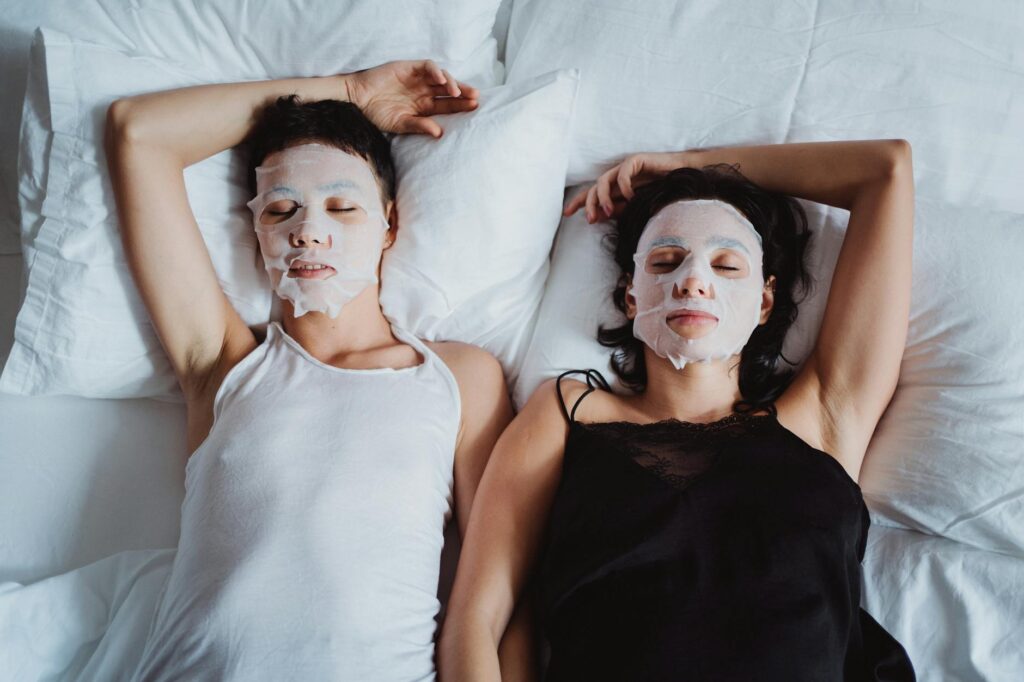
The Abib Mild Acidic pH Sheet Mask helps acne-prone skin by combining gentle exfoliation with hydration at a pH level that mimics healthy skin rather than disrupting its acid mantle. Unlike traditional sheet masks that sit at neutral or alkaline pH and can leave acne-prone skin feeling either dry or irritated, this mask’s acidic formulation keeps your skin’s pH balanced while the active ingredients work to reduce inflammation and clear congestion.
A common scenario is someone with active acne who uses regular hydrating masks—they get temporary hydration but often see breakouts return within days because the neutral pH strips away protective skin oils. This article explores what the acidic pH formula actually does for acne, how it compares to other treatment approaches, when it works best, and importantly, where it falls short. We’ll also cover integration into a real acne-fighting routine and what results to realistically expect.
Table of Contents
- How Does Acidic pH Actually Benefit Acne-Prone Skin?
- What’s Inside the Abib Mask That Targets Acne?
- Real Results: What Timeline Should You Expect?
- How to Actually Use the Mask Without Making Acne Worse
- When This Mask Might Not Be the Right Choice for You
- Comparing This Mask to Other Acne Treatment Approaches
- The Broader Skincare Context for Acne Success
- Conclusion
How Does Acidic pH Actually Benefit Acne-Prone Skin?
Your skin’s natural pH is around 4.5 to 5.5—acidic, not neutral. This acidity is protective; it inhibits bacterial growth, helps maintain the skin barrier, and keeps sebum production balanced. When you use products at a higher pH (like many sheet masks at 6.5 to 7), the skin compensates by increasing sebum production to restore its protective layer, which can trigger or worsen breakouts. The Abib mask maintains an acidic pH, so your skin doesn’t need to overcompensate, meaning less reactive oiliness and less fuel for acne bacteria. The mask also contains gentle exfoliating ingredients (typically niacinamide and botanical extracts) that work more effectively in an acidic environment.
Exfoliation matters for acne because it removes dead skin cells that clog pores, but harsh mechanical or high-pH exfoliation irritates acne-prone skin and triggers more inflammation. A mild acidic mask exfoliates without that trade-off. For example, someone switching from a neutral hydrating mask to this product often notices their pores appear smaller within a few applications—not from shrinking, but from reduced congestion and oil pooling. However, if your skin is already using strong actives (like tretinoin, salicylic acid, or benzoyl peroxide), an additional acidic exfoliating mask may cause over-exfoliation. In this case, you’d use it less frequently—perhaps once weekly instead of twice—or skip it on the weeks you’re rotating in other actives.

What’s Inside the Abib Mask That Targets Acne?
The formula typically includes niacinamide, which is well-researched for acne control—it regulates sebum production, strengthens the skin barrier, and has mild anti-inflammatory properties. Studies show niacinamide at 4-5% concentration can reduce sebum production by around 25% over 8 weeks. Alongside this are botanical extracts and often a small amount of glycolic or lactic acid, which provide gentle exfoliation without the intensity of a dedicated acid treatment. The hydrogel base of a sheet mask is important too.
Unlike a rinse-off product, the mask sits on your skin for 15-20 minutes, allowing these actives to work longer. But here’s a limitation: hydrogel sheet masks can be occlusive, which is beneficial for barrier repair but can trap bacteria and heat if you have inflamed, actively pustular acne. If you have hot, painful cystic acne, this mask might not be the best choice—a faster-absorbing serum would be more appropriate. someone with mild to moderate acne with congestion and some oiliness is the ideal candidate.
Real Results: What Timeline Should You Expect?
The Abib mask doesn’t work like a spot treatment—it’s more of a maintenance and prevention tool. Most people see improvements in 2-4 weeks of consistent use (once or twice weekly). Specifically, you’ll typically notice less congestion and smaller sebaceous filaments (those flesh-colored dots on your nose and chin), and skin feels more balanced rather than oscillating between oily and tight. Someone using this mask as part of a routine with a retinoid or gentle actives will see faster results than someone using it alone. The mask is particularly effective for closed comedones (clogged pores under the skin surface) rather than active inflamed breakouts.
If you have an active pimple right now, this mask won’t rapidly deflate it; it’ll help prevent the next cycle of congestion. A realistic expectation is that over 6-8 weeks of consistent use, you’ll have fewer active breakouts and a clearer-looking complexion, assuming the rest of your routine is solid. One important note: results vary based on what else is in your routine. If you’re using this mask but your diet, sleep, or stress is off, or your other products are still slightly irritating, the mask alone won’t overcome those factors. It’s an incremental tool, not a miracle.
How to Actually Use the Mask Without Making Acne Worse
Proper application makes a real difference. Apply the mask to clean skin—not overly wet, not bone dry. If your skin is dripping wet, the mask won’t make good contact; if it’s too dry, the mask won’t adhere well. Leave it on for 15-20 minutes; longer doesn’t mean better and can over-hydrate and soften your skin barrier temporarily. Most people use this 1-2 times weekly. Those with more resilient skin can do twice weekly; those with sensitive or barrier-compromised skin should stick to once weekly or every other week.
The trade-off here is frequency versus over-exfoliation. Weekly use is maintenance; twice weekly is more active treatment. If you’re combining this with other exfoliating actives (AHA/BHA serums, retinoids), do the sheet mask less often or alternate—don’t do both on the same night. A sample routine might be: Monday sheet mask, Wednesday retinoid treatment, Saturday sheet mask, rest days in between with gentle hydration only. After removing the mask, don’t apply heavy creams immediately. The skin is slightly more permeable post-mask, so a lightweight hydrating serum followed by a regular moisturizer works better than sealing everything down right away. This prevents that trapped feeling and allows the exfoliating benefits to fully set in.
When This Mask Might Not Be the Right Choice for You
If you have severe cystic acne or active large pustules, this mask is not a primary treatment. It’s best suited for mild to moderate inflammatory or congestion-based acne. Cystic acne needs prescription-strength approaches (like hormonal treatments or isotretinoin), and a sheet mask—even a good one—won’t meaningfully address it. Additionally, if your skin is already using strong prescription actives like isotretinoin, adding this exfoliating mask risks increasing side effects like redness and peeling. Another scenario to avoid: using this mask when your skin barrier is compromised.
If you have active dermatitis, severe sensitivity, or recent chemical burns from over-exfoliation, wait until your barrier has recovered. A compromised barrier doesn’t benefit from exfoliation—it needs repair. Forcing exfoliating products into this state typically makes it worse. The mask also works best on face skin, not body acne. If you have back or chest acne (which is often more resistant and inflammatory), a liquid exfoliant or targeted body wash is more practical than hunting for sheet masks sized for larger areas.

Comparing This Mask to Other Acne Treatment Approaches
The Abib sits somewhere between a hydrating sheet mask and an active treatment, so it’s worth contextualizing it. Versus a basic hydrating sheet mask: This one exfoliates, so you get texture improvement and congestion reduction, not just hydration. Versus a benzoyl peroxide treatment: Benzoyl peroxide is antibacterial and faster-acting on active inflammation, but it can be drying and irritating, while this mask is gentler and better for maintenance.
Versus a salicylic acid treatment: Both exfoliate, but salicylic acid is oil-soluble (better for deep pore penetration) and typically stronger; this mask is gentler and includes hydrating ingredients, making it better for sensitive or barrier-compromised acne-prone skin. The ideal approach for most acne is usually layered: use a targeted acne treatment (benzoyl peroxide, salicylic acid, or retinoid) as your workhorse 3-5 times weekly, and use the sheet mask on off nights or days when you need a skin-calming step. This prevents over-treatment while keeping consistent acne pressure.
The Broader Skincare Context for Acne Success
A sheet mask, even a good one, is not a standalone acne solution. The biggest driver of acne outcomes is actually the combination of gentle cleansing, consistent actives (retinoids or BHAs for most people), sunscreen, and barrier support. If any of those foundations are missing, even the best mask won’t deliver results.
Someone with acne who doesn’t use sunscreen, for example, will see acne return faster because UV exposure increases inflammation and darkens post-inflammatory hyperpigmentation, making acne appear worse. Looking forward, as research continues, we’re seeing more interest in pH-balanced skincare overall, not just for acne but for barrier health and aging. The Abib is ahead of this curve in making acidic pH a feature rather than an afterthought. Expect to see more products in the next few years marketed specifically for pH balance as brands realize it’s not just a science detail—it’s a measurable benefit for skin health.
Conclusion
The Abib Mild Acidic pH Sheet Mask helps acne by maintaining your skin’s natural pH balance while gently exfoliating and hydrating, which reduces congestion and prevents the reactive oil production that typically follows standard masks. It’s not a primary acne treatment—it won’t rapidly clear active inflammatory breakouts—but it’s an excellent maintenance tool for mild to moderate acne, particularly congestion and oiliness, when used 1-2 times weekly as part of a broader routine.
To get results, integrate it strategically: use it on nights when you’re not applying stronger actives, ensure the rest of your routine is solid (cleanser, active treatment, sunscreen, moisturizer), and be patient with the 4-8 week timeline. If you have severe cystic acne, are using prescription retinoids, or have a compromised skin barrier, adjust frequency or consult a dermatologist before adding it. For most people with persistent acne looking for an incremental win, this is a solid addition to their routine.