
A proper morning and night routine for acne-prone oily skin starts with a gentle, low-pH cleanser followed by niacinamide, a lightweight moisturizer, and broad-spectrum sunscreen in the morning—and double cleansing with an oil-based cleanser followed by a water-based one, then targeted exfoliants like salicylic acid 1-2 nights per week in the evening. This two-part approach works because acne-prone oily skin needs both oil control and barrier protection; skipping either step typically makes breakouts worse. The routine differs significantly from routines for dry or combination skin because it prioritizes keeping pores unclogged without over-stripping the skin, which would trigger even more sebum production.
This article covers the exact steps, active ingredients that work, product selection guidelines, common mistakes that derail results, and how to adapt your routine as your skin responds. The counterintuitive part that catches most people off guard: oily skin still needs moisturizer. Many people with acne-prone oily skin skip this step thinking it will worsen breakouts, but the opposite happens—dehydrated skin increases oil production as a compensatory mechanism. That’s why this routine emphasizes hydration at every stage, just with non-comedogenic, water-based formulas that won’t clog pores.
Table of Contents
- What Morning and Night Routines Should Include for Acne-Prone Oily Skin
- Understanding Cleansing Frequency and How It Affects Acne
- Active Ingredients That Control Oil and Prevent Breakouts
- Product Selection Guidelines for Oily, Acne-Prone Skin
- Why Moisturizing Isn’t Optional for Oily, Acne-Prone Skin
- Clean Contact Surfaces to Prevent Reinfection
- Tracking Progress and When to Adjust Your Routine
- Conclusion
What Morning and Night Routines Should Include for Acne-Prone Oily Skin
Your morning routine establishes your skin’s foundation for the day ahead. Start with a gentle cleanser that removes overnight oil and bacteria without stripping your skin, using lukewarm water and your fingertips rather than aggressive scrubbing. After cleansing, apply niacinamide, which stabilizes sebum production and regulates oil without over-drying. Follow this with a water-based, non-comedogenic moisturizer—this step is essential even for oily skin, as it prevents dehydration that would trigger excess oil production. Finally, apply broad-spectrum sunscreen with zinc oxide or titanium dioxide, avoiding formulas with fragrance or added oils that can clog pores. Your night routine is where active treatment happens.
Start with double cleansing: first use an oil-based cleanser to dissolve makeup and sunscreen residue, then follow with a water-based cleanser to remove bacteria and sweat. This two-step approach prevents pore buildup without relying on harsh scrubbing. After cleansing, use salicylic acid (BHA) or mandelic acid 1-2 nights per week to unclog pores and reduce bacterial growth. On nights you don’t use chemical exfoliants, apply a lightweight, non-comedogenic moisturizer to restore your skin barrier. This creates a rhythm where you’re simultaneously treating breakouts and maintaining skin health. The key difference between morning and night routines is intensity: mornings are gentle and preventative, focused on protection and oil control, while nights allow for stronger actives and deeper cleansing since you’re not exposed to environmental stressors or UV. However, if your skin becomes inflamed or irritated, reduce how frequently you use active ingredients—using salicylic acid more than 2 nights weekly can damage your skin barrier and worsen breakouts in the short term.

Understanding Cleansing Frequency and How It Affects Acne
Cleanse twice daily (morning and night) plus immediately after sweating from exercise or heat—this removes the bacteria and oil combination that feeds acne. The logic seems straightforward: more cleansing equals fewer breakouts. But this is where most people make a critical error. Over-washing triggers your skin to produce more oil as a protective response, actually worsening breakouts over time. The goal is to cleanse just enough to remove impurities without triggering a sebum rebound.
When you over-cleanse or use harsh cleansers, your skin barrier becomes compromised. The skin barrier’s job is to protect underlying layers and retain water; when it’s damaged, your skin becomes irritated and dehydrated. This dehydration signals your sebaceous glands to produce more oil, creating a vicious cycle where you’re fighting increased breakouts by using harsher products, which damages the barrier further. This is why dermatologists emphasize using a gentle cleanser even for acne-prone skin—it removes impurities effectively without causing barrier damage. If you have extremely oily skin and feel tempted to cleanse more than twice daily, use only gentle rinsing with water in that third cleanse, not another full cleanse with product. This removes excess oil and bacteria without the barrier-damaging effects of repeated surfactant exposure.
Active Ingredients That Control Oil and Prevent Breakouts
Salicylic acid (BHA) is your primary active ingredient for acne-prone oily skin. As a beta-hydroxy acid, it penetrates through oil to unclog pores from the inside, reducing both acne formation and excess oil buildup. Salicylic acid also has mild antibacterial properties, addressing the bacterial component of acne. Using it 1-2 nights per week prevents pore congestion without over-irritating your skin; more frequent use doesn’t produce better results and can damage your barrier. Niacinamide deserves special attention because it’s less well-known than other acne actives but exceptionally effective for oily skin. It calms inflammation, strengthens your skin barrier, and crucially, balances oil production without over-drying.
Unlike some acne ingredients that work by stripping oil, niacinamide works by regulating sebaceous gland function—addressing the root cause rather than just the symptom. This is why dermatologists recommend it specifically for acne-prone oily skin rather than harsher alternatives. Benzoyl peroxide is another option for controlling breakouts by killing acne-causing bacteria, though it’s typically reserved for active acne rather than daily prevention. Chemical exfoliants like salicylic acid and mandelic acid (an AHA) should be used 2-3 times per week to remove dead skin cells and unclog pores. However, if you’re using other acne treatments like retinoids or vitamin C, reduce exfoliation frequency to avoid over-irritation. The difference between BHA and AHA matters: BHA (salicylic acid) works in oil and is best for clogged pores, while AHA (like mandelic acid) works on the surface and is better for texture issues. For oily skin, BHA is typically the better choice, but alternating or combining them can work if your skin tolerates it.

Product Selection Guidelines for Oily, Acne-Prone Skin
When choosing products, always look for labels that explicitly say “oil-free” and “non-comedogenic.” Oil-free doesn’t mean the product has zero oils—most skincare contains some oils for texture and absorption—but rather that it’s formulated without pore-clogging oils. Non-comedogenic means the product has been tested to not cause comedones (blackheads and whiteheads). Products not labeled this way may still be fine, but when you have acne-prone skin, these labels save time. Introduce new products one at a time, waiting 2-4 weeks before adding another. This waiting period is crucial because it lets you see whether that product actually works or makes your skin worse. If you introduce multiple products at once and your skin improves, you won’t know which product did the work.
If your skin worsens, you won’t know which product caused the problem. Many people think they’re wasting time by waiting, but this is how you actually build a routine that works for your specific skin, rather than following generic advice that happens to make your acne worse. Sunscreen is particularly important and often where people compromise. Look specifically for mineral sunscreens with zinc oxide or titanium dioxide; these are less likely to clog pores and are gentler on inflamed acne. Chemical sunscreens can sometimes trigger breakouts because their active ingredients penetrate the skin. Avoid any sunscreen with fragrance or added oils. Many facial sunscreens marketed for sensitive skin or acne-prone skin already follow these guidelines, but check the ingredients to be sure.
Why Moisturizing Isn’t Optional for Oily, Acne-Prone Skin
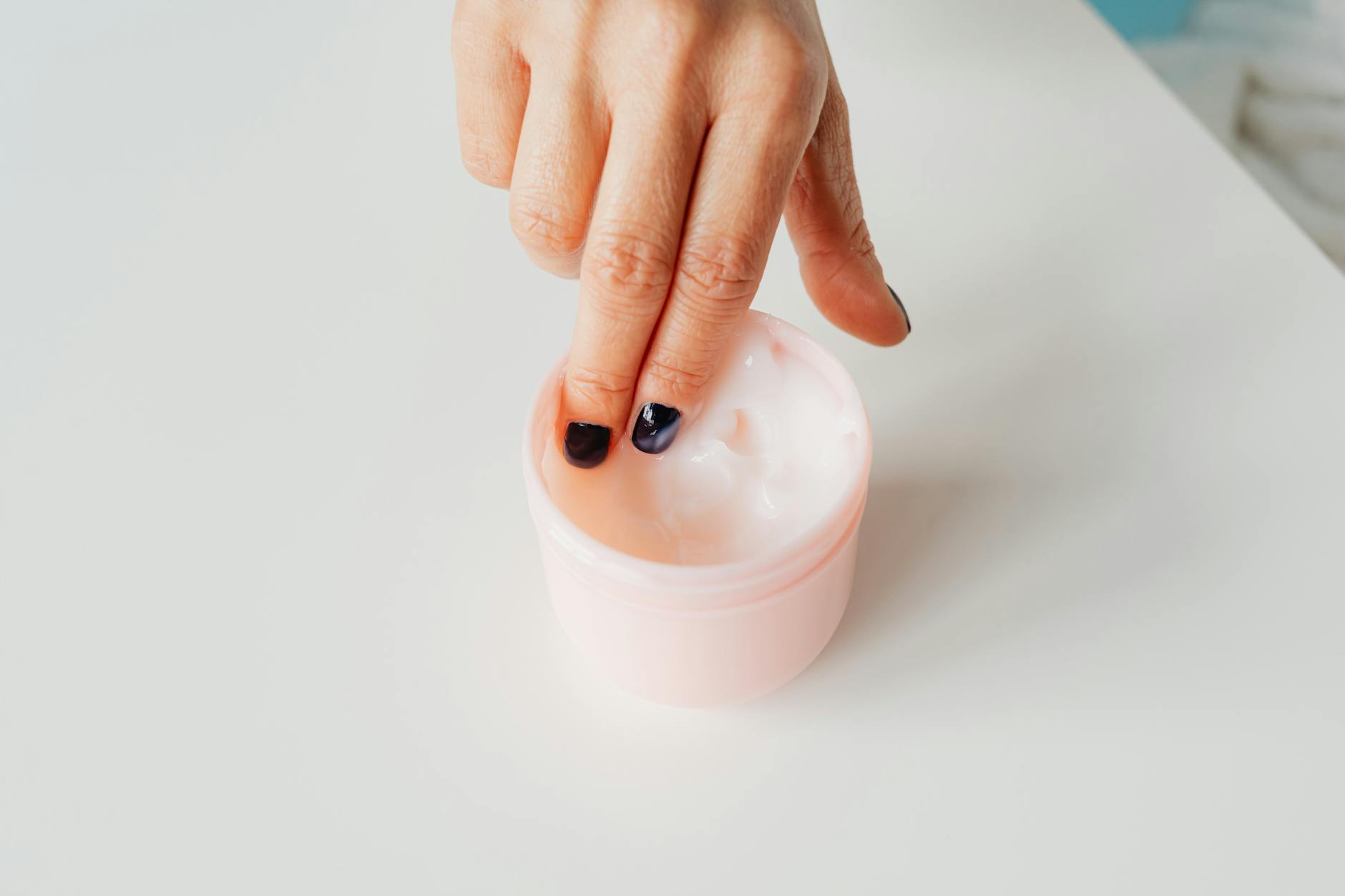
The myth that oily skin doesn’t need moisturizer persists because people confuse “oily” with “hydrated.” Oily skin produces excess sebum but can still be dehydrated at the cellular level—in fact, dehydrated skin often produces more oil to compensate. Skipping moisturizer doesn’t reduce oiliness; it makes your skin more oil-prone over time. This is backed by dermatology research: when you strip your skin’s natural hydration, your sebaceous glands work overtime to rebuild that protective oil layer. Your moisturizer needs to be lightweight and water-based, not cream-based or oil-based. Apply it to damp skin (right after cleansing, while your skin still has some moisture) so it locks in hydration rather than just sitting on top.
Many people with oily skin apply moisturizer to completely dry skin, then are frustrated when it feels greasy—that’s because the product is sitting on the surface with nowhere to absorb. The order matters too: always apply actives first (salicylic acid, niacinamide), then moisturizer to seal in treatment and protect your barrier. If your skin is extremely oily, using a gel or serum moisturizer instead of a traditional cream is a valid option. These formulas hydrate without the heavy feeling of cream, though they typically cost more. The trade-off is between texture preference and effectiveness—both can work; it’s about finding what your skin tolerates and you’ll actually use.
Clean Contact Surfaces to Prevent Reinfection
Acne isn’t just about what you put on your skin—it’s also about what touches your skin. Your phone screen, pillowcase, and makeup brushes accumulate bacteria and oil throughout the day. When you press your phone against your face or rest your cheek on a pillowcase you haven’t washed in two weeks, you’re transferring that bacterial load directly to your skin.
This is especially relevant for acne-prone skin because the bacteria responsible for acne (Cutibacterium acnes, formerly called Propionibacterium acnes) lives on everyone’s skin, but acne-prone skin is more susceptible to it. Wash your pillowcase twice per week and your phone screen every few days with a slightly damp microfiber cloth. If you use makeup brushes, wash them weekly. These small changes support your routine by preventing bacterial reinfection—they’re not replacements for your skincare routine, but they amplify its effectiveness.
Tracking Progress and When to Adjust Your Routine
Consistency matters more than perfection. Most acne treatments take 4-6 weeks to show results because that’s how long your skin’s cellular turnover cycle lasts. If you change your routine every week, you’ll never know whether something works because you’re not giving it time to work. This is a hard lesson for people with active acne; they want immediate results and switch products constantly, which usually makes acne worse by disrupting their skin barrier repeatedly.
After 4-6 weeks of consistent use, evaluate whether your routine is actually helping. Are you getting fewer breakouts? Is your skin less oily? Are you experiencing new side effects like increased redness or irritation? Use this feedback to make small adjustments—maybe add an extra night of salicylic acid, or reduce to once weekly if you’re experiencing irritation. Forward-looking, newer research is also exploring peptides and growth factors in moisturizers for acne-prone skin, but these remain less proven than the established actives covered in this article. For now, the routine outlined here—gentle cleansing, niacinamide, salicylic acid, and barrier protection—remains the gold standard recommended by dermatologists.
Conclusion
The best morning and night routine for acne-prone oily skin is one you can sustain long-term. It requires patience—giving each product 4-6 weeks to work before evaluating—and consistency, cleansing twice daily without over-washing, and counterintuitively, keeping your skin hydrated with moisturizer to prevent excess oil production. The routine isn’t complicated: cleanse gently, apply targeted actives (niacinamide in the morning, salicylic acid 1-2 nights weekly), moisturize, and protect with sunscreen.
What makes this routine effective is understanding why each step matters rather than treating acne care like a checklist of random products. Start with the foundational routine described in this article, introduce products one at a time, and give your skin time to respond before making changes. If breakouts persist after 6-8 weeks despite consistent use, consult a dermatologist about prescription options like tretinoin or oral medications. Most acne-prone oily skin improves significantly with the right routine, but persistent severe acne may require medical intervention beyond topical care.