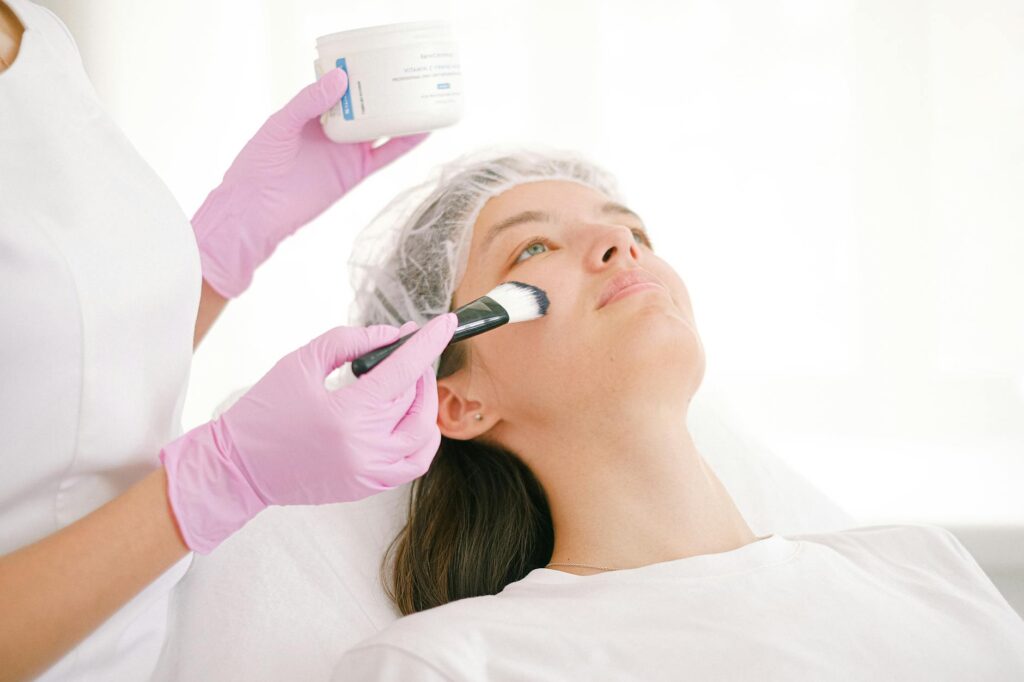
A glycolic acid peel at a med spa works for acne by dissolving dead skin cells and excess sebum that trap bacteria inside pores, while simultaneously reducing the thickness of your skin’s outer layer so acne-causing bacteria can’t burrow as deep. For someone with stubborn comedonal acne—those persistent blackheads and whiteheads that don’t respond to cleaners—a professional glycolic peel can noticeably reduce breakout frequency within 3-4 treatments spaced 2-3 weeks apart. Unlike topical acne spot treatments that work on individual blemishes, a glycolic acid peel treats your entire skin surface, preventing new acne from forming in the first place while clearing existing congestion. This article covers how glycolic acid peels actually reduce acne at the skin-cell level, what happens during the procedure itself, realistic timelines for seeing clearer skin, the tradeoffs and limitations you should know about, and who benefits most from this treatment versus other acne options.
Table of Contents
- How Glycolic Acid Peels Actually Clear Acne-Prone Skin
- What Happens During a Glycolic Acid Peel Treatment
- Timeline for Seeing Acne Improvements
- Who Benefits Most From Glycolic Acid Peels for Acne
- Side Effects and When Glycolic Peels Don’t Work as Expected
- Combining Glycolic Peels With Other Acne Treatments
- Professional Peels vs. At-Home Glycolic Products
- Conclusion
How Glycolic Acid Peels Actually Clear Acne-Prone Skin
Glycolic acid is an alpha hydroxy acid (AHA) that works differently from other acne treatments because it targets the root cause of many acne types: clogged pores. When dead skin cells don’t shed normally—which happens to everyone, but especially those with oily or acne-prone skin—they mix with sebum and create a hard plug that traps bacteria (particularly *Cutibacterium acnes*) inside the follicle. A glycolic acid peel chemically dissolves these cellular plugs by breaking down the bonds between skin cells, essentially forcing a faster turnover.
This is why it’s effective on comedonal acne (blackheads and whiteheads) that doesn’t respond well to antibiotics or benzoyl peroxide. The deeper benefit is that glycolic acid penetrates the follicle and reduces the thickness of your stratum corneum—the outer dead-skin layer—so bacteria can’t survive as easily in the pore environment. A 2019 study in the *Journal of Dermatological Treatment* found that patients using glycolic acid peels had a 60% reduction in comedones after 6 weeks of monthly treatments. However, if your acne is primarily hormonal or caused by deep-seated cystic inflammation, a glycolic peel alone won’t be enough; you’ll need to combine it with other treatments like oral medications or blue light therapy.
What Happens During a Glycolic Acid Peel Treatment
A professional glycolic acid peel at a med spa typically uses concentrations between 30-70%, which is much stronger than over-the-counter products (usually 5-10%) and requires trained application. Your esthetician will cleanse your skin thoroughly, apply the glycolic solution for a timed interval—usually 3-10 minutes depending on your skin sensitivity and the concentration—then neutralize it with a buffer solution to stop the chemical reaction. You’ll feel a slight tingling or mild stinging during the peel; some people describe it as similar to a light sunburn sensation. This is normal and means the acid is working.
The immediate aftermath matters more than most people expect. Your skin will be red and slightly irritated for 24-48 hours, and you’ll experience peeling—literally sheets of dead skin shedding—for 3-5 days afterward. If you have a big event coming up, schedule your peel at least 5 days prior. One crucial limitation: glycolic acid peels don’t work on darker skin tones the same way they do on lighter skin because the chemical exfoliation can trigger post-inflammatory hyperpigmentation (dark spots) if not carefully controlled. Dermatologists recommend lower concentrations (20-30%) and longer intervals (4 weeks minimum) for patients with Fitzpatrick Type IV-VI skin to avoid this complication.
Timeline for Seeing Acne Improvements
You won’t wake up clear the day after a glycolic peel. Most patients see noticeable improvements in comedones and overall skin texture after 3-4 treatments spaced 2-3 weeks apart, though some see modest improvements after the first peel. The reason peels need to be repeated is that acne is a chronic issue—your skin naturally reverts to its previous cell-shedding patterns within 2-3 weeks, so maintenance peels are necessary.
Someone with mild acne might see lasting improvement after doing 4-6 peels and then switching to monthly maintenance treatments, while someone with moderate acne typically needs to continue monthly or bi-monthly peels to keep breakouts at bay. A practical example: a patient with persistent comedonal acne on the forehead and nose might get their first peel, see mild improvement in 3 weeks, then get a second peel 2 weeks later and finally see significant clearing. By peel four, their skin is noticeably less congested, but the moment they stop getting peels, breakouts gradually return over 4-6 weeks. This is why some people switch to combining peels with a retinoid at home—retinoids help maintain the cell-shedding benefits between professional treatments.
Who Benefits Most From Glycolic Acid Peels for Acne
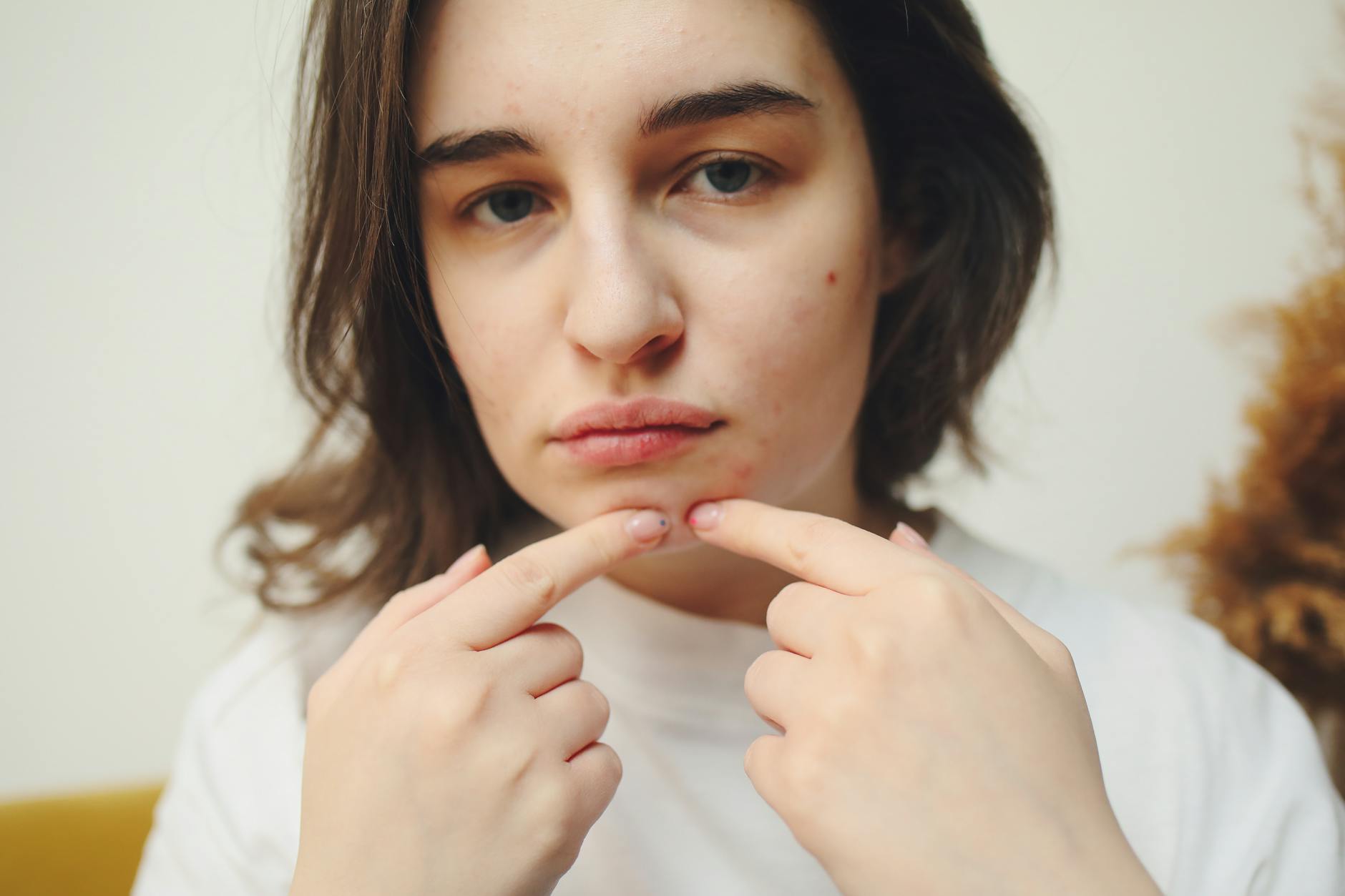
Glycolic acid peels work best for comedonal and inflammatory acne in people with normal to oily skin. If your acne is primarily blackheads, whiteheads, and small red bumps—not deep cystic nodules—you’re an ideal candidate. Glycolic peels are also excellent if your acne is combined with sun damage or rough skin texture, since you’re getting anti-aging benefits alongside acne improvement. However, if you have highly sensitive skin, active rosacea, or severe cystic acne, a dermatologist might recommend starting with a gentler peel (like lactic acid, which is less irritating) or a lower concentration of glycolic acid first.
Cost is a real tradeoff to consider. A single glycolic acid peel at a med spa typically costs $75-$200 per session depending on your location and the provider. If you need 6-10 peels to see meaningful improvement, you’re looking at $450-$2,000 upfront, versus the $30-60 per month for prescription retinoids or oral antibiotics. For some people, that investment is worth it because peels address multiple skin concerns at once, but it’s not the cheapest acne option if you’re comparing pure cost per treatment.
Side Effects and When Glycolic Peels Don’t Work as Expected
The most common side effect is over-exfoliation—using glycolic peels too frequently or at too high a concentration, which damages your skin barrier and causes persistent redness, sensitivity, and paradoxically, *more* acne in the short term. If you’re already using a retinoid or other exfoliating acids at home, spacing your peels further apart (4 weeks instead of 2) is critical to avoid this. Another real limitation: if you live somewhere sunny and aren’t religious about sunscreen (SPF 30+), glycolic peels can actually make acne worse because the newly exposed skin cells are more vulnerable to UV damage and irritation, which triggers inflammation and breakouts.
Some patients also report that glycolic peels stop working after 6-12 months—a phenomenon called “adaptation” where the skin becomes less responsive to the same concentration and frequency. If this happens, your esthetician can increase the concentration or try switching to a different type of peel (like salicylic acid, which penetrates deeper into oil-filled pores). Be aware that if you’re pregnant, nursing, or taking Accutane (isotretinoin), glycolic peels are typically not recommended due to the unpredictable way your skin responds to exfoliation during these periods.
Combining Glycolic Peels With Other Acne Treatments
Glycolic peels work synergistically with retinoids (like tretinoin, adapalene, or retinol) when timed correctly. The strategy is to use peels every 3-4 weeks at the med spa, then use a prescription retinoid 4-5 nights per week at home in between peels. The retinoid keeps your skin cells turning over rapidly, which extends the benefit of the peel and reduces the bacterial load in pores.
A specific example: someone using tretinoin nightly can space their glycolic peels 4 weeks apart instead of 2, achieving similar results with less irritation. For acne with active inflammation or severe pustules, combining peels with a professional blue light treatment on the same day can be highly effective. Blue light kills acne-causing bacteria, while the glycolic peel removes the dead skin and sebum that trap the bacteria. However, you cannot use benzoyl peroxide on the same day as a glycolic peel because the combination creates excessive dryness and irritation.
Professional Peels vs. At-Home Glycolic Products
The key difference isn’t just concentration—it’s also pH and neutralization. Professional glycolic peels use a precise pH (usually 1.5-2.0) and a neutralizer to stop the chemical reaction, ensuring you get the full benefit without over-exfoliating. At-home glycolic products are formulated to be much safer (they work more slowly and don’t require neutralization), so you won’t get the same dramatic improvement.
However, at-home glycolic treatments are excellent for maintenance between professional peels; using a 10% glycolic acid toner or cleanser twice weekly keeps your skin turning over without the cost and recovery time of a professional peel. Looking forward, the trend in acne treatment is moving toward combining multiple modalities—peels, topicals, LED light, and sometimes oral supplements—rather than relying on a single treatment. If you’re considering glycolic peels now, think of them as part of a longer-term acne management plan, not a one-time fix. The most successful patients are those who treat acne as a chronic skin condition requiring ongoing maintenance, similar to how you’d manage mild diabetes or high cholesterol.
Conclusion
Glycolic acid peels effectively treat comedonal and mild inflammatory acne by forcing rapid cell turnover and clearing clogged pores, with most patients seeing noticeable improvement after 3-4 treatments. The downside is they require repeated visits (typically monthly or bi-monthly), cost money upfront, and demand careful sunscreen use and avoiding other exfoliants to prevent side effects.
If you have persistent blackheads, whiteheads, or bumpy texture alongside acne, professional glycolic peels are worth trying; if you have deep cystic acne or dark skin tones prone to pigmentation changes, work with a dermatologist to find the right concentration and frequency for your specific skin. Before scheduling, ask your med spa esthetician about their experience treating acne specifically, whether they’ll adjust the concentration based on your skin type, and what their post-peel care protocol includes. Combine peels with a consistent at-home routine (retinoid + sunscreen) for the best results.