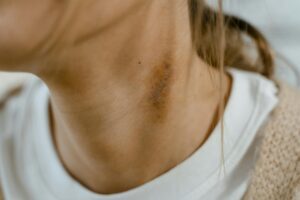
Yes, social media filters are making acne worse—at least in how young people perceive their skin. Research shows that 61% of people feel worse about their appearance after using beauty filters, while 70% believe these filters are actively damaging self-esteem. For acne sufferers specifically, the gap between filter-smoothed skin and reality creates a painful mismatch: you see yourself with flawless skin in photos, then look in the mirror and feel devastated by every blemish. A 2024 study found that teenagers with acne who use filters develop distorted self-perception, often leading them to feel more embarrassed about their actual skin and, paradoxically, more dependent on filters to feel socially acceptable.
The problem runs deeper than vanity. When filters hide acne entirely—smoothing texture, removing redness, clearing blemishes with a single tap—they set an impossible standard that no amount of skincare can match. The filtered version becomes the “real” you in your mind, while your actual skin feels like a failure. This psychological trap can intensify acne-related anxiety and make it harder to accept your skin during treatment or recovery. This article explores how filters are reshaping acne self-perception, the science behind why they’re so damaging, and practical steps to rebuild a healthier relationship with your appearance.
Table of Contents
- How Do Beauty Filters Distort Acne Self-Perception?
- The Scale of Filter Use and Its Mental Health Impact
- Acne, Filters, and the Comparison Trap
- Why Filters Make Acne Perception Worse Than It Actually Is
- The Psychological Trap of Filter Dependency
- Regulatory Changes and the Push for Filter Transparency
- Moving Forward: A More Balanced Approach to Filters and Acne
- Conclusion
How Do Beauty Filters Distort Acne Self-Perception?
Beauty filters work by doing what dermatologists spend years training to achieve—they instantly erase what makes acne sufferers feel worst about themselves. A City University of London study found that 90% of young women use filters or edit their photos, with 47% of those aged 18-29 specifically using beauty filters. When you apply a filter that removes redness and smooths your skin, you’re not just touching up a photo—you’re creating an alternate version of yourself that your brain begins to accept as normal. For someone with acne, this isn’t a minor enhancement; it’s a complete reimagining of their appearance.
The disconnect becomes especially painful for young people with acne, because they’re comparing themselves to an impossible standard they created. A teenager who smooths their acne with a filter on TikTok or Instagram gets positive feedback—likes, comments, validation—while looking nothing like their actual face. They then return to school or home, look in the mirror, and experience acute shame. This creates a feedback loop: the more they use filters, the worse their real skin looks by comparison, and the more dependent they become on filters for social confidence. The 2024 study published in Frontiers in Psychology found that acne patients exposed to social media information—especially filtered images—experienced exacerbated appearance anxiety, with some teenagers developing a distorted self-perception that didn’t match clinical observations of their actual skin.
The Scale of Filter Use and Its Mental Health Impact
Over 600 million people have used filters on Facebook or Instagram alone, which means the psychological effects of filters are now a mainstream mental health issue, not a niche concern. What makes this particularly concerning for acne sufferers is that 25% of young women experience moderate anxiety related to appearance exposure on social media—and for those with visible acne, that number is likely much higher. The anxiety isn’t just about looking worse in photos; it’s about internalizing the belief that your unfiltered face is unacceptable. However, the impact isn’t uniform.
Some people use filters playfully and don’t internalize the filtered version as their “real” self, while others become psychologically locked into the belief that filters show who they “actually” are. For acne patients, the risk is higher because acne is already a source of shame and social anxiety. When filters offer an escape, and when social media rewards that escape with engagement, the mental health cost compounds. Research found that 20% of filter users report increased insecurity about their appearance, while 61% feel worse about how they look in real life after using filters. This suggests that for a significant portion of the population, filters are actively making appearance anxiety worse, not better.
Acne, Filters, and the Comparison Trap
Acne affects up to 85% of people aged 12-24, which means a huge population of teenagers and young adults are navigating both the biological reality of breakouts and the social pressure of social media simultaneously. For this group, filters aren’t a luxury—they feel like survival. A teen with moderate acne can scroll Instagram, see influencers with perfect skin (real, filtered, or surgically enhanced—it’s hard to tell), then apply a filter to their own breakout-covered face and suddenly feel like they fit in. The problem is that filters can actually delay acceptance and healing.
Someone using filters to hide their acne might avoid seeking dermatological help because the filtered version of themselves looks fine. They might also set unrealistic expectations for what skincare can achieve, then feel disappointed when a retinoid or benzoyl peroxide treatment takes weeks to work but doesn’t instantly give them that filter-smooth appearance. A comparison: imagine someone with a broken leg using crutches to walk normally in public, then feeling devastated when they try to run and fall. Filters are the crutches, and expecting your actual skin to look filter-perfect is the unrealistic run.
Why Filters Make Acne Perception Worse Than It Actually Is
Filters operate on the principle of invisibility—they don’t show you a slightly improved version of your skin; they erase the problem entirely. A mild filter might reduce redness by 20%; a heavy filter makes it disappear completely. For someone with acne, even mild breakouts create significant appearance anxiety, so seeing them vanish in a photo creates a false sense of what’s possible. When you compare your unfiltered mirror reflection to your filtered photo, your actual skin doesn’t just look worse—it looks inexplicably, unacceptably worse.
This becomes especially problematic when you’re trying to treat acne. If you’re using a filter that erases your breakouts, you might underestimate how severe your acne actually is, or you might have unrealistic timelines for treatment. A dermatologist might say “your acne is mild to moderate,” but your filter shows it as non-existent, so you feel like the treatment isn’t working fast enough. The solution isn’t to quit social media or filters entirely, but to be intentional: use filters for fun if you want them, but also spend time looking at your actual skin without judgment. Accept that breakouts are temporary, that filtered skin is fake, and that real skin—even skin with acne—has value.
The Psychological Trap of Filter Dependency
One of the most insidious aspects of beauty filters is how quickly they become psychologically necessary. Once you’ve posted a filtered photo and received validation for it, posting an unfiltered photo feels risky. You’ve trained your brain—and your audience—to expect the filtered version. This creates a form of appearance-based anxiety where you feel like you’re “supposed” to look that way, even though you never have and never will.
For acne sufferers, this trap is tighter. Using a filter to hide acne is a coping mechanism, but like all coping mechanisms, it can prevent you from developing actual resilience. The warning here is critical: if you’re using filters every time you post, especially if you’re hiding acne, you might be reinforcing the belief that your unfiltered appearance is shameful. This can intensify acne-related anxiety and make it harder to seek help or accept your skin during treatment. The alternative—using fewer filters, posting occasional unfiltered photos, or being selective about when you filter—allows you to maintain social confidence without sacrificing your relationship with your actual appearance.
Regulatory Changes and the Push for Filter Transparency
Norway and France have begun requiring influencers to disclose when images have been retouched or filtered, a regulatory move that acknowledges the mental health impact of unfiltered filter use. These countries recognize that when millions of young people are comparing themselves to filtered content without knowing it’s filtered, the psychological harm is significant. This regulatory trend suggests that society is beginning to understand that filters aren’t just beauty tools—they’re appearance-altering technologies with mental health consequences.
For acne sufferers, this transparency movement is important because it validates the feeling that something is “off” when they compare themselves to influencers. They’re not crazy for thinking an influencer’s skin looks impossibly smooth—it probably is filtered or edited. Knowing this intellectually doesn’t always help emotionally, but it’s a starting point for rebuilding a more realistic self-image.
Moving Forward: A More Balanced Approach to Filters and Acne
The goal isn’t to demonize filters or demand that everyone quit social media. Filters can be fun, creative, and provide a confidence boost for some people. The goal is awareness: understanding that filters distort reality, that acne is temporary, and that your worth isn’t determined by how your skin looks in a photo.
For anyone with acne, consider this: the filters you use are telling you what you wish your skin looked like. Rather than chasing that impossible standard, consider redirecting that energy toward actual skincare, dermatological treatment, and self-acceptance. Real skin—even skin with acne—is more interesting and valuable than any filtered version. The future of social media will likely involve more transparency about filters and edits, more mental health awareness, and hopefully, a culture where people feel comfortable posting unfiltered photos without shame.
Conclusion
Social media filters are making acne self-perception worse by creating an impossible standard that real skin can never match. The statistics are stark: 61% of filter users feel worse about their appearance in real life, 70% believe filters damage self-esteem, and 85% of young people have acne during their most socially vulnerable years. For acne sufferers, filters offer temporary relief but often delay acceptance, realistic treatment expectations, and mental health recovery. The path forward requires both individual awareness and societal change.
On the individual level, use filters mindfully—enjoy them if you want, but don’t let them become your only social face. Be honest with yourself about what filters are doing to your self-perception, and give yourself permission to accept your actual skin. On the societal level, push for transparency, support regulatory efforts like those in Norway and France, and challenge the culture that treats unfiltered skin as unacceptable. Your acne is temporary. Your filter dependency doesn’t have to be.