
When you stop your acne treatment routine, your skin doesn’t simply go back to how it was before treatment—it often gets worse. This happens because acne is a chronic condition that requires ongoing maintenance therapy, not just a short-term fix.
When you remove active treatments without a suitable replacement routine, the underlying causes of acne—pore blockage, inflammation, and excess oil production—quickly return. In the specific example of stopping makeup alongside stopping treatment, you’ve actually removed two protective barriers: the makeup itself (which can physically cover active breakouts) and the medicated skincare regimen that was controlling breakouts at their root. This article explains why stopping treatment leads to rebound acne, how to prevent it, and what dermatologists now recommend for sustainable long-term acne management.
Table of Contents
- What Happens to Your Skin When You Stop Your Acne Routine?
- Acne Is Chronic—Why Your Skin Needs Ongoing Treatment
- The Skin Barrier Damage Effect—Why Stopping Suddenly Makes It Worse
- How Long Should You Actually Stay on Your Acne Routine?
- Hormonal Rebound—The Special Case of Spironolactone and Hormonal Treatments
- Repairing Your Skin After Stopping Treatment
- Building a Sustainable Long-Term Acne Management Plan
- Conclusion
What Happens to Your Skin When You Stop Your Acne Routine?
The worsening of acne after stopping treatment is not a sign that your treatment failed—it’s proof that it was working. Rebound acne occurs because short-course treatments, particularly antibiotics, often address the symptoms of acne without addressing the root causes. Once you stop taking them, pore blocking and inflammation return because the underlying drivers of your acne (bacterial colonization, sebum production, inflammation, and follicle obstruction) are still present. Your skin doesn’t suddenly become resistant to the treatment you stopped; rather, the conditions that originally created your acne are still active.
The American Academy of Dermatology emphasizes that acne requires a maintenance approach, much like managing other chronic conditions such as diabetes or hypertension. You wouldn’t stop taking blood pressure medication and expect your blood pressure to stay controlled, and the same principle applies to acne. Without a maintenance routine, your skin defaults back to its acne-prone baseline. This is especially true if you had moderate to severe acne before treatment—your skin’s underlying tendency toward breakouts hasn’t been cured, only suppressed while you were treating it.

Acne Is Chronic—Why Your Skin Needs Ongoing Treatment
Understanding acne as a chronic condition fundamentally changes how you should approach it. Chronic conditions require continuous management, not one-time fixes. Dermatologists now recognize that most people with acne need indefinite maintenance therapy, not just treatment until breakouts clear. The goal isn’t to “cure” acne permanently but to find a sustainable routine that keeps it controlled long-term. Current dermatological guidance recommends giving acne treatments 6 to 8 weeks to show meaningful improvement before switching products or considering them ineffective.
However, this timeline only applies if you stick with the routine consistently. If you stop after six weeks of improvement because your skin looks better, you’re stopping exactly when dermatologists would recommend continuing with a maintenance routine. This is a critical distinction: the clearing phase (active treatment bringing breakouts down) is different from the maintenance phase (keeping your skin clear). Many people mistakenly believe that once their acne clears, they can stop treating it. In reality, they need to transition to a lighter maintenance routine rather than stopping altogether.
The Skin Barrier Damage Effect—Why Stopping Suddenly Makes It Worse
When your skin is treated with acne medications—especially retinoids, benzoyl peroxide, or alpha hydroxy acids—these ingredients work partly by drying out your skin and accelerating cell turnover. This can weaken your skin barrier, the protective layer of lipids and dead skin cells that keeps irritants out and moisture in. Ironically, when your skin barrier is compromised by treatment, your skin compensates by overproducing sebum (oil) to try to protect itself and restore hydration.
When you abruptly stop your acne treatment routine, this damaged barrier and elevated oil production don’t instantly normalize. Instead, your skin continues overproducing sebum, but now without the acne-fighting ingredients that were keeping bacterial growth and inflammation in check. This creates a perfect storm: excess oil production, compromised barrier, and no active treatment to prevent pore blockage and bacterial overgrowth. The result is often rebound acne that looks worse than your original breakouts because your skin barrier is simultaneously trying to repair itself while being overwhelmed by increased oil production. This effect can last for weeks, which is why people who quit their routines often report that their acne was worse than it had been in months.

How Long Should You Actually Stay on Your Acne Routine?
The short answer: indefinitely, though the intensity may change. However, this doesn’t mean you’re stuck with aggressive treatments forever. Many people successfully manage acne long-term with maintenance regimens that are gentler than their initial treatment routines. For example, you might use a strong retinoid and benzoyl peroxide for 12 weeks to clear breakouts, then transition to a maintenance routine of a lighter retinoid, gentle cleanser, and niacinamide-based moisturizer indefinitely.
The tradeoff to understand is between treatment intensity and sustainability. A very aggressive acne routine might clear your skin in 8 weeks, but if it’s so harsh that you can’t maintain it without significant dryness, irritation, or lifestyle disruption, you’ll likely abandon it. When you do, rebound acne follows. A slightly gentler routine that you can realistically stick with for years is far more effective than an intensive routine you quit after three months. This is why dermatologists increasingly focus on finding the minimum effective treatment intensity that you can actually maintain long-term rather than pushing the strongest possible treatment.
Hormonal Rebound—The Special Case of Spironolactone and Hormonal Treatments
If your acne treatment included spironolactone (a hormone-blocking medication often prescribed for hormonal acne), stopping it creates a specific type of rebound. Spironolactone works by blocking androgens, the hormones that stimulate oil production in acne-prone skin. When you stop taking it, your androgen levels surge back to baseline, causing a dramatic increase in sebum production and often triggering severe rebound acne breakouts within weeks. This hormonal rebound is different from the barrier-damage rebound discussed earlier.
Even if you maintained perfect skincare while stopping spironolactone, you could still experience significant breakouts because the underlying hormonal driver of your acne returns. This is why dermatologists rarely recommend simply stopping spironolactone abruptly if you’ve seen good results. Instead, they typically recommend either continuing it indefinitely (it’s very safe long-term) or transitioning to other acne-controlling treatments while weaning off the medication. If you’ve been using hormonal birth control for acne management, the same principle applies—stopping it can trigger rebound acne as your hormone levels shift.
Repairing Your Skin After Stopping Treatment
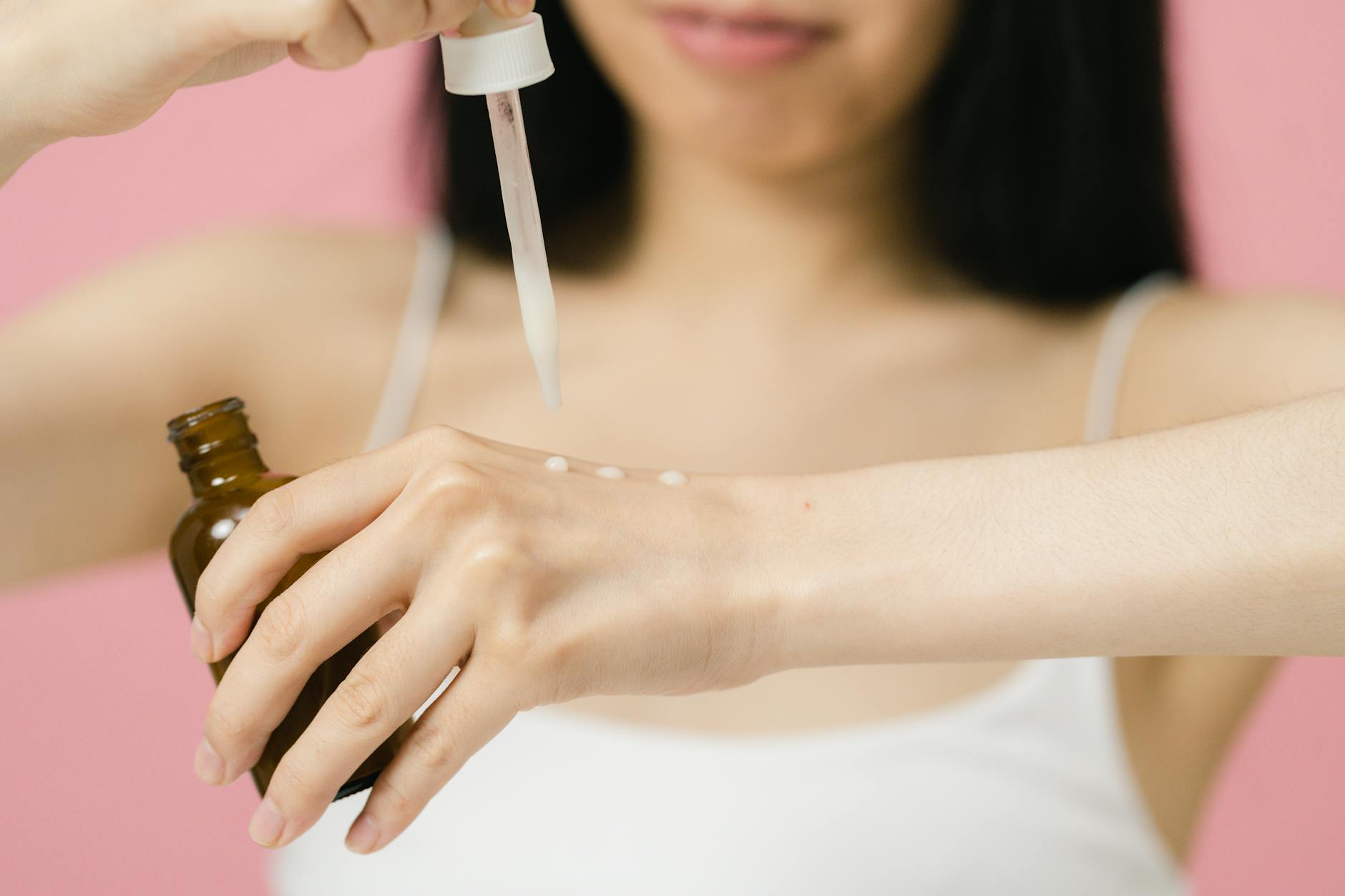
If you’ve already stopped your acne routine and rebound breakouts are happening, the solution isn’t to panic and jump back into aggressive treatment—that will further damage your already-compromised barrier. Instead, dermatologists recommend a barrier-repair-first approach. When discontinuing acne treatment, focus on barrier-repairing, anti-inflammatory skincare rather than aggressive spot treatments.
Key ingredients for barrier repair include niacinamide (which reduces inflammation and supports skin barrier recovery), ceramides (which restore the protective lipid layer), and gentle humectants like glycerin. These ingredients won’t treat acne actively the way benzoyl peroxide does, but they’ll stabilize your skin barrier and reduce inflammation, which reduces acne severity. Once your barrier is recovered (typically 2 to 4 weeks), you can then introduce a gentler acne-fighting treatment like a low-strength retinoid or azelaic acid. This staged approach prevents the cycle of aggressive treatment, barrier damage, and rebound acne that many people experience.
Building a Sustainable Long-Term Acne Management Plan
Modern dermatology is shifting away from the idea of “treating acne until it’s gone” toward “managing acne as a chronic condition with a sustainable routine.” The 2024-2025 guidelines from dermatology organizations increasingly emphasize individualized treatment plans that include a clear maintenance phase, not just an active treatment phase. This shift recognizes that adherence and sustainability are just as important as efficacy.
Your personalized long-term plan should identify: (1) what treatments work for your specific acne type, (2) the minimum intensity of those treatments needed to keep you clear, and (3) how to adjust seasonally or for life changes (stress, hormonal shifts, medication changes). For example, if you find that a strong retinoid clears your acne but makes your skin too dry to maintain, a maintenance routine combining a lower-strength retinoid with barrier-supporting ingredients might work better long-term. The goal is finding the “sweet spot” where your skin stays clear but you’re not so uncomfortable that you’ll quit the routine in six months.
Conclusion
Acne worsening after stopping your treatment routine isn’t a mystery or a sign of treatment failure—it’s the predictable result of stopping management of a chronic condition. Your skin’s underlying acne-prone characteristics don’t disappear when your breakouts clear; they’re simply controlled while you’re treating them. Rebound acne happens through multiple mechanisms: the return of untreated underlying causes, skin barrier damage leading to excess oil production, and in some cases, hormonal surges when medications like spironolactone are stopped.
The takeaway is clear: acne requires ongoing maintenance, not one-time treatment. This doesn’t mean harsh treatments forever—it means finding a sustainable routine you can maintain indefinitely, transitioning from aggressive treatment to gentler maintenance, and viewing acne management as a long-term commitment similar to other chronic health conditions. If you’ve experienced rebound acne, the path forward is barrier repair first, then gradual reintroduction of gentler acne-fighting treatments. Working with a dermatologist to create your personalized maintenance plan is the most effective way to prevent the cycle of stopping treatment and experiencing worsening breakouts.