
If you had clear skin through your twenties and suddenly broke out along your jawline and chin in your thirties or later, you’re experiencing hormonal acne—and this is remarkably common. Your skin didn’t fail; your hormones shifted. This type of acne typically emerges when androgens (male hormones present in all bodies) increase or your skin becomes more sensitive to normal hormone levels, triggering excess sebum production and bacterial growth in areas where your skin is thicker and has more oil glands.
Consider Sarah, who had flawless skin until age 31, when she noticed persistent bumps and blackheads forming along her lower face during her menstrual cycle—a pattern that escalated until she understood the hormonal trigger. This article explores why this happens specifically after 30, what treatments actually work, how to distinguish hormonal acne from other types, and when professional help becomes necessary. Late-onset acne is distinct from teenage breakouts because the hormonal drivers are different, the location is predictable (jawline, chin, sometimes neck), and the lesions tend to be deeper cystic bumps rather than surface whiteheads. Understanding this distinction changes everything about how you treat it.
Table of Contents
- Why Does Hormonal Acne Develop on the Jawline and Chin Specifically?
- How Hormonal Fluctuations Trigger Sebum Overproduction and Inflammation
- The Role of Androgens and Why Women’s Bodies Are Uniquely Affected
- Proven Treatment Approaches for Jawline and Chin Acne
- Why Your Skincare Routine Needs Strategic Adjustments
- When to Seek Professional Evaluation and Testing
- Building a Long-Term Strategy and Realistic Expectations
- Conclusion
- Frequently Asked Questions
Why Does Hormonal Acne Develop on the Jawline and Chin Specifically?
The jawline and chin have a higher concentration of androgen receptors than other facial areas—essentially, these zones are primed to respond when hormone levels shift. Unlike your forehead or cheeks, which might stay relatively clear, your lower face contains oil glands that are especially reactive to hormonal signals. This anatomical reality explains why the same woman can have a clear T-zone while battling stubborn breakouts along her jaw.
This pattern typically emerges in your late twenties, thirties, or forties, often coinciding with life stressors, changes in birth control, perimenopause, or undiagnosed conditions like polycystic ovary syndrome (PCOS). The acne often worsens during specific phases of your menstrual cycle—usually the week before your period when progesterone rises and sebum production peaks. A dermatologist examining you would likely identify these lesions as inflammatory papules or nodules rather than comedones, and they often leave temporary marks or hyperpigmentation that lingers longer than teenage acne would.
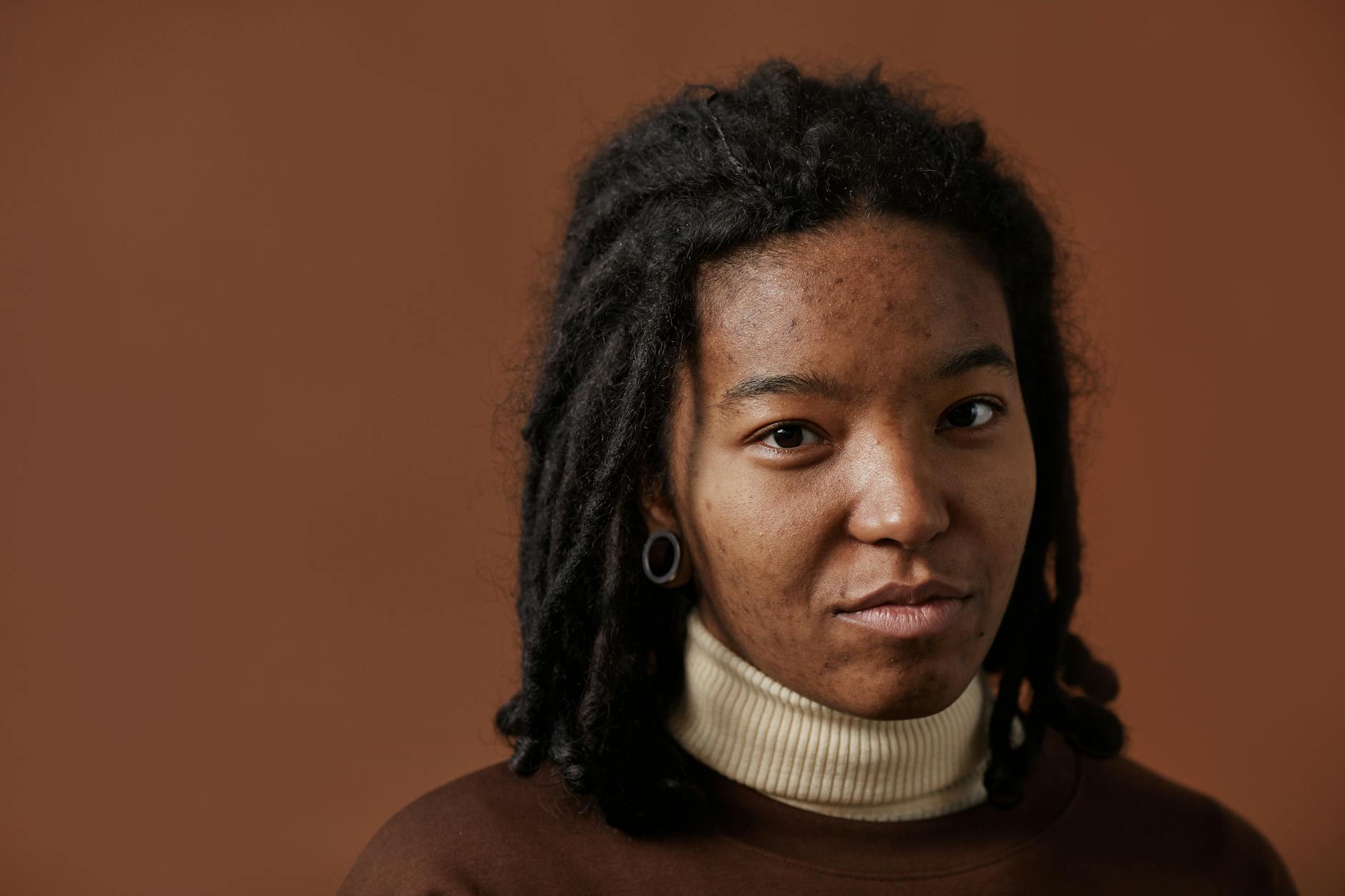
How Hormonal Fluctuations Trigger Sebum Overproduction and Inflammation
Your sebaceous glands are equipped with androgen receptors, meaning when free testosterone or other androgens increase—or when your skin’s sensitivity to existing hormone levels amplifies—your glands produce excess sebum. This excess oil doesn’t just sit on your skin; it mixes with dead skin cells and bacteria (particularly *Cutibacterium acnes*), creating an ideal environment for clogged pores and inflammation. The jawline area is especially vulnerable because the skin there is thicker, with fewer exfoliating skin cells naturally shedding, so blockages persist longer.
However, if your hormonal acne appears suddenly and is severe, it’s worth investigating whether you have an underlying hormonal imbalance rather than assuming it’s a normal life change. Conditions like PCOS, thyroid dysfunction, or adrenal issues can all trigger or worsen acne. Conversely, if your breakouts are mild and clearly tied to your cycle, they may respond well to topical treatments and lifestyle adjustments without any systemic intervention.
The Role of Androgens and Why Women’s Bodies Are Uniquely Affected
While androgens are often labeled “male hormones,” all bodies produce them. In people assigned female at birth, the ovaries and adrenal glands produce androgens, which normally get converted to estrogen or remain at low levels. But if your body produces slightly elevated androgens, or if your skin is genetically predisposed to overreact to normal levels, acne erupts—typically in areas where androgen receptors cluster, like the jawline.
Some women’s acne correlates precisely with their menstrual cycle because progesterone increases sebum production in the luteal phase, while estrogen levels drop. Birth control can either improve or worsen hormonal acne depending on the formulation. Oral contraceptives with lower androgens or higher anti-androgenic activity (like those containing spironolactone-like progestins) often reduce breakouts, while switching to a higher-androgen formulation or an IUD might trigger worsening acne. This means there’s no one-size-fits-all solution; your specific hormonal profile matters.

Proven Treatment Approaches for Jawline and Chin Acne
Topical retinoids are the gold standard for hormonal acne because they normalize skin cell turnover, reduce inflammation, and prevent future clogging without targeting hormones directly. Prescription-strength retinoids like adapalene (Differin) or tretinoin penetrate deeper than over-the-counter alternatives and work especially well on the jawline where cystic lesions tend to cluster. Most people see meaningful improvement in 8-12 weeks, though purging (temporary worsening) often occurs in the first 2-4 weeks. Start with lower concentrations if your skin barrier is compromised, and use sunscreen daily—retinoids increase photosensitivity.
Oral medications like spironolactone (an anti-androgen) or hormonal birth control directly address the hormonal driver, not just the symptom. Spironolactone blocks androgens from binding to skin receptors and typically reduces sebum production within 3 months; it’s particularly effective for women with confirmed elevated androgens or androgen sensitivity. However, spironolactone requires monitoring of potassium levels and kidney function, and it’s not recommended if you’re pregnant or planning to become pregnant. Antibiotics like doxycycline provide anti-inflammatory benefits and bacterial suppression but shouldn’t be used long-term due to resistance concerns; they’re best combined with topical treatments rather than used alone.
Why Your Skincare Routine Needs Strategic Adjustments
Hormonal acne calls for a different skincare approach than the harsh, super-stripping regimen you might have used as a teenager. Over-washing, using high-alcohol toners, or applying multiple potentially irritating actives simultaneously can damage your barrier, trigger more inflammation, and paradoxically increase oil production as your skin tries to compensate. Your focus should be gentle cleansing (a non-foaming cleanser applied once or twice daily), allowing time for your prescribed treatment to work, and strategic moisturizing to prevent irritation.
If you’re using a retinoid, avoid pairing it with vitamin C serums, niacinamide in high concentrations, or other potentially irritating actives in the same routine. Many women make the mistake of piling treatments on, assuming faster results, when the reality is that your skin needs stability and barrier support. Using a good moisturizer and sunscreen isn’t “babying” your skin; it’s allowing your active ingredients to do their job without forcing your skin into a defensive inflammation state. One warning: salicylic acid and benzoyl peroxide, which work well for teenage acne, often prove drying and inadequate for deeper, hormonal breakouts, though they can assist as spot treatments.

When to Seek Professional Evaluation and Testing
If your acne appeared suddenly, is severe, or is accompanied by other symptoms (irregular periods, hair growth in unexpected places, thinning scalp hair, weight changes), see a dermatologist or gynecologist for hormone testing. PCOS, thyroid disorders, Cushing’s syndrome, and adrenal issues can all manifest as sudden acne, and treating the underlying condition often clears the skin more effectively than topical treatments alone. A simple blood panel checking testosterone, DHEA-S, and thyroid function might reveal the root cause.
Your dermatologist can also assess whether you’re a candidate for oral medications like spironolactone or whether higher-strength retinoids would benefit you. Procedure options like professional peels, laser treatments, or light-based therapies exist but are typically considered after topical and oral options, not as first-line treatments. These can help with inflammation and existing scarring but won’t prevent new hormonal breakouts unless the hormonal component is addressed.
Building a Long-Term Strategy and Realistic Expectations
Hormonal acne at 30+ is typically a chronic condition, not an acute problem you’ll resolve in six weeks. The goal is effective management, which for most people means maintaining clear or mostly clear skin through consistent topical treatment (usually a retinoid), hormone regulation (through birth control, spironolactone, or lifestyle management), and a stable skincare routine. This might mean staying on low-dose spironolactone or using tretinoin indefinitely, and that’s medically sound—similar to taking a medication for blood pressure or cholesterol.
Your skin’s resilience doesn’t depend on having perfect hormones; it depends on supporting your barrier, being consistent with treatments, and managing stress and sleep, which both influence hormonal balance. Many women find that once they hit their forties or fifties and hormone levels stabilize post-menopause, acne improves naturally. In the meantime, understanding that this isn’t a character flaw or a sign of poor skincare—it’s a biological reality of how your skin responds to hormonal signaling—removes shame and allows you to focus on effective management.
Conclusion
Hormonal acne appearing on the jawline and chin after age 30 is a common, treatable condition driven by androgen sensitivity and the clustering of hormone receptors in your lower face. The most effective approach combines topical retinoids (the foundational treatment), possible oral medications like spironolactone or hormonal birth control (if appropriate), and a carefully maintained skincare routine that supports rather than irritates your barrier. The key difference from teenage acne is that you’re not fighting a temporary puberty phase—you’re managing a chronic hormonal pattern that responds best to consistency over time.
Start with a prescription retinoid or the highest-strength over-the-counter option if you’re not ready for a dermatology visit, give it 3-4 months of consistent use, and consider professional consultation if your acne is severe, sudden, or accompanied by other hormonal symptoms. Most people see significant improvement within 2-3 months of appropriate treatment, with maximum results appearing around 6 months. Your skin can clear, and you can maintain that clarity—it just requires understanding the hormonal root cause rather than treating it as simple teenage acne.
Frequently Asked Questions
Can I use benzoyl peroxide with tretinoin for hormonal acne?
They’re chemically incompatible and will deactivate each other if applied simultaneously. You can use benzoyl peroxide in the morning and tretinoin at night, but start lower concentrations to avoid excessive irritation. Many dermatologists prefer skipping benzoyl peroxide entirely with tretinoin in favor of gentle cleansing and moisturizing.
Will hormonal acne clear if I switch birth control?
For some women, yes—especially if switching to a pill with lower androgens or higher anti-androgenic activity. However, others see no improvement or initial worsening due to adjustment. It typically takes 2-3 months to assess whether a new birth control is helping, and switching multiple times isn’t practical; if acne doesn’t improve within 3-4 months, consider adding spironolactone or a retinoid rather than changing contraception again.
Is spironolactone safe to use long-term?
Yes, when monitored appropriately. Routine blood work checking potassium and kidney function every 6-12 months is standard. Spironolactone is a diuretic with a long safety record, and dermatologists commonly prescribe it for 5+ years without issues. The main caution is pregnancy—it’s not safe for pregnant people or those trying to conceive.
Why does my hormonal acne get worse before it gets better with tretinoin?
The “purge” phase occurs because tretinoin accelerates skin cell turnover, pushing congestion that was forming beneath the surface up and out. This typically lasts 2-4 weeks and is a sign the treatment is working, not that it’s causing damage. Continuing tretinoin through this phase is important; stopping early prevents you from reaching clearer skin.
Can diet or supplements help hormonal acne?
Some evidence supports reducing high-glycemic foods and limiting dairy, though effects are modest compared to hormonal or topical treatments. Spearmint tea, saw palmetto, and inositol supplements have limited research but may help in combination with medical treatments. These shouldn’t replace dermatology-approved options but can be reasonable additions to a comprehensive approach.
You Might Also Like
- She Developed Severe Acne After Stopping Birth Control…Dermatologist Says Hormonal Rebound Acne Affects 30% of Women
- She Had Acne for 20 Years…Her Daughter Developed It at Age 9…Genetics Account for 80% of Acne Risk
- She Was Told Her Deep Inflammatory Acne Was Just a Phase…It Lasted 15 Years Without Treatment