# Salicylic Acid for Texture and Acne
Salicylic acid is a widely used skincare ingredient that addresses two common skin concerns: acne breakouts and uneven skin texture. Understanding how it works and what it can do for your skin helps you use it effectively as part of your routine.
## How Salicylic Acid Works
Salicylic acid functions as a keratolytic agent, which means it helps remove dead skin cells from the surface and inside pores. The ingredient works by dissolving the “glue” that holds dead skin cells together, specifically targeting intercellular lipids and proteins. Because salicylic acid is lipophilic, it can penetrate deep into oily, sebum-filled pores where acne typically forms.
Once inside the pores, salicylic acid loosens the mixture of excess oil, dirt, and impurities that cause clogging. This penetrating ability makes it particularly effective for treating acne at its source rather than just addressing surface symptoms. Beyond pore penetration, salicylic acid also helps regulate sebum production, which is crucial for preventing future breakouts by controlling excess oil on the skin.
## Treating Active Acne
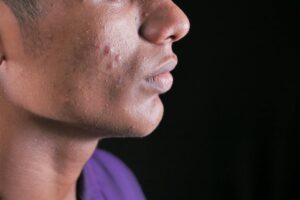
For people dealing with acne, salicylic acid offers several benefits. It effectively clears whiteheads and blackheads by removing the buildup inside pores. Regular use reduces active acne by preventing these comedones from developing into larger inflammatory pimples. The ingredient also possesses bacteriostatic and fungicidal properties, meaning it can slow bacterial growth and fight fungal issues that contribute to breakouts.
The anti-inflammatory effects of salicylic acid help calm inflamed acne and reduce redness. When used consistently, it prevents future breakouts by keeping pores clear and controlling the excess sebum that leads to clogged pores in the first place.
## Improving Skin Texture
Beyond acne treatment, salicylic acid helps improve overall skin texture through its exfoliating action. By speeding up cell turnover, it can fade post-acne texture irregularities and rough patches. This makes it useful for conditions like keratosis pilaris, those small bumps that often appear on upper arms and thighs. The ingredient also smooths rough elbows, knees, and heels by exfoliating the plugged follicles and dead skin buildup in these areas.
It’s important to note that while salicylic acid excels at improving minor texture issues and post-acne marks, it has modest results for deep scarring or significant pigmentation problems. Those concerns typically require professional treatments.
## Best for Oily and Acne-Prone Skin
Salicylic acid works best for people with oily and acne-prone skin types. Its ability to dissolve in oil makes it ideal for treating active acne, reducing excess sebum, preventing clogged pores, and controlling blackheads. If you have dry or dehydrated skin, you may want to consider gentler exfoliating options, as salicylic acid can be more drying.
## Important Considerations
One consideration for people with darker skin tones is that straight salicylic acid solutions may cause hyperpigmentation if used without proper sun protection. Using a broad spectrum sunblock is essential when using salicylic acid, particularly for those with Fitzpatrick phototypes IV, V, or VI.
Salicylic acid is available in various forms including creams, gels, and shampoos. When incorporated into your skincare routine, consistent use is key to seeing results. The ingredient works best when given time to show its effects on acne prevention and texture improvement.
Sources
https://go.drugbank.com/drugs/DB00936
https://www.healthgennie.com/blog/salicylic-acid-vs-glycolic-acid
https://worldofasaya.com/blogs/acne/7-powerful-salicylic-acid-benefits-for-radiant-skin
https://pmc.ncbi.nlm.nih.gov/articles/PMC12735603/
https://www.droracle.ai/articles/618304/what-are-the-antimicrobial-benefits-of-salicylic-acid