
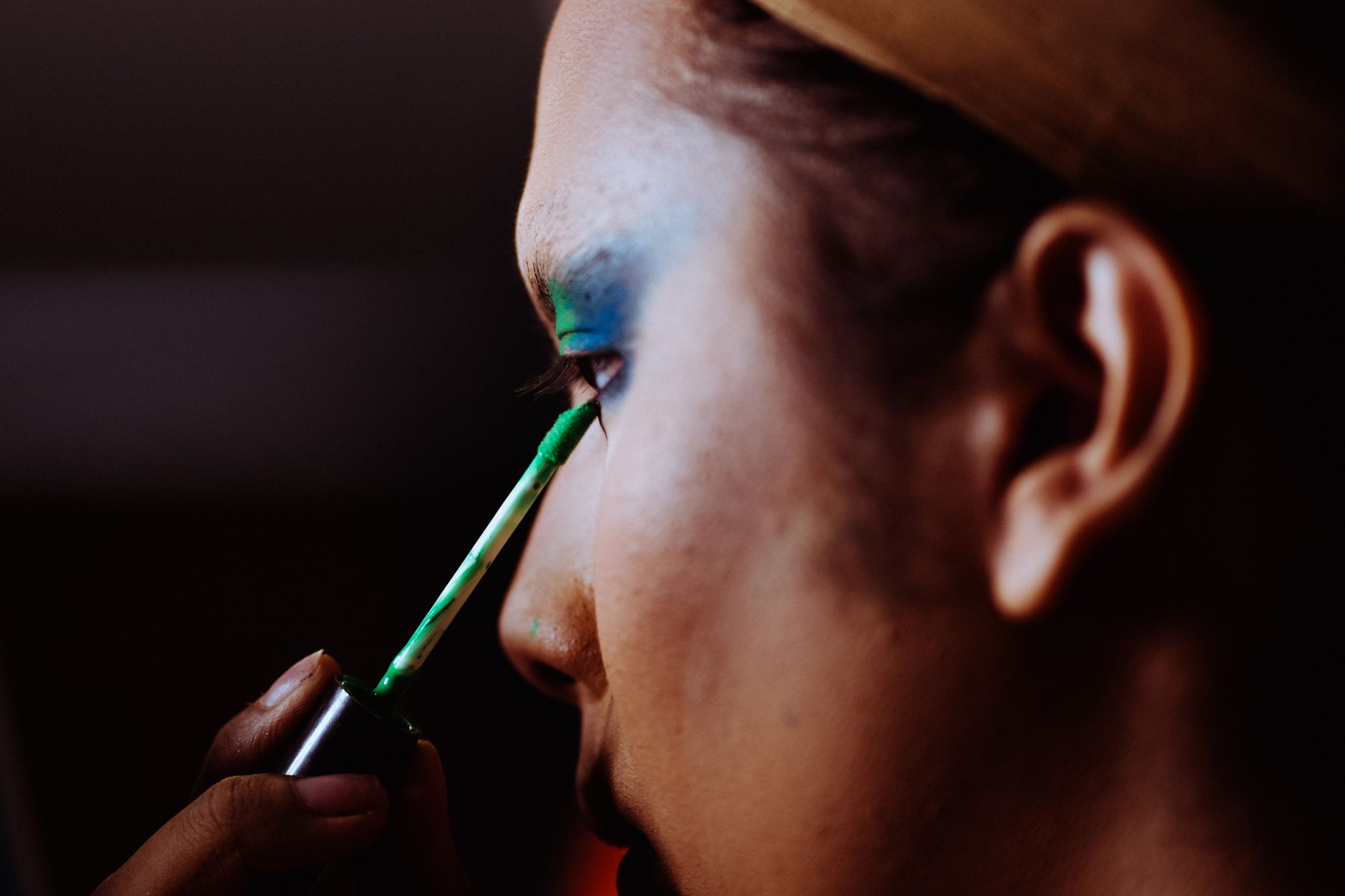
The February 2026 split-face trial put two treatments on opposite cheeks to compare them for moderate-to-severe indented acne scars. For medium to brown skin, wider evidence shows microneedle radiofrequency causes less pain, shorter redness, and less dark-spot risk than carbon-dioxide laser.
According to Springer/Dermatology and Therapy, the trial tested fractional microneedle radiofrequency with transdermal poly-L-lactic acid versus sterile water in Asian patients with Fitzpatrick types III-V the February 2026 trial report. Microneedling uses tiny punctures to spur collagen and elastin, and radiofrequency sends heat through the needles. Expect redness and swelling for days, with strict sun protection to guard pigment.
Medical information disclaimer: This article is for general educational purposes only and does not provide medical advice, diagnosis, or treatment. Always consult a physician or other qualified health professional about symptoms, medications, tests, or treatment decisions.
Table of Contents
- What did the 2026 trial test?
- Which hurts more and heals faster?
- What dark-spot risk should brown skin expect?
- How can you lower pigment risk?
- What are the limits for darker skin?
What did the 2026 trial test?
The trial enrolled Asian adults with moderate-to-severe indented scars and medium to brown skin. One cheek received fractional microneedle radiofrequency with transdermal poly-L-lactic acid, the other received the same energy with sterile water.
Random assignment and double blinding reduced bias by hiding side assignment from patients and raters. Here poly-L-lactic acid was applied through the skin after needling, not as a separate filler injection. Sterile water on the comparison side helped isolate any added effect from the acid itself.
Which hurts more and heals faster?
According to the Journal of Cosmetic Dermatology meta-analysis, eight split-face trials with 249 patients compared carbon-dioxide laser with microneedle radiofrequency the pooled comparison of eight split-face trials. Laser improved scars more but caused clearly higher pain, higher dark-spot risk, and longer redness.
A separate split-face comparison of fractional erbium laser versus microneedling radiofrequency reported laser-side redness lasting 1 to 3 days. Three laser-side cases had prolonged redness, eczema-like change and darkening, while five radiofrequency-side cases had folliculitis, or inflamed hair follicles. For people who fear post-inflammatory hyperpigmentation, or dark spots after injury, the trade is clearer scars versus calmer healing.
What dark-spot risk should brown skin expect?
According to the FDA/Healio Q and A, authorized microneedling lists pigment increase or loss, infection, scarring, and irritation as risks the FDA Q&A on radiofrequency-microneedling risks. The agency's 2025 radiofrequency-microneedling warning adds thermal burns and scarring if applied poorly, with higher dark-spot risk for darker skin at aggressive settings. A ScienMag summary counted 224 events across 114 radiofrequency-microneedling reports.
Pigment change appeared in 18.3 percent, texture change in 25 percent, and fat loss in 11.6 percent. The review concluded insulated needles hold an advantage over ablative lasers for darker skin when performed well. A Medscape/PubMed abstract on 1550-nm laser in Fitzpatrick IV to VI found darkening in 5 of 7 higher-density and 3 of 7 lower-density patients. It called the darkening common but self-limited.
How can you lower pigment risk?
Cleveland Clinic notes microneedling uses punctures to build collagen and elastin, with redness and swelling settling within days. According to the ASLMS skin-of-color primer, guidance stresses strict broad-spectrum or tinted sunscreen before and after, plus possible short hydroquinone pretreatment.
- wear broad-spectrum or tinted sunscreen daily before treatment and through healing
- pause picking, harsh acids, and strong sun while redness lasts
- ask about conservative energy, insulated needles, and a test spot for darker skin
- report blistering, spreading darkening, or redness past a few days promptly
What are the limits for darker skin?
Darker-skin data remain small and short. A Lasers in Surgery and Medicine pilot included only 7 Fitzpatrick IV to VI patients, with three monthly treatments and 3-month follow-up.
That size cannot represent keloid-prone skin or severe scarring, so treat results as promising rather than firm. Bring scar photos, pigment history, and keloid history to your consult to set energy and follow-up.
You Might Also Like
- Recovery and Pigment Safety in the 2026 Split-Face Acne Scar Trial: Questions People With Skin of Color Can Ask Before a Procedure
- Recovery and Pigment Safety in the 2026 Split-Face Acne Scar Trial: Sample Size and Evidence Limits for People With Skin of Color
- Vitamin C, Vitamin E, and Ferulic Acid After Acne Scar Laser in 2026: Cost, Sessions, and Downtime Questions for People With Skin of Color