
PIE vs Hyperpigmentation: How to Tell the Difference
After acne heals, you might notice marks on your skin that linger. Two common types are post-inflammatory erythema, or PIE, and post-inflammatory hyperpigmentation, or PIH. PIE shows up as red or pink spots, while PIH appears as brown or dark patches. Knowing the difference helps you pick the right way to treat them.
PIE happens when tiny blood vessels under the skin get damaged from inflammation, like from a bad breakout. This leaves a red, pink, or even purplish mark that sticks around. It is more common in people with lighter skin tones, such as Fitzpatrick types I through III. The redness stands out because it contrasts with pale skin. PIE is not about extra pigment; it is a vascular issue, meaning it involves blood vessels.
PIH, on the other hand, comes from too much melanin, the pigment that colors your skin. Inflammation triggers your skin to make extra melanin, creating flat brown, tan, or dark spots. This type shows up more often in people with medium to darker skin tones, like Fitzpatrick types IV through VI. PIH can happen anywhere inflammation occurs, such as acne, cuts, or sun exposure.
Both can follow acne, but they look and feel different. PIE marks are red and often raised slightly at first. PIH spots are flat and colored like chocolate or gray. A simple test called the blanching test can help tell them apart. Press a clear glass slide or your finger on the mark. If the redness fades away under pressure, it is PIE because the blood vessels empty out. PIH does not fade because it is melanin, not blood.
Sun exposure makes both worse by keeping inflammation going or darkening PIH. Picking at pimples or using harsh products can lead to either one. They can even happen together on the same skin, especially in mixed tones.
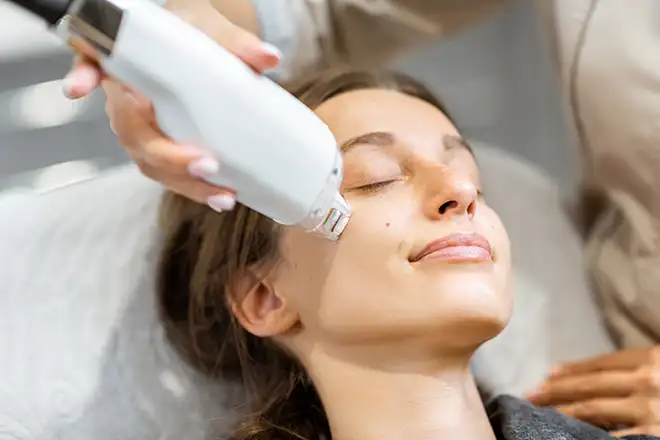
To treat PIE, focus on calming blood vessels and reducing redness. Ingredients like vitamin C, niacinamide, azelaic acid, or glycolic acid help fade it over time. Laser treatments like IPL target the vessels directly. For PIH, use brightening agents such as hydroquinone or retinoids to even out pigment. Always wear sunscreen daily to protect healing skin.
Patience matters since both fade naturally, but the right care speeds it up. Keep acne controlled to avoid new marks.
Sources
https://www.kins-clinic.com/blogs/post-inflammatory-erythema-from-acne-a-guide-to-causes-and-treatments
https://banish.com/blogs/article/pie-vs-pih-how-to-tell-the-difference
https://worldofasaya.com/blogs/acne/post-acne-hyperpigmentation-your-complete-guide
https://slmdskincare.com/blogs/learn/the-5-kinds-of-acne-scars-how-to-treat-each-type