# Post-Inflammatory Erythema in Different Skin Tones Explained
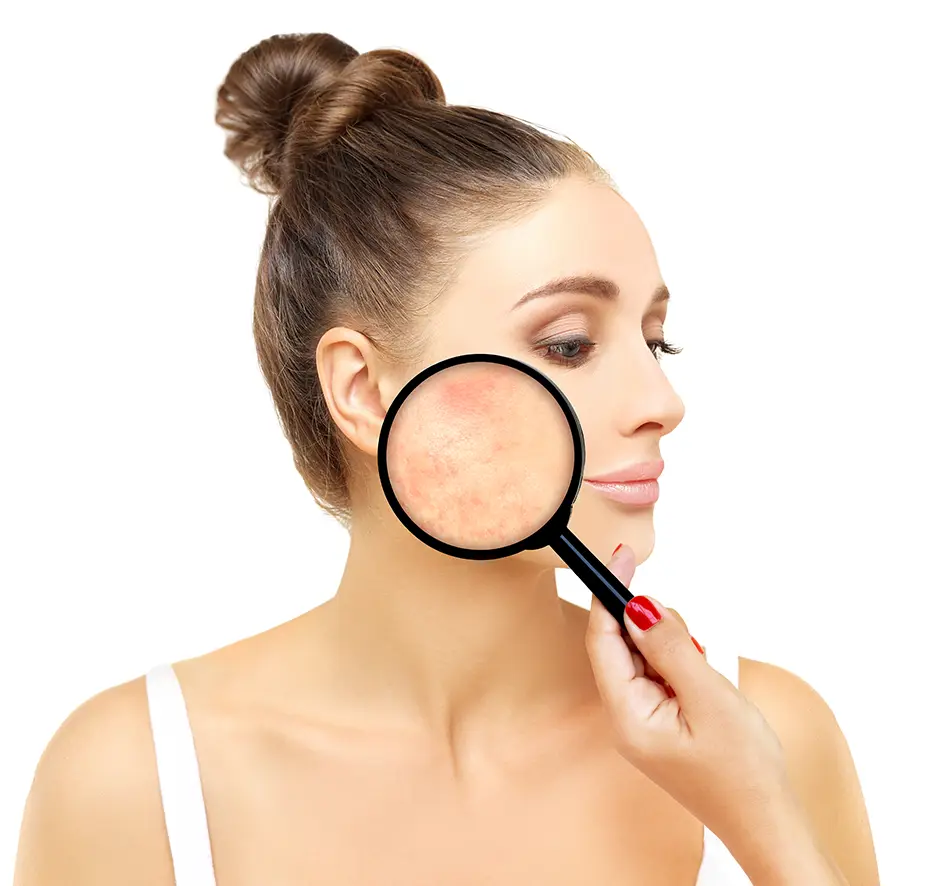
Post-inflammatory erythema, commonly called PIE, is the redness that lingers on your skin after a pimple or other irritation has healed. Unlike the dark spots many people worry about, PIE appears as persistent redness caused by broken capillaries rather than excess melanin production. Understanding how PIE affects different skin tones can help you better manage this common skin concern.
What Causes Post-Inflammatory Erythema
When your skin experiences inflammation from acne, cuts, or irritation, the blood vessels in the affected area become damaged. These broken capillaries leave behind visible redness even after the original wound has healed. This is fundamentally different from post-inflammatory hyperpigmentation, which involves the skin producing too much melanin and creating dark spots. PIE is purely about vascular damage and blood vessel visibility rather than pigment changes.
How PIE Appears on Different Skin Tones
The appearance of PIE varies significantly depending on your skin tone. On lighter skin, PIE typically shows up as pink or red marks that stand out clearly against the surrounding skin. On medium skin tones, the redness may appear more orange or coral-toned. On darker skin tones, PIE can manifest as purple or deep red marks that may be less immediately noticeable than on lighter skin, but the underlying vascular damage is the same.
The key difference between skin tones is not whether PIE occurs, but how visible it appears. Lighter skin tones tend to show redness more prominently because there is less melanin to mask the blood vessel visibility. Darker skin tones may make the redness less obvious at first glance, but the condition is equally present and requires the same attention.
Why Skin Tone Matters for PIE Management
Understanding your skin tone helps you recognize PIE when it develops. People with lighter skin may notice PIE immediately after acne heals and become concerned about the persistent redness. Those with darker skin tones might not realize they have PIE because the redness blends differently with their complexion, or they might mistake it for hyperpigmentation instead.
The healing timeline for PIE is generally consistent across all skin tones, though individual variation exists. The redness typically fades over time as the damaged capillaries repair themselves and new skin cells replace the damaged tissue. However, the visibility of this process differs based on your natural skin tone.
Managing PIE Across All Skin Tones
Regardless of your skin tone, the approach to managing PIE involves protecting your skin from further inflammation and supporting the healing process. Gentle skincare is essential, as harsh products can trigger additional inflammation and potentially worsen or create new PIE. Avoiding picking at acne or irritated skin prevents additional capillary damage.
Sun protection plays an important role in PIE management for all skin tones. UV exposure can intensify redness and slow the healing process. Using broad-spectrum sunscreen helps protect the healing skin and prevents the redness from becoming more pronounced.
The distinction between PIE and post-inflammatory hyperpigmentation is crucial for proper treatment. While PIE involves vascular damage and redness, hyperpigmentation involves melanin production and dark spots. Some people experience both conditions simultaneously after acne or injury, which requires different treatment approaches for each concern.
Patience remains important when dealing with PIE. The healing process takes time, and consistent care with appropriate products supports your skin’s natural recovery. By understanding how PIE presents on your specific skin tone, you can better identify the condition and take appropriate steps to support healing.
Sources
https://www.skinboutiqueonline.com/blogs/news/hyperpigmentation-types-explained
https://worldofasaya.com/blogs/skin-types/3-skin-types-most-prone-to-post-inflammatory-pih
https://artofskincare.com/blogs/learn/how-to-treat-post-inflammatory-hyperpigmentation-at-home
https://ensoulclinic.com/condition/post-inflamatory-hyperpigmentation/