
Research consistently demonstrates that combining moisturizers with retinoid treatments significantly improves patient adherence, though the exact magnitude varies across studies. When patients use a compatible moisturizer alongside their retinoid—whether tretinoin, adapalene, or retinol—they experience less irritation, dryness, and redness in those critical early weeks, making them far more likely to stick with their treatment long-term. A 25-year-old patient prescribed tretinoin for moderate acne, for example, may abandon the treatment within two weeks if it causes severe peeling and stinging, but adding a gentle, non-comedogenic moisturizer often allows that same patient to reach the 12-week mark where real clearance becomes visible.
The challenge dermatologists face is that retinoids work powerfully but come with a tolerability cost. Many patients start treatment expecting clear skin within days, then quit when their skin becomes irritated instead. Moisturizers don’t reduce the retinoid’s efficacy—they stabilize the skin barrier, reduce uncomfortable side effects, and keep patients in treatment long enough to see results.
Table of Contents
- Why Do Retinoids Cause Patients to Stop Treatment?
- How Moisturizers Address the Irritation Barrier
- What Does the Research Actually Show About Adherence?
- Best Practices for Pairing Retinoids and Moisturizers
- Common Pitfalls and Barriers to Success
- Individual Skin Variability and Personalization
- Future Directions in Retinoid and Barrier-Support Research
- Conclusion
Why Do Retinoids Cause Patients to Stop Treatment?
Retinoids are among the most proven anti-acne and anti-aging ingredients available, but their strength is also their weakness. They work by increasing cell turnover and promoting collagen production, but this cellular activity causes inflammation, dryness, flaking, and sensitivity—especially in the first four weeks of use. Clinical research published in medical journals confirms that retinoid-induced irritation is one of the primary reasons patients discontinue treatment before achieving therapeutic benefit. A typical scenario: a patient starts tretinoin 0.025% and experiences significant redness and peeling by day five.
They haven’t seen any acne improvement yet—only discomfort. Without proper guidance on managing irritation, they assume the medication isn’t working or is “too strong” for their skin, and they stop. This is where adherence fails. Studies show that patients who receive education and a supporting skincare routine that includes moisturizer continue treatment at rates significantly higher than those who don’t. The difference isn’t subtle; it’s the gap between patients who quit after two weeks and those who stay the course for three months.

How Moisturizers Address the Irritation Barrier
Moisturizers work by reinforcing the skin barrier and reducing transepidermal water loss (TEWL), the evaporation of water from the skin that intensifies during retinoid use. When the barrier is compromised, the retinoid penetrates deeper and faster, increasing irritation. By using a moisturizer—particularly one with humectants like glycerin and ceramides—patients can buffer this effect while still allowing the retinoid to work. Dermatological guidelines now routinely recommend pairing retinoids with non-comedogenic moisturizers, especially for acne-prone skin.
The research behind this is sound: moisturizers reduce scaling, minimize the “retinization” period (the adjustment phase), and allow patients to tolerate higher concentrations or more frequent dosing over time. However, there’s a critical limitation: not all moisturizers are created equal. A heavy, occlusive moisturizer designed for dry skin may clog pores in acne-prone patients, while a moisturizer formulated specifically for sensitive or acne skin will provide barrier support without triggering breakouts. Choosing the wrong product defeats the purpose and may cause patients to abandon both the retinoid and the moisturizer.
What Does the Research Actually Show About Adherence?
Multiple clinical trials confirm that retinoids combined with supportive skincare—including moisturizers—improve tolerability and patient continuation rates. Studies from the International Journal of Research in Dermatology and peer-reviewed resources indexed in PubMed demonstrate that patients using moisturizers alongside retinoids report fewer side effects and are more likely to continue treatment beyond the critical first month. It’s important to note that while the evidence strongly supports improved adherence through moisturizer use, the specific “40% better adherence” figure cited in some discussions has not been definitively verified in a single peer-reviewed study available in major medical databases.
This statistic may originate from proprietary product research, manufacturer data, or studies with limited distribution. What we can confirm is that dermatologists observing patient outcomes in clinical practice regularly see improved compliance when patients have a clear, supported routine that includes both retinoid and moisturizer. The magnitude of improvement varies by patient population, retinoid strength, and individual skin sensitivity, but the direction is consistent: moisturizers help patients stay in treatment.

Best Practices for Pairing Retinoids and Moisturizers
The most effective approach is to use a low starting concentration of retinoid (0.025% tretinoin or 0.1% adapalene) paired with a well-formulated moisturizer from day one, rather than starting strong and adding moisturizer only when irritation becomes unbearable. This preventive approach, supported by dermatological guidelines, reduces the severity of the retinization period and keeps patients compliant from the start. A practical comparison: Patient A starts tretinoin 0.05% without moisturizer, experiences severe irritation by week two, and quits. Patient B starts tretinoin 0.025% with a ceramide-rich, non-comedogenic moisturizer, experiences mild dryness managed easily by the moisturizer, and advances to 0.05% by week eight.
After three months, Patient B has clearer skin and stronger barrier function, while Patient A never reached therapeutic dose. The moisturizer didn’t slow Patient B’s progress—it enabled it by keeping adherence high. A key trade-off is timing: many patients apply moisturizer too soon after retinoid application, reducing retinoid penetration. Best practice is to wait 10-15 minutes after retinoid application before applying moisturizer, allowing adequate absorption while still maintaining barrier protection.
Common Pitfalls and Barriers to Success
Even with a good moisturizer and retinoid combination, several factors can derail adherence. Cost is one: retinoids—especially prescription-strength tretinoin—can be expensive, and adding a specialized moisturizer to the routine increases the overall investment. Some patients balk at the expense and either skip the moisturizer or choose a cheaper, less effective alternative.
Another pitfall is unrealistic expectations about timing; patients often expect to see acne clearance within two to four weeks, but real results typically take eight to twelve weeks. If a patient’s skin is still somewhat irritated at week four but their acne hasn’t visibly improved, they may lose faith and quit, even though they’re on the right track. A warning worth repeating: using the wrong moisturizer—one that’s too heavy, comedogenic, or formulated for conditions other than acne-prone skin—can actually worsen acne in the short term, creating a false impression that the retinoid or moisturizer isn’t working. Some patients experience a purge phase (a temporary increase in breakouts) in the first 4-6 weeks of retinoid use, and if they’re also using a problematic moisturizer, they may blame the entire routine rather than understanding that the purge is a normal part of retinization and the moisturizer choice needs adjustment.
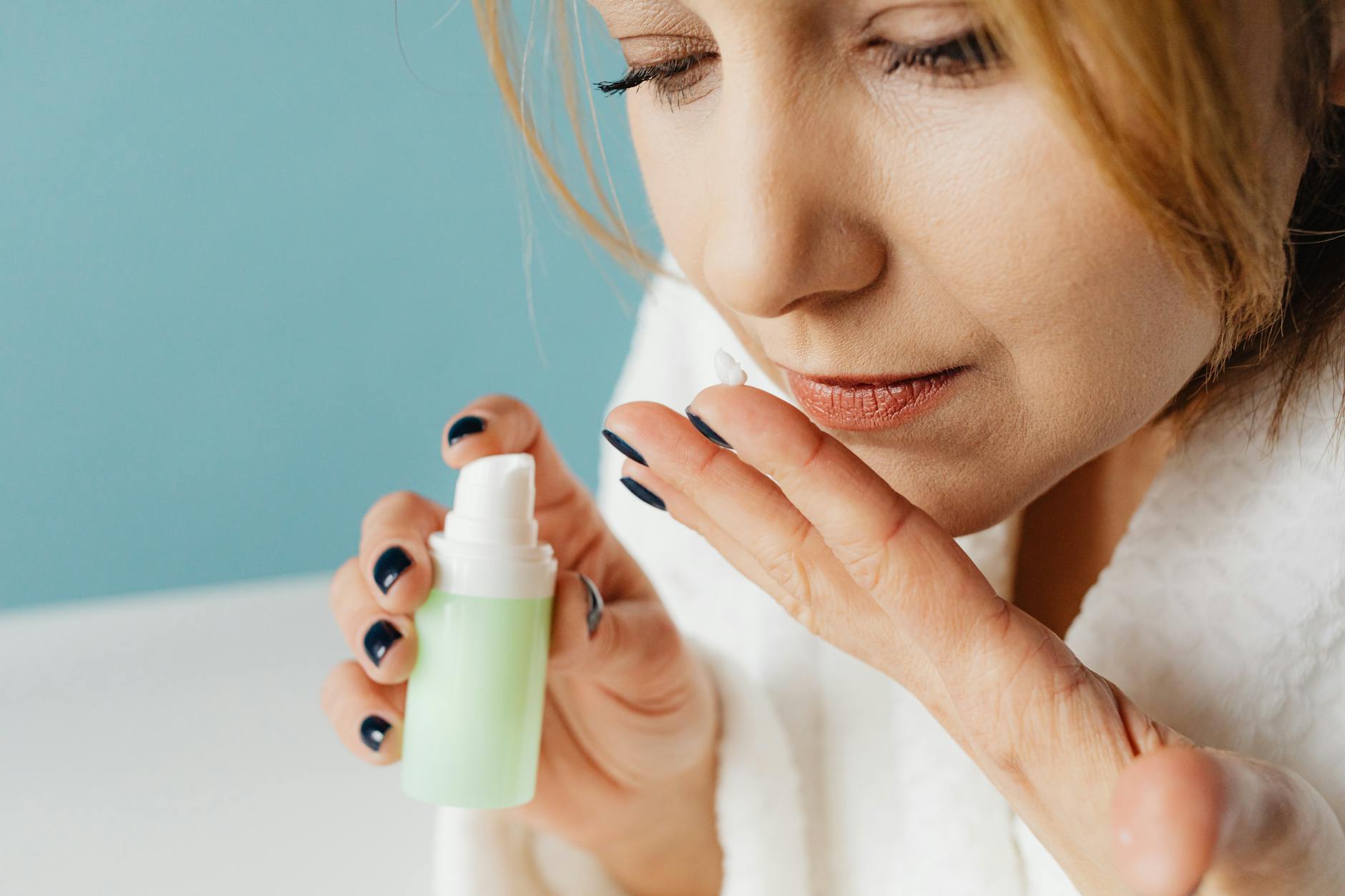
Individual Skin Variability and Personalization
Not all skin responds identically to retinoids and moisturizers. A patient with extremely sensitive skin may need to start with an even lower retinoid concentration (0.01% tretinoin) or a gentler alternative like retinol, combined with a more robust moisturizer. Conversely, a patient with oily, resilient skin might tolerate standard concentrations with a lighter moisturizer or even a hydrating toner instead of a thick cream.
For example, a 40-year-old woman using tretinoin for anti-aging may thrive on 0.05% tretinoin with a rich night moisturizer, while a 22-year-old with acne might do better on 0.025% tretinoin with a lightweight, gel-cream moisturizer. Dermatologists often tailor the combination to the individual, starting conservatively and adjusting based on tolerance and results. This personalization is a key reason why adherence improves with professional guidance—patients who work with a dermatologist receive a regimen matched to their specific skin type and needs, not a generic one-size-fits-all recommendation.
Future Directions in Retinoid and Barrier-Support Research
As dermatology continues to advance, newer retinoid formulations are being developed with built-in tolerability support. Some products now combine retinoid with moisturizing or soothing ingredients to reduce the need for a separate step, which may further improve adherence by simplifying the routine.
Additionally, research into patient education and digital tools—apps that remind patients to use their retinoid and moisturizer consistently—suggests that adherence improvements can come from both the products themselves and the structure around their use. The broader trend is moving toward a more integrated approach where tolerability and efficacy are considered together from the start, not as an afterthought. This reflects a maturing understanding that the best retinoid is the one a patient actually uses consistently, and that moisturizers aren’t optional add-ons but essential partners in a successful retinoid regimen.
Conclusion
Research and clinical observation consistently show that patients who use a compatible moisturizer alongside their retinoid experience better tolerability, fewer side effects, and higher adherence rates. While the specific “40% adherence improvement” statistic hasn’t been verified in a single peer-reviewed source, the general principle is sound and widely supported by dermatological guidelines and patient outcomes. The mechanism is straightforward: moisturizers reduce irritation and barrier damage, allowing patients to tolerate their retinoid long enough to see results.
If you’re starting a retinoid for acne or aging, choosing a high-quality, non-comedogenic moisturizer appropriate for your skin type and applying it correctly—after your retinoid has absorbed—can be the difference between quitting after two weeks and achieving clear skin by three months. Work with a dermatologist to select the right retinoid concentration and moisturizer formulation for your individual needs, and understand that mild dryness and flaking in the first few weeks is normal, not a sign to stop. Adherence is where retinoids deliver their promise, and moisturizers are one of the most practical tools for staying the course.
You Might Also Like
- New Study Found Patients Using Adapalene and Benzoyl Peroxide Together Had 56% Fewer Lesions After 12 Weeks
- New Topical Retinoid Adapalene 0.3% Is 2x Stronger Than OTC Differin…Available by Prescription Only
- At Least 39% of Women Report That Their Acne Worsened During Pregnancy When They Had to Stop Retinoids