A 2014 clinical study of 100 acne patients found that when adapalene was prescribed alongside a moisturizer from the start of treatment, patients continued their therapy at a significantly higher rate than those using adapalene alone. In the study group using adapalene with a heparinoid moisturizer, 100% of patients maintained their initial therapy through week 4. By contrast, only 70% of patients using adapalene without moisturizer continued treatment—meaning 30% quit within that critical first month. The difference wasn’t marginal; it was the distinction between patients completing their treatment protocol and patients abandoning it before results typically appear. This finding has important implications for how dermatologists approach acne treatment, since discontinuation of therapy is one of the primary reasons patients don’t achieve clear skin. The core issue driving poor adherence isn’t that adapalene doesn’t work.
It’s that adapalene—a topical retinoid—causes irritation, dryness, and peeling when used alone, especially during the first weeks of treatment. Patients experience redness, flaking skin, and discomfort that feels like their treatment is making acne worse before it gets better. Many stop using it rather than pushing through the adjustment period. Adding a non-comedogenic moisturizer from day one addresses this exact problem by reducing irritation and improving tolerance, making patients far more likely to stick with therapy long enough to see results. Research into topical acne therapies broadly shows that approximately 40% of patients demonstrate poor adherence to topical treatments, making this a widespread challenge across dermatology. When a simple addition—a compatible moisturizer—can move adherence rates from 70% to 100%, it represents a meaningful opportunity to improve treatment outcomes across the population of acne patients.
Table of Contents
- Why Do Patients Stop Using Adapalene?
- How Moisturizer Changes the Treatment Equation
- Real-World Examples: What Happens With and Without Moisturizer
- Dermatologist Recommendations: Why Prescribe Moisturizer From Day One
- Common Challenges and Limitations of This Approach
- The Broader Picture of Acne Treatment Adherence
- Looking Forward: Implications for Dermatology Practice
- Conclusion
Why Do Patients Stop Using Adapalene?
adapalene is a third-generation retinoid that targets acne through multiple mechanisms: it normalizes follicular keratinization, reduces sebum production, and has anti-inflammatory properties. These benefits make it one of the most effective topical acne treatments available. However, these same mechanisms that make adapalene effective also make it irritating during the initial adjustment phase. When retinoids enter skin cells, they increase cell turnover and can cause inflammation as the skin adapts.
During the first two to four weeks of adapalene use, patients commonly experience what’s called the “retinization phase.” Skin becomes red, dry, flaky, and sensitive. Patients may see increased breakouts or increased redness and wonder if the medication is harming their skin rather than helping it. Without guidance and without relief from dryness, many patients interpret these effects as a sign the medication isn’t right for them and discontinue it. A subset of patients will power through if they understand what’s happening, but many others quit. This is precisely where moisturizer becomes not just nice-to-have but essential to treatment success.

How Moisturizer Changes the Treatment Equation
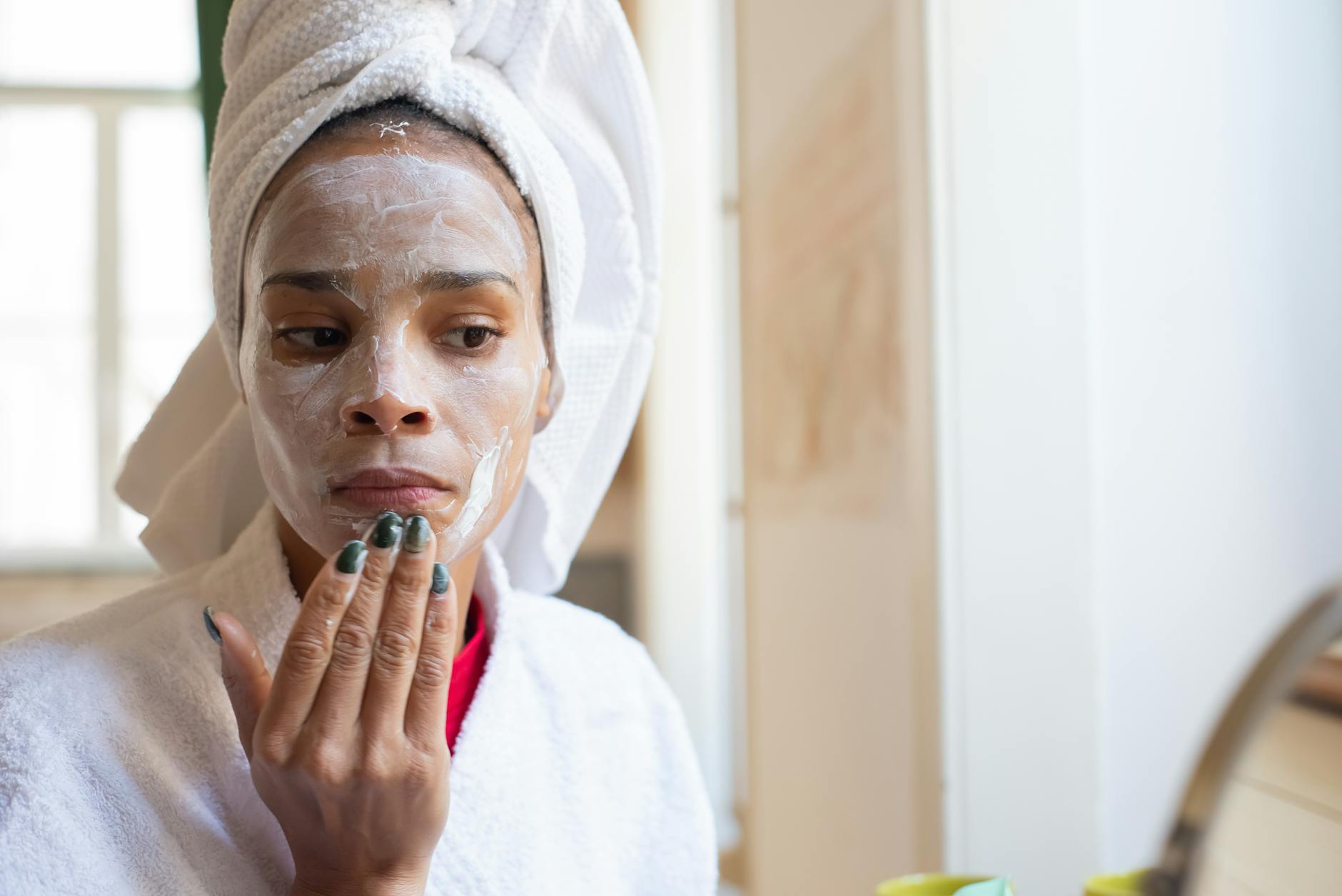
The moisturizer addition isn’t about diluting adapalene’s effects or compromising efficacy. This is a critical distinction. In the Hayashi study and subsequent research, non-comedogenic moisturizers used alongside adapalene did not reduce the medication’s effectiveness—patients still achieved the same therapeutic results as those using adapalene alone. Instead, the moisturizer buffered the irritation, allowed patients to tolerate the medication, and therefore enabled them to maintain consistent use. A non-comedogenic moisturizer works by creating a protective barrier, reducing transepidermal water loss (the mechanism behind adapalene-induced dryness), and calming inflammation. When applied correctly—typically in the evening after adapalene application or in the morning as a separate step—the moisturizer allows the retinoid to work without causing such severe irritation that patients abandon therapy.
Some dermatologists worry that adding moisturizer might reduce retinoid penetration or efficacy, but the evidence doesn’t support this concern. The therapeutic benefit depends on consistent use, and consistency is impossible if patients quit because of unbearable irritation. One limitation of the available research is that most studies are relatively small or conducted in specific geographic regions. The Hayashi study involved 100 patients in Japan, so questions remain about whether these exact results translate universally across all patient populations and skin types. Additionally, the choice of moisturizer matters—not all moisturizers are truly non-comedogenic, and some ingredients (like certain occlusive agents) might interfere with adapalene’s efficacy more than others. Dermatologists should be specific about recommending moisturizers with established compatibility data rather than simply recommending “any moisturizer.”.
Real-World Examples: What Happens With and Without Moisturizer
Consider a typical patient scenario: An 18-year-old with moderate acne starts adapalene 0.1% gel prescribed by their dermatologist. For the first five days, everything seems fine. By day six, their skin starts peeling noticeably. By day 10, they have visible flaking, redness, and their acne appears slightly worse. They text their dermatologist asking if something is wrong, or they simply stop using the medication without communicating. Without context about what to expect and without a moisturizer to manage symptoms, they fall into the 30% who discontinue within four weeks. In contrast, another patient receives the same adapalene prescription but is also given a gentle, non-comedogenic moisturizer with specific instructions: apply adapalene in the evening, wait 20 minutes, then apply the moisturizer.
When skin starts peeling around day six, they have a tool to manage it. The peeling and redness are present but less severe and more tolerable. They understand these are normal adjustment symptoms, and they have relief. They continue treatment and by week 8 see meaningful improvement in their acne. This patient remains in the 100% adherence group. The difference between these two scenarios is purely informational and pharmaceutical—the same active ingredient, but one patient receives support for the expected side effects and one doesn’t. For acne treatment, where weeks and months matter, this support is the difference between success and failure.

Dermatologist Recommendations: Why Prescribe Moisturizer From Day One
The evidence suggests that dermatologists should view adapalene and a compatible moisturizer as a package deal rather than adapalene as the primary treatment with moisturizer as optional afterthought. When a dermatologist prescribes adapalene without discussing or recommending moisturizer, they’re essentially accepting a 30-percentage-point higher discontinuation rate. Given that around 40% of patients already show poor adherence to topical acne treatments, adding another risk factor by omitting moisturizer compounds the problem. Prescribing adapalene with moisturizer from the beginning also improves the patient’s first impression of the medication. If their dermatologist explains, “You’ll use adapalene in the evening, and it will cause some dryness and peeling at first.
Here’s a moisturizer to manage that,” the patient feels supported and understands what’s normal. This proactive communication, paired with an actual product to manage irritation, creates a different psychological experience than abandoning the patient to figure out why their skin is uncomfortable. Practically speaking, recommending a moisturizer doesn’t require the dermatologist to prescribe an expensive specialty product. Many effective, affordable non-comedogenic moisturizers exist. The trade-off is minimal—the cost of adding a moisturizer is negligible compared to the cost of treatment failure and the burden on the patient of cycling through treatments without sticking with any long enough to work.
Common Challenges and Limitations of This Approach
While the research clearly supports prescribing adapalene with moisturizer, real-world implementation has obstacles. Some patients believe that using any moisturizer will worsen their acne or interfere with treatment. This belief is so common it deserves direct address: a non-comedogenic moisturizer, by definition, is formulated not to clog pores or trigger breakouts. If used correctly, it supports rather than undermines treatment. However, patients must choose the moisturizer carefully and follow instructions precisely. A comedogenic moisturizer chosen incorrectly could theoretically worsen breakouts, reinforcing the patient’s belief that moisturizer is harmful. This underscores the importance of dermatologist-directed recommendations rather than patients self-selecting.
Another practical limitation is that patients don’t always follow instructions. A dermatologist might prescribe adapalene and recommend moisturizer, but the patient applies both at the same time, mixing them together, or applies moisturizer immediately before adapalene, creating a barrier that reduces retinoid penetration. Proper application—adapalene first on completely dry skin, waiting several minutes, then moisturizer—requires patient education and adherence to instructions, not just product availability. Without clear written or verbal instructions and ideally a follow-up communication, even well-intentioned patients may use products incorrectly. Additionally, while the Hayashi study is compelling, it represents a specific patient population in a specific geographic context. Skin types vary, sensitivities vary, and cultural expectations around acne treatment vary. A 100% adherence rate with one formulation in Japan may not translate exactly to all populations. More research in diverse populations would strengthen the evidence base, but the principle—that managing irritation improves adherence—is sound.
The Broader Picture of Acne Treatment Adherence
Treatment adherence is one of the most underestimated factors in acne outcomes. Many patients expect acne treatment to work like antibiotics—take it and feel better within days. Acne treatments, particularly topical retinoids, require weeks or months to show results. This lag between starting treatment and seeing benefit creates a motivation problem. If patients feel worse during the first few weeks (due to irritation and potential initial worsening of acne), they’re less likely to continue, even if they understand intellectually that patience is required.
Adapalene with moisturizer addresses this by reducing the “feel worse before you feel better” phase. It won’t eliminate the initial adjustment period—some degree of adjustment happens with any retinoid—but it makes that period tolerable. This isn’t just about comfort; it’s about enabling patients to stay engaged with their treatment long enough for it to work. In acne care, tolerance and adherence are often more important than choosing the absolute strongest active ingredient. A slightly milder treatment that the patient actually uses beats a more powerful treatment that the patient abandons.
Looking Forward: Implications for Dermatology Practice
As dermatology becomes more aware of the adherence challenge in acne treatment, prescribing practices are gradually shifting. Some dermatologists have long understood this principle intuitively and have been recommending moisturizer alongside adapalene for years. Others are slower to change, still viewing moisturizer as something patients should figure out themselves. The research, particularly the Hayashi study, provides evidence-based justification for what good clinical practice suggests: that combining the two improves outcomes.
Going forward, this principle likely extends beyond adapalene to other topical acne treatments. Any topical therapy that causes irritation—tretinoin, benzoyl peroxide, salicylic acid—faces the same adherence challenge. Dermatologists who frame these medications as part of a complete regimen that includes appropriate moisturization and sun protection, rather than as standalone medications, will likely see better patient outcomes and fewer treatment failures. The evidence supports what should be basic practice: support your patients through the adjustment period with the tools they need to tolerate therapy.
Conclusion
Research demonstrates that prescribing adapalene alongside a non-comedogenic moisturizer from the beginning of treatment significantly improves patient adherence. The Hayashi 2014 study showed 100% continuation of therapy through week 4 in patients using adapalene with moisturizer, compared to 70% continuation in those using adapalene alone. This improvement occurs not because moisturizer enhances adapalene’s effectiveness, but because it reduces irritation and allows patients to tolerate the medication during the critical adjustment phase. Given that approximately 40% of patients show poor adherence to topical acne treatments generally, this simple addition represents a meaningful opportunity to improve outcomes.
For patients considering adapalene, the takeaway is clear: ask your dermatologist for a specific moisturizer recommendation and use it consistently. For dermatologists, the evidence suggests that recommending moisturizer alongside adapalene should be standard practice, not optional advice. The combination costs little more, requires no additional complexity, and significantly improves the likelihood that your patient will remain on treatment long enough to achieve clear skin. In acne care, sometimes the most important innovation is removing the barriers to a patient actually using the treatment they’ve been prescribed.
You Might Also Like
- $320 for a Consultation With a Scar Revision Specialist…Actual Treatment Plan Costs $10,000 to $25,000
- At Least 37% of Patients With Acne Keloids Are Not Told That Certain Scar Types Require Specialized Treatment
- $3,800 for a Full Series of TCA Cross and Subcision for Ice Pick Scars…Only Treatment That Works on This Scar Type