
New acne skincare lines are abandoning the cluttered multi-step approach in favor of simplified, focused routines. The driving philosophy is straightforward: fewer, more intentional products work better than a medicine cabinet full of serums and treatments.
The most prominent example is Reale Actives, a new acne-focused brand launching March 31, 2026, built around just four essential products designed to treat acne while supporting skin barrier health. This shift represents a fundamental realignment in how the skincare industry thinks about acne treatment—moving away from complexity toward clarity and efficacy. This article explores why simplicity is becoming the dominant strategy, what modern minimal routines actually look like, and how to determine if a stripped-down approach is right for your skin.
Table of Contents
- Why Are New Acne Brands Rejecting Complexity?
- How Simplified Routines Protect Your Skin Barrier
- Inside Reale Actives: A Real-World Example of Simplified Acne Care
- Building Your Own Minimal Acne Routine
- The Limitation of Simplicity: When Minimal Routines Fall Short
- The Broader 2026 Trend: Why Simplification Is Winning
- What’s Next for Acne Skincare Innovation
- Conclusion
- Frequently Asked Questions
Why Are New Acne Brands Rejecting Complexity?
The skincare industry spent years encouraging consumers to layer, combine, and experiment with dozens of products. That era is ending. Dermatologists across the field now agree that “the days of 50 different serums are done.” The primary reason is straightforward: every additional product adds potential for irritation, barrier damage, and confusion about what actually works. When you’re using 10 different treatments, you can’t isolate which one is helping or hurting your skin. New acne lines are responding to this fatigue by returning to a core principle: targeted formulations, minimal duplication, and products that serve a clear purpose.
Consumer behavior confirms this shift. People are exhausted by complex routines—not just financially, but mentally. The psychological burden of maintaining an elaborate skincare regimen has become a genuine turnoff for many users. New brands recognize this and are positioning simplicity as a feature, not a limitation. Reale Actives, for instance, emphasizes its “bare bones essentials” approach, developed over two years with dermatologist Dr. Kiran Mian to ensure that each of the four products fills a genuine need rather than adding redundancy.

How Simplified Routines Protect Your Skin Barrier
The science underlying the simplification trend centers on barrier function. Your skin’s barrier—the outermost layer that protects against water loss and pathogens—becomes compromised when overstretched with treatments. Acne itself already stresses the barrier. Layer in multiple actives (vitamin C, retinoids, acids, benzoyl peroxide) and you’re often creating irritation, redness, and compromised moisture retention, which ironically makes acne worse over time. Dermatologists now emphasize that fewer, thoughtfully chosen products reduce irritation while maintaining efficacy.
A simplified routine can actually outperform a complex one because it allows your skin to stabilize. Rather than constantly bombarding your skin with new ingredients, a minimal approach lets your barrier recover and allows active ingredients to work without interference. However, there’s an important caveat: simplified doesn’t mean one-product routines for everyone. Someone with severe inflammatory acne may need more targeted support than someone with occasional breakouts. The goal is minimalism matched to your actual skin needs, not arbitrary reduction.
Inside Reale Actives: A Real-World Example of Simplified Acne Care
Reale Actives launches with a deliberately curated four-product lineup: a makeup cleansing balm, an exfoliating gel cleanser, a mandelic acid serum, and a barrier-boosting moisturizer. This isn’t a limitation—it’s the entire system. Created by 25-year-old TikTok influencer Alix Earle with dermatologist Dr. Kiran Mian, the line was developed over two years specifically to address acne while maintaining skin health. Each product addresses a specific need: cleansing, gentle exfoliation, active treatment, and barrier support.
There’s no confusion about what you’re using or why. Pricing ranges from $28 to $39 per product, making the full routine accessible at roughly $120–$140 total—significantly lower than high-end skincare systems or dermatologist treatment plans. The brand’s positioning reflects the reality that effective acne treatment doesn’t require premium pricing or complexity. What matters is formulation quality and appropriate ingredient selection, both of which the simplified model actually enables. A four-product system is easier to manufacture to consistent standards than a sprawling line.
Building Your Own Minimal Acne Routine
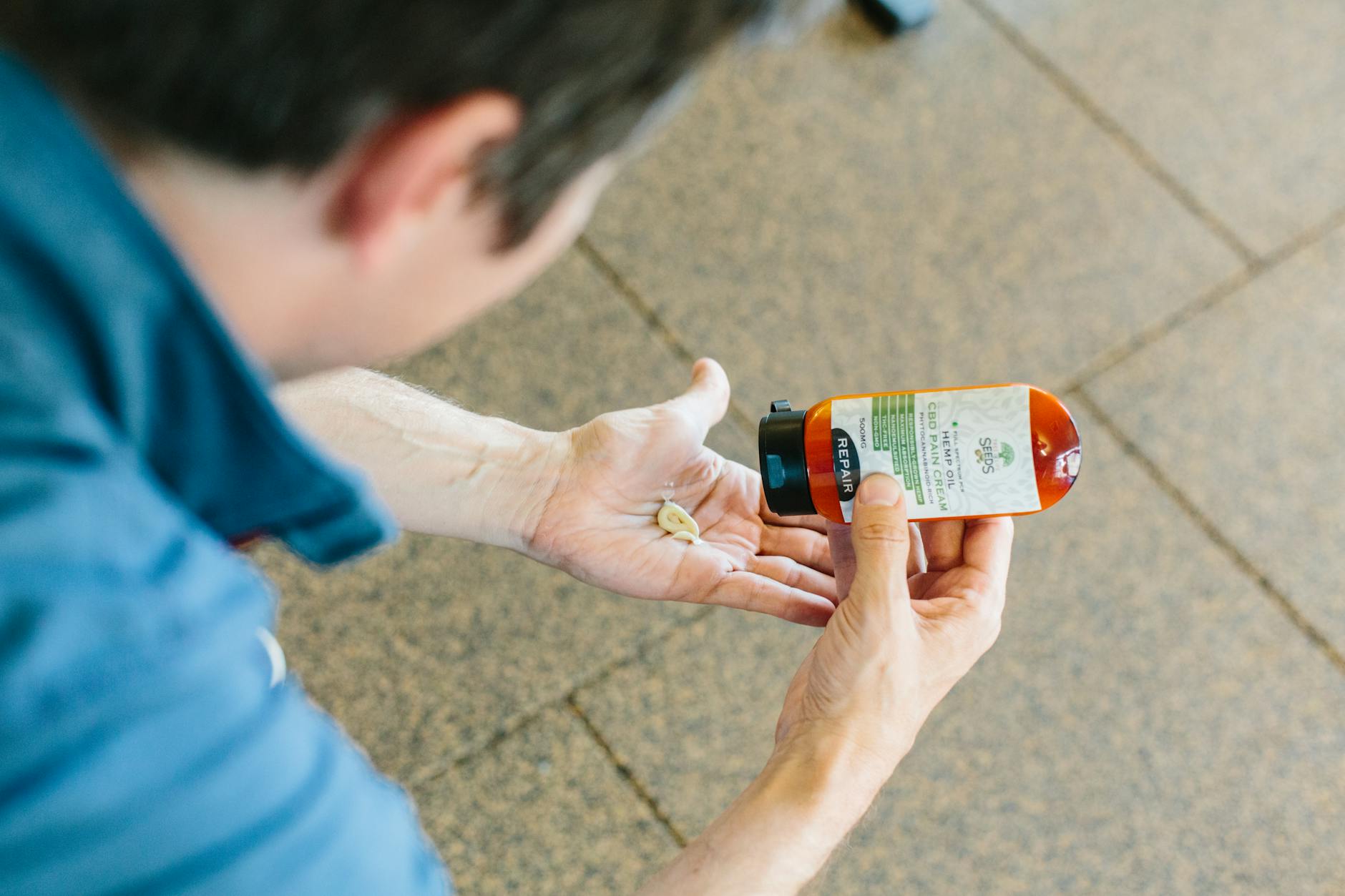
If you’re considering simplifying your routine, start by identifying the non-negotiables for your skin. Most dermatologists agree on four core categories: cleansing, gentle exfoliation (if needed), active treatment (acne-fighting ingredient), and moisturization. Everything else is supplementary. For acne-prone skin, this typically translates to a cleanser, an exfoliant used 2–3 times weekly, a treatment serum containing something like mandelic acid or benzoyl peroxide, and a moisturizer suitable for acne-prone skin. The key tradeoff is between customization and simplicity.
A minimal routine sacrifices the option to address multiple concerns simultaneously (anti-aging, hyperpigmentation, texture) in favor of solving one problem effectively. If your primary goal is clearing acne, this constraint actually works in your favor. You’re not diluting your approach. However, if you have multiple skin concerns requiring different active ingredients, you may need to accept either a slightly more complex routine or sequential treatment (tackling acne first, then other issues afterward). The simplified approach works best when you have a clear priority.
The Limitation of Simplicity: When Minimal Routines Fall Short
Not everyone’s acne responds to the same minimal framework. Someone with severe cystic acne driven by hormonal factors may need prescription treatments (spironolactone, isotretinoin) that no over-the-counter minimal routine can replace. Someone with acne rosacea requires different products than someone with bacterial acne. The trend toward simplification assumes that a core four-product routine is sufficient, but individual skin biology varies significantly.
Before adopting a minimal approach, you should understand your specific acne type and what actually drives breakouts for you. Another limitation: the “too minimal” trap. There’s a difference between strategic minimalism and under-treating. If someone strips their routine to just a cleanser and a single active treatment but their skin is dry and irritated, adding back a proper moisturizer isn’t a failure of the minimal philosophy—it’s acknowledging that their skin needs barrier support. Simplicity should be about eliminating redundancy, not about suffering through inadequate hydration.
The Broader 2026 Trend: Why Simplification Is Winning
is marking a clear inflection point in skincare philosophy. Industry experts have explicitly stated that the era of “more is better” is over. Consumers are fatigued by choice, by confusing ingredient lists, and by the pressure to maintain elaborate routines. This shift isn’t just about acne—it’s happening across all skincare categories.
However, acne is a particularly logical place for simplification because acne treatment already relies on a core set of proven actives (salicylic acid, benzoyl peroxide, retinoids, AHAs like mandelic acid). What’s driving this trend is partly economic (recession awareness, value consciousness) but primarily psychological and dermatological. People have realized through collective experience that the elaborate routines they thought they needed often made their skin worse. Brands launching in 2026 are reading this consumer moment and positioning themselves around clarity and efficacy rather than product volume. Reale Actives is part of this wave, but so are numerous other emerging brands recognizing that “simple and effective” is becoming the aspirational positioning.
What’s Next for Acne Skincare Innovation
The simplification trend doesn’t mean innovation is slowing—it’s just redirecting. Rather than adding more products, brands are now competing on better formulations, smarter ingredient combinations, and deeper dermatological research. Reale Actives spent two years developing four products; that’s the same development timeline a brand might have spent on a 12-product range five years ago.
The focus has shifted from breadth to depth. Looking forward, expect to see more launches positioned around “minimum effective dose”—the idea that you’re getting the lowest number of products needed to achieve real results. You’ll also likely see more dermatologist collaborations in skincare launches, because the simplified model requires genuine expertise. You can’t cut corners on formulation quality if you’re only offering four products; every single one needs to perform.
Conclusion
The new acne skincare movement centered on simplicity reflects both scientific reality and consumer exhaustion with complexity. Simplified routines reduce barrier irritation, lower costs, and actually improve consistency—fewer products mean you’re more likely to use them correctly and consistently. Reale Actives and similar launches are validating what dermatologists have increasingly understood: that effective acne treatment doesn’t require a crowded medicine cabinet.
If you’re considering simplifying your routine, start by identifying your actual skin needs rather than aspirational ones. A four-to-five product routine (cleanser, optional exfoliant, active treatment, moisturizer, optional targeted treatment) covers the essentials for most acne-prone skin. The goal isn’t deprivation; it’s clarity. When you reduce noise, the signal becomes clearer.
Frequently Asked Questions
Is a four-product routine enough for moderate acne?
For many people, yes. A cleanser, gentle exfoliant, acne-fighting serum (mandelic acid or benzoyl peroxide), and moisturizer address the core needs. However, severe inflammatory acne or hormonal acne may require prescription treatments in addition to topical products.
Won’t a simpler routine miss treating other skin issues like aging or hyperpigmentation?
Likely yes, but that’s the intentional tradeoff. Simplified routines assume acne is your priority. Once acne is managed, you can layer in additional treatments for other concerns. Trying to solve multiple issues simultaneously often creates contradictory demands on your routine.
How do I know which four products to choose?
Start with a dermatologist consultation if possible. If that’s not accessible, prioritize: a gentle cleanser for your skin type, a mandelic acid or salicylic acid treatment (start with one active), a non-comedogenic moisturizer, and sun protection. Avoid products that duplicate functions.
Is the Reale Actives line suitable for all acne types?
It’s formulated for general acne treatment with barrier support emphasis, but individual results vary. Someone with severe cystic acne or hormonal acne may need additional prescription support. The line is designed for mild-to-moderate acne management.
Will my skin get “used to” a simple routine?
No. Your skin doesn’t develop tolerance to moisturizers or cleansers. It may adapt to active treatments (like retinoids) over time, but this is normal and expected. Simplification doesn’t mean static—you can adjust as your skin changes.
Is simplification just a marketing trend that will fade?
It reflects genuine dermatological understanding about barrier health and treatment efficacy. That’s not trend-driven; it’s based on skin biology. The marketing will evolve, but the scientific foundation behind minimal routines is solid.