New acne products are increasingly shifting focus from aggressive bacteria-killing to maintaining a healthy skin microbiome, and this represents a fundamental change in how dermatologists and skincare brands approach acne treatment. Rather than viewing all bacteria as enemies, these products work to restore balance by supporting beneficial microbes while reducing acne-causing inflammation. Neutrogena’s new Evenly Clear collection exemplifies this approach, combining traditional acne fighters like salicylic acid with pre- and post-biotic complexes that nourish the skin’s natural bacterial ecosystem.
This article explores why skin microbiome balance has become central to modern acne treatment, which new products are leading this shift, and how consumer interest has surged alongside clinical validation. The shift toward microbiome-focused acne care isn’t just marketing—it’s driven by hard data. Google searches for “skin microbiome” have increased 176.9% year-over-year between August 2024 and July 2025, with approximately 3,400 average monthly searches, signaling that consumers and dermatologists alike are hungry for alternatives to harsh treatments. We’ll break down the science, examine specific products making waves in 2026, and help you understand whether microbiome-focused acne products are right for you.
Table of Contents
- What Is the Skin Microbiome and Why Does Acne Balance Matter?
- Prebiotics and Postbiotics—The New Acne Fighters
- Clinical Innovation—From Vaccines to Bacterial Alternatives
- Choosing Between Traditional and Microbiome-Focused Products
- The Risk of Over-Stripping Your Skin Barrier
- Personalization and AI-Driven Acne Treatment
- The Future of Acne Treatment Beyond 2026
- Conclusion
What Is the Skin Microbiome and Why Does Acne Balance Matter?
The skin microbiome is the community of bacteria, fungi, and other microorganisms living on your skin’s surface. For years, acne treatment operated on a simple premise: kill the bacteria, clear the acne. However, research has revealed that this approach often backfires. When acne treatments indiscriminately destroy bacteria, they can disrupt the delicate ecosystem that normally keeps your skin healthy, actually leading to irritation, compromised skin barrier function, and sometimes even worse acne in the long term. A balanced microbiome, by contrast, produces natural antimicrobial compounds, maintains proper pH, and supports skin barrier integrity—all protective factors against acne.
The reason balance matters is that *Cutibacterium acnes* (the bacteria responsible for acne) thrives when the microbiome is already disrupted. A healthy, diverse bacterial community naturally keeps these acne-causing bacteria in check without requiring harsh treatments. This is why dermatologists are now prescribing products that nurture beneficial bacteria alongside traditional acne fighters, rather than relying solely on benzoyl peroxide or antibiotics. The clinical consensus emerging in 2026 reflects a broader shift toward prevention and skin longevity over reactive correction—focusing on cellular health rather than aggressively attacking the skin’s natural defenses. However, if you have active inflammatory acne or cystic breakouts, microbiome-focused products alone may not provide fast enough results compared to conventional treatments. These products work best as a preventive strategy or for mild to moderate acne, combined with consistent use over several weeks to see full benefits.

Prebiotics and Postbiotics—The New Acne Fighters
Prebiotics are ingredients that feed and stimulate the growth of beneficial bacteria already on your skin, while postbiotics are the metabolic byproducts created when beneficial bacteria break down food—essentially, the “waste” of good microbes that happens to have remarkable skin benefits. Postbiotics have shown antioxidative, anti-inflammatory, and antimicrobial properties in clinical studies, making them particularly valuable in acne treatment. Products now incorporate fermented extracts like sugarcane straw fermented by Saccharomyces cerevisiae, which deliver concentrated postbiotic benefits without introducing additional live bacteria that could be compromised by environmental factors or shelf life concerns. The appeal of postbiotics over probiotics (live beneficial bacteria) is significant: postbiotics are more stable, don’t require refrigeration, and can’t be killed by preservatives in the formulation.
This means they deliver consistent results without the unpredictability that sometimes comes with probiotic skincare products. Neutrogena’s Evenly Clear collection uses this exact approach—combining salicylic acid and polyhydroxy acids (gentle exfoliants) with pre- and post-biotic complexes that support the skin’s natural defenses while acne-fighting actives address existing breakouts. However, if you’re expecting postbiotics to replace benzoyl peroxide for severe acne, that’s unrealistic. Postbiotics excel at maintaining microbiome health and reducing inflammation, but they don’t have the same proven track record as benzoyl peroxide for rapidly clearing active inflammatory lesions. Think of them as supporting players in your acne strategy, not the star.
Clinical Innovation—From Vaccines to Bacterial Alternatives
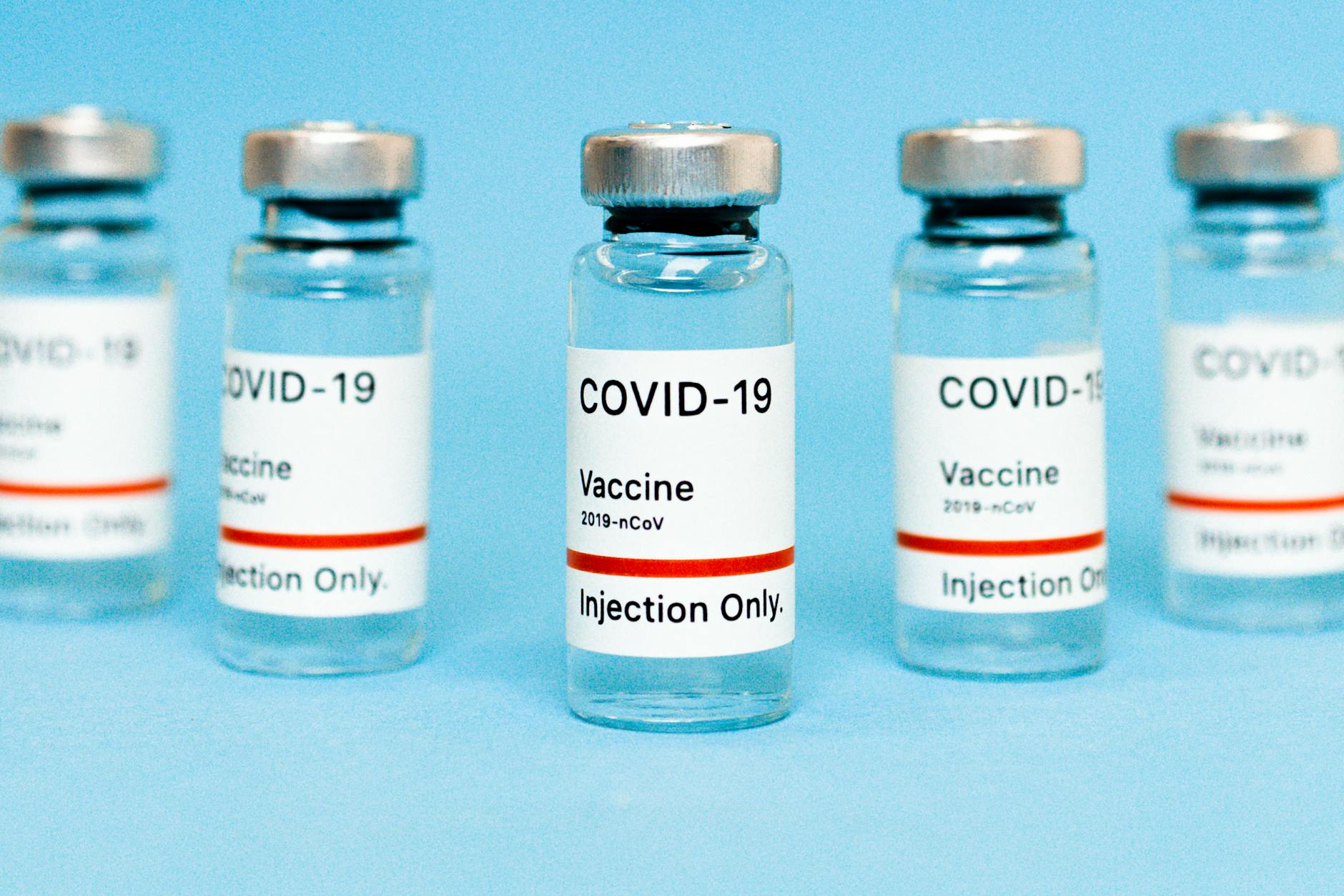
Beyond topical products, the acne treatment landscape is expanding into surprising territory. ORI-A-ce001, an acne vaccine, completed Phase I clinical trials in 2026 for treating moderate facial acne vulgaris in adults, with researchers collecting data on both efficacy and skin microbiome impact. While still years away from commercial availability, vaccines represent a fundamentally different approach: training the immune system to respond appropriately to acne-causing bacteria rather than attempting to kill bacteria with topical treatments.
Simultaneously, a novel probiotic strain called LactoSporin® (Bacillus coagulans) has demonstrated comparable efficacy to benzoyl peroxide in reducing acne lesions in clinical studies, but with a notable advantage—it outperformed benzoyl peroxide in reducing sebum production, one of the primary acne triggers. This suggests that certain bacterial strains can address root causes of acne (oily skin, bacterial overgrowth) rather than just treating symptoms. Products incorporating LactoSporin offer a genuine alternative for people who either can’t tolerate benzoyl peroxide or prefer a microbiome-friendly option. These innovations suggest that acne treatment in the next 5-10 years will increasingly move away from a one-size-fits-all antimicrobial approach toward targeted solutions that work with your skin’s natural biology rather than against it.
Choosing Between Traditional and Microbiome-Focused Products
If you’re standing in the skincare aisle comparing options, the choice between traditional acne fighters and microbiome-focused products often comes down to your skin’s current state and your treatment goals. For active, inflammatory acne flare-ups, benzoyl peroxide and salicylic acid remain the fastest-acting options—microbiome-focused products can be layered in as a supporting treatment, but shouldn’t replace proven actives when you need immediate results. For mild acne, sensitivity-prone skin, or maintenance after clearing active breakouts, microbiome-focused formulations like Neutrogena Evenly Clear provide the acne-fighting power (through salicylic acid and polyhydroxy acids) combined with microbiome support that reduces irritation and long-term barrier damage.
The tradeoff to understand is this: microbiome-focused products typically take longer to show results (4-8 weeks vs. 2-3 weeks for benzoyl peroxide) but often produce more sustainable improvements without the drying, irritating side effects. They’re also better for people using multiple acne treatments, since they won’t strip your skin of protective bacteria while other products are working. Cost is another consideration—prebiotic and postbiotic-enriched formulations are often priced higher than basic salicylic acid products, though as the market matures (the microbiome skincare market is projected to grow from $0.5 billion in 2026 to $1.2 billion by 2033), pricing should become more competitive.
The Risk of Over-Stripping Your Skin Barrier
One underappreciated danger in acne treatment is something dermatologists call “the strip-and-rebuild cycle”: using harsh actives, stripping away bacteria and oils, damaging the skin barrier, and then having to rebuild it with expensive moisturizers and serums. This cycle often perpetuates acne because a compromised barrier increases inflammation and creates an environment where acne-causing bacteria thrive. Microbiome-focused products interrupt this cycle by supporting barrier health from the start. However, if you combine microbiome products with other drying ingredients (multiple actives, exfoliants, or retinoids), you can still over-strip your skin.
The benefit of microbiome support doesn’t override poor layering practices. A better strategy is to simplify your routine: use one acne-fighting active (like salicylic acid or benzoyl peroxide), combine it with a microbiome-supportive moisturizer, and add other treatments only after your barrier has stabilized. Another limitation worth noting is that microbiome products work best with consistent use and patience. If you switch products every two weeks chasing faster results, you’ll never give the beneficial bacteria time to establish and do their work. Dermatologists recommend committing to a microbiome-focused routine for at least 6-8 weeks before evaluating effectiveness.
Personalization and AI-Driven Acne Treatment
A major 2026 trend in acne care is AI-personalized skincare, where diagnostic tools analyze your specific skin type, acne triggers, and microbiome composition to recommend customized products. Rather than choosing between generic “oily skin” or “sensitive skin” categories, AI-powered systems can identify whether your acne stems from bacterial overgrowth, barrier dysfunction, hormonal triggers, or product sensitivities—and suggest microbiome-focused products tailored to your specific imbalance.
Some skincare brands are beginning to partner with dermatology clinics that offer microbiome testing (through swabs or DNA analysis) to determine the exact bacterial composition of your skin before recommending products. While these tests aren’t yet mainstream and can be expensive, they represent the direction acne treatment is heading: personalized, data-driven recommendations rather than generic advice.
The Future of Acne Treatment Beyond 2026
The convergence of several trends—microbiome science, vaccine development, postbiotic innovation, and AI personalization—suggests that acne treatment will look dramatically different in five years. Instead of benzoyl peroxide being the default first-line treatment for everyone, dermatologists will likely prescribe based on microbiome composition, genetic predisposition, and skin barrier status.
Products will increasingly blend traditional actives (salicylic acid, retinoids) with microbiome-supportive ingredients as the standard, not the exception. Clinical skincare trends for 2026 and beyond emphasize prevention and skin longevity over reactive correction, meaning people will start using gentler, microbiome-friendly products earlier to prevent severe acne from developing in the first place. This represents a fundamental philosophical shift from “clear the skin at any cost” to “build a sustainable, healthy skin ecosystem.”.
Conclusion
New acne products focusing on skin balance represent a scientifically validated shift away from indiscriminate bacteria-killing and toward supporting your skin’s natural defenses. Innovations like Neutrogena Evenly Clear (combining salicylic acid with pre- and post-biotic complexes), alternatives like LactoSporin® (performing as well as benzoyl peroxide with added sebum-reducing benefits), and emerging treatments like acne vaccines all point toward a more sophisticated understanding of acne. With Google searches for “skin microbiome” up 176.9% year-over-year and the microbiome skincare market projected to grow from $0.5 billion in 2026 to $1.2 billion by 2033, this isn’t a passing trend—it’s the direction dermatology is heading.
If you have mild to moderate acne, sensitivity to traditional treatments, or you’re looking for long-term prevention rather than quick fixes, microbiome-focused products are worth trying. Start by choosing a gentle cleanser and a microbiome-supportive moisturizer paired with a proven acne fighter (salicylic acid or benzoyl peroxide), commit to the routine for 6-8 weeks, and monitor how your skin responds. For severe acne, combine microbiome products with prescription treatments under dermatological guidance. The goal isn’t to abandon proven acne fighters—it’s to use them more intelligently, alongside products that support rather than sabotage your skin’s natural health.