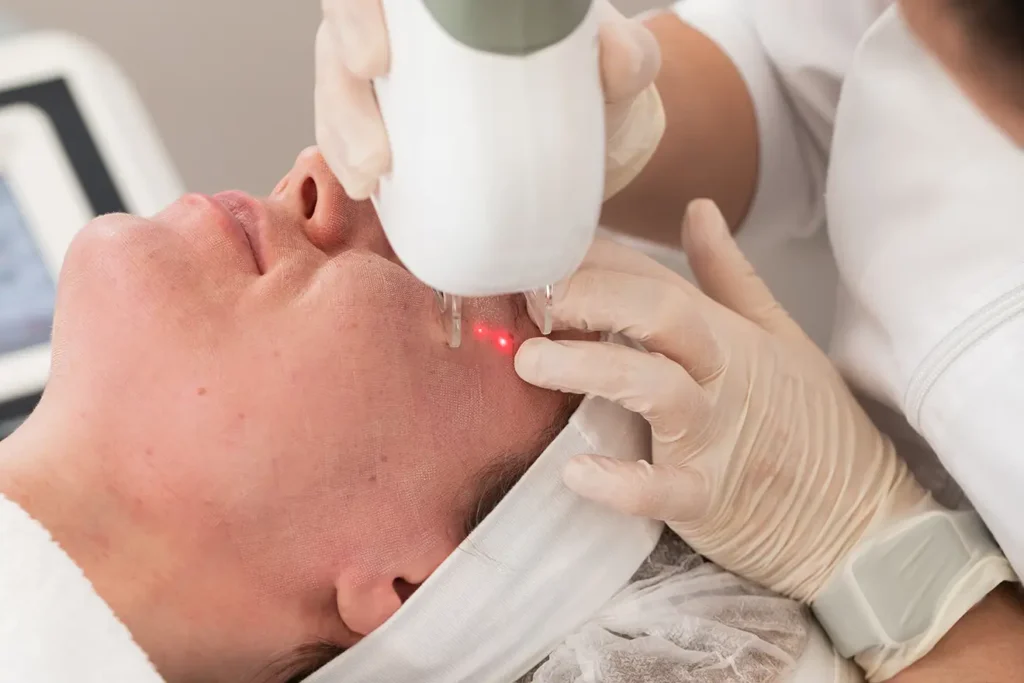
Microneedling and spicules are two popular skin treatments that help renew your face by creating tiny injuries to boost collagen and improve texture. Microneedling uses real needles, while spicules use natural tiny spikes from sea creatures or algae that dissolve over time.
Microneedling works with a device covered in fine, sterile needles. These needles poke small holes in your skin to trigger healing. Your body responds by making more collagen and elastin, which firms up the skin and smooths scars or lines. It feels like a prickly roll over your face, and pros often add serums that go deeper thanks to the channels. Sessions last about 30 minutes, with redness for a day or two.[1][2]
Spicules come from marine sponges or algae and look like microscopic needles made of silica. In treatments like spicule therapy or algae peels, millions of these spicules get massaged into your skin. They create ultra-fine channels without metal tools, sparking the same renewal process as microneedling. The big plus is that spicules dissolve in 24 to 48 hours, releasing vitamins, minerals, and peptides right into your skin for extra nourishment.[1][2]
Both methods speed up your skin’s natural 28-day turnover cycle, helping with acne, pigmentation, dullness, and fine lines. Spicule treatments often feel tingly like fine sand, sitting between a chemical peel and microneedling in intensity. They target issues like congestion or sun damage with added ingredients for brightening or calming.[1][2][3]
The main difference is in the tools and extras. Microneedling relies on mechanical pokes for stimulation alone. Spicules add built-in nutrients as they break down, making it a two-in-one for resurfacing and feeding the skin. Needles can go deeper for scars, but spicules suit sensitive skin better since they are organic and needle-free.[1][2]
Many clinics mix them, like pairing spicules with microneedling for better results. Pick based on your needs: go for microneedling if you want strong collagen boosts, or spicules for gentle renewal with nutrition.[1]
Sources
https://www.beautyhubsydney.com.au/spicule-therapy
https://www.skinsation.me/post/finding-a-zena-algae-peel-near-me-for-natural-skin-renewal
https://www.pureraum.com/blogs/the-pure-raum-blog/why-the-blue-spicule-peel-is-becoming-a-go-to-choice-for-professional-treatments