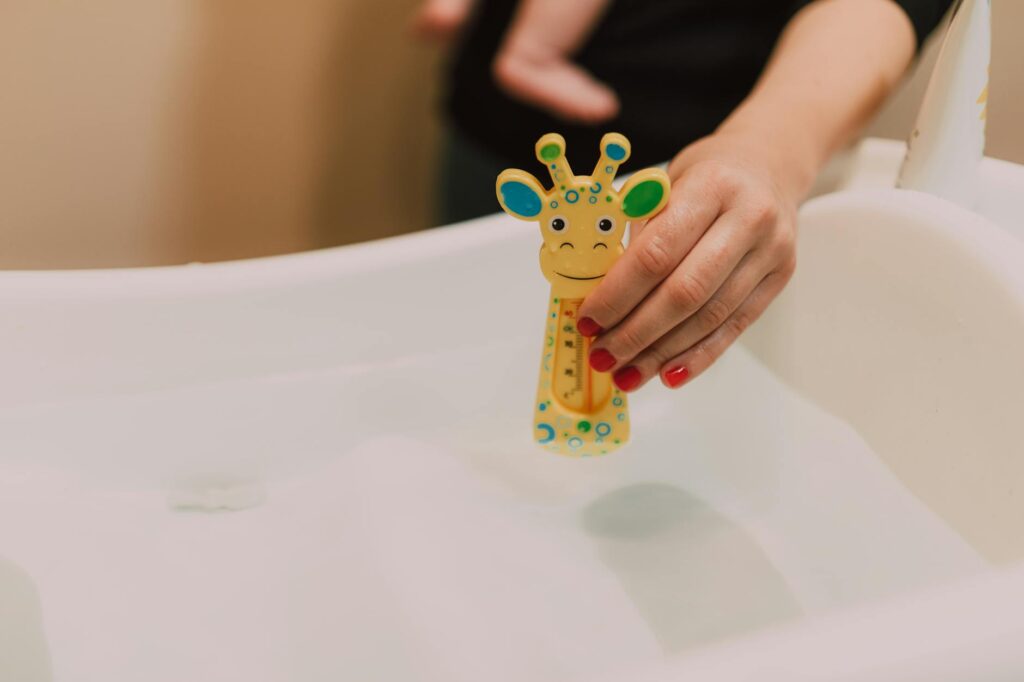
The temperature of water you use to wash your face has a direct and measurable impact on acne severity and skin barrier health. Water above 40°C (104°F) damages your skin’s protective barrier, strips away natural oils, and triggers sebum overproduction—which accelerates acne breakouts. Conversely, water between 36-40°C (96.8-104°F), closest to your natural body temperature, preserves your skin barrier while still cleansing effectively. If you’ve noticed your acne worsens after hot showers or your skin feels tight and irritated, water temperature is likely the culprit.
This article explains the science behind how temperature affects acne development, which temperatures are safest for different skin types, and how to adjust your routine to minimize breakouts and protect your skin barrier. Most people assume hotter water means better cleansing, so they wash their face with shower-temperature water—typically 40-45°C or hotter. This habit quietly undermines skin health. A 2022 study published in the Journal of Clinical Medicine found that submerging skin in 44°C (111.2°F) water for just 10 minutes caused measurable damage to the skin barrier in healthy volunteers. The damage manifests as increased water loss, reduced protective lipids, and heightened vulnerability to irritation and bacterial colonization—all conditions that worsen acne.
Table of Contents
- Does Hot Water Really Damage Your Skin Barrier?
- How Hot Water Strips Oils and Triggers Acne
- Benefits of Cold Water for Acne-Prone Skin
- Finding Your Optimal Water Temperature
- Common Temperature Mistakes That Worsen Acne
- Water Temperature for Different Acne Types
- Building a Temperature-Conscious Cleansing Routine
- Conclusion
Does Hot Water Really Damage Your Skin Barrier?
Yes. The skin barrier—a protective layer of lipids and dead skin cells called the stratum corneum—is exquisitely sensitive to temperature extremes. Hot water denatures lipids and accelerates water evaporation from the skin surface, compromising the barrier’s ability to retain moisture and block irritants. Research shows this damage is dose-dependent: the hotter the water and the longer you expose your skin, the worse the disruption.
A 2007 study in the Journal of Investigative Dermatology demonstrated that water at 36-40°C actually supported faster skin barrier recovery from damage, suggesting this temperature range works *with* your skin’s natural repair mechanisms rather than against them. The implications for acne are significant. When your barrier is compromised, it becomes more permeable to bacteria, more reactive to irritants, and more likely to trigger inflammatory responses that manifest as red, swollen pimples. This is why people with eczema, rosacea, or severely acne-prone skin often report that hot showers trigger flare-ups. Cold water at 4°C caused some barrier damage in studies, but substantially less than hot water—supporting the intuition that extreme cold is gentler than extreme heat for skin barrier integrity.

How Hot Water Strips Oils and Triggers Acne
Beyond direct barrier damage, hot water strips away sebum—your skin’s natural protective oil coating. This triggers a compensatory mechanism: your sebaceous glands sense the oil loss and respond by overproducing sebum to restore balance. Ironically, this excess oil becomes a breeding ground for *Cutibacterium acnes* (formerly *Propionibacterium acnes*), the bacteria primarily responsible for inflammatory acne. This cycle is particularly problematic for people with naturally oily or combination skin, whose sebaceous glands are already primed to produce excess oil.
A single hot shower may not cause noticeable acne, but consistent use of hot water creates a sustained state of oil imbalance and bacterial overgrowth that translates to chronic breakouts. However, if your skin is very dry or compromised by dermatitis, you might think cold water is the universal answer—but that’s an oversimplification. Cold water doesn’t clean oily skin as effectively as warm water does, because lipids don’t dissolve well in cold temperatures. This means you’ll leave residual oil, sweat, and debris on your skin, which can also lead to clogged pores and acne. This is where the 36-40°C sweet spot becomes essential: warm enough to dissolve oils and cleanse effectively, but cool enough to preserve barrier integrity and avoid triggering sebum overproduction.
Benefits of Cold Water for Acne-Prone Skin
Cold water offers specific advantages for acne management, even though it’s not ideal as your primary cleansing temperature. When applied to inflamed acne lesions, cold water causes vasoconstriction—the blood vessels beneath the skin narrow, reducing blood flow to the area. This immediately reduces redness, swelling, and inflammation associated with active breakouts. Many dermatologists recommend finishing your cleansing routine with a brief cold water rinse to take advantage of this anti-inflammatory effect without compromising your overall barrier function.
Some people use ice cubes wrapped in a clean cloth or ice rollers to further reduce inflammation in localized areas of severe acne. The American Contact Dermatitis Society recommends cold or lukewarm water for cleansing, recognizing that this approach minimizes irritation risk while still cleaning skin. Cold water is particularly useful if you have sensitive, acne-prone skin with concurrent rosacea or irritant dermatitis. The trade-off is that cold water alone may not remove makeup, sunscreen, or oily residues as effectively as warm water—so a two-step approach (warm cleansing followed by a cold rinse) often works best for acne-prone individuals.
Finding Your Optimal Water Temperature
The American Academy of Dermatology recommends moderately warm water for facial cleansing, with the optimal range being 36-40°C (approximately 98-100°F, very close to your body temperature of 37°C). This temperature minimizes shock to your skin, preserves natural moisture, maintains barrier function, and still dissolves oils and debris effectively. Most people underestimate how warm 40°C feels; it’s noticeably warm but not uncomfortable—similar to the temperature of bathwater rather than shower spray. To find your personal optimal temperature, start by using a thermometer (most smartphones have thermal apps, or you can test with a bathroom thermometer).
Wash your face at 36°C for one week and note your skin’s response: breakouts, irritation, dryness, or improvement. Then move to 38°C, then 40°C, spending a week at each temperature. Most people find their sweet spot within this narrow range. If you live in a climate with hard water or very chlorinated water, you might need to stay closer to 36°C, since minerals and chlorine already stress your skin barrier. If you have extremely oily skin, 40°C may be necessary for adequate cleansing, but avoid exceeding 40°C.
Common Temperature Mistakes That Worsen Acne
The most common mistake is using shower water temperature to wash your face. Standard shower temperature ranges from 40-45°C, which exceeds dermatology recommendations. This habit alone can explain why people experience acne worsening over time, even if they’re using the right cleanser. A second mistake is assuming that if some hot water is problematic, all warm water must be avoided—leading people to wash with ice-cold water that doesn’t cleanse effectively, leaving bacteria and oil on the skin surface.
Both extremes backfire. Another overlooked issue: people often gradually increase water temperature over time without realizing it. If you start at 40°C but slowly turn up the dial while washing (a subconscious habit), you might end up at 43-45°C by the time you rinse. This is why using a thermometer for the first few weeks, or keeping a dedicated face-washing bowl with pre-measured warm water, helps maintain consistency. One exception: if you’re using a medical acne treatment like benzoyl peroxide or salicylic acid, which can already irritate skin, you might need to stay at the lower end (36°C) to avoid compounding irritation.

Water Temperature for Different Acne Types
Hormonal acne, which typically appears along the jawline and chin, is often exacerbated by heat-induced sebum overproduction. For hormonal acne, staying at 36-38°C is generally preferable, even if your skin feels oily. Bacterial acne (characterized by pustules and rapid spread across the face) benefits most from the full 36-40°C range, because you need adequate cleansing without barrier damage.
Fungal acne (Malassezia-related, often appearing as small, uniform bumps on the upper chest and back) is particularly sensitive to barrier disruption, so using 36-38°C and avoiding prolonged water exposure is especially important. Cystic acne, which forms deep under the skin, is driven more by inflammation than by oil and bacteria alone. For cystic acne sufferers, the anti-inflammatory benefit of cooler water might justify a rinse in cold water after your regular cleanse, but the primary goal should still be gentle, thorough cleansing at 36-40°C. If you’re using oral medications like isotretinoin (Accutane), your skin barrier is already compromised, so staying at the lower end of the temperature range (36°C) is essential to avoid additional irritation.
Building a Temperature-Conscious Cleansing Routine
Understanding water temperature is one piece of a comprehensive acne management strategy, but it shouldn’t overshadow other fundamentals like cleanser choice, frequency of cleansing, and moisturization. Using the right temperature with the wrong cleanser (e.g., a very harsh sulfate-based soap) will still damage your barrier. Conversely, using perfect water temperature with an over-cleansing routine (washing more than twice daily or for prolonged periods) can still trigger acne.
Looking forward, as skin care science advances, we’re likely to see more personalized recommendations based on individual skin microbiome profiles, barrier function testing, and even genetic predisposition to sebum production. For now, the evidence strongly supports that small adjustments to water temperature—dropping from 45°C to 38°C—can yield noticeable improvements in acne severity within 2-4 weeks. This is one of the most accessible, cost-free changes you can make to your routine, and the science behind it is solid.
Conclusion
Water temperature is not a glamorous aspect of acne care, which is why it’s often overlooked despite its direct impact on both skin barrier health and sebum production. Hot water above 40°C damages your protective barrier, strips away natural oils, and triggers oil overproduction—a trifecta that worsens acne. The evidence from peer-reviewed dermatological research is clear: water between 36-40°C, close to your natural body temperature, minimizes barrier damage while still cleansing effectively. Most dermatological organizations, including the American Academy of Dermatology and American Contact Dermatitis Society, support this range as optimal for skin health.
Start by measuring your current face-washing water temperature and adjusting it downward if necessary. Give your skin 2-4 weeks to adapt to the new temperature before assessing results. Pair this adjustment with a gentle, pH-balanced cleanser appropriate for your skin type, and follow up with a fragrance-free moisturizer to support barrier recovery. This single change—one that costs nothing—often produces noticeable reductions in breakouts, redness, and irritation within weeks.