
Alpha hydroxy acids work on acne by dissolving the bonds between dead skin cells on the surface, which prevents the pore-clogging buildup that leads to breakouts. To use them effectively, start with a low concentration product (5-8% glycolic or lactic acid) two to three times per week after cleansing, then gradually increase frequency as your skin adjusts. Apply to dry skin, wait until it absorbs fully, then follow with a moisturizer and always use sunscreen the next morning since AHAs increase sun sensitivity.
Someone with mild comedonal acne””those small bumps and blackheads rather than deep cysts””might see noticeable improvement within four to six weeks of consistent use. While AHAs are primarily surface-level exfoliants rather than deep pore cleansers like salicylic acid, they remain valuable for acne-prone skin because they address multiple factors that contribute to breakouts: dead skin accumulation, uneven texture from old acne marks, and dullness from sluggish cell turnover. This article covers which specific AHAs work best for different acne types, how to layer them with other treatments, what concentrations and pH levels actually matter, and how to avoid the irritation that sidelines so many people who try chemical exfoliation for the first time.
Table of Contents
- What Are Alpha Hydroxy Acids and How Do They Target Acne?
- Choosing the Right AHA Concentration and Type for Your Skin
- How AHAs Compare to Other Acne Treatments
- Building an AHA Routine Without Damaging Your Skin Barrier
- Common Problems When Using AHAs for Acne
- AHAs for Different Types of Acne Lesions
- How to Prepare
- How to Apply This
- Expert Tips
- Conclusion
- Frequently Asked Questions
What Are Alpha Hydroxy Acids and How Do They Target Acne?
Alpha hydroxy acids are water-soluble acids derived from fruits, milk, and sugar cane that work on the outermost layer of skin. The most common ones used for acne include glycolic acid (from sugar cane), lactic acid (from milk), and mandelic acid (from almonds). Unlike benzoyl peroxide, which kills acne-causing bacteria, or retinoids, which regulate skin cell turnover from deeper layers, AHAs work by weakening the “glue” that holds dead skin cells together on the surface. This exfoliating action matters for acne because clogged pores begin with dead skin cells that do not shed properly.
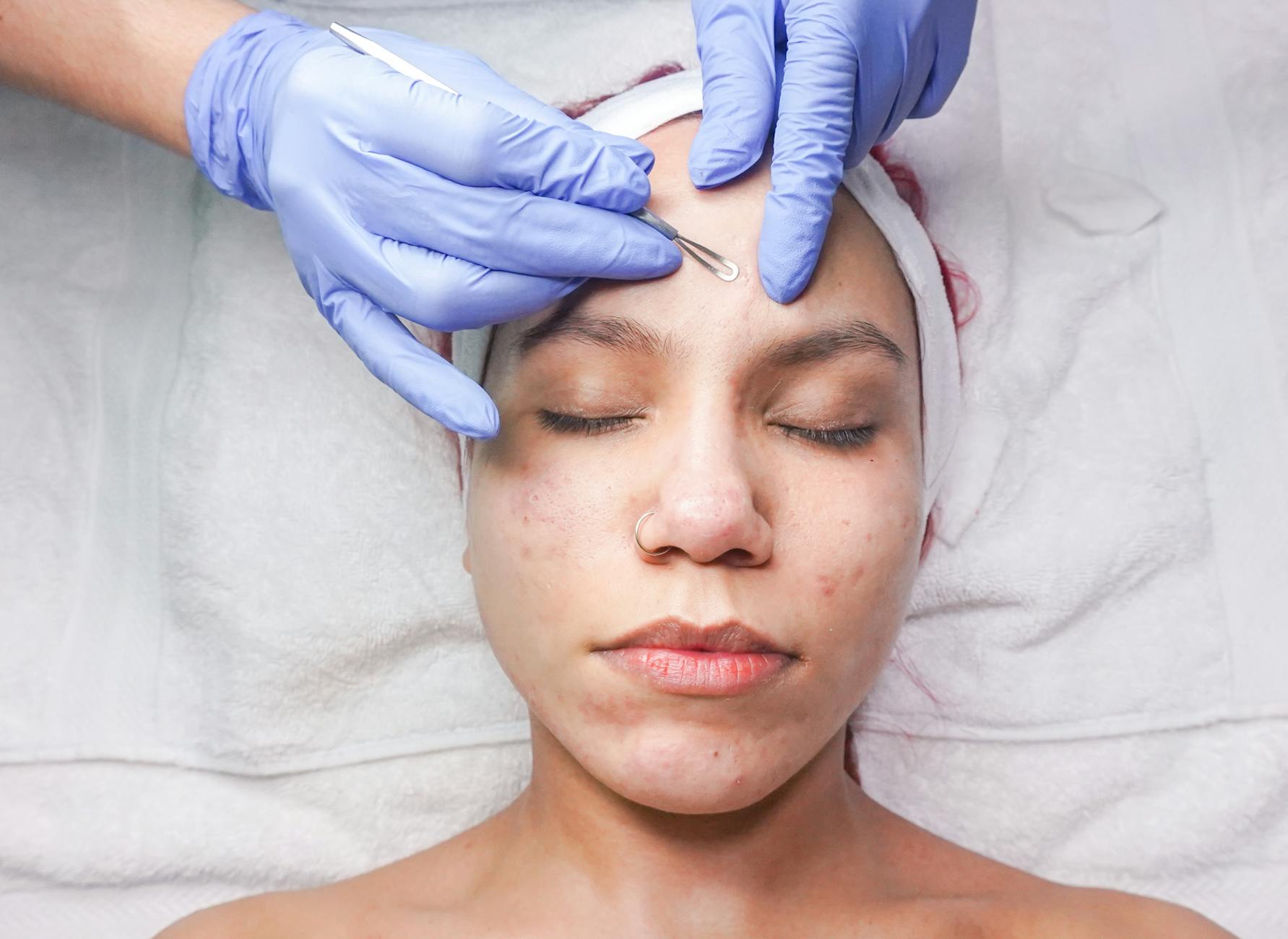
When these cells mix with sebum inside the pore, you get the beginning of a comedone””a blackhead or whitehead. By keeping the surface clear, AHAs reduce the raw material that feeds new breakouts. A person using a 7% glycolic acid toner might notice their blackheads extracting more easily during facials because the surface congestion has loosened. However, AHAs cannot penetrate into the pore itself the way oil-soluble ingredients can. This is why dermatologists often recommend combining AHAs with salicylic acid (a beta hydroxy acid) for people with deeper comedonal acne or oily skin””the salicylic acid goes into the pore while the AHA keeps the surface clear.

Choosing the Right AHA Concentration and Type for Your Skin
Glycolic acid offers the smallest molecular size among common AHAs, meaning it penetrates most efficiently and delivers the strongest results””but also the highest irritation potential. A 10% glycolic acid product will generally work faster than a 10% lactic acid product, but the latter often suits sensitive or dry skin better because lactic acid also has humectant properties that attract moisture. Mandelic acid, with its larger molecules, penetrates slowest of all, making it a reasonable starting point for rosacea-prone skin or darker skin tones that risk post-inflammatory hyperpigmentation from irritation. Concentration percentages on product labels tell only part of the story. The pH level determines how much of that percentage remains “free” and active versus neutralized.
An effective AHA product typically has a pH between 3 and 4; anything above 4.5 significantly reduces efficacy, while anything below 3 can cause chemical burns. Professional peels use pH levels around 2 with concentrations up to 70%, which is why they require trained application and neutralization. For acne specifically, most people see results from leave-on products in the 5-10% range used consistently over weeks. If you have tried a “gentle” AHA product for two months without noticing any change””no peeling, no tingling, no visible difference””the formulation may have a pH too high to actually exfoliate. Check reviews from sources that test pH levels, or consider moving to a slightly stronger product.
How AHAs Compare to Other Acne Treatments
The main advantage of AHAs over salicylic acid is their ability to address post-acne marks and overall skin texture simultaneously with preventing new breakouts. Salicylic acid excels at clearing existing clogged pores and calming inflammation but does little for hyperpigmentation or rough texture. Someone whose primary concern is persistent blackheads in the T-zone would likely benefit more from salicylic acid, while someone dealing with closed comedones across the cheeks plus lingering dark spots from previous breakouts might find AHAs more useful. Compared to retinoids, AHAs work faster on surface-level concerns but do not regulate sebum production or provide the anti-aging benefits that prescription tretinoin offers.
Retinoids also work better for inflammatory acne””the red, painful pimples””because they affect cell turnover at a deeper level and have anti-inflammatory properties. Many dermatologists recommend AHAs and retinoids at different times (AHAs in the morning, retinoid at night, or on alternating days) for people who want both immediate surface results and long-term pore function improvement. Benzoyl peroxide remains the gold standard for killing P. acnes bacteria, something neither AHAs nor retinoids accomplish directly. A practical approach for moderate acne often involves benzoyl peroxide as a targeted spot treatment, an AHA for overall texture and prevention, and a retinoid several nights per week for long-term maintenance””though building up to this combination slowly prevents the barrier damage that comes from introducing too many actives at once.
Building an AHA Routine Without Damaging Your Skin Barrier
The most common mistake people make with AHAs is using them too frequently before their skin adapts, which leads to a damaged moisture barrier, increased sensitivity, and paradoxically more breakouts from the resulting inflammation. A new user should start with an AHA product two nights per week, with no other actives on those nights, and maintain that frequency for at least two weeks before adding a third night. Signs that you are over-exfoliating include persistent tightness, flaking that does not resolve with moisturizer, stinging when applying normally tolerable products, and new breakouts in areas that were previously clear. Timing within your routine matters. AHAs should go on clean, dry skin””applying to damp skin increases penetration and therefore irritation risk. Wait for the product to absorb for about one minute before applying anything else.
If you are using an AHA toner or serum, follow with a non-active hydrating serum or moisturizer rather than layering another treatment. The exception is niacinamide, which pairs well with AHAs and can help reduce the irritation potential while providing its own benefits for acne-prone skin. The tradeoff between daily low-concentration use and weekly high-concentration use depends on your tolerance and goals. A 5% glycolic acid used nightly delivers consistent, gentle exfoliation that maintains steady results. A 30% peel used weekly provides more dramatic resurfacing but requires recovery time and careful hydration afterward. For acne prevention specifically, the daily low-concentration approach usually works better because it keeps dead skin from accumulating between applications.
Common Problems When Using AHAs for Acne
Purging””a temporary increase in breakouts when starting an exfoliant””happens because AHAs accelerate the skin cycle, bringing clogs that were forming deeper in the pore to the surface faster. This differs from a reaction, which manifests as breakouts in new areas, irritation, or small bumps rather than your typical acne pattern. Purging typically resolves within four to six weeks; if breakouts continue beyond that, the product may not suit your skin, or you may be over-applying and causing irritation-induced acne. Sun sensitivity increases significantly with AHA use, making daily sunscreen non-negotiable. Even on cloudy days or during winter, AHA users experience more sun damage than they would otherwise.
This matters especially for acne-prone skin because sun exposure can darken post-inflammatory hyperpigmentation marks, making them last months longer than they would have. If you are inconsistent with sunscreen, you may find that your AHA use improves texture but worsens the dark spots left behind by old breakouts. Another overlooked issue is ingredient conflicts. Combining AHAs with vitamin C in the same routine can cause irritation and reduce the efficacy of both””if you want to use both, separate them into morning and evening routines. Layering AHAs directly with retinoids on the same night often causes excessive dryness and peeling, especially in the first few months of use. The safest approach for beginners is to dedicate entire evenings to one active category rather than attempting to layer multiple exfoliating or cell-turnover ingredients.

AHAs for Different Types of Acne Lesions
AHAs work best on non-inflammatory acne: blackheads, whiteheads, and closed comedones that appear as small flesh-colored bumps without redness. For someone with dozens of tiny bumps across the forehead””often called “fungal acne” but frequently just regular closed comedones””a consistent AHA routine can flatten most of them within two months. Mandelic acid specifically has shown promise for fungal acne because it has antifungal properties that glycolic and lactic acids lack.
For inflammatory acne with red, raised pimples or cysts, AHAs serve as a supporting player rather than the main treatment. They help prevent new comedones from forming and fade the marks left behind, but they do not address the inflammation or bacterial overgrowth driving active pustules. In these cases, AHAs work best alongside anti-inflammatory or antibacterial treatments rather than as a standalone solution.
How to Prepare
- Assess your current routine for potential conflicts””if you are already using a retinoid, benzoyl peroxide, or vitamin C at night, you need to plan which nights will be AHA nights and which will be for other actives.
- Patch test your chosen AHA product on a small area near your jawline for three consecutive nights to check for allergic reactions or unusual sensitivity.
- Choose your starting frequency based on the concentration””under 7%, you might tolerate three times per week initially; 10% or higher, start with twice per week maximum.
- Set a calendar reminder to evaluate your skin after two weeks, noting any purging versus reaction signs, dryness levels, and whether you see early texture improvements.
- Stock up on a heavier moisturizer or facial oil for nights when your skin feels tight, as your regular moisturizer may not provide enough barrier support during the adjustment period.
How to Apply This
- Cleanse your face and pat it completely dry””wait at least five minutes after washing if you have the time, as truly dry skin absorbs AHAs more evenly than slightly damp skin.
- Apply a thin layer of your AHA product to your entire face, avoiding the eye area and lips; use about a pea-sized amount for serums or three to four drops for liquid toners.
- Wait one to two minutes before applying additional products, allowing the AHA to lower the skin’s pH and begin working; you may feel a slight tingling that should subside within a few minutes.
- Follow with a hydrating serum or moisturizer that contains no additional exfoliating ingredients, and consider applying a thin layer of an occlusive product like squalane oil if you notice persistent dryness during your adjustment period.
Expert Tips
- Do not combine AHA use with physical exfoliation like scrubs or cleansing brushes, as this doubles the exfoliation and often leads to micro-tears and irritation.
- If your AHA product stings beyond mild tingling or causes visible redness that lasts more than ten minutes, rinse it off with cool water rather than waiting out the discomfort””this indicates the product is too strong or your skin is not ready.
- Apply AHAs at night rather than morning to maximize their work time and minimize sun exposure risk during the hours immediately following application.
- Consider using an AHA body lotion on chest or back acne, which often responds well because the skin in these areas is thicker and less sensitive than facial skin.
- Reduce AHA frequency during winter months or when traveling to dry climates, as environmental factors compound the dryness that AHAs can cause.
Conclusion
Alpha hydroxy acids offer acne-prone skin a way to prevent new comedones while simultaneously improving texture, fading dark marks, and creating a smoother overall appearance. The key to success lies in choosing the right type and concentration for your skin, introducing products gradually, protecting your moisture barrier, and committing to daily sun protection.
Moving forward, start with a lower concentration product from a well-formulated brand, use it twice weekly for the first month, and increase frequency only when your skin shows it can handle more. Pay attention to how your skin responds rather than following a rigid schedule, and remember that AHAs work best as part of a complete routine rather than as a single miracle solution.
Frequently Asked Questions
How long does it typically take to see results?
Results vary depending on individual circumstances, but most people begin to see meaningful progress within 4-8 weeks of consistent effort. Patience and persistence are key factors in achieving lasting outcomes.
Is this approach suitable for beginners?
Yes, this approach works well for beginners when implemented gradually. Starting with the fundamentals and building up over time leads to better long-term results than trying to do everything at once.
What are the most common mistakes to avoid?
The most common mistakes include rushing the process, skipping foundational steps, and failing to track progress. Taking a methodical approach and learning from both successes and setbacks leads to better outcomes.
How can I measure my progress effectively?
Set specific, measurable goals at the outset and track relevant metrics regularly. Keep a journal or log to document your journey, and periodically review your progress against your initial objectives.
When should I seek professional help?
Consider consulting a professional if you encounter persistent challenges, need specialized expertise, or want to accelerate your progress. Professional guidance can provide valuable insights and help you avoid costly mistakes.
What resources do you recommend for further learning?
Look for reputable sources in the field, including industry publications, expert blogs, and educational courses. Joining communities of practitioners can also provide valuable peer support and knowledge sharing.