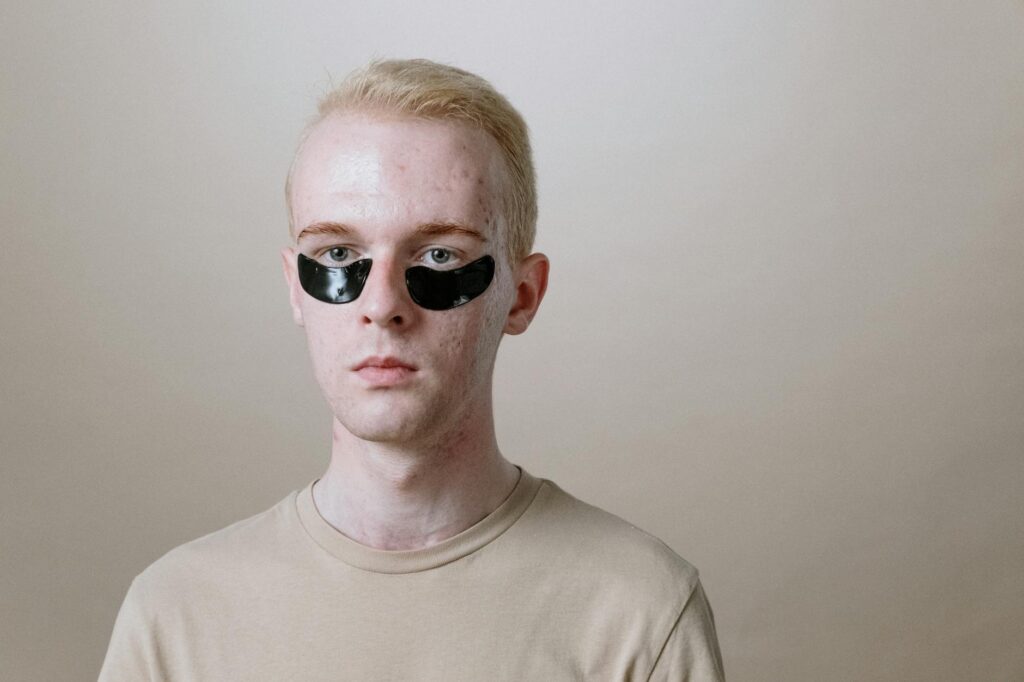
Understanding how to treat acne vulgaris at different stages is essential for achieving clear skin and preventing long-term scarring. Acne vulgaris affects approximately 85% of adolescents and young adults, making it one of the most common dermatological conditions worldwide. Yet despite its prevalence, many people struggle for years with ineffective treatments simply because they fail to match their approach to the specific stage and severity of their condition. The frustration of dealing with acne goes beyond skin deep. Persistent breakouts can affect self-esteem, social interactions, and quality of life.
Many individuals cycle through countless products, hoping for improvement, only to find their acne worsening or their skin becoming irritated from inappropriate treatments. The core problem lies in treating all acne the same way, when in reality, the condition exists on a spectrum from mild comedonal acne to severe nodulocystic disease, each requiring distinctly different interventions. By the end of this article, readers will gain a thorough understanding of how acne progresses through its various stages, which treatments are most effective at each phase, and how to build a comprehensive skincare routine that evolves with their skin’s needs. This guide covers everything from over-the-counter options for early-stage acne to prescription medications and professional procedures for more advanced cases. Armed with this knowledge, individuals can work more effectively with dermatologists and make informed decisions about their treatment plans.
Table of Contents
- What Are the Different Stages of Acne Vulgaris and How Do They Progress?
- Treating Mild Acne Vulgaris with Over-the-Counter Solutions
- Prescription Treatments for Moderate Acne Vulgaris
- Managing Severe Nodulocystic Acne Vulgaris
- Addressing Post-Inflammatory Hyperpigmentation and Scarring
- Lifestyle Factors That Influence Acne Vulgaris Treatment Outcomes
- How to Prepare
- How to Apply This
- Expert Tips
- Conclusion
- Frequently Asked Questions
What Are the Different Stages of Acne Vulgaris and How Do They Progress?
acne vulgaris develops through a predictable progression, beginning at the microscopic level before becoming visible on the skin’s surface. The process starts with microcomedones, tiny blockages in hair follicles caused by excess sebum production and abnormal keratinization of skin cells. At this early stage, acne is essentially invisible, but the groundwork for future breakouts has already been laid. Without intervention, these microcomedones evolve into visible comedones, either open (blackheads) or closed (whiteheads), marking the first clinically apparent stage of acne. The inflammatory stages of acne represent a more advanced progression. When bacteria, particularly Cutibacterium acnes, colonize blocked follicles and trigger an immune response, papules and pustules form.
Papules appear as small, red, raised bumps without visible pus, while pustules develop the characteristic white or yellow centers. This inflammatory acne causes more discomfort than comedonal acne and carries greater risk of post-inflammatory hyperpigmentation, particularly in individuals with darker skin tones. Severe acne marks the final stage of progression, characterized by nodules and cysts that form deep within the skin. Nodules are large, hard, painful lumps beneath the surface, while cysts are softer, pus-filled lesions that can persist for weeks or months. This stage of acne vulgaris poses the highest risk of permanent scarring and often requires aggressive medical treatment. Understanding where one falls on this spectrum is the first step toward selecting appropriate treatment strategies.
- Microcomedones form weeks before visible breakouts appear, making preventive treatment valuable
- Inflammatory acne involves immune system activation and bacterial proliferation
- Severe nodulocystic acne requires medical intervention to prevent permanent scarring
Treating Mild Acne Vulgaris with Over-the-Counter Solutions
Mild acne, characterized primarily by blackheads, whiteheads, and occasional small papules, responds well to consistent use of over-the-counter treatments. Benzoyl peroxide remains one of the most effective first-line options, working through both antibacterial and comedolytic mechanisms. Available in concentrations ranging from 2.5% to 10%, lower strengths often prove equally effective while causing less irritation. Studies show that 2.5% benzoyl peroxide kills bacteria as effectively as higher concentrations, making it an ideal starting point for those with sensitive skin. Salicylic acid offers another evidence-based approach for mild acne treatment. This beta-hydroxy acid penetrates oil-filled pores to dissolve the debris causing blockages.
Concentrations between 0.5% and 2% in cleansers, toners, or leave-on treatments help prevent new comedones from forming while addressing existing ones. Unlike benzoyl peroxide, salicylic acid does not bleach fabrics or cause significant drying, making it practical for daily use. Adapalene 0.1%, a retinoid previously available only by prescription, now provides another powerful over-the-counter option that normalizes skin cell turnover and prevents follicular plugging. Building an effective routine requires patience and consistency. Results from over-the-counter acne treatments typically take six to eight weeks to become apparent, and prematurely switching products often worsens outcomes. Starting with one active ingredient and gradually introducing others helps identify what works while minimizing irritation. A basic effective regimen might include a gentle cleanser, one active treatment product, and a non-comedogenic moisturizer.
- Benzoyl peroxide at 2.5% concentration offers antibacterial benefits with reduced irritation
- Salicylic acid works best as a leave-on treatment rather than a wash-off cleanser
- Adapalene gel 0.1% provides prescription-strength retinoid action without a doctor visit
Prescription Treatments for Moderate Acne Vulgaris
When over-the-counter products fail to control breakouts after two to three months of consistent use, prescription treatments become necessary for moderate acne vulgaris. Topical retinoids prescribed at higher strengths, such as tretinoin 0.025% to 0.1% or tazarotene, offer enhanced efficacy compared to adapalene. These vitamin A derivatives accelerate cell turnover, prevent comedone formation, and reduce inflammation. Initial worsening, often called the “retinoid purge,” may occur during the first four to six weeks before improvement becomes evident. Topical antibiotics, typically clindamycin or erythromycin, target the C. acnes bacteria contributing to inflammatory lesions.
However, to prevent antibiotic resistance, dermatologists almost always prescribe these in combination with benzoyl peroxide rather than as standalone treatments. Combination products containing both ingredients simplify the routine while maintaining efficacy. Azelaic acid at prescription strength (15% to 20%) provides another option, offering antibacterial, anti-inflammatory, and skin-lightening benefits that make it particularly useful for those dealing with post-inflammatory hyperpigmentation alongside active acne. Oral medications enter the picture when topical treatments alone prove insufficient. Oral antibiotics from the tetracycline family, including doxycycline and minocycline, reduce bacteria and inflammation systemically. These medications typically require three to six months of use, followed by a transition to topical maintenance therapy. Hormonal treatments, including certain oral contraceptives and spironolactone, address acne driven by androgen hormones and offer particular benefit for adult women experiencing hormonal breakouts along the jawline and chin.
- Topical retinoids form the backbone of prescription acne therapy and prevent new lesion formation
- Antibiotic resistance concerns mandate combination therapy rather than monotherapy
- Hormonal treatments can be highly effective for adult female acne that responds poorly to conventional therapy
Managing Severe Nodulocystic Acne Vulgaris
Severe acne vulgaris demands aggressive intervention to prevent the significant scarring that frequently accompanies nodular and cystic lesions. Isotretinoin, commonly known by its former brand name Accutane, represents the gold standard treatment for this stage. This oral retinoid works on all four pathogenic factors of acne: it dramatically reduces sebum production, normalizes follicular keratinization, decreases C. acnes population, and reduces inflammation. A typical course lasts four to six months, with dosing based on body weight aiming for a cumulative dose of 120 to 150 mg/kg. The decision to start isotretinoin requires careful consideration of its potential side effects and mandatory monitoring requirements. Common effects include dry skin and lips, muscle aches, and elevated blood lipids.
The medication is highly teratogenic, meaning it causes severe birth defects, necessitating strict pregnancy prevention protocols for women of childbearing potential. Monthly blood tests and pregnancy tests are required throughout treatment. Despite these requirements, isotretinoin offers something no other acne treatment can match: the potential for permanent remission, with approximately 85% of patients experiencing long-term clearance after a single course. For individual cystic lesions causing significant pain or cosmetic concern, intralesional corticosteroid injections provide rapid relief. A dermatologist injects a small amount of triamcinolone directly into the cyst, typically producing dramatic improvement within 24 to 48 hours. This approach prevents the weeks of inflammation and potential scarring that would result from allowing a cyst to run its natural course. While not a systemic treatment, these injections serve as valuable adjunctive therapy during isotretinoin treatment or for patients who experience occasional severe lesions.
- Isotretinoin remains the only treatment capable of inducing long-term remission in severe acne
- Cumulative dosing, rather than daily dose alone, predicts treatment success
- Intralesional steroid injections can flatten individual cysts within one to two days
Addressing Post-Inflammatory Hyperpigmentation and Scarring
Even successful acne treatment often leaves behind marks and scars that require their own management strategies. Post-inflammatory hyperpigmentation (PIH), the dark spots remaining after lesions heal, occurs most frequently in individuals with medium to dark skin tones. These marks result from excess melanin production triggered by inflammation and typically fade over three to twelve months without treatment. Active intervention can accelerate this process significantly. Topical treatments for hyperpigmentation include hydroquinone, azelaic acid, vitamin C, niacinamide, and arbutin. Hydroquinone at 2% to 4% concentration remains the most potent option, working by inhibiting the enzyme tyrosinase necessary for melanin production. However, its use requires cycling (typically three months on, one month off) to prevent paradoxical darkening.
Retinoids serve double duty by treating active acne while promoting faster turnover of pigmented cells. Chemical peels using glycolic acid, salicylic acid, or trichloroacetic acid can accelerate improvement when performed regularly. True acne scars, as opposed to temporary discoloration, involve permanent changes to skin texture and require procedural interventions. Atrophic scars, which create depressions in the skin, are classified as ice pick, boxcar, or rolling scars, each responding differently to treatment. Microneedling, laser resurfacing, subcision, and dermal fillers offer varying degrees of improvement depending on scar type. Ice pick scars often require punch excision, while rolling scars may improve significantly with subcision alone. Multiple treatment sessions are typically needed, and realistic expectations are essential””most procedures offer 20% to 50% improvement rather than complete resolution.
- Post-inflammatory hyperpigmentation fades naturally but can be accelerated with targeted treatments
- Retinoids treat active acne and hyperpigmentation simultaneously
- Different scar types require different procedural approaches for optimal results
Lifestyle Factors That Influence Acne Vulgaris Treatment Outcomes
While topical and oral medications form the foundation of acne treatment, lifestyle factors can significantly influence outcomes. Diet, long dismissed by dermatologists as irrelevant, has regained attention following research linking high-glycemic foods and dairy consumption to increased acne severity. High-glycemic foods cause rapid spikes in blood sugar and insulin, which subsequently elevate insulin-like growth factor 1 (IGF-1) and androgens that stimulate sebum production. Dairy, particularly skim milk, may exacerbate acne through its hormone content and IGF-1-promoting effects.
Stress represents another modifiable factor affecting acne through multiple pathways. Elevated cortisol levels increase sebum production and inflammation while impairing skin barrier function. Sleep deprivation compounds these effects and interferes with skin repair processes that occur during rest. While eliminating stress entirely is unrealistic, stress management techniques and prioritizing adequate sleep can support treatment success. Additionally, certain cosmetics, hair products, and even smartphone use (pressing screens against the face) can contribute to breakouts in specific patterns, making identification and avoidance of these triggers worthwhile.
How to Prepare
- **Document your current skin condition** by taking clear photographs in consistent lighting. This baseline record allows accurate assessment of progress over time, which matters greatly when treatments take weeks to show results. Include photos of all affected areas, not just the face.
- **Audit your current products** for potentially comedogenic ingredients. Check cleansers, moisturizers, sunscreens, and makeup for common pore-clogging ingredients like coconut oil, isopropyl myristate, and certain silicones. Switching to non-comedogenic formulations removes one potential barrier to treatment success.
- **Research your skin type and sensitivities** to select appropriate active ingredients. Those with dry or sensitive skin may tolerate salicylic acid better than benzoyl peroxide initially. Understanding your skin’s baseline characteristics helps predict which products might cause excessive irritation.
- **Establish a simple, consistent routine** before adding active treatments. Two weeks of gentle cleansing, moisturizing, and sun protection allows skin to stabilize and makes it easier to identify reactions to new products when introduced.
- **Consult a dermatologist** if your acne is moderate to severe, has persisted despite over-the-counter treatment, or is causing scarring. Professional evaluation ensures accurate diagnosis (ruling out conditions that mimic acne) and access to prescription treatments when indicated.
How to Apply This
- **Apply treatments to clean, dry skin** after washing with a gentle, non-medicated cleanser. Wait two to three minutes after cleansing before applying active ingredients to minimize irritation, particularly with retinoids.
- **Use a pea-sized amount** of treatment products for the entire face. More product does not increase efficacy but does increase irritation. Spread the product evenly across the entire affected area rather than spot-treating individual lesions.
- **Layer products from thinnest to thickest consistency**, allowing each to absorb for one to two minutes before applying the next. Water-based serums precede creams, and moisturizer always follows active treatments.
- **Apply sunscreen every morning** as the final step in your routine. Many acne treatments increase photosensitivity, and UV exposure worsens post-inflammatory hyperpigmentation. Choose a broad-spectrum SPF 30 or higher in a non-comedogenic formulation.
Expert Tips
- **Introduce one new product at a time** with at least two weeks between additions. This isolation period allows you to identify which product causes any adverse reactions and prevents overwhelming the skin with multiple actives simultaneously.
- **Apply retinoids at night** to maximize stability and minimize sun sensitivity. Starting with every third night, then every other night, before advancing to nightly use reduces the initial irritation that causes many people to abandon these highly effective treatments prematurely.
- **Use the “sandwich method” for sensitive skin** by applying moisturizer before and after retinoids. This technique buffers the active ingredient without significantly reducing its efficacy and dramatically improves tolerability.
- **Address the entire affected area, not individual pimples**, with preventive treatments like retinoids and benzoyl peroxide. Acne forms weeks before lesions become visible, so treating only visible spots misses the developing lesions beneath the surface.
- **Keep oral antibiotic courses as short as possible** to minimize resistance development. Three to four months is typically sufficient to achieve control, after which topical maintenance therapy should take over long-term prevention.
Conclusion
Successfully treating acne vulgaris requires matching interventions to the specific stage and severity of the condition. Mild comedonal acne often responds to consistent over-the-counter treatment with benzoyl peroxide, salicylic acid, or adapalene. Moderate inflammatory acne typically requires prescription topical retinoids and combination antibiotic products, sometimes supplemented by oral antibiotics or hormonal therapy. Severe nodulocystic acne demands consideration of isotretinoin, the only treatment capable of inducing long-term remission.
Throughout all stages, attention to post-inflammatory hyperpigmentation and scar prevention protects long-term skin appearance. Patience remains essential throughout the treatment process. Meaningful improvement typically requires six to twelve weeks of consistent therapy, and attempting to accelerate results by using excessive product amounts or adding too many actives simultaneously usually backfires. Working with a dermatologist provides access to prescription options and professional guidance tailored to individual circumstances. Acne is a highly treatable condition, and with the right approach matched to the specific stage of disease, clear skin is an achievable goal for the vast majority of those affected.
Frequently Asked Questions
How long does it typically take to see results?
Results vary depending on individual circumstances, but most people begin to see meaningful progress within 4-8 weeks of consistent effort. Patience and persistence are key factors in achieving lasting outcomes.
Is this approach suitable for beginners?
Yes, this approach works well for beginners when implemented gradually. Starting with the fundamentals and building up over time leads to better long-term results than trying to do everything at once.
What are the most common mistakes to avoid?
The most common mistakes include rushing the process, skipping foundational steps, and failing to track progress. Taking a methodical approach and learning from both successes and setbacks leads to better outcomes.
How can I measure my progress effectively?
Set specific, measurable goals at the outset and track relevant metrics regularly. Keep a journal or log to document your journey, and periodically review your progress against your initial objectives.
When should I seek professional help?
Consider consulting a professional if you encounter persistent challenges, need specialized expertise, or want to accelerate your progress. Professional guidance can provide valuable insights and help you avoid costly mistakes.
What resources do you recommend for further learning?
Look for reputable sources in the field, including industry publications, expert blogs, and educational courses. Joining communities of practitioners can also provide valuable peer support and knowledge sharing.