
Learning how to treat acne caused by polycystic ovary syndrome requires understanding the unique hormonal mechanisms that drive this persistent skin condition. Unlike typical teenage acne that often resolves with age, PCOS-related acne tends to appear in adulthood, resists conventional treatments, and follows specific patterns on the face and body that reflect its hormonal origins. Approximately 10 to 15 percent of women of reproductive age have PCOS, and among them, acne affects anywhere from 10 to 34 percent, making it one of the most visible and emotionally distressing symptoms of this metabolic and reproductive disorder. The frustration of dealing with PCOS acne goes beyond surface-level concerns. Many women have tried countless over-the-counter products, visited multiple dermatologists, and followed strict skincare routines only to see minimal improvement.
The reason lies in the underlying cause: elevated androgens, or male hormones, that stimulate sebaceous glands to produce excess oil, create an environment where acne-causing bacteria thrive, and trigger inflammation deep within the skin. Without addressing these hormonal imbalances, topical treatments alone often fall short. This creates a cycle of disappointment that can significantly impact self-esteem and quality of life. By the end of this article, readers will understand exactly why PCOS causes acne, which medical treatments offer the best results for different situations, how to build an effective skincare routine that complements medical therapy, and what lifestyle modifications can support clearer skin from the inside out. The goal is to provide a comprehensive roadmap that acknowledges the complexity of this condition while offering practical, evidence-based solutions that have helped thousands of women regain control over their skin.
Table of Contents
- Why Does Polycystic Ovary Syndrome Cause Hormonal Acne?
- Medical Treatments for PCOS-Related Acne
- Building an Effective Skincare Routine for Hormonal Acne
- Lifestyle Changes That Support PCOS Acne Treatment
- Managing Acne Scars and Post-Inflammatory Hyperpigmentation from PCOS Breakouts
- When to See a Specialist for PCOS Acne
- How to Prepare
- How to Apply This
- Expert Tips
- Conclusion
- Frequently Asked Questions
Why Does Polycystic Ovary Syndrome Cause Hormonal Acne?
The connection between polycystic ovary syndrome and acne stems from a hormonal imbalance that affects multiple systems in the body. Women with PCOS typically have elevated levels of androgens, particularly testosterone and its more potent derivative, dihydrotestosterone (DHT). These hormones bind to receptors in the sebaceous glands, dramatically increasing sebum production. While sebum normally keeps skin moisturized and protected, excessive amounts create a greasy environment that clogs pores and feeds Cutibacterium acnes, the bacteria responsible for inflammatory acne lesions. The mechanism goes deeper than simple oil overproduction.
Androgens also affect keratinocyte behavior, the cells that line hair follicles. Under hormonal influence, these cells shed more rapidly and stick together, forming plugs that trap sebum beneath the skin surface. This combination of excess oil and abnormal skin cell turnover creates the perfect conditions for comedones (blackheads and whiteheads) to form. When bacteria colonize these blocked follicles, the immune system responds with inflammation, producing the painful, deep cysts and nodules characteristic of hormonal acne. PCOS acne has distinct features that differentiate it from other types:.
- Location patterns that favor the lower face, jawline, chin, and neck, areas with higher concentrations of androgen-sensitive oil glands
- Timing that often worsens before menstruation when progesterone levels drop relative to androgens
- Lesion types that tend toward deep, cystic nodules rather than surface-level pimples
- Persistence into the twenties, thirties, and beyond, rather than clearing after adolescence
- Resistance to standard acne treatments that work well for non-hormonal breakouts

Medical Treatments for PCOS-Related Acne
Addressing the root hormonal cause of PCOS acne typically requires systemic treatments prescribed by healthcare providers. Combined oral contraceptives remain the first-line medical therapy for many women, as they work on multiple levels to combat acne. Birth control pills containing estrogen suppress ovarian androgen production, increase sex hormone-binding globulin (SHBG) which binds free testosterone and renders it inactive, and provide stable hormone levels throughout the cycle. Pills containing drospirenone, norgestimate, or desogestrel as the progestin component offer additional anti-androgenic effects and have received FDA approval specifically for acne treatment. Spironolactone has emerged as a particularly effective option for PCOS acne, often prescribed alongside or instead of birth control.
Originally developed as a blood pressure medication, spironolactone blocks androgen receptors in the skin and reduces androgen production in the ovaries and adrenal glands. Doses typically range from 50 to 200 milligrams daily, with most women seeing improvement within three to six months. Because it can cause birth defects, reliable contraception is mandatory during treatment. Side effects may include increased urination, breast tenderness, and irregular periods, though many women tolerate it well. Additional medical options include:.
- Metformin, which addresses insulin resistance common in PCOS and can indirectly reduce androgen levels, though its acne benefits are modest compared to anti-androgens
- Topical retinoids like tretinoin or adapalene, which normalize skin cell turnover and prevent pore clogging, serving as excellent adjuncts to systemic therapy
- Oral antibiotics such as doxycycline or minocycline for short-term use during severe flares, though they do not address the underlying hormonal cause
- Isotretinoin (Accutane) for severe, scarring acne that has not responded to other treatments, though it requires careful monitoring and pregnancy prevention
Building an Effective Skincare Routine for Hormonal Acne
A well-designed skincare routine supports medical treatment and helps manage PCOS acne on a daily basis. The foundation begins with gentle cleansing that removes excess oil without stripping the skin barrier. Harsh cleansers can trigger reactive sebum production, worsening the very problem they aim to solve. Products containing salicylic acid at 0.5 to 2 percent concentration offer the benefit of dissolving oil within pores while providing mild anti-inflammatory effects. Cleansing twice daily, morning and evening, maintains a clean canvas without over-washing.
Active ingredients play a crucial role in any anti-acne skincare regimen. Benzoyl peroxide kills acne-causing bacteria and works well as a leave-on treatment or short-contact wash. Starting with lower concentrations (2.5 to 5 percent) minimizes irritation while providing similar efficacy to higher strengths. Niacinamide, a form of vitamin B3, reduces sebum production, minimizes pore appearance, and calms inflammation, making it an excellent addition for PCOS-prone skin. Azelaic acid at 10 to 20 percent concentration addresses both acne and the post-inflammatory hyperpigmentation that often follows breakouts.
- Non-comedogenic moisturizers remain essential even for oily skin, as dehydrated skin produces more oil to compensate
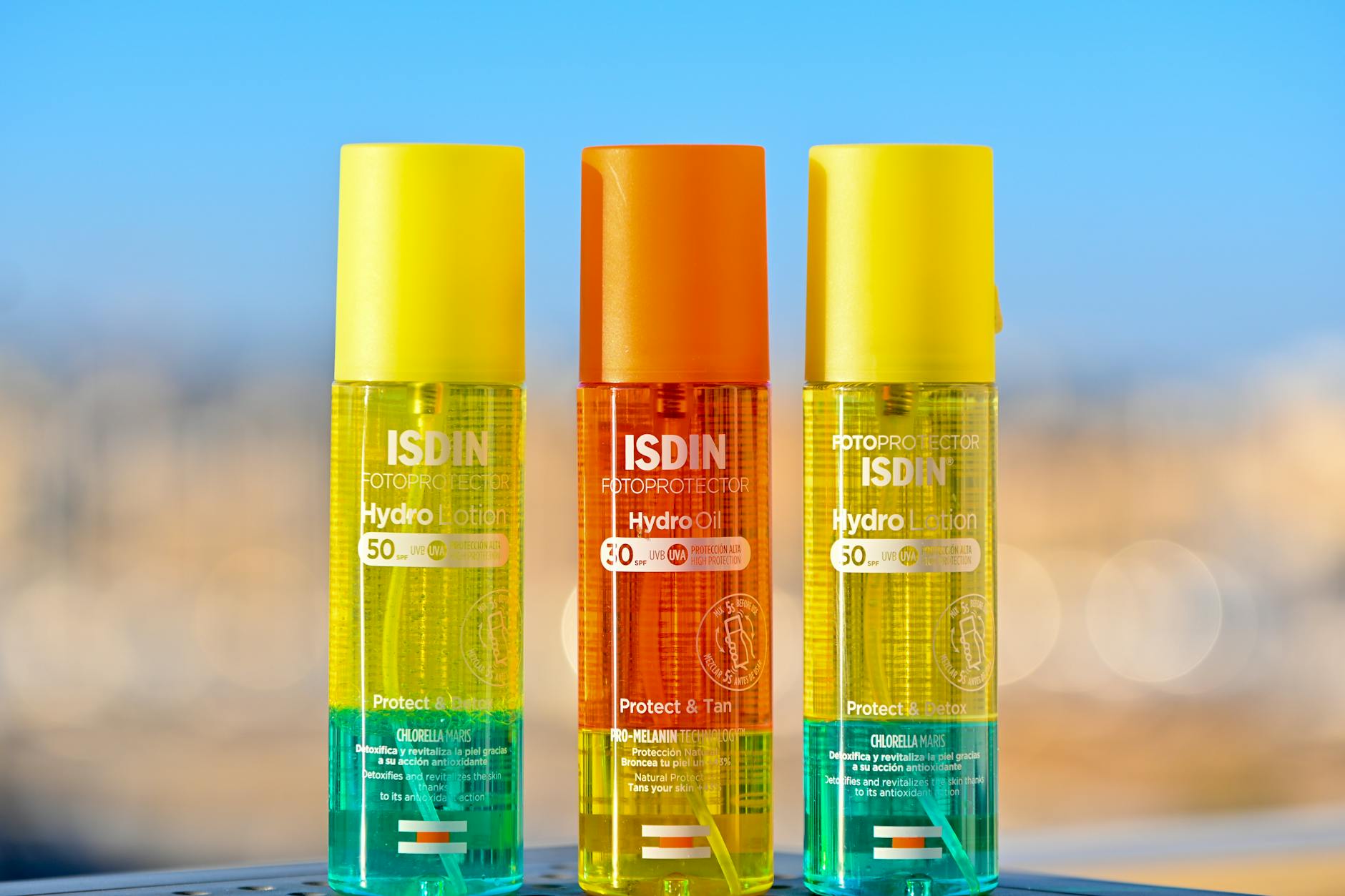
- Sunscreen protects against hyperpigmentation and is mandatory when using retinoids or other photosensitizing treatments
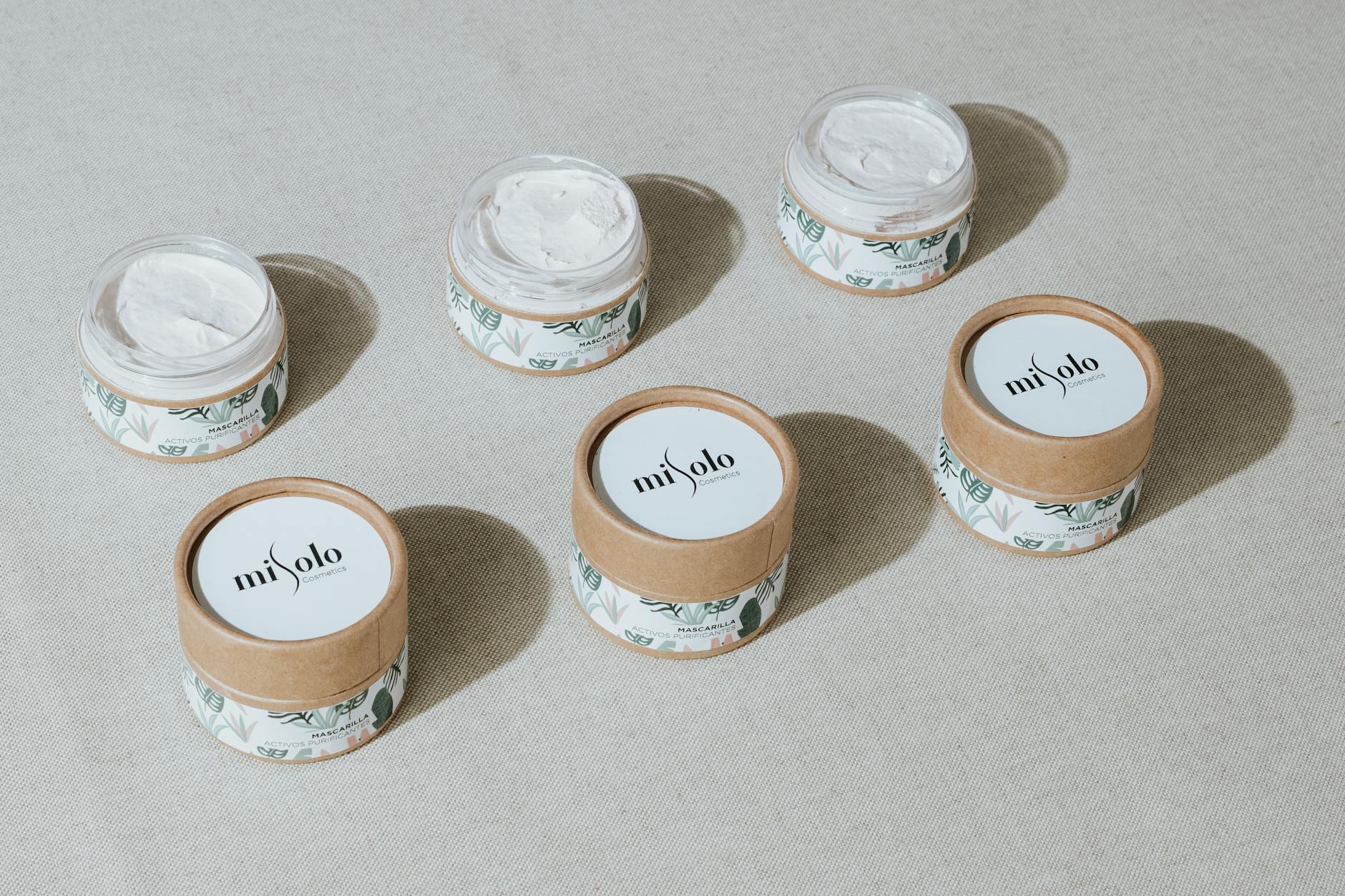
- Weekly clay masks can absorb excess oil without the irritation of daily use
- Avoid physical scrubs and harsh exfoliants that can spread bacteria and worsen inflammation
Lifestyle Changes That Support PCOS Acne Treatment
Diet modifications can significantly impact PCOS acne by addressing insulin resistance, a core feature of the syndrome that drives androgen production. High-glycemic foods cause rapid blood sugar spikes that trigger insulin release, and elevated insulin stimulates the ovaries to produce more testosterone. Research has shown that low-glycemic diets reduce both insulin levels and androgen markers in women with PCOS. Focusing on whole grains, legumes, vegetables, and lean proteins while limiting refined carbohydrates, sugary beverages, and processed foods creates a metabolic environment less conducive to acne.
Dairy consumption has garnered attention in acne research, with some studies suggesting that milk and dairy products may worsen breakouts. The proposed mechanisms include hormones naturally present in milk, the insulin-like growth factor (IGF-1) that dairy consumption stimulates, and the high glycemic impact of certain dairy products. While the evidence remains somewhat mixed, many dermatologists suggest a trial elimination of dairy for women with stubborn PCOS acne to assess individual response. This should be done carefully to ensure adequate calcium and vitamin D intake through other sources.
- Regular exercise improves insulin sensitivity and can lower androgen levels, with both aerobic activity and resistance training showing benefits
- Stress management matters because cortisol, the stress hormone, can worsen hormonal imbalances and trigger breakouts through its relationship with androgens and inflammation
- Adequate sleep supports hormonal regulation, as sleep deprivation increases insulin resistance and inflammatory markers
- Maintaining a healthy weight reduces insulin resistance and androgen levels, though even modest weight loss of 5 to 10 percent can produce measurable improvements in PCOS symptoms
Managing Acne Scars and Post-Inflammatory Hyperpigmentation from PCOS Breakouts
The aftermath of PCOS acne often includes lasting marks that persist long after active lesions heal. Post-inflammatory hyperpigmentation (PIH) appears as flat, discolored spots ranging from pink to red to brown, depending on skin tone. These marks result from melanin deposited during the inflammatory response and can take months to years to fade naturally. Post-inflammatory erythema (PIE) presents as persistent red or purple marks in lighter skin tones and reflects damaged capillaries beneath healed lesions.
Treatment options for these residual marks depend on their type and severity. Chemical peels containing glycolic acid, salicylic acid, or a combination exfoliate the skin surface and speed cell turnover, gradually fading discoloration. Vitamin C serums, particularly L-ascorbic acid at 10 to 20 percent concentration, inhibit melanin production and brighten existing hyperpigmentation. Retinoids accelerate epidermal renewal and help fade marks while preventing new breakouts. For PIE specifically, vascular lasers and intense pulsed light (IPL) can target the damaged blood vessels causing persistent redness.
- True acne scars involve textural changes such as pitted or raised areas where collagen was damaged or overproduced during healing
- Professional treatments for scarring include microneedling, fractional laser resurfacing, subcision, and filler injections depending on scar type
- Prevention remains the best approach, as controlling active acne and avoiding picking or squeezing lesions dramatically reduces scarring risk
- Sunscreen is critical during scar treatment, as UV exposure worsens hyperpigmentation and can counteract treatment effects
When to See a Specialist for PCOS Acne
Navigating PCOS acne treatment often requires coordination between multiple healthcare providers. A dermatologist brings expertise in skin conditions and can prescribe topical and oral acne medications, perform procedures for active lesions and scars, and monitor for side effects of treatments like isotretinoin. An endocrinologist or reproductive endocrinologist specializes in hormonal disorders and can optimize PCOS management more broadly, addressing insulin resistance, irregular periods, and fertility concerns alongside skin symptoms.
Certain situations warrant specialist consultation without delay. These include acne that causes significant scarring, acne unresponsive to standard treatments after three to six months, suspected PCOS that has not been formally diagnosed, desire for pregnancy which affects treatment options, and severe psychological distress related to skin appearance. A team approach often yields the best outcomes, with providers communicating about medications and treatment goals. Primary care physicians can serve as coordinators, especially in areas where specialist access is limited.
How to Prepare
- Document your acne patterns by taking weekly photos in consistent lighting and noting when breakouts worsen, such as before menstruation or after certain foods. This information helps healthcare providers understand your specific presentation and track treatment progress objectively over time.
- Compile your medical history including all medications tried for acne, their durations and results, any hormonal testing previously performed, and other PCOS symptoms you experience such as irregular periods, excess hair growth, or difficulty losing weight. This prevents repeating ineffective treatments and guides appropriate next steps.
- Consider getting baseline blood tests if not done recently, including testosterone (total and free), DHEA-S, fasting insulin, fasting glucose, and a lipid panel. These markers establish your hormonal and metabolic status before treatment begins and allow monitoring of changes.
- Assess your lifestyle factors honestly, including diet quality, exercise habits, sleep patterns, and stress levels. Understanding your starting point in these areas helps identify modifications that could support medical treatment and reveals potential acne triggers.
- Set realistic expectations by understanding that hormonal acne treatment typically takes three to six months to show significant results, and maintenance therapy may be needed long-term. Patience prevents premature abandonment of effective treatments before they have time to work.
How to Apply This
- Start new treatments one at a time, waiting two to four weeks before adding another product. This approach allows identification of what helps, what causes irritation, and what triggers breakouts, preventing confusion about which element of a regimen is responsible for changes.
- Apply topical treatments in the correct order: cleanser, water-based serums and treatments (like niacinamide or vitamin C), oil-based treatments or retinoids, moisturizer, and sunscreen in the morning. Proper layering ensures each product penetrates effectively.
- Take oral medications consistently at the same time each day, with or without food as directed, and set reminders if needed. Spironolactone, birth control pills, and metformin require steady blood levels to work optimally, and inconsistent use undermines their effectiveness.
- Track your progress using photos taken every two weeks and a brief journal noting any changes, new products tried, dietary variations, and menstrual cycle timing. This record proves invaluable during follow-up appointments and helps identify patterns you might otherwise miss.
Expert Tips
- Introduce retinoids gradually by starting with application every third night for two weeks, then every other night, then nightly as tolerated. This approach minimizes the irritation, peeling, and purging that cause many people to abandon these highly effective treatments prematurely.
- Buffer benzoyl peroxide by applying moisturizer first, waiting five minutes, then applying the benzoyl peroxide. This technique reduces irritation and dryness while maintaining antibacterial efficacy, making long-term use more sustainable.
- Ice acute cystic lesions for one to two minutes several times daily to reduce inflammation and pain. Unlike surface pimples, deep cysts should never be squeezed, as this drives infection deeper and increases scarring risk. For urgent situations, a dermatologist can inject cortisone to flatten a cyst within 24 to 48 hours.
- Consider timing dietary changes strategically by implementing a low-glycemic diet for at least two to three months before evaluating its impact on acne. Hormonal cycles mean that shorter trials may not capture the full effect, and results often appear gradually rather than dramatically.
- Maintain your treatment regimen even after skin clears, as PCOS is a chronic condition and acne typically returns when effective treatments are stopped. Work with your healthcare provider to find a sustainable maintenance approach rather than cycling on and off treatment.
Conclusion
Treating acne caused by polycystic ovary syndrome demands a multifaceted approach that addresses hormonal imbalances at their source while supporting skin health through appropriate topical care and lifestyle modifications. The combination of medical treatments like oral contraceptives and spironolactone, evidence-based skincare ingredients, dietary improvements, and stress management creates a comprehensive strategy that has helped countless women achieve clearer skin despite this challenging condition. Understanding that PCOS acne differs fundamentally from other types of breakouts empowers patients to seek appropriate treatment rather than cycling through products designed for different conditions.
The path to clearer skin with PCOS requires patience, as hormonal treatments need time to shift the underlying imbalances driving sebum production and inflammation. Most women begin seeing improvement within three months and continue to progress over six to twelve months of consistent treatment. Working with knowledgeable healthcare providers, tracking progress systematically, and making sustainable lifestyle changes all contribute to long-term success. While PCOS cannot be cured, its symptoms, including acne, can be effectively managed, allowing women to feel confident in their skin while addressing their overall health.
Frequently Asked Questions
How long does it typically take to see results?
Results vary depending on individual circumstances, but most people begin to see meaningful progress within 4-8 weeks of consistent effort. Patience and persistence are key factors in achieving lasting outcomes.
Is this approach suitable for beginners?
Yes, this approach works well for beginners when implemented gradually. Starting with the fundamentals and building up over time leads to better long-term results than trying to do everything at once.
What are the most common mistakes to avoid?
The most common mistakes include rushing the process, skipping foundational steps, and failing to track progress. Taking a methodical approach and learning from both successes and setbacks leads to better outcomes.
How can I measure my progress effectively?
Set specific, measurable goals at the outset and track relevant metrics regularly. Keep a journal or log to document your journey, and periodically review your progress against your initial objectives.
When should I seek professional help?
Consider consulting a professional if you encounter persistent challenges, need specialized expertise, or want to accelerate your progress. Professional guidance can provide valuable insights and help you avoid costly mistakes.
What resources do you recommend for further learning?
Look for reputable sources in the field, including industry publications, expert blogs, and educational courses. Joining communities of practitioners can also provide valuable peer support and knowledge sharing.