How to Reduce Redness From Acne
Acne redness comes from inflammation under the skin, often around pimples or after breakouts. You can calm it down with simple steps using gentle products and habits that soothe without making things worse[1][3][5].
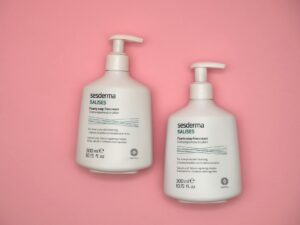
Start by washing your face twice a day with a mild cleanser. Harsh soaps dry out your skin and increase redness, so pick one without strong fragrances or alcohol. Pat dry gently instead of rubbing[1][3].
Next, use ingredients that fight inflammation right on the spots. Salicylic acid at 0.5 to 2 percent clears pores and eases redness without too much drying. Apply it every other night at first to let your skin adjust[1][7]. Benzoyl peroxide at 2.5 to 5 percent kills bacteria and cuts swelling, but start low to avoid irritation[1]. Niacinamide in serums or creams helps calm red areas and strengthens your skin barrier[1].
Moisturize even if your skin feels oily. Look for light gel-creams with ceramides, hyaluronic acid, or niacinamide. These lock in moisture and repair the skin damaged by acne treatments, preventing more redness[1]. Put it on morning and night after cleansing.
Sunscreen is key during the day. Acne treatments make skin sensitive to sun, which worsens redness. Choose a broad-spectrum mineral one with SPF 40 or higher, using zinc oxide or titanium dioxide. These do not heat up the skin like chemical sunscreens[1][2].
For quick relief on bad spots, try hydrocortisone cream for a few days only. It reduces swelling fast but does not fix acne long term, so pair it with other treatments[5]. Spot treatments with salicylic acid also target redness directly[7].
Pick non-comedogenic products labeled oil-free. This means they will not clog pores and add to inflammation. Skip heavy makeup or hair products that touch your face[1].
If redness sticks around, retinoids can help by speeding up skin cell turnover and fading early marks. Use them 2 to 3 nights a week at first[1][3].
For tougher cases, see a dermatologist. They might suggest pulsed dye lasers to target redness by calming blood vessels, or topical antibiotics to lower inflammation[3][4]. Light therapies reduce bacteria and swelling too[3].
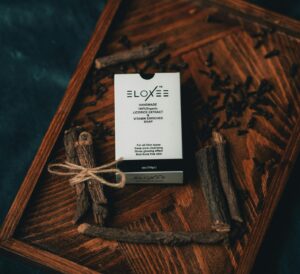
Gentle habits help overall. Anti-inflammatory ingredients like aloe vera or licorice root in products can soothe during flares[2]. Avoid picking at spots to prevent more redness and scars[3].
Sources
https://anaramedspa.com/best-ways-to-take-care-of-your-skin-to-help-your-acne-treatment-journey/
https://www.rosacea.org/patients/treatment-algorithms
https://www.fivensondermatology.com/acne
https://vitalskinderm.com/blog/laser-acne-and-scar-removal-guide/
https://health.clevelandclinic.org/hydrocortisone-for-acne
https://doralhw.org/acne-treatment-beyond-topicals-when-to-consider-professional-procedures-2/
https://theordinary.com/en-us/blog/understanding-spot-solutions.html