Post-inflammatory erythema (PIE) is prevented most effectively by treating acne aggressively at the first sign of inflammation, before it progresses to deep tissue damage. The redness that appears after acne heals—sometimes lasting months or even years—develops not because of the acne itself, but because of the inflammatory response and capillary damage that occur during the healing process. This means the best time to prevent PIE is before your skin ever gets there: during active acne treatment. Instead of waiting to deal with red marks after breakouts heal, controlling inflammation early stops the problem at its source.
This article covers the evidence-based strategies dermatologists recommend to prevent PIE from developing, including acne management, skincare habits, sun protection, and why certain behaviors significantly increase your risk. The good news is that PIE prevention doesn’t require expensive treatments or prescription medications for most people. It’s built on a foundation of straightforward habits: treating acne promptly, keeping your hands off your skin, wearing daily sunscreen, and using gentle, non-irritating skincare products. These preventive measures address the exact mechanisms that lead to post-inflammatory erythema, making them far more effective than trying to fade marks that have already formed.
Table of Contents
- Why Early Acne Control is Your Best Defense Against PIE
- The Critical Mistake of Picking and Squeezing Your Skin
- Daily Sunscreen as a Non-Negotiable Prevention Tool
- Non-Irritating Skincare Products as a Foundation for Prevention
- Managing Inflammation at Every Stage of Healing
- Understanding PIE’s Natural Timeline and When to Seek Help
- Professional Treatment Options for Stubborn Post-Inflammatory Erythema
- Conclusion
Why Early Acne Control is Your Best Defense Against PIE
The single most powerful strategy for preventing post-inflammatory erythema is treating acne at the first sign of inflammation. When you address breakouts early—within days of noticing redness or a developing lesion—you interrupt the inflammatory cascade that damages blood vessels and creates the conditions for PIE. The longer inflammation persists unchecked, the deeper it penetrates the skin and the more likely you are to end up with lasting red marks. For example, if you notice a painful cyst forming on your cheek and start targeted anti-inflammatory treatment immediately (with benzoyl peroxide, salicylic acid, or a prescription retinoid), you reduce inflammation before it causes significant capillary damage. Contrast this with delaying treatment for a week or two while hoping it clears on its own—by then, the inflammatory response has already caused tissue damage that may result in visible erythema for months afterward.
Early treatment also means using the right tools for the job. Topical treatments like benzoyl peroxide reduce bacterial colonization and inflammation simultaneously. Retinoids speed cell turnover and reduce sebum production. If you’re prone to cystic acne or deep nodular lesions, discussing oral medications (birth control, spironolactone, or isotretinoin in severe cases) with a dermatologist early on prevents the kind of extensive inflammation that almost guarantees PIE. The timeline matters: starting treatment in week one of a breakout is exponentially more effective than starting in week three.
The Critical Mistake of Picking and Squeezing Your Skin
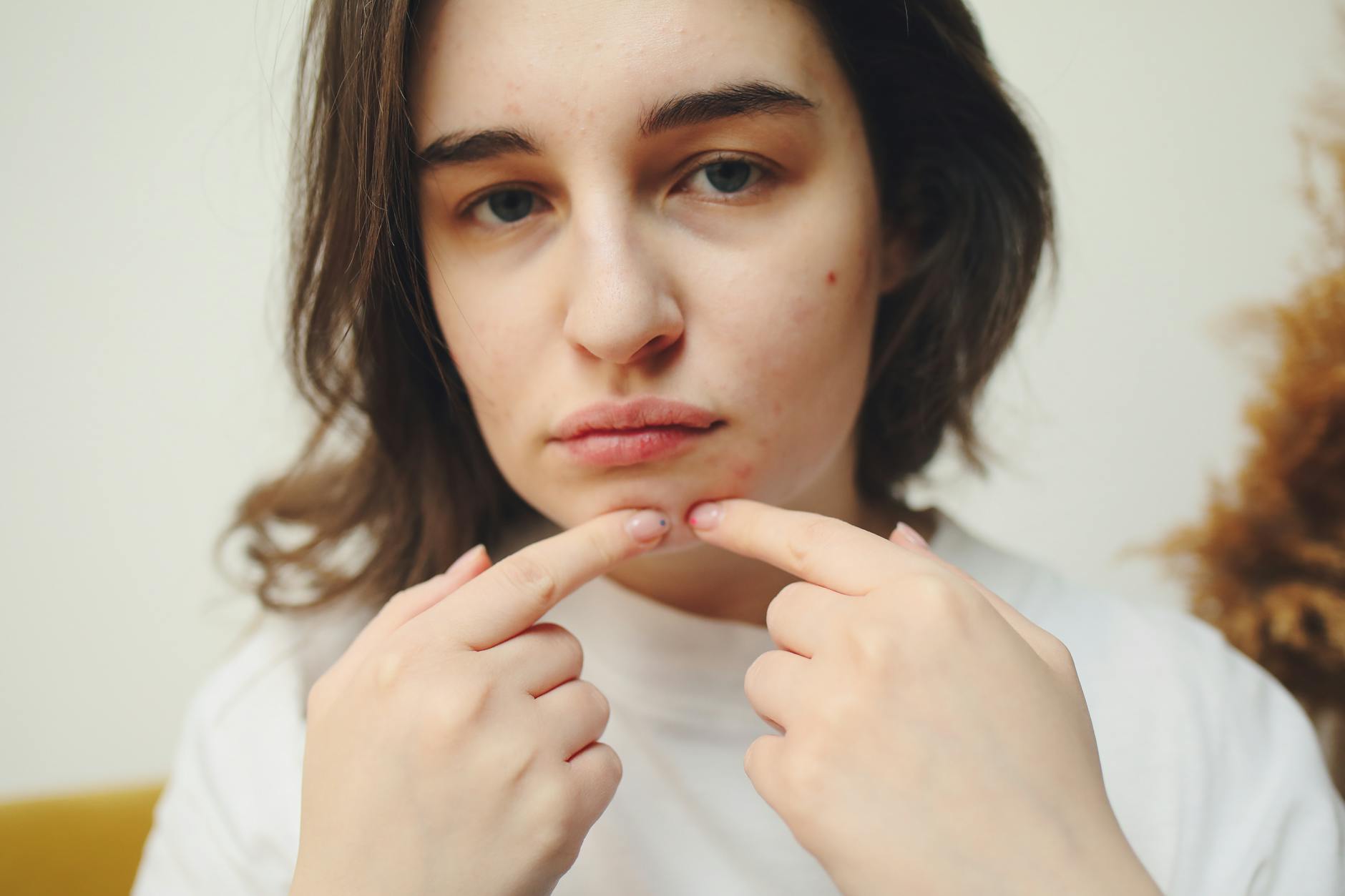
Every time you pick at, squeeze, or otherwise apply mechanical trauma to an acne lesion, you’re directly increasing inflammation and causing damage to the fragile capillaries beneath the skin. This mechanical trauma doesn’t just worsen the current breakout—it significantly increases the likelihood that you’ll develop post-inflammatory erythema afterward. dermatologists consistently rank hands-off skin as one of the most important PIE prevention strategies because picking creates a second wave of inflammation on top of the original acne-induced inflammation. Consider a concrete scenario: you have a whitehead on your chin.
If you leave it alone and let topical acne treatment work, it will likely resolve with minimal long-term marks. If you squeeze it, you rupture the follicle wall, introduce bacteria deeper into the skin, cause bleeding in the dermis, and trigger additional immune response. Even if the acne clears quickly afterward, that squeeze caused extra capillary damage that will show up as red marks for 6-12 months. This is why dermatologists recommend using acne spot treatments with salicylic acid or benzoyl peroxide instead—they work on the lesion without the mechanical damage of extraction. If you struggle with the urge to pick, consider using pimple patches or keeping your nails trimmed short, and remind yourself that the temporary satisfaction of extraction always costs months of post-inflammatory marks.
Daily Sunscreen as a Non-Negotiable Prevention Tool
Ultraviolet radiation dramatically exacerbates inflammation in healing skin and makes existing post-inflammatory erythema more visible and longer-lasting. This is why dermatologists recommend broad-spectrum sunscreen with SPF 30 or higher as a core part of acne and PIE prevention. UV exposure increases redness, prolongs the inflammatory response, and can actually deepen post-inflammatory erythema marks that are already present. If you’re treating acne or healing from breakouts, sun protection becomes even more critical because many acne medications (like retinoids and benzoyl peroxide) increase photosensitivity.
The practical application is straightforward: apply broad-spectrum SPF 30+ sunscreen every single day, even on cloudy days or when you’re indoors near windows. Reapply every two hours if you’re outside, or after swimming or sweating. Unlike other acne and PIE prevention strategies, sunscreen actually becomes more important the more active acne treatment you’re using. If you’re on a retinoid, using benzoyl peroxide, or treating with vitamin C serums, your skin’s UV sensitivity increases, making sun protection not just helpful but essential. Many modern sunscreens are formulated to be lightweight and non-comedogenic, so the excuse that sunscreen clogs pores or feels heavy no longer applies.

Non-Irritating Skincare Products as a Foundation for Prevention
The skincare products you use daily—cleansers, moisturizers, and treatments—either support or undermine PIE prevention depending on whether they calm or aggravate inflammation. Mild, non-comedogenic, fragrance-free products reduce inflammation and prevent barrier damage that can lead to PIE. This means avoiding harsh scrubs, alcohol-based toners, heavily fragranced products, and overly complex routines that stress your skin. A barrier-compromised, inflamed skin environment is far more likely to develop severe post-inflammatory erythema because the skin can’t regulate inflammation effectively. A comparison: one person treats acne with a potent retinoid but uses harsh cleansers, fragrance-heavy moisturizers, and skips sunscreen.
Their skin becomes irritated and inflamed, compounding the acne-induced inflammation, making PIE more likely and more severe. Another person uses the same retinoid but pairs it with a gentle cleanser, a fragrance-free moisturizer, and daily SPF 30+. They experience less overall inflammation, better skin barrier function, and significantly lower PIE risk. The acne medication is the same, but the supporting skincare makes a measurable difference. Choose products labeled “hypoallergenic,” “fragrance-free,” and “non-comedogenic,” and if your skin feels irritated, simplify your routine rather than adding more products.
Managing Inflammation at Every Stage of Healing
PIE prevention isn’t just about stopping acne—it’s about managing inflammation during every stage of acne healing. Even after a pimple has visibly “gone,” inflammation continues in the deeper layers of skin for days or weeks. Using topical anti-inflammatory treatments like niacinamide, centella asiatica, or azelaic acid during this healing window helps prevent the capillary damage and persistent erythema that characterize PIE. However, if you have sensitive skin or rosacea, be cautious with prescription-strength acne treatments without professional guidance, as they can trigger excessive inflammation that leads to worse PIE.
Another common mistake is stopping all acne treatment the moment a breakout clears. If you’ve been prone to regular acne, continuing a maintenance regimen—even at a reduced frequency—prevents the new breakouts that would otherwise trigger fresh cycles of inflammation and potential PIE. Additionally, be aware that certain lifestyle factors like stress, hormonal fluctuations, and poor sleep can increase acne severity and inflammation, indirectly raising PIE risk. While you can’t always control these factors, being aware that stress-induced acne tends to be more inflammatory reminds you to prioritize consistent skincare and stress management during high-stress periods.
Understanding PIE’s Natural Timeline and When to Seek Help
Post-inflammatory erythema is benign and typically fades naturally over 6 to 12 months as the skin naturally remodels and blood vessels return to normal. This natural timeline is important context because it means many cases of PIE don’t require treatment—they improve on their own. However, some cases persist longer without intervention, particularly if acne continues or if the original inflammation was very severe.
Knowing this timeline helps you decide whether to wait out mild PIE or pursue professional treatments for more bothersome marks. If you develop PIE and wait the full 6-12 months while doing nothing, most cases will fade. But if you’re proactive with prevention—maintaining sun protection, avoiding picking, using gentle skincare, and controlling new acne—the erythema typically fades faster and less noticeably. This is why prevention and early acne control during the initial healing phase are so much more effective than accepting PIE and then treating it months later.
Professional Treatment Options for Stubborn Post-Inflammatory Erythema
For PIE that doesn’t fade adequately on its own or that significantly impacts your confidence, professional treatments can accelerate improvement. Recent 2025 research has shown that combining botulinum toxin with broadband light (BBL) therapy produces significantly greater erythema reduction compared to BBL treatment alone, offering new options for resistant cases. Other professional treatments—including laser therapy, microneedling, and chemical peels—target the underlying capillary damage and inflammation to speed the fading process.
These treatments work best in combination with the prevention strategies described above, as stopping new acne and protecting your skin with sunscreen allows the professional treatments to show their full benefit. If you’re considering professional treatment for existing PIE, discuss with a dermatologist whether your skin would benefit more from targeted laser therapy, broadband light devices, microneedling to stimulate collagen remodeling, or combination approaches. The most advanced option isn’t always the best option for your specific situation—a dermatologist can assess the depth and severity of your PIE and recommend the most effective approach.
Conclusion
Preventing post-inflammatory erythema starts with treating acne aggressively at the first sign of inflammation, avoiding mechanical trauma to your skin, protecting yourself from UV radiation with daily sunscreen, and using gentle, non-irritating skincare products. These strategies work because they address the root cause of PIE: unchecked inflammation and capillary damage. By implementing these preventive measures now, you avoid the months-long process of waiting for PIE to fade naturally or spending money on professional treatments later.
The path forward is clear: commit to early acne control, keep your hands off your skin, wear SPF 30+ daily, and use a simplified, gentle skincare routine. If you do develop some post-inflammatory erythema despite these efforts, remember that most cases fade within 6-12 months, and professional treatments are available for persistent marks. The best time to prevent PIE is before your next breakout starts—not after the damage is already done.