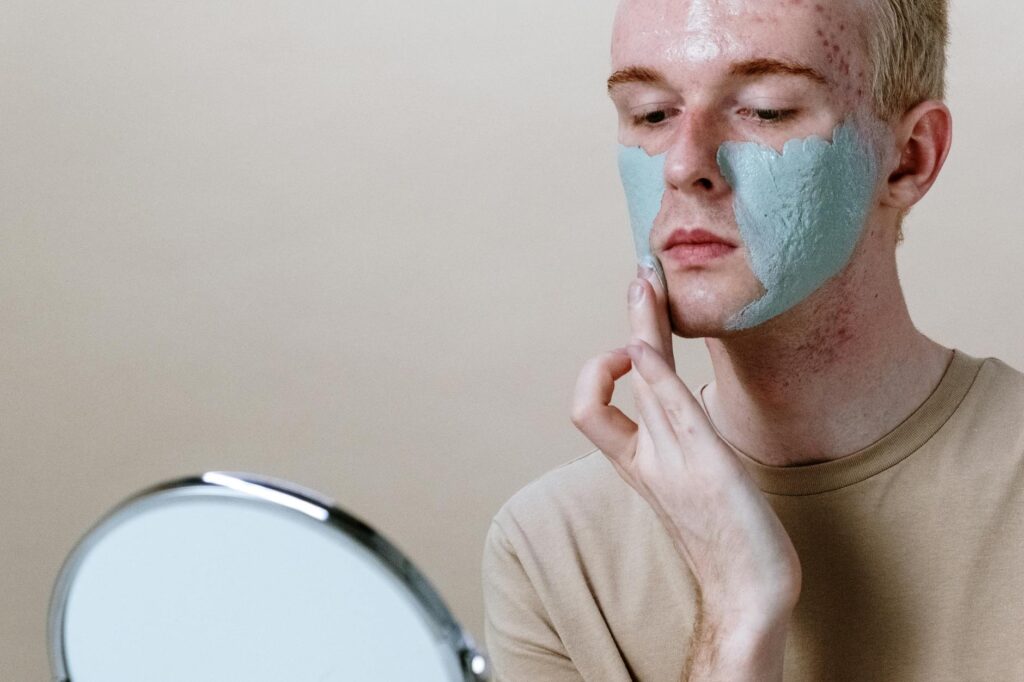
The single most effective way to prevent acne when switching skincare products is to introduce only one new product at a time and wait at least four to eight weeks before adding another. This slow, methodical approach allows you to identify which products your skin tolerates and which ones trigger breakouts. Most skincare setbacks happen because people overhaul their entire routine at once, making it impossible to pinpoint what caused a reaction. For example, if you switch your cleanser, moisturizer, and serum simultaneously and break out two weeks later, you have no way of knowing which product is the culprit””or whether the combination itself is the problem.
Beyond the one-at-a-time rule, preventing transition-related breakouts requires protecting your skin barrier, choosing products with evidence-based active ingredients, and giving each new addition enough time to show results. Dermatologists recommend waiting six to eight weeks minimum to see improvement from acne treatment products, and complete clearing can take three to four months. Rushing this process or constantly swapping products resets the clock and often makes acne worse. This article covers the specific strategies dermatologists recommend for transitioning products safely, the active ingredients worth incorporating, hygiene factors that affect breakouts during transitions, and how to recognize whether a new product is helping or harming your skin.
Table of Contents
- Why Does Switching Skincare Products Cause Breakouts?
- What Ingredients Should You Look for When Transitioning to Acne-Fighting Products?
- The Minimalist Approach to Skincare Transitions
- How Long Should You Wait Before Judging a New Product?
- Hygiene Factors That Sabotage Product Transitions
- Supporting Your Skin Barrier During Transitions
- What to Expect in the Coming Months
- Conclusion
Why Does Switching Skincare Products Cause Breakouts?
Rapid product changes stress the skin barrier””the outermost layer of skin that keeps moisture in and irritants out. When this barrier becomes compromised, skin becomes more reactive, inflammation increases, and breakouts follow. This is particularly true for people with sensitive or acne-prone skin, who are already working with a barrier that may be weakened from previous treatments or underlying conditions. The problem compounds when people respond to initial breakouts by adding more products or switching again.
Someone might try a new retinoid, experience some purging, panic, switch to a different active, experience irritation from the new product on already-sensitized skin, and end up worse than when they started. Compare this to someone who introduces the same retinoid slowly, experiences the same initial purging, but sticks with it through the adjustment period””that person is far more likely to see the clearing benefits after the 12 to 16 weeks it typically takes. Scrubbing, harsh exfoliation, and products containing fragrances or essential oils can make this problem worse. While these ingredients might seem beneficial or pleasant, dermatologists specifically warn that fragrances and essential oils in acne spot treatments can be inflammatory and prevent healing. The irritation they cause can trigger new breakouts even as you’re trying to treat existing ones.

What Ingredients Should You Look for When Transitioning to Acne-Fighting Products?
Evidence-based acne treatments include salicylic acid, benzoyl peroxide, sulfur, and retinoids. Each works through different mechanisms, and understanding these differences helps you choose products that address your specific type of acne without overwhelming your skin during the transition period. Salicylic acid is oil-soluble, meaning it can penetrate into pores to dissolve the sebum and dead skin cells that cause blackheads and whiteheads. Benzoyl peroxide kills acne-causing bacteria and is particularly effective for inflammatory acne with red, swollen pimples.
Sulfur draws out oil and has antibacterial properties, making it useful for sensitive skin that cannot tolerate benzoyl peroxide. Retinoids increase cell turnover and prevent the clogged pores that start the acne cycle in the first place. However, using multiple active ingredients simultaneously””especially when your skin is not accustomed to them””dramatically increases the risk of irritation and barrier damage. If you want to incorporate both a retinoid and benzoyl peroxide, for instance, introduce the retinoid first, allow your skin to adjust over several weeks, and only then consider adding benzoyl peroxide on alternate days or in a separate step. Starting both at once is a common mistake that leads to peeling, redness, and often more breakouts than you started with.
The Minimalist Approach to Skincare Transitions
The 2026 trend toward minimalist skincare routines reflects what dermatologists have long recommended: a simple routine done consistently is more effective than a complicated routine done inconsistently. Multi-step skincare routines can sometimes be counterproductive, and experts are increasingly advocating for “less is more” as the standard approach. This is particularly relevant when switching products because each additional step represents another variable that could cause problems. A ten-step routine means ten potential triggers for irritation, ten products that might not interact well together, and ten opportunities for user error like applying products in the wrong order or using too much of an active ingredient.
Someone transitioning from this kind of complex routine to a simpler one often sees skin improvement simply from reducing the overall load on their skin barrier. The practical application is to strip your routine down to basics during any transition period: a gentle cleanser, a moisturizer that supports barrier repair, sunscreen during the day, and one active treatment at most. Once your skin has stabilized with this minimal routine””typically after at least four weeks””you can begin slowly and judiciously reintroducing additional products. This might feel like going backward if you’ve invested in a cabinet full of serums, but it’s the most reliable path to actually achieving the results those products promise.

How Long Should You Wait Before Judging a New Product?
The timeline for evaluating acne products is longer than most people expect or allow. You need a minimum of four to eight weeks before you can meaningfully assess whether a new product is working, and complete clearing typically requires 12 to 16 weeks. Abandoning a product after two weeks because you haven’t seen improvement””or worse, because you experienced an initial breakout””means you never gave it a real chance. This is where the distinction between purging and breaking out becomes important. Purging occurs when products that increase cell turnover, like retinoids, bring existing microcomedones to the surface faster than they would have emerged naturally.
These breakouts appear in areas where you typically get acne, consist of the same type of pimples you usually experience, and resolve faster than normal breakouts. True breakouts from product intolerance, by contrast, appear in new areas, may include different types of acne than you usually get, and don’t resolve””they keep coming. The limitation here is that distinguishing between purging and a genuine adverse reaction is not always straightforward, especially in the first few weeks. If breakouts are accompanied by significant irritation, burning, or itching, or if they’re severe enough to cause distress, it’s reasonable to stop the product and consult a dermatologist rather than pushing through. The four-to-eight-week guideline assumes your skin is tolerating the product reasonably well, not that you should suffer through obvious signs of a reaction.
Hygiene Factors That Sabotage Product Transitions
External contamination can cause breakouts that get incorrectly blamed on new skincare products. Phone screens, pillowcases, hats, and makeup brushes accumulate bacteria, oil, and dead skin cells that transfer back to your face with every contact. Someone who switches to a new cleanser while unknowingly sleeping on a pillowcase covered in a week’s worth of bacteria and old product residue may assume the cleanser is causing their breakouts when the real culprit never touches their bathroom shelf. Reusing towels presents a similar problem. A towel that seems clean can reintroduce bacteria to freshly washed skin, particularly if it stays damp between uses.
Dermatologists recommend dedicated facial towels that are washed frequently, or disposable options like paper towels or single-use cloths for drying the face. This might seem excessive, but it eliminates one variable that could otherwise confuse your assessment of new products. Touching and picking at skin is perhaps the most damaging habit during transitions. It introduces bacteria from hands, disrupts the skin barrier, can lead to scarring, and causes additional breakouts in a cycle that has nothing to do with your products. If you’re testing whether a new retinoid works for you while also unconsciously touching your face throughout the day, you won’t get accurate information about the retinoid’s effectiveness.
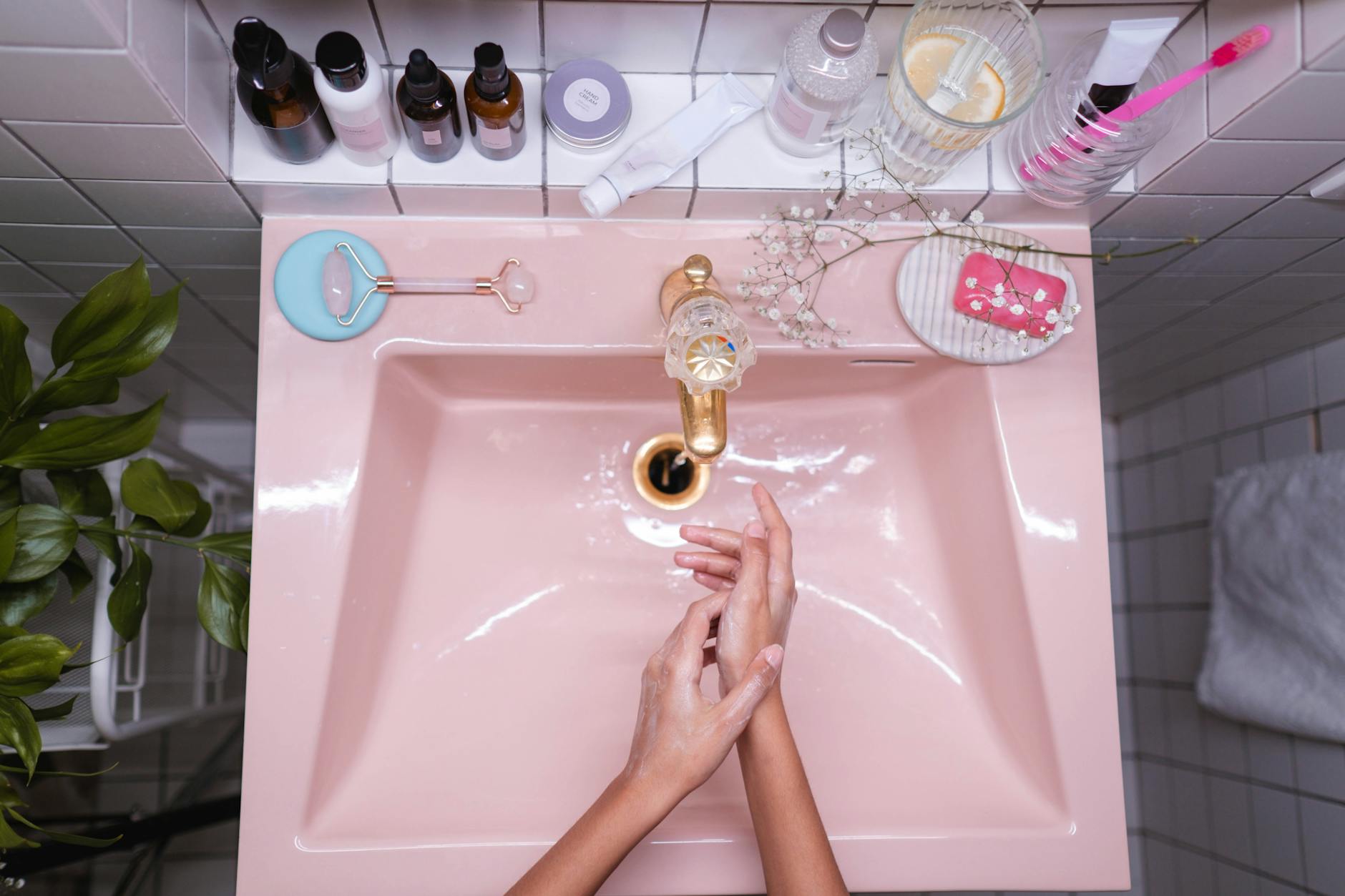
Supporting Your Skin Barrier During Transitions
Products that strengthen the skin barrier help your skin tolerate active acne treatments with less irritation. Look for moisturizers containing ceramides, niacinamide, or hyaluronic acid””ingredients that restore barrier function rather than targeting acne directly.
These supporting products become especially important when you’re introducing potentially irritating actives like retinoids or benzoyl peroxide. For example, someone starting a prescription retinoid might apply a layer of ceramide-rich moisturizer before the retinoid for the first few weeks, a technique sometimes called “buffering.” This reduces the retinoid’s intensity while the skin adjusts, then the moisturizer can be moved to after the retinoid once tolerance builds. This single strategy can mean the difference between successfully incorporating a powerful acne treatment and giving up after a week of peeling and redness.
What to Expect in the Coming Months
The skincare industry’s shift toward evidence-based minimalism suggests that future product lines will increasingly focus on fewer, more effective formulations rather than elaborate multi-step systems. This is good news for acne-prone skin, which generally does better with simplicity.
As ingredient transparency improves and dermatologist recommendations become more accessible, consumers will be better equipped to choose products that actually work rather than chasing trends that compromise their skin barrier. The fundamental principles, however, will remain the same: introduce products slowly, give them adequate time to work, protect your barrier, maintain good hygiene, and resist the urge to overcomplicate your routine. These strategies have prevented transition-related breakouts for decades, and they’ll continue to work regardless of what new products emerge.
Conclusion
Preventing acne when switching skincare products comes down to patience and restraint. Introduce one product at a time, wait four to eight weeks before evaluating results, and protect your skin barrier throughout the process. Avoid the temptation to overhaul your entire routine at once or to abandon products before they’ve had a chance to work. Remember that complete clearing can take three to four months””rushing this timeline typically makes things worse.
Pay attention to hygiene factors like clean pillowcases, phone screens, and towels, which can cause breakouts that get blamed on new products. Choose evidence-based active ingredients like salicylic acid, benzoyl peroxide, sulfur, and retinoids, but don’t combine multiple actives before your skin has adjusted to each one individually. When in doubt, simplify. A consistent basic routine will outperform an elaborate one that irritates your skin and forces you to keep starting over.