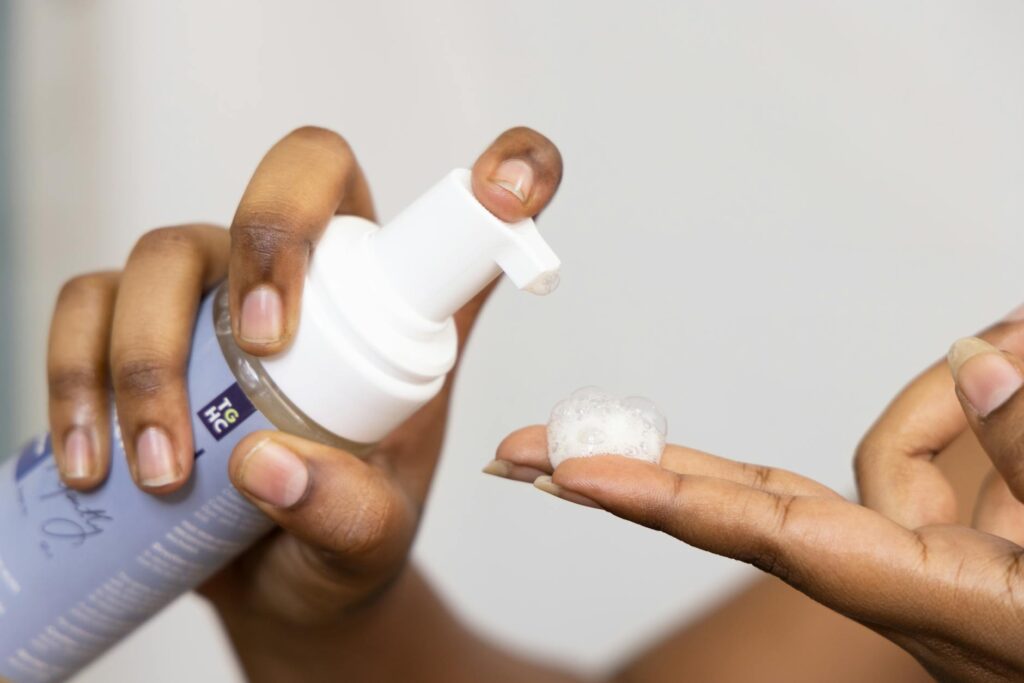
The key to finding an acne-healing cleanser lies in three principles: choosing a gentle formula that doesn’t strip your skin’s protective barrier, selecting ingredients proven to support healing (like niacinamide or salicylic acid at low concentrations), and avoiding common irritants that trigger inflammation. For example, a person with inflammatory acne might benefit from a creamy cleanser with niacinamide and ceramides, while someone with comedonal acne might need a gentle exfoliating cleanser with salicylic acid—but both formulas should be pH-balanced and fragrance-free to avoid worsening their condition. The wrong cleanser can sabotage your entire skincare routine, disrupting your skin’s microbiome and acid mantle, which actually increases bacterial overgrowth and extends healing time. This article covers how to read product labels effectively, which ingredients support healing versus which ones damage acne-prone skin, how to transition cleanser types without triggering flare-ups, and why your current cleanser might be part of the problem rather than the solution.
Table of Contents
- What Cleanser Ingredients Actually Heal Acne Rather Than Irritate It
- The pH Balance Question That Most People Overlook in Acne Cleansing
- Surfactants and Stripping: Why Your Cleanser Might Be Making Acne Worse
- Testing and Transitioning to a Better Cleanser Without Triggering Flare-Ups
- Common Active Ingredients That Seem Like They Help But Actually Damage Acne Skin
- Specialized Cleanser Types for Different Acne Presentations
- The Microbiome Connection and Future-Proofing Your Cleanser Choice
- Conclusion
- Frequently Asked Questions
What Cleanser Ingredients Actually Heal Acne Rather Than Irritate It
The most effective acne-healing cleansers contain ingredients that combat bacteria and inflammation without compromising your skin‘s natural defenses. Niacinamide (vitamin B3) is perhaps the most evidence-backed ingredient—it reduces sebum production, strengthens the barrier, and has antimicrobial properties without the harshness of harsher actives.
Salicylic acid (BHA) is also healing when used in concentrations between 0.5% to 2%, as it penetrates pores to dissolve sebum and dead skin cells; however, concentrations above 2% in a cleanser can be unnecessarily irritating and drying. Compare this to benzoyl peroxide, which kills acne-causing bacteria but can be oxidizing and drying—it’s more suitable for spot treatments than a daily cleanser. Glycerin, hyaluronic acid, and ceramides in a cleanser support the healing process by maintaining hydration and preventing the dehydration that leads to increased oil production and barrier damage.
The pH Balance Question That Most People Overlook in Acne Cleansing
your skin’s natural pH is around 4.5 to 5.5 (acidic), which maintains the acid mantle—a protective layer that controls bacterial growth and prevents irritation. Many acne cleansers, especially those marketed as “deep cleaning” or “oil control,” have a pH between 6.5 and 8, which is too alkaline and actually disrupts the environment that keeps acne bacteria in check. When you use an alkaline cleanser, your skin compensates by producing excess oil within hours, which can paradoxically worsen acne over time.
However, if your acne is severely inflamed or cystic, a slightly alkaline cleanser (pH 6-7) with anti-inflammatory ingredients like allantoin or colloidal oatmeal might be necessary short-term, but you should plan to transition to a pH-balanced formula within 2-4 weeks to avoid sensitization. Testing a cleanser’s pH is possible with pH strips available online—simply wet the product slightly, place the strip on it, and check the color chart. Products claiming to be “pH-balanced” should list their pH on the label or in their FAQ.
Surfactants and Stripping: Why Your Cleanser Might Be Making Acne Worse
Surfactants are the cleaning agents in any product, and they range from extremely harsh to gentle. Sodium lauryl sulfate (SLS) and sodium laureth sulfate are common in acne cleansers because they create that satisfying lather, but they’re also highly stripping—they remove not just oil and dirt but the lipids your skin needs to function. Your skin then responds to this dehydration by producing even more oil, creating a cycle that feeds acne.
Gentler surfactants like sodium cocoyl isethionate, decyl glucoside, or cocamidopropyl hydroxysultaine provide adequate cleansing without the damage. For example, a person using a harsh sulfate-based acne cleanser might experience temporarily clearer skin for the first week, then increasing redness, dryness around the mouth, and paradoxically, increased breakouts around the chin and jawline—signs that the barrier is compromised. Switching to a cleanser with milder surfactants often resolves these secondary breakouts within 1-2 weeks, even before the underlying acne begins to clear.

Testing and Transitioning to a Better Cleanser Without Triggering Flare-Ups
The transition from one cleanser to another is a critical period where many people experience purging or irritation, making them assume the new cleanser is worse. The safe approach is to replace your cleanser gradually: use the old cleanser on days 1 and 2, then alternate with the new cleanser on day 3, continuing this pattern for 10-14 days before fully switching. This allows your skin microbiome and barrier to adjust without shock.
During this transition, watch for red flags: if you develop new inflamed pimples in areas where you don’t typically break out, extreme dryness, or burning sensations, the new cleanser is likely too harsh and should be abandoned. Conversely, if you see small whiteheads or closed comedones appearing in your typical problem areas, that’s likely purging—a normal process where the new cleanser is helping exfoliate trapped debris—and you should continue for 4 weeks before deciding. A helpful comparison: introducing a new cleanser is like introducing a new probiotic—your skin needs time to rebalance, and immediate results don’t always mean the product is working or failing.
Common Active Ingredients That Seem Like They Help But Actually Damage Acne Skin
Alcohol denat and isopropyl alcohol are included in many acne cleansers for their antimicrobial properties, but they’re also profoundly drying and inflammatory over time, particularly for acne-prone skin where barrier function is already compromised. Similarly, essential oils like tea tree oil and eucalyptus are often marketed as “natural acne fighters,” but they’re volatile and irritating—they can cause sensitization and actually increase bacterial resistance.
Fragrance (even “natural” fragrance from essential oils) is a confirmed irritant for acne-prone skin, as scent molecules trigger mild inflammatory responses that sustain acne cycles. The limitation here is that some acne cleansers use these ingredients because they do provide immediate sensations of cleanliness and freshness, which consumers associate with effectiveness, even though the long-term impact is negative. If you’re currently using a cleanser containing alcohol or fragrance, your skin might feel “clean” immediately after use but could be damaged underneath, manifesting as increased sebum production and more breakouts within a week.
Specialized Cleanser Types for Different Acne Presentations
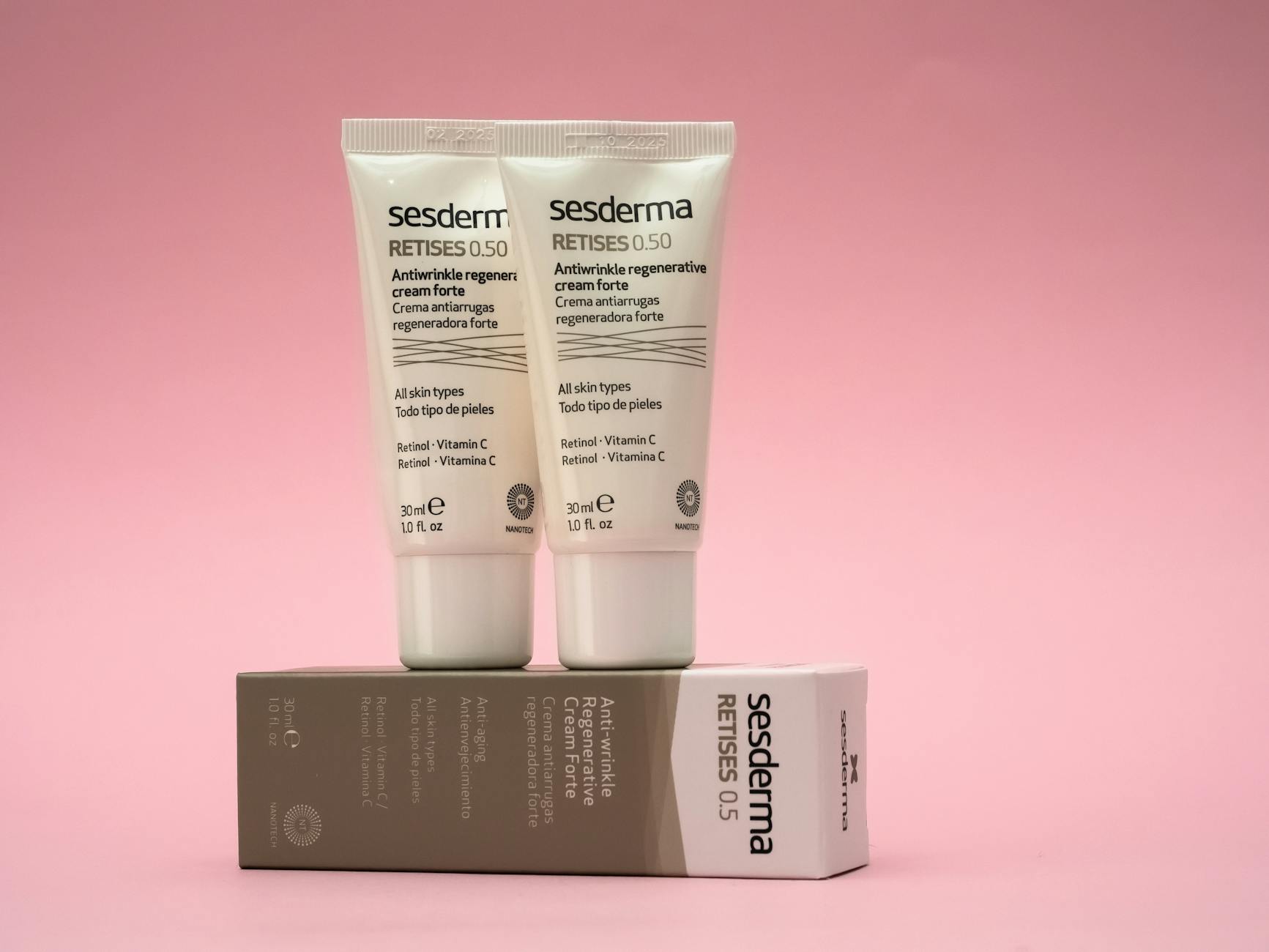
Micellar water cleansers are excellent for acne-prone skin because they’re incredibly gentle and remove makeup and impurities without mechanical action or harsh surfactants—making them ideal for inflamed acne where barrier damage is already significant. Cream cleansers (sometimes called cleansing balms or cleansing oils) might seem counterintuitive for acne skin, but non-comedogenic formulas with emulsifying waxes actually remove sebum and bacteria more thoroughly than foaming cleansers without stripping. An example: someone with severe cystic acne and a damaged barrier might use a cream cleanser in the evening and a gentle micellar water in the morning, rotating out the cream cleanser once their barrier has recovered over 4-6 weeks.
The Microbiome Connection and Future-Proofing Your Cleanser Choice
Recent dermatological research emphasizes that healthy skin microbiota—the bacterial community living on your skin—is essential for acne prevention and healing. Cleansers that are too harsh or contain broad-spectrum antimicrobials don’t just kill acne bacteria; they also eliminate beneficial bacteria that produce short-chain fatty acids and maintain pH balance.
This suggests that the future of acne cleansing is moving toward “prebiotic” or “microbiome-friendly” formulas that selectively support beneficial bacteria while limiting pathogenic strains. As you choose a cleanser now, look for products labeled as preservative-light, free from broad-spectrum antimicrobials like triclosan or tea tree oil, and formulated to support rather than eliminate your skin’s natural microbiome—this forward-thinking approach will likely serve your skin better over years of use than harsh formulas that provide only short-term clarity.
Conclusion
Identifying a cleanser that heals acne rather than worsening it requires attention to three essentials: pH balance (ideally 4.5-5.5), gentle surfactants that don’t strip the barrier, and targeted healing ingredients like niacinamide or low-concentration salicylic acid.
Avoid common saboteurs like alcohol, fragrance, high-concentration exfoliants, and surfactants like SLS that compromise your skin’s protective layer. Your next step is to check your current cleanser’s ingredient list and pH, then identify which of the above issues might be driving your breakouts—often, simply switching to a pH-balanced, fragrance-free formula resolves acne within 4-8 weeks, long before you need to add prescription treatments or oral medications to your routine.
Frequently Asked Questions
How long should I use a new cleanser before deciding if it’s working?
Give any new cleanser at least 4 weeks of consistent use, using it twice daily. The first 1-2 weeks may involve purging as your skin adjusts, and true results usually appear between weeks 3-4. If you see no improvement and experience persistent irritation (burning, excessive redness), discontinue sooner.
Can I use an exfoliating cleanser if I have active breakouts?
It depends on the severity. For mild acne, a gentle BHA cleanser (0.5-1.5%) can help, but for inflamed or cystic acne, exfoliating cleansers are too irritating—wait until inflammation subsides, then introduce them gradually using the transition method described in Section 4.
Is a more expensive acne cleanser always better?
No. Price doesn’t correlate with efficacy for cleansers. Many affordable drugstore brands (under $15) are formulated with pH-balanced gentle surfactants and healing ingredients, while expensive brands sometimes use irritating ingredients justified as “premium actives.” Focus on the ingredient list and pH, not the price tag.
What if my acne gets worse when I switch to a “gentler” cleanser?
You’re likely experiencing barrier damage from your previous harsh cleanser that’s now being revealed. Continue with the gentle cleanser for 2-3 weeks—during this period, your barrier will begin healing and breakouts should subside. If breakouts persist beyond 3 weeks and worsen, the new cleanser may be inappropriate for your skin.
Can I use different cleansers for morning and night?
Yes, and this is often recommended. Many people use a gentle micellar water or cream cleanser in the evening to thoroughly remove makeup and sebum, then use a gentle gel or milk cleanser in the morning. This allows you to address different needs (deep cleansing vs. quick refresh) without overloading your skin with a single product.