The fastest way to reduce an inflamed pimple is to apply a spot treatment containing benzoyl peroxide or salicylic acid immediately after cleansing, then follow with an ice cube wrapped in cloth for two to three minutes to constrict blood vessels and reduce swelling. For severe inflammation, a hydrocolloid pimple patch worn overnight can draw out fluid and flatten the bump by morning. These methods work because inflamed pimples are essentially localized infections where bacteria have triggered your immune system, causing the redness, swelling, and pain that make them so noticeable. Consider someone who wakes up with a painful, red pimple the day before an important presentation.
By applying a 2.5% benzoyl peroxide gel that evening, icing the area, and covering it with a hydrocolloid patch overnight, they can reasonably expect a 50 to 70 percent reduction in visible inflammation within 12 to 24 hours. The pimple likely will not disappear entirely, but it will become far less prominent and easier to conceal if necessary. This article covers why certain treatments work faster than others, what causes pimples to become inflamed in the first place, and which methods dermatologists actually recommend versus those that can make the problem worse. You will also find guidance on when professional intervention becomes necessary and how to prevent inflamed breakouts from recurring.
Table of Contents
- What Causes Pimples to Become Inflamed So Quickly?
- The Most Effective Topical Treatments for Inflamed Pimples
- Why Ice and Cold Compresses Reduce Pimple Inflammation
- How Hydrocolloid Patches Draw Out Inflammation Overnight
- When Professional Treatment Becomes Necessary
- The Role of Anti-Inflammatory Ingredients in Acne Treatment
- How to Prepare
- How to Apply This
- Expert Tips
- Conclusion
- Frequently Asked Questions
What Causes Pimples to Become Inflamed So Quickly?
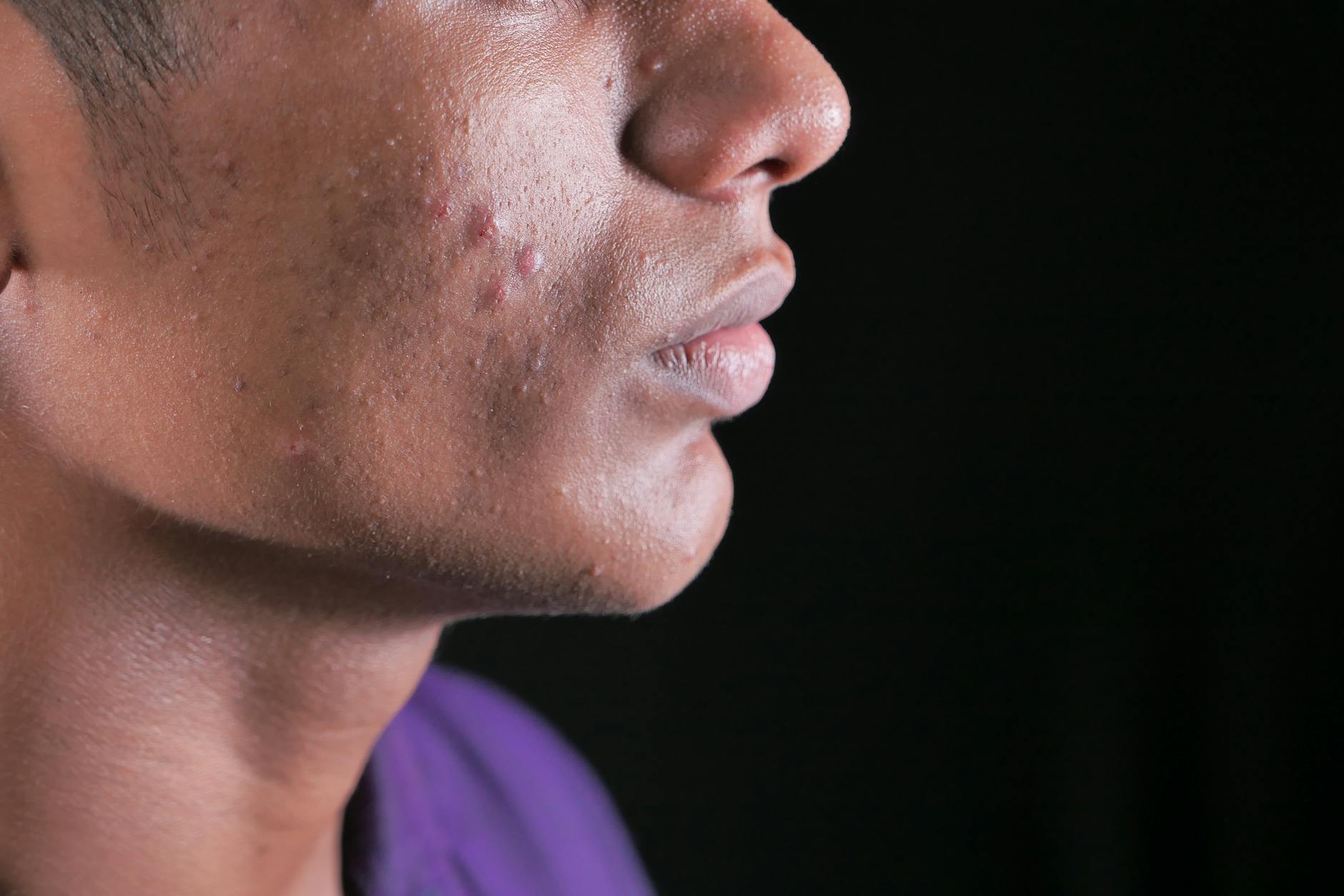
Pimples become inflamed when a clogged pore allows Cutibacterium acnes bacteria to multiply beneath the skin’s surface. Your immune system detects this bacterial overgrowth and responds by sending white blood cells to the area, which creates the characteristic redness, swelling, heat, and tenderness of an inflamed lesion. This inflammatory response can escalate rapidly, sometimes within hours, transforming a small whitehead into a painful, raised bump. The speed of inflammation depends on several factors, including your skin’s baseline oil production, the depth of the clogged pore, and your individual immune response patterns.
Someone with oilier skin may find that minor pore blockages escalate to full inflammation faster because they have more sebum available to feed bacteria. Compared to non-inflamed comedones like blackheads, which can remain relatively stable for weeks, inflammatory acne represents an active immune battle that demands different treatment approaches. Hormonal fluctuations play a significant role in determining inflammation severity. During the week before menstruation, many people notice that their pimples are not only more frequent but angrier in appearance. This occurs because hormonal shifts increase sebum production and can alter the immune response, making the skin more reactive to bacterial presence.
The Most Effective Topical Treatments for Inflamed Pimples
Benzoyl peroxide remains the gold standard for treating inflamed acne because it kills the bacteria causing the infection while also helping to clear the pore. Concentrations ranging from 2.5% to 10% are available over the counter, though research suggests that 2.5% formulations work nearly as well as stronger versions while causing significantly less irritation and dryness. The antibacterial action begins working within hours, though visible improvement typically takes 24 to 48 hours to become apparent. Salicylic acid takes a different approach by dissolving the dead skin cells and sebum plugging the pore, which allows the inflammation to drain naturally.
It works best on pimples that still have a visible clog at the surface and tends to be gentler than benzoyl peroxide for sensitive skin types. However, if your inflamed pimple is deep and cystic without a visible head, salicylic acid will have limited effectiveness because it cannot penetrate deeply enough to address the underlying blockage. Combining treatments requires caution. Using benzoyl peroxide and salicylic acid simultaneously can cause excessive dryness and irritation that actually prolongs healing time. A more effective strategy involves using one treatment in the morning and the other at night, or alternating days, to gain benefits from both mechanisms without overwhelming the skin’s barrier function.
Why Ice and Cold Compresses Reduce Pimple Inflammation
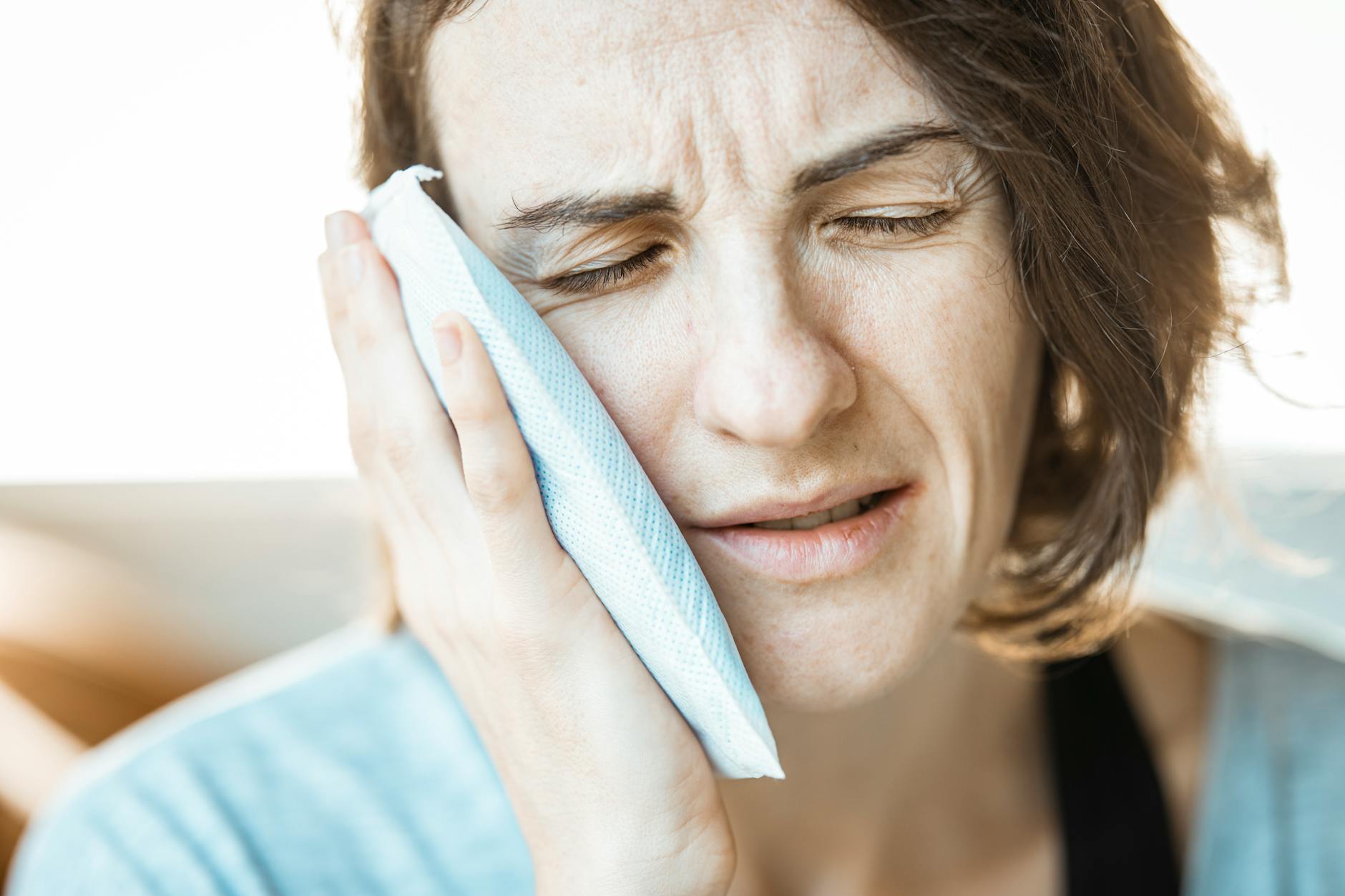
Cold therapy works on inflamed pimples through the same mechanism that makes ice packs effective for sprained ankles. The cold causes blood vessels to constrict, reducing blood flow to the area and thereby decreasing the redness and swelling that make pimples so visible. Applying an ice cube wrapped in a thin cloth for two to three minutes can produce noticeable reduction in puffiness within 15 to 30 minutes. The technique matters more than people realize. Direct application of ice without a barrier can damage skin tissue and potentially worsen inflammation, while applications lasting longer than five minutes risk causing cold burns.
A person treating a prominent pimple before an event might ice the area for three minutes, wait 10 minutes, then repeat the process up to three times for maximum effect. This approach can reduce a pimple’s height and redness by roughly 25 to 40 percent temporarily. Cold compresses do not treat the underlying infection or clog, so they work best as part of a multi-pronged approach rather than a standalone treatment. Think of icing as damage control for visible symptoms while your topical treatments address the actual cause. The effects also fade within a few hours as blood flow normalizes, making this technique most useful when you need short-term improvement for a specific occasion.
How Hydrocolloid Patches Draw Out Inflammation Overnight
Hydrocolloid patches were originally developed for wound care and work by absorbing fluid from the skin’s surface while maintaining a moist healing environment. When applied to an inflamed pimple, they draw out pus and excess fluid through gentle osmotic action, often leaving the patch visibly white or swollen by morning where it has collected material. This mechanism can flatten a raised pimple significantly faster than leaving it exposed to air. The tradeoff is that hydrocolloid patches work best on pimples that have already come to a head or are close to doing so.
A deep, cystic pimple without surface drainage will not respond well to a patch because there is no pathway for fluid to escape. In contrast, a pimple with a visible white or yellow center is an ideal candidate and may be reduced by 60 to 80 percent after eight hours of patch coverage. Beyond fluid absorption, these patches provide a physical barrier that prevents picking and protects the pimple from additional bacteria introduced by touching. For people who struggle with the urge to squeeze their breakouts, patches offer both psychological and practical benefits. Some newer formulations incorporate active ingredients like salicylic acid or tea tree oil into the hydrocolloid matrix, combining absorption with direct treatment, though evidence for their superiority over plain patches remains limited.
When Professional Treatment Becomes Necessary
Cortisone injections represent the fastest professional option for eliminating severely inflamed pimples, with results often visible within hours and full resolution within 24 to 48 hours. A dermatologist injects a diluted corticosteroid directly into the pimple, rapidly suppressing the inflammatory response. This treatment is particularly valuable for large, painful cystic lesions that would otherwise take weeks to resolve and risk leaving permanent scars. However, cortisone shots carry risks that limit their appropriate use. Injecting too high a concentration or treating a pimple that is too superficial can cause atrophy, leaving a temporary or sometimes permanent depression in the skin.
Repeated injections in the same area can also cause thinning. Most dermatologists reserve this treatment for truly severe inflammatory lesions or for patients who have important events and cannot wait for topical treatments to work. Other professional options include manual extraction performed with sterile tools and proper technique, prescription-strength topical treatments like tretinoin or topical antibiotics, and oral medications for recurring inflammatory acne. If you experience more than a few inflamed pimples monthly, or if your breakouts regularly leave dark marks or scars, professional evaluation is warranted. Persistent inflammatory acne often indicates an underlying issue that over-the-counter treatments cannot adequately address.
The Role of Anti-Inflammatory Ingredients in Acne Treatment
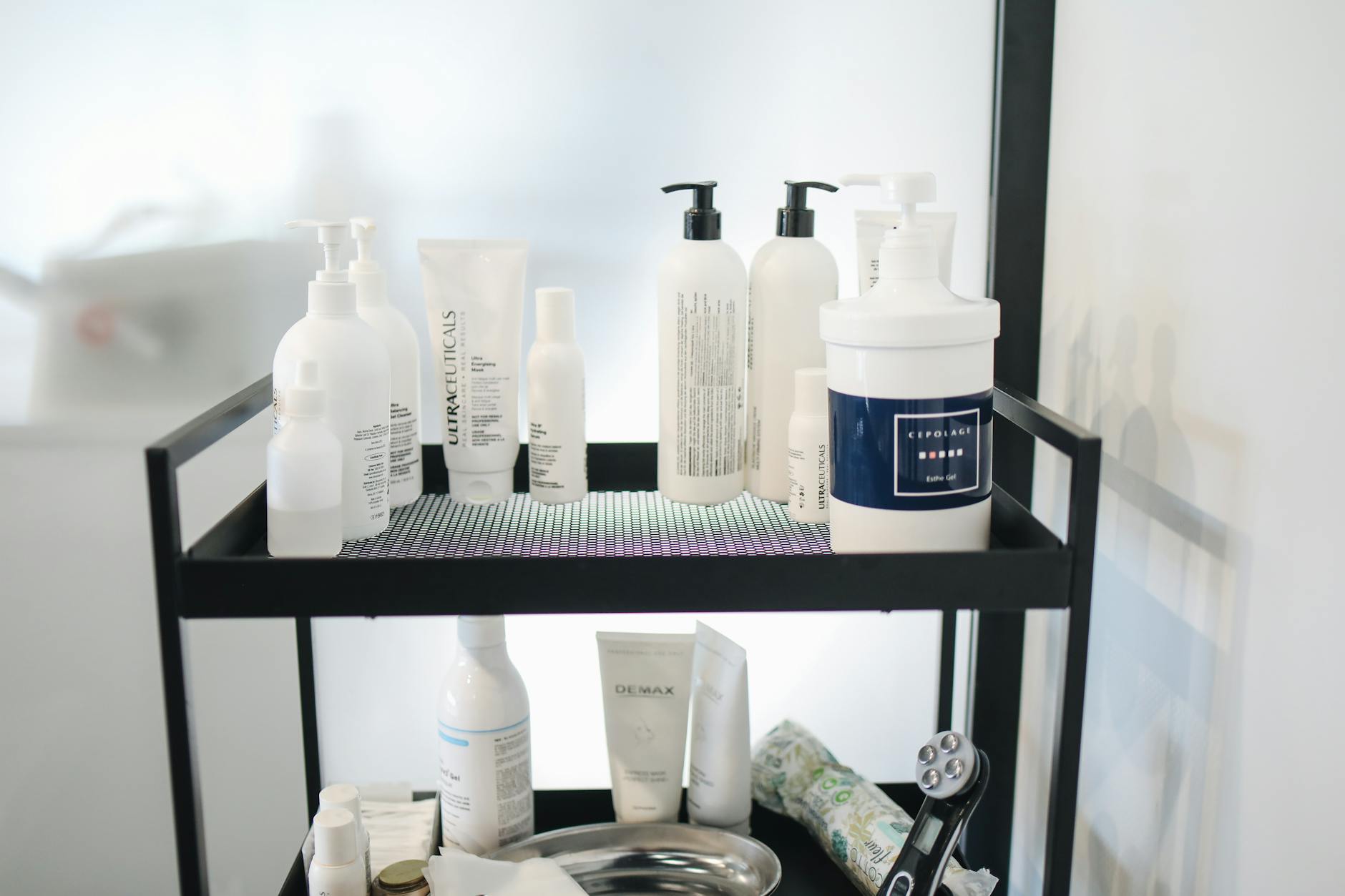
Beyond direct acne-fighting ingredients, anti-inflammatory compounds can accelerate healing by calming the immune response around a pimple. Niacinamide, a form of vitamin B3, has demonstrated effectiveness at reducing redness and inflammation when applied topically at concentrations of 4% or higher.
A person using a niacinamide serum alongside their benzoyl peroxide spot treatment may notice that the surrounding redness resolves faster, even if the pimple itself takes the same time to clear. Green tea extract, licorice root, and centella asiatica are other ingredients with documented anti-inflammatory properties, though the evidence for their acne-specific benefits is less robust than for niacinamide. These ingredients work best as part of a general skincare routine rather than as emergency spot treatments for acute inflammation.
How to Prepare
- Cleanse your face with a gentle, non-foaming cleanser using lukewarm water. Hot water can increase inflammation and irritation, while cold water may not adequately remove oil and debris blocking the pore.
- Pat your skin dry with a clean towel rather than rubbing, which can irritate the inflamed area and spread bacteria to other parts of your face.
- Wait two to three minutes for your skin to fully dry before applying any treatment. Applying active ingredients to damp skin increases penetration, which sounds beneficial but can cause excessive irritation with potent spot treatments.
- If you plan to use ice, prepare it now by wrapping an ice cube in a thin, clean cloth or using a cold compress. Never apply ice directly to skin.
- Gather your spot treatments so they are ready for immediate application, minimizing the time you spend touching your face.
How to Apply This
- Apply a thin layer of your chosen spot treatment, whether benzoyl peroxide or salicylic acid, directly to the pimple and a small margin of surrounding skin. Using more product than necessary does not speed results and may cause unnecessary irritation to healthy skin.
- Allow the treatment to dry completely before applying any additional products or touching the area. This typically takes one to two minutes depending on the formula.
- If using a hydrocolloid patch, apply it only after your spot treatment has fully absorbed. Press the patch firmly to ensure good adhesion, especially around the edges.
- For daytime treatment, apply a non-comedogenic moisturizer around the treated area and sunscreen over everything, as many acne treatments increase sun sensitivity. At night, the moisturizer alone is sufficient.
Expert Tips
- Apply your spot treatment at the first sign of inflammation, before the pimple fully develops. Early intervention when you feel that telltale tenderness beneath the skin can prevent the lesion from reaching its full inflammatory potential.
- Do not attempt to pop or squeeze an inflamed pimple that does not have a visible white head. Squeezing a deep, unready pimple pushes bacteria and sebum deeper into the skin, worsening inflammation and dramatically increasing the risk of scarring.
- Change your pillowcase at least twice weekly, or consider using a silk or satin case that harbors less bacteria and causes less friction against active breakouts.
- Avoid layering multiple active ingredients on inflamed skin in desperation. Using retinoids, benzoyl peroxide, and salicylic acid simultaneously will likely cause severe irritation that delays healing rather than accelerating it.
- Take an oral anti-inflammatory like ibuprofen if you have a particularly painful, swollen pimple and no contraindications to the medication. This can reduce internal inflammation systemically while your topical treatments work locally.
Conclusion
Getting rid of inflamed pimples quickly requires a strategic combination of approaches: topical treatments that kill bacteria and clear pores, cold therapy that constricts blood vessels and reduces swelling, and protective patches that draw out fluid while preventing further irritation. The most effective strategy depends on the specific type of inflamed lesion, with surface-level pimples responding well to salicylic acid and hydrocolloid patches while deeper infections may require benzoyl peroxide or professional intervention.
Prevention remains more effective than treatment, so anyone experiencing regular inflammatory breakouts should evaluate their skincare routine, hormonal health, and lifestyle factors. However, when an inflamed pimple does appear, quick action with the right treatments can reduce its severity and duration by half or more. Resist the urge to pick or over-treat, protect the area with appropriate products, and seek professional help if at-home measures consistently fail to control your inflammatory acne.
Frequently Asked Questions
How long does it typically take to see results?
Results vary depending on individual circumstances, but most people begin to see meaningful progress within 4-8 weeks of consistent effort. Patience and persistence are key factors in achieving lasting outcomes.
Is this approach suitable for beginners?
Yes, this approach works well for beginners when implemented gradually. Starting with the fundamentals and building up over time leads to better long-term results than trying to do everything at once.
What are the most common mistakes to avoid?
The most common mistakes include rushing the process, skipping foundational steps, and failing to track progress. Taking a methodical approach and learning from both successes and setbacks leads to better outcomes.
How can I measure my progress effectively?
Set specific, measurable goals at the outset and track relevant metrics regularly. Keep a journal or log to document your journey, and periodically review your progress against your initial objectives.
When should I seek professional help?
Consider consulting a professional if you encounter persistent challenges, need specialized expertise, or want to accelerate your progress. Professional guidance can provide valuable insights and help you avoid costly mistakes.
What resources do you recommend for further learning?
Look for reputable sources in the field, including industry publications, expert blogs, and educational courses. Joining communities of practitioners can also provide valuable peer support and knowledge sharing.