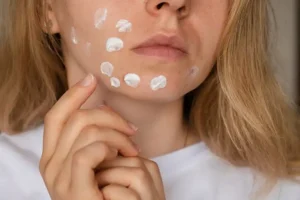
Acne scars can look different on dark skin than on lighter tones, and they can also take longer to fade. The good news is that with the right routine and some patience, you can soften scars, even your skin tone, and help prevent new marks from forming.
Below is a simple, step by step guide designed specifically with deeper skin tones in mind.
Understanding acne scars on dark skin
On dark skin, acne often leaves two main issues behind:
1. Color changes
These are flat spots that look darker than your normal skin tone. They are often called post inflammatory hyperpigmentation. The pimple is gone, but the mark stays for weeks or months. Because melanocytes in deeper skin tones are more active, they make more pigment in response to inflammation, so these marks are especially common and stubborn in brown and Black skin.
2. Texture changes
These are true scars. They can look like tiny dents or pits in the skin or sometimes raised, firm bumps. Texture scars need different treatments than flat dark spots because the structure of the skin has changed, not just the color.
Most people with dark skin have some combination of both, so it helps to target color and texture at the same time.
Start with gentle daily habits
Before focusing on treatments, set up a routine that protects your skin barrier and prevents new scars.
1. Cleanse gently
Use a mild, non drying cleanser twice a day. Avoid harsh scrubs or rough washcloths. Rubbing or over exfoliating can increase inflammation and trigger more pigment, especially in melanin rich skin.
2. Hands off your face
Squeezing, picking, or scratching pimples is one of the fastest ways to create darker, longer lasting marks. Each time you pick, you create more trauma, which tells your pigment cells to make more melanin.
3. Daily sunscreen is non negotiable
UV light makes dark marks darker and keeps them around longer. This is even more true for deeper skin tones, which tan quickly and hold pigment more strongly.[4]
Look for:
• Broad spectrum SPF 30 or higher
• Non comedogenic on the label
• A texture you will actually use every day, like gel, lotion, or fluid
Apply a generous amount every morning and reapply if you are outside for long periods.
Key ingredients that fade dark marks
You do not need a complicated routine. A few proven ingredients used consistently can make a big difference for hyperpigmentation in dark skin.
1. Retinoids
Retinoids are vitamin A based ingredients that increase cell turnover and boost collagen. This helps with both color and texture.[4]
Over the counter forms include retinol and adapalene gel. Prescription options include tretinoin, tazarotene, and others.
Benefits:
• Fade dark spots by speeding up shedding of pigmented cells
• Improve fine textural scars by encouraging new collagen
• Help prevent new acne, which reduces future scars
How to use:
• Start 2 to 3 nights per week
• Use a pea sized amount for the entire face
• Follow with a gentle moisturizer to reduce dryness
• Expect mild peeling at first, which usually settles after a few weeks
On dark skin, it is especially important not to overuse retinoids, because too much irritation can worsen hyperpigmentation. Increase frequency slowly only if your skin is tolerating it.
2. Vitamin C
Vitamin C is an antioxidant that helps brighten dark marks and neutralize free radicals from UV and pollution.[1][2]
Benefits:
• Lightens hyperpigmentation by interfering with melanin production
• Gives a more even tone and subtle glow
• Works well with sunscreen in the morning
How to use:
• Apply a vitamin C serum in the morning after cleansing and before moisturizer and sunscreen
• Look for stable forms of vitamin C and start every other day if you have sensitive skin
3. Niacinamide
Niacinamide is a form of vitamin B3 that is well tolerated on most skin types, including sensitive and acne prone skin.[1][2]
Benefits:
• Reduces dark spots over time
• Calms redness and irritation
• Supports the skin barrier, which is important when using active treatments
How to use:
• Often found in serums or moisturizers
• Can be used morning and night, and layers well with most other ingredients
4. Chemical exfoliants
For dark marks and uneven tone, chemical exfoliants are usually better than physical scrubs on deeper skin, which can be easily irritated.
Common options:
• Alpha hydroxy acids such as glycolic acid or lactic acid work on the surface, helping to fade dark spots and smooth rough patches.[7]
• Beta hydroxy acids such as salicylic acid penetrate into the pores, help clear acne, and gently peel away pigmented cells.[5][7]
How to use:
• Start with a low strength product 1 or 2 nights per week
• Never use on broken or very irritated skin
• Do not combine strong acids and retinoids on the same night in the beginning, to avoid over irritation
For deeper skin tones, mild and steady use is safer than aggressive peeling, which can backfire and create new hyperpigmentation.
5. Other brightening agents
There are additional ingredients often combined in spot treatments or serums for post acne marks on dark skin.
These include:
• Azelaic acid, which can lighten dark spots and calm redness while also helping with acne
• Kojic acid and licorice extract, which gently reduce melanin production
• Tranexamic acid, which targets stubborn hyperpigmentation and can be helpful for melasma and acne marks
Look for formulas that are labeled as suitable for all skin tones or melanin rich skin.
Professional treatments that work well for dark skin
If home care is not enough or you have deeper scars, a dermatologist who regularly treats darker skin tones can offer office procedures tailored to your complexion.
1. Chemical peels
Peels use controlled application of acids to speed up cell turnover and lift pigment.[1][3]
On melanin rich skin, dermatologists usually choose gentle to medium depth peels and adjust the strength carefully.
Benefits:
• Fade dark spots from acne and sun
• Improve skin texture
• Can be done in a series of treatments spaced over weeks
Because darker skin can react with more pigment after aggressive peels, it is important to see a professional experienced with deeper skin tones.
2. Microneedling
Microneedling uses very fine needles to create tiny channels in the skin, which triggers collagen production and remodeling.[1][3]
Benefits:
• Softens atrophic or pitted acne scars
• Can even out mild textural irregularities
• Safe for melanin rich skin when performed correctly
Sometimes microneedling is combined with topical serums such as vitamin C or growth factors to improve results.
3. Laser treatments
Not every laser is safe for dark skin, but some are designed or used in a way that makes them safer for melanin rich tones. Fractional lasers and specific Nd:YAG lasers are often preferred because they can target deeper layers without as much risk of surfac
Expert Insight
This article was reviewed by skincare professionals who specialize in acne treatment and skin health. The information provided is based on current dermatological research and clinical best practices.