
The key to controlling oil production without worsening acne is counterintuitive: you need to stop treating your skin too aggressively. Many people assume that more washing and stronger products will reduce oil, but harsh cleansers actually irritate skin and trigger the sebaceous glands to produce even more oil—a self-defeating cycle that makes acne worse. Instead, the solution involves using a gentle cleanser (up to twice daily), maintaining proper hydration with a lightweight moisturizer, and adding evidence-based ingredients like niacinamide, salicylic acid, or topical retinoids that work with your skin rather than against it.
This article covers the complete strategy for managing oil production without exacerbating acne. You’ll learn which topical ingredients work best for controlling sebum and why, what oral medications can directly reduce oil (particularly for women), how to build a routine that doesn’t backfire, and the lifestyle factors that influence how much oil your skin produces. Whether you’re dealing with persistent oiliness, breakouts triggered by over-treatment, or hormonal acne, you’ll find evidence-based approaches that actually reduce greasiness while improving skin clarity.
Table of Contents
- Why Over-Cleansing Backfires and Makes Acne Worse
- Proven Topical Ingredients That Control Sebum Without Stripping Skin
- Prescription Oral Medications That Directly Reduce Sebum Production
- Building a Daily Routine That Controls Oil Without Irritation
- Common Mistakes That Worsen Oil Production and Acne
- Dietary and Lifestyle Factors That Influence Oil Production
- The Rise of Personalized Acne Treatment and What’s Changing in 2025
- Conclusion
Why Over-Cleansing Backfires and Makes Acne Worse
The most common mistake in oil control is over-washing. Many people with oily, acne-prone skin believe that stripping the skin clean multiple times daily will solve the problem, but dermatologists have long known this accelerates the issue. When you use harsh cleansers that remove all natural oils, your skin’s barrier becomes compromised and your sebaceous glands compensate by producing excess oil. This rebound effect is especially pronounced with sulfate-heavy or extremely alkaline cleansers that disrupt the skin’s pH balance. The right approach is cleansing up to twice daily with a mild, gentle cleanser, and only after sweating. This removes bacteria and excess oil without triggering the cascade of overproduction.
If you’re currently washing four or five times daily or using abrasive scrubs, scaling back to twice daily often produces visible improvement in oil levels within two to three weeks. The reduction happens because your skin stops perceiving a threat and settles into a more balanced oil production level. This doesn’t mean abandoning cleansing—bacteria and trapped sebum still need to be removed. It means being strategic: morning cleanse, evening cleanse after removing makeup or after sweating during exercise, but nothing more. Pair this with a non-comedogenic moisturizer applied while skin is still damp to lock in hydration. Counterintuitively, dry skin produces more oil, so skipping moisturizer in hopes of reducing greasiness typically backfires.
Proven Topical Ingredients That Control Sebum Without Stripping Skin
Once you’ve established a gentle cleansing routine, topical ingredients become your next line of defense for controlling oil production. Niacinamide is among the most effective and gentle options available. This form of vitamin B3 has been shown to regulate sebum production and make skin appear noticeably less greasy within four to eight weeks of consistent use. Unlike harsh ingredients, niacinamide also strengthens the skin barrier, so it’s appropriate for sensitive, acne-prone skin and won’t trigger rebound oiliness. Salicylic acid (a beta-hydroxy acid or BHA) is the clinically proven workhorse for oily, acne-prone skin. The evidence-based concentration range is 0.5 to 2 percent, which effectively unclogs pores and prevents comedone formation while minimizing irritation.
Many commercial acne products overshoot this range, creating unnecessary irritation. A 0.5 to 1.5 percent salicylic acid product used two or three times weekly is often more effective than higher concentrations used daily, because higher concentrations can dry and irritate skin, triggering rebound oil production. However, if you have very sensitive skin or severe inflammation, starting at 0.5 percent once weekly is wise before increasing frequency. Benzoyl peroxide works through a different mechanism: it actively eliminates acne-causing bacteria and simultaneously reduces excess oil. The limitation is that benzoyl peroxide can be drying and irritating for some, particularly at concentrations above 5 percent. If you’re using both salicylic acid and benzoyl peroxide, alternate them rather than applying simultaneously to avoid over-irritation. Azelaic acid and topical retinoids (adapalene, retinol derivatives) offer additional options—azelaic acid is particularly well-tolerated by oily and sensitive skin, while retinoids increase cell turnover and prevent future breakouts, making them excellent for long-term oil control and acne prevention.
Prescription Oral Medications That Directly Reduce Sebum Production
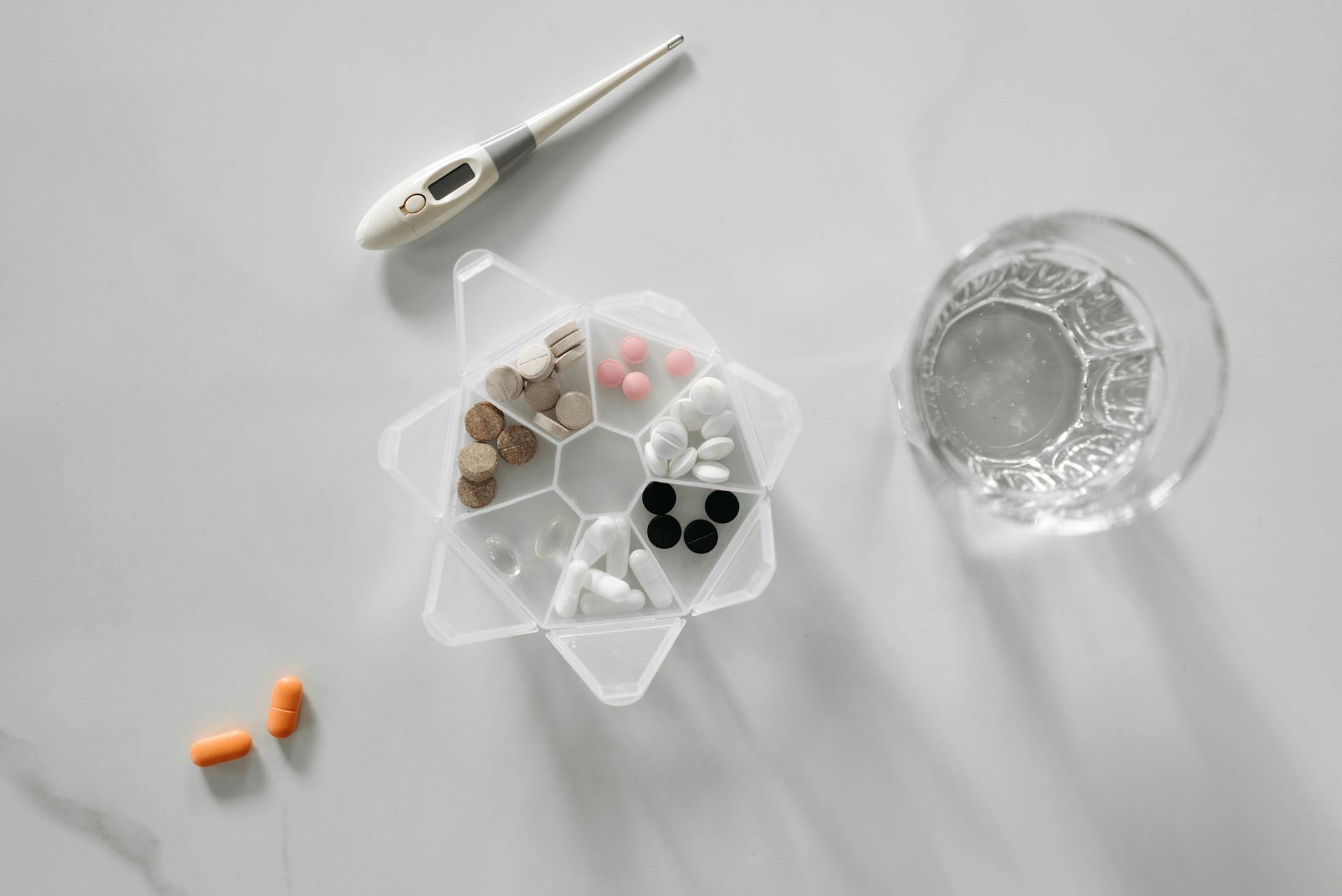
For moderate to severe acne or cases where topical ingredients alone aren’t sufficient, oral medications offer a different approach by working systemically to reduce oil production at the source. Spironolactone, an androgen-blocking medication, directly decreases sebum production and is particularly effective for women with hormonal acne. Typical dosages range from 50 to 200 mg daily, and most people see noticeable improvement in skin oiliness and breakouts within six to eight weeks. The limitation is that spironolactone requires monitoring (potassium levels, kidney function) and is not suitable during pregnancy.
Oral contraceptives reduce sebum production by regulating hormones, particularly androgens, which drive sebaceous gland activity. For women whose acne worsens around their menstrual cycle, hormonal birth control often provides significant improvement. The tradeoff is that hormonal changes take two to three months to fully manifest in skin improvement, and individual response varies widely—what works for one person may not work for another. Isotretinoin (Accutane) is reserved for severe, treatment-resistant acne and actually reduces the size and activity of sebaceous glands, offering potential long-term remission. However, it requires strict monitoring due to potential side effects and is typically considered only when other interventions have failed.
Building a Daily Routine That Controls Oil Without Irritation
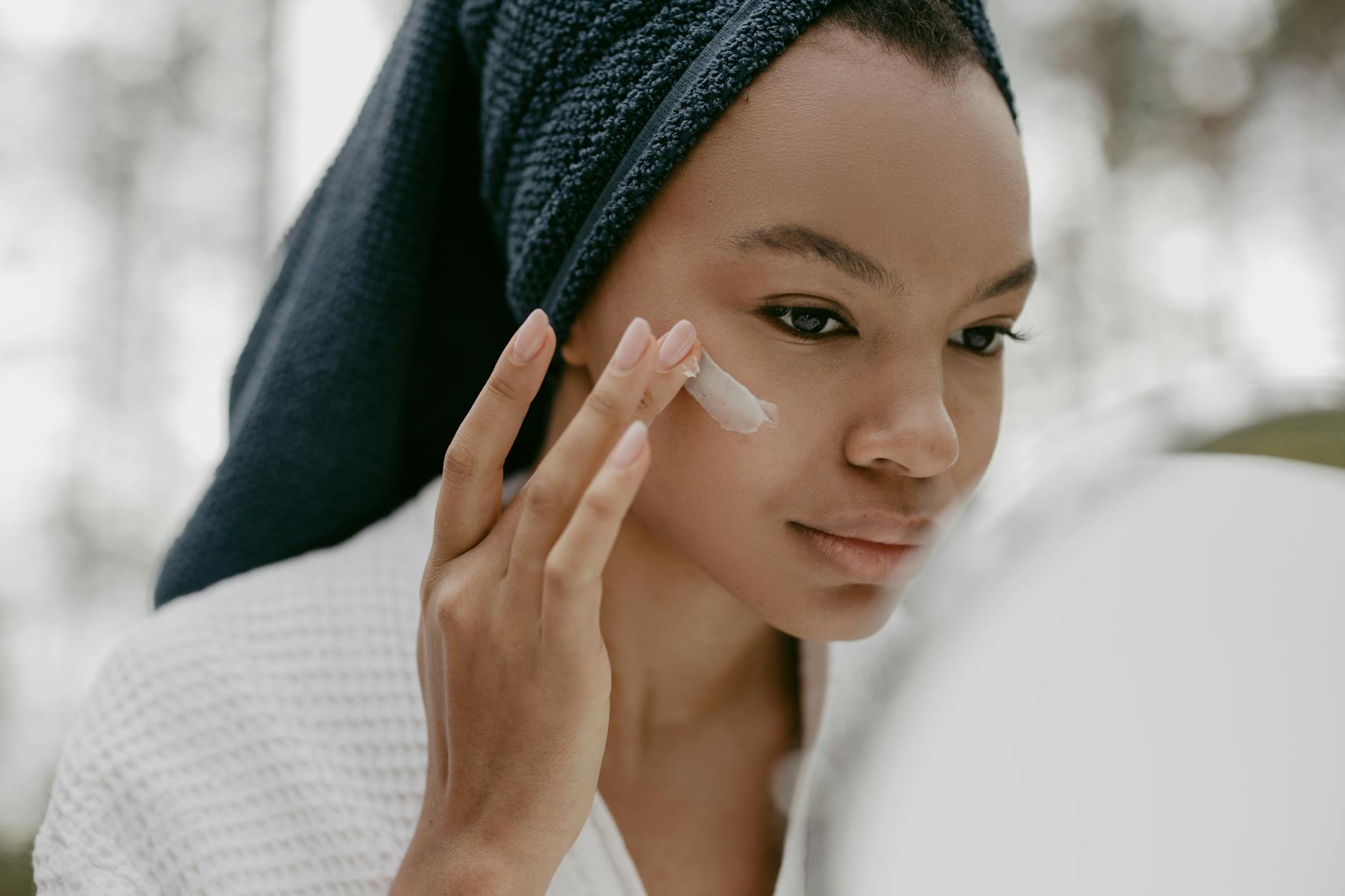
A sustainable oil-control routine requires the right sequence and product selection. Start with a gentle cleanser in the morning—work it into damp skin, massage for 30 seconds, and rinse thoroughly. Follow immediately with a lightweight, oil-free, non-comedogenic moisturizer while skin is still damp; this hydration step is essential because dehydrated skin produces more oil. In the evening, repeat cleansing, then apply your active ingredient (salicylic acid, niacinamide, or azelaic acid) to clean, dry skin. Wait three to five minutes for the active to absorb before applying moisturizer. The frequency of active ingredients matters enormously.
If you’re new to chemical exfoliants, start conservatively—two or three times weekly—and increase gradually as your skin builds tolerance. Many people see better results from consistent, moderate use than from daily application of potentially irritating products. If you’re using sunscreen (which you should be), apply it after your moisturizer. Look for zinc oxide or titanium dioxide formulations without fragrance or oils, as these are least likely to worsen acne. A common mistake is abandoning sunscreen because it feels heavy on oily skin, but unprotected sun exposure actually increases post-inflammatory hyperpigmentation and can worsen acne scarring. The comparison between products matters: a 1 percent salicylic acid product used consistently three times weekly typically outperforms a 2 percent product used daily and abandoned after two weeks due to irritation. The goal is finding the strongest regimen your skin will tolerate consistently, not the most aggressive option available.
Common Mistakes That Worsen Oil Production and Acne
One frequent error is mixing incompatible active ingredients. Combining salicylic acid with retinoids, benzoyl peroxide, or vitamin C all on the same evening can overwhelm the skin barrier and trigger inflammation and rebound oil production. If you’re using multiple actives, separate them by applying them on different evenings (salicylic acid Monday/Wednesday/Friday, retinoid Tuesday/Thursday) or use them at different times of day. Another mistake is using oil-free moisturizers on already dehydrated skin, assuming any moisturizer will increase oiliness.
In reality, lightweight hydrating layers (hyaluronic acid serums, non-comedogenic moisturizers) reduce oil production by supporting the skin barrier. Spot-treating acne lesions with undiluted benzoyl peroxide or salicylic acid is tempting but risky—it can create irritated, red patches that are more noticeable than the original acne. Diluting these ingredients or using lower concentrations in a leave-on product is more effective. Additionally, touching your face throughout the day, picking at lesions, or using dirty tools (makeup brushes, phone screens) introduces bacteria that worsens acne, though this doesn’t directly increase oil production. The limitation of topical treatments is that they address local skin oiliness but not systemic hormonal drivers—if your acne is hormone-driven, topical ingredients alone may not be sufficient.
Dietary and Lifestyle Factors That Influence Oil Production
What you eat affects how much oil your skin produces, though the relationship is less direct than with cleansing habits or topical ingredients. The American Academy of Dermatology notes that high glycemic foods—white bread, sugary drinks, refined carbohydrates—raise blood sugar quickly, which stimulates inflammation and increases sebum production. Conversely, a diet rich in antioxidants and omega-3 fatty acids (found in fatty fish, flaxseed, berries, leafy greens) supports skin health and can reduce both inflammation and excess oil. A practical example: if you’re regularly consuming sugary drinks or high-carbohydrate snacks between meals, replacing these with protein-rich snacks or lower-glycemic options often produces visible reduction in skin oiliness within two to three weeks.
Stress management is equally important, as dermatologists increasingly recognize stress as a driver of sebum overproduction. Elevated cortisol levels trigger androgen release, which stimulates sebaceous glands. Activities like regular exercise, adequate sleep (seven to nine hours), and stress-reduction techniques (meditation, time outdoors) support overall oil regulation and acne improvement. The limitation is that lifestyle changes work slowly—expect four to eight weeks of consistent diet and stress management before seeing skin improvement—whereas topical ingredients and medications act faster.
The Rise of Personalized Acne Treatment and What’s Changing in 2025
The future of acne and oil-control treatment is moving away from one-size-fits-all approaches toward personalization. AI-powered skin analysis tools now assess individual skin type, acne severity, and even skin tone to recommend tailored treatment plans rather than generic products.
This personalization matters because what works for one person’s oily, acne-prone skin (perhaps a benzoyl peroxide-based approach) may trigger irritation and rebound oiliness in someone with similar surface symptoms but different underlying drivers (perhaps hormonal acne requiring spironolactone instead). The emerging understanding is that controlling oil production requires matching the intervention to the root cause: Is the oiliness driven by puberty-stage androgen sensitivity (requiring retinoids or spironolactone)? Is it from over-cleansing (requiring routine simplification)? Is it hormonal (requiring oral contraceptives or spironolactone)? Is it from dehydration (requiring better moisturizing)? Recent advances in essential oil efficacy are also noteworthy—a 2025 systematic analysis showed that certain essential oils have comparable or superior efficacy to conventional treatments with lower adverse side effects, though they require careful formulation to avoid irritation. Staying informed about these shifts means you’re not locked into a single approach if your skin’s needs change.
Conclusion
Controlling oil production without worsening acne requires a fundamentally different mindset than most people bring to skincare. Instead of aggressive stripping, the evidence points toward gentle cleansing (twice daily with mild products), consistent moisturizing to prevent dehydration-driven oil rebound, and targeted actives like niacinamide, salicylic acid, or retinoids at appropriate concentrations. For many people, this simple routine produces dramatic improvement in both oiliness and breakouts within four to eight weeks—proof that less aggressive is often more effective.
If topical treatments plateau, prescription options like spironolactone, oral contraceptives, or other systemic medications address the hormonal drivers of oil production, often with results that topicals alone cannot achieve. Combine any of these approaches with consistent sunscreen use, a diet lower in high-glycemic foods, and stress management, and you have a comprehensive strategy tailored to your skin’s specific needs. The key is patience and consistency—skin changes slowly, so give any new routine at least six to eight weeks before concluding it isn’t working. If you’re currently stuck in an over-cleansing cycle or using irritating products, simply pulling back often produces the fastest and most dramatic improvement.