
The secret to cleansing your skin without disrupting its natural barrier lies in three core principles: using a cleanser with a pH of 5.5 that matches your skin’s acid mantle, employing a gentle double cleansing method with the right product order, and maintaining lukewarm water temperatures while patting your skin dry rather than scrubbing. For example, someone who switches from a harsh foaming cleanser to a milk-based formula at the correct pH can immediately notice softer, less irritated skin within a week because the barrier isn’t being stripped by every wash. Your skin’s barrier is not a single layer but a complex system designed to keep moisture in and irritants out—and cleansing is one of the most common ways we accidentally damage it.
This article will walk you through the science behind barrier-healthy cleansing, the specific products and techniques that work, how often you should actually be cleaning your face, and what to do if your barrier is already compromised. The biggest mistake most people make is treating cleansing as a one-step, aggressive process. Over-cleansing is identified as one of the most common reasons skincare routines fail because it shifts the balance too far toward stripping away impurities at the expense of your skin’s natural protective lipids. The goal is not pristine skin stripped clean of every trace of oil—it’s removing accumulated oils, dead cells, and environmental pollutants while preserving the sebum and microbiome that keep your skin healthy.
Table of Contents
- What Is the Skin Barrier and Why Does Cleansing Affect It?
- Choosing a Cleanser That Won’t Damage Your Barrier
- The Double Cleansing Method: The Right Order and Timing
- Water Temperature and Drying Technique: Small Details That Matter
- Cleansing Frequency: How Often Is Too Often?
- Repairing a Damaged Barrier: Special Considerations for Sensitive Skin
- Moving Beyond Cleansing: Maintaining Barrier Health Long-Term
- Conclusion
What Is the Skin Barrier and Why Does Cleansing Affect It?
your skin barrier is not one thing but four independent functional layers working together: the physical barrier (your outermost cells), the chemical barrier (lipids and pH-dependent defenses), the microbiologic barrier (your skin microbiome), and the immunologic barrier (immune cells protecting against pathogens). These layers exist in delicate balance, and cleansing disrupts all of them if done incorrectly. When you use hot water or harsh surfactants, you strip away the lipids that cement these layers together, leaving microscopic gaps through which water evaporates and irritants penetrate. This is why someone with a compromised barrier often experiences the paradoxical problem of feeling both oily and dehydrated—their skin is overproducing sebum to compensate for the lipid loss, but water is escaping through the cracks.
For some people, barrier disruption from improper cleansing is not just uncomfortable—it’s dangerous. Approximately 20% of all atopic dermatitis patients carry filaggrin gene mutations (loss-of-function variants) that impair their natural barrier function, and this number climbs to 50% among patients with severe disease. These individuals need to be especially careful with cleansing because their genetics already predispose them to barrier problems, and aggressive cleansing can push them into flares. Even if you don’t have a genetic mutation, the cumulative damage from years of harsh cleansing can create similar symptoms. Xerosis—dry skin caused by barrier impairment—is the most commonly encountered skin disorder related to epidermal permeability barrier dysfunction, according to dermatology research.
Choosing a Cleanser That Won’t Damage Your Barrier
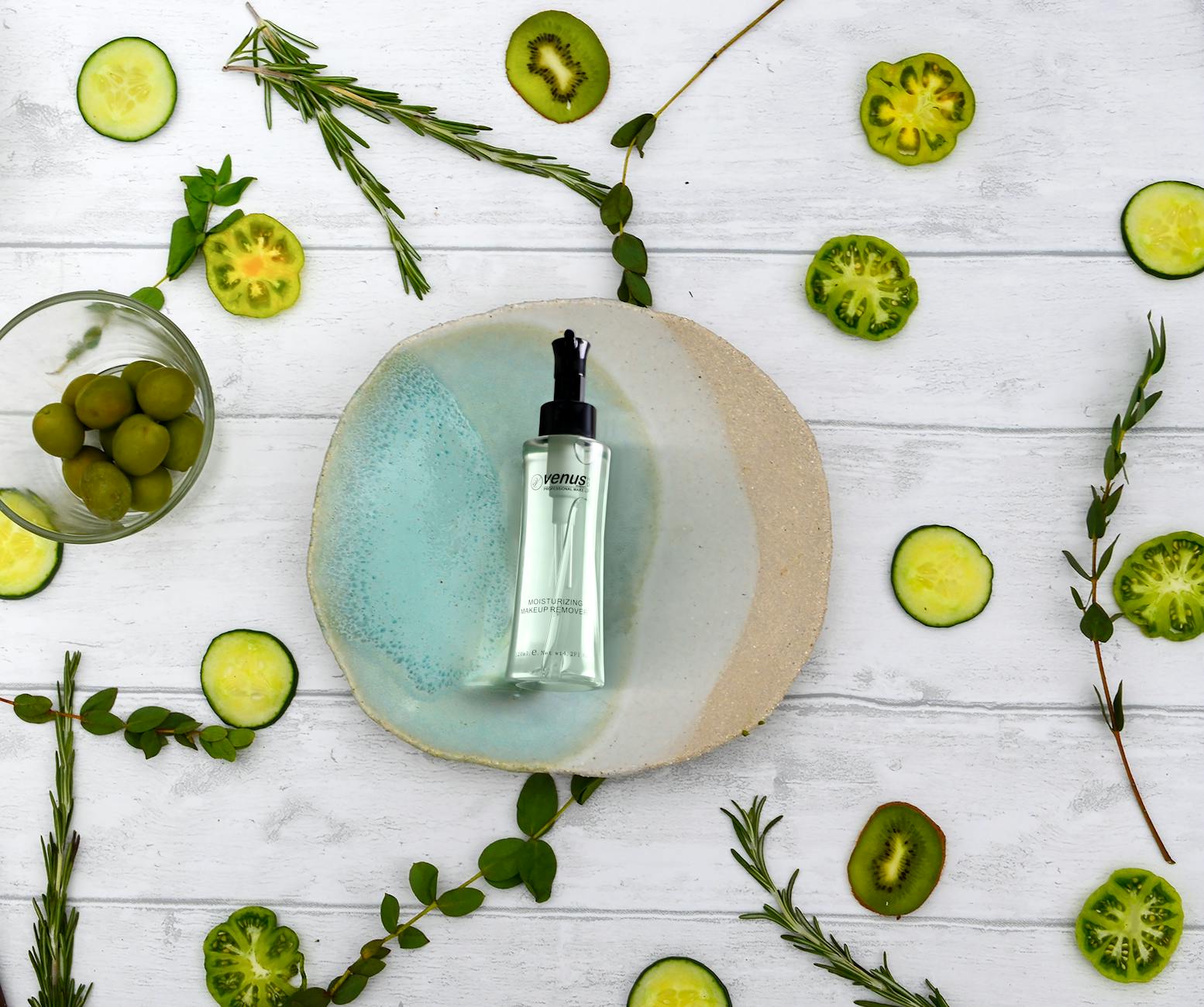
The cleanser you choose determines whether each wash protects or harms your barrier. The optimal cleanser pH is 5.5, which matches your skin’s natural acid mantle and preserves the barrier lipids that hold everything together. This is why dermatologists recommend fragrance-free formulations with glycerin or ceramides—these ingredients don’t just feel nice; they actively protect and repair barrier function. Non-foaming, milk, or oil-based cleansers are significantly gentler than gel or foam cleansers because they rely on emulsifiers rather than harsh surfactants to remove oil, meaning they lift away dirt without stripping your skin’s natural oils.
However, if your skin is very oily or acne-prone, you might worry that a gentle milk cleanser won’t get you clean enough. This is where the double cleansing method becomes crucial—you’re not relying on a single cleanser to do all the work. The tradeoff is that you do invest two steps instead of one, but you get much better results because each cleanser is optimized for a specific job. It’s also important to note that not all “gentle” cleansers are created equal; some marketing brands label themselves gentle while still using irritating fragrance blends or drying alcohols. Reading ingredient lists matters, particularly checking for surfactants like sodium laureth sulfate (which is gentler than sodium lauryl sulfate) or relying on recognized ceramide and peptide-containing formulations.
The Double Cleansing Method: The Right Order and Timing
Double cleansing—using two cleansers in sequence—is the gold standard for removing impurities while protecting your barrier, but only if you do it in the correct order. The first step uses a balm or oil-based cleanser, which dissolves makeup, sunscreen, and oil-soluble dirt without requiring harsh scrubbing or hot water. This step should take about 30-60 seconds of gentle circular massage. Then you follow with a gentle, water-soluble gel or milk cleanser to remove any remaining water-soluble residue and the first cleanser itself. The critical rule: never use gel cleansers twice in succession.
This is a common mistake, especially among people who think “if one gentle gel cleanser is good, using it twice is better.” It’s not—using gel twice subjects your barrier to two rounds of surfactant exposure, which is enough to disrupt it. For example, a typical double cleanse routine looks like this: apply an oil balm to dry skin, massage gently for one minute, add a small amount of water to emulsify it (it will turn milky), rinse thoroughly, then apply your gentle gel cleanser for 30-45 seconds and rinse with lukewarm water. This entire process takes about three minutes and is dramatically more effective than spending five minutes with a single harsh cleanser. A limitation of double cleansing is that it requires more products and takes longer, which is why some people skip it or do it inconsistently. However, if you’re trying to repair a damaged barrier, double cleansing is one of the most effective interventions because it removes impurities thoroughly without forcing your cleanser to be harsh.
Water Temperature and Drying Technique: Small Details That Matter
Using lukewarm water is non-negotiable because hot water damages your barrier in multiple ways. Heat opens the lipid structures in your skin barrier, allowing moisture to escape and irritants to penetrate. It also temporarily dilates blood vessels and can trigger inflammation, which is why your face feels red and tight after a hot shower. Lukewarm water—roughly the temperature you’d use to rinse your hands—is warm enough to dissolve cleanser effectively but cool enough to preserve barrier integrity. If you have very sensitive or compromised skin, some dermatologists recommend slightly cool water, though most people find lukewarm to be the practical sweet spot.
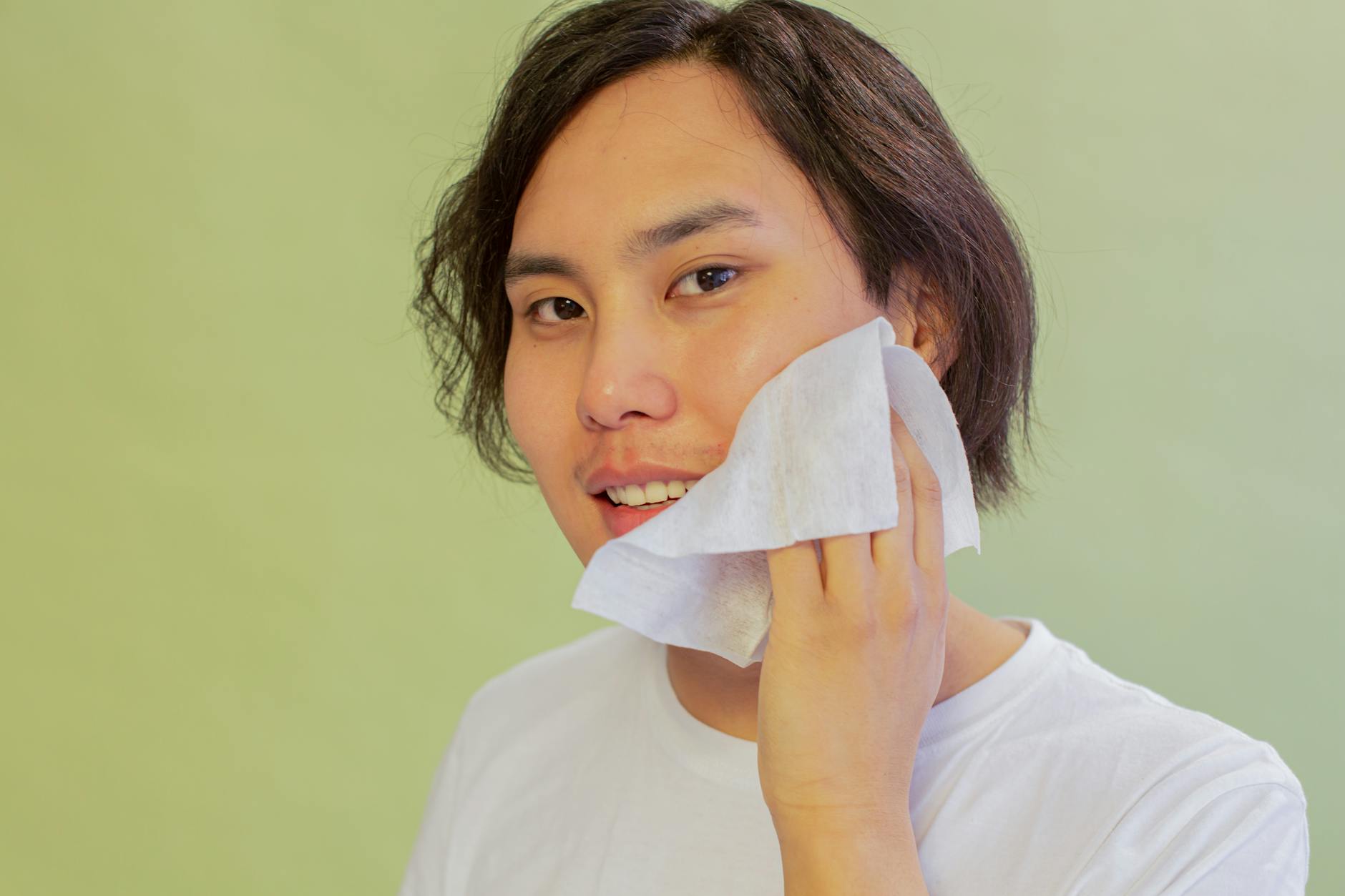
After rinsing, how you dry your skin matters as much as the cleanser itself. Rubbing or scrubbing with a towel can physically damage your barrier, creating microscopic tears in the outer layer of skin and disrupting the lipid structure you’ve worked to preserve. Instead, gently pat your face with a clean, soft towel—use a microfiber cloth if possible because cotton terry towels can be surprisingly rough. This takes only an extra 10 seconds but makes a real difference if your barrier is compromised. One limitation: if you have very damp skin after patting, the drying might feel incomplete, which can feel counterintuitive. However, slightly damp skin is actually preferable because your next skincare step (typically a toner or hydrator) will absorb better into skin that’s not completely parched, and the residual water helps rehydrate your barrier.
Cleansing Frequency: How Often Is Too Often?
The appropriate cleansing frequency depends on your skin type and lifestyle, but the underlying principle is consistent: balance between removing impurities and preserving natural oils. Someone who wears makeup and sunscreen daily should cleanse twice daily (morning and night), while someone with minimal makeup and a lower oil production rate might do fine with one thorough cleanse at night and a quick rinse with water in the morning. The mistake many people make is assuming that more frequent cleansing equals better skin—it doesn’t. Over-cleansing is one of the most common reasons skincare routines fail because it creates a vicious cycle: stripping the barrier triggers oil overproduction, which feels greasy, so people cleanse more, which strips further.
A practical guideline: if your skin feels tight, itchy, or uncomfortable after cleansing, you’re cleansing too often or using a cleanser that’s too harsh. If your skin feels oily two hours after cleansing, your cleanser or frequency is probably okay, but your barrier is reacting to perceived dehydration by overproducing sebum. Adjust your approach by either reducing frequency or changing your cleanser before assuming you need additional actives or treatments. One warning: if you have acne and are using acne treatments like retinoids or benzoyl peroxide, you absolutely must not reduce cleansing to the point where these treatments aren’t being washed off nightly, as they can build up and cause irritation. Instead, keep your twice-daily cleansing but make sure both cleansers are particularly gentle and follow up with a barrier-supportive moisturizer.
Repairing a Damaged Barrier: Special Considerations for Sensitive Skin
If your barrier is already compromised—meaning your skin feels perpetually tight, reactive, or uncomfortable—you need to modify your cleansing approach and potentially avoid certain ingredients entirely. This is where skin conditions like atopic dermatitis come into play: if you have this condition or similar barrier dysfunction, you need extra protection during cleansing. Avoid physical scrubs, acids, and astringents during your cleansing routine because these further compromise an already vulnerable barrier. This isn’t temporary; while your barrier is healing, these ingredients should be off-limits entirely, even if you normally tolerate them fine.
Dermatology research indicates that moisturization is recommended as the initial treatment for atopic dermatitis, which means your post-cleansing routine is actually more important than the cleansing itself when your barrier is damaged. Cleanse as gently as possible, pat dry while slightly damp, and immediately apply a moisturizer containing ceramides or a barrier repair product within 60 seconds—this “damp skin application” technique dramatically improves absorption. An example: someone with atopic dermatitis might use a soap-free cream cleanser (not a gel), lukewarm water, gentle patting, and immediate application of a ceramide-rich moisturizer. This routine might feel overly simple compared to their previous multi-step approach, but it’s actually more effective because it’s not fighting against barrier damage. Expect 2-4 weeks of consistent barrier-supportive cleansing before you see major improvements in skin comfort and appearance.
Moving Beyond Cleansing: Maintaining Barrier Health Long-Term
Once you’ve optimized your cleansing routine, maintaining barrier health involves avoiding disruption from other sources. This means being cautious about layering active ingredients like acids, retinoids, and vitamin C because even if your cleanser is gentle, these treatments can compound barrier damage if not used thoughtfully. A simple principle: if you’re investing in a barrier-protective cleanser, don’t undo that work by using aggressive actives immediately afterward. Introduce actives slowly, use them less frequently than the label suggests, and if your skin shows signs of distress (redness, tightness, increased sensitivity), reduce or pause these treatments.
The barrier-supportive approach to cleansing is becoming the standard in dermatology because it’s based on functional skin science rather than marketing trends. Your skin doesn’t benefit from being “stripped clean”—it benefits from being clean while remaining protected. This shift in understanding has changed how dermatologists approach all skin concerns, from acne to aging, because a healthy barrier is the foundation of everything else. By committing to proper cleansing now, you’re not just addressing immediate concerns; you’re investing in your skin’s health for the next 10, 20, and 30 years.
Conclusion
Cleansing your skin without disrupting its natural barrier comes down to three essentials: using a pH 5.5 cleanser with ceramides or glycerin (preferably in a non-foaming, milk, or oil-based formulation), employing a double cleansing method with balm first and gentle gel second, and maintaining lukewarm water temperatures while patting dry gently. These principles work together because they address all four layers of your barrier—physical, chemical, microbiologic, and immunologic—rather than stripping one layer to address superficial cleanliness. Remember that over-cleansing is one of the most common reasons skincare routines fail, so the goal is removing impurities while preserving your skin’s natural protective lipids.
Start by auditing your current cleansing routine: What pH is your cleanser? Are you using hot water? Are you scrubbing while drying? How often are you cleansing? Change one element at a time and observe your skin’s response over 2-3 weeks before making additional adjustments. If you have atopic dermatitis or genetic barrier dysfunction (affecting approximately 20-50% of people with severe atopic dermatitis), prioritize barrier protection above all other skincare concerns. Your skin barrier is not an obstacle to working around—it’s the foundation of everything else, and proper cleansing is the first step to preserving it.