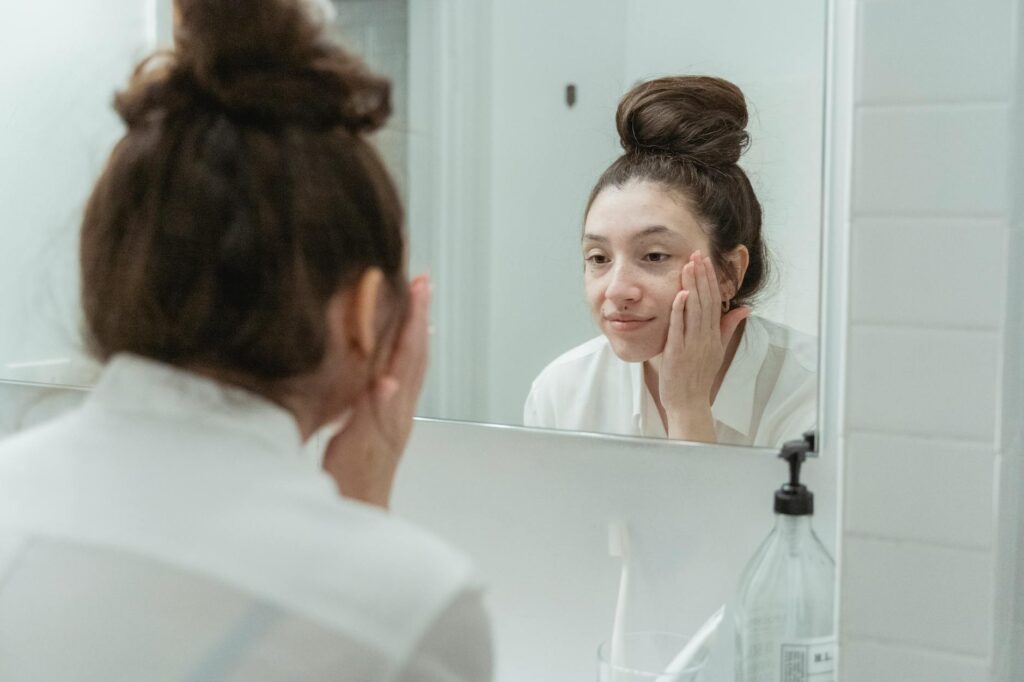
Building a simple cleansing routine for acne-prone combination skin starts with twice-daily cleansing using lukewarm water and gentle circular motions—morning and evening with mild, pH-balanced cleansers. The key is avoiding the trap of over-cleansing or using harsh products that strip your skin and worsen breakouts, while addressing oily zones like your T-zone differently from drier areas on your cheeks and jawline.
A effective routine doesn’t need to be complicated; it needs to respect your skin’s natural pH (4.5–5.5), avoid aggravating inflammation, and pair cleansing with targeted treatments and protection. This article covers the science behind why cleansing frequency matters, how to choose cleansers that won’t damage your skin barrier, which active ingredients work best for acne-prone skin, and how to tailor your approach to combination skin’s unique challenges. You’ll also learn the complete four-step structure dermatologists recommend, common mistakes that make acne worse, and how to build consistency into a routine you’ll actually stick with.
Table of Contents
- How Often Should You Cleanse Acne-Prone Combination Skin?
- Why pH Balance Matters More Than Most People Realize
- Which Active Ingredients Actually Work in a Cleanser?
- Treating Your T-Zone and Dry Areas Differently
- The Mistakes That Make Acne Worse
- The Complete Four-Step Routine Dermatologists Recommend
- Building Consistency Into Your Routine
- Conclusion
How Often Should You Cleanse Acne-Prone Combination Skin?
The dermatologist-recommended standard is twice daily—once in the morning and once in the evening. Using lukewarm water and gentle circular motions helps remove oil, bacteria, and dead skin cells without aggravating inflamed areas or triggering irritation. This frequency is specifically designed to manage the bacterial load that contributes to acne while respecting your skin barrier. However, cleansing more than twice daily can actually backfire. Over-cleansing strips away lipids that protect your skin, disrupts your pH balance, and triggers inflammation that makes acne worse.
This is especially tempting for people with combination skin who feel oily in the T-zone—but washing your face a third or fourth time creates a rebound effect where your skin overproduces oil to compensate. For example, if you cleanse after the gym, during lunch, after work, and before bed, you’re likely making your combination skin more unbalanced, not better. Similarly, avoid harsh scrubs or abrasive exfoliants marketed for acne. These can inflame skin and worsen breakouts by physically irritating already-sensitive pimples. Stick to gentle liquid or gel cleansers that you apply with your fingertips, not brushes or cloths.

Why pH Balance Matters More Than Most People Realize
Your skin’s natural pH is 4.5–5.5, which is slightly acidic. This acidity is critical—it protects against bacteria like *Cutibacterium acnes* (the bacterium behind acne) and maintains a healthy skin microbiome. When you use cleansers that are too alkaline (higher pH), you disrupt this protective barrier, making your skin more vulnerable to infection and irritation. Mild medicated cleansers with pH around 5.5 are specifically recommended because they clean your pores and remove excess oil without damaging this critical barrier.
Many popular “acne cleansers” are actually too harsh and too alkaline, which is why people with acne-prone skin often report that their skin feels tight, looks red, or breaks out worse after a few weeks of use. The product stripped away too much, and the skin reacted defensively. This is why using a pH-balanced cleanser is not optional—it’s the foundation. If you choose a cleanser that’s too alkaline, even the most perfect routine won’t work well. Look for products that specifically state they are pH-balanced or pH 5.5.
Which Active Ingredients Actually Work in a Cleanser?
Two active ingredients have strong evidence for acne management: salicylic acid and benzoyl peroxide. Salicylic acid at concentrations of 0.5–2% in cleansers targets blackheads and whiteheads by exfoliating inside the pore and reducing oil buildup. Benzoyl peroxide at 2.5–10% targets inflamed pimples by killing acne-causing bacteria and reducing inflammation. For a simple routine, you don’t need both in your cleanser—you can choose one based on your primary concern.
If you struggle mainly with blackheads and clogged pores, a salicylic acid cleanser is your better choice. If you have active inflamed breakouts, benzoyl peroxide is more effective. Many people with combination skin benefit from using a salicylic acid cleanser in their T-zone and a gentle, non-medicated cleanser on their cheeks and jawline. Dermatologists also recommend adapalene (a retinoid) as part of a complete acne routine, though this is typically applied after cleansing as a treatment step rather than in the cleanser itself. Starting with cleansing alone and adding treatment products later allows your skin to adjust gradually, reducing irritation.

Treating Your T-Zone and Dry Areas Differently
The mistake most people make with combination skin is using the same product everywhere. Your T-zone (forehead, nose, chin) tends to be oily and prone to blackheads, while your cheeks and jawline may be normal or dry and more sensitive to irritation. A targeted approach works better than a one-size-fits-all cleanser. Use a salicylic acid-based cleanser specifically in your T-zone and oily areas, where it can reach clogged pores.
Switch to a mild, pH-balanced cleanser without active ingredients on your cheeks, jawline, and drier zones. This way, you’re treating the oily areas that need it while protecting the more sensitive, drier areas that would be irritated by actives. For example, someone with combination skin might use a gentle salicylic acid cleanser on their forehead and nose, then a simple hydrating cleanser on their cheeks and around their eyes. Double cleansing (using two cleansers in sequence) can also be effective if done thoughtfully—using a gentle, pH-balanced product first, followed by a targeted treatment cleanser, and always following up with treatment or moisturizer in the evening. However, this is optional and can be skipped if a single targeted cleanser works for you; simplicity often delivers better results than layering too many steps.
The Mistakes That Make Acne Worse
Many people with acne-prone skin make the mistake of treating their skin too aggressively, thinking that harsh or frequent cleansing will control breakouts faster. This almost always backfires. Over-cleansing and harsh scrubbing disrupt your skin barrier, increase inflammation, and can turn a small breakout into a full-blown flare-up. Your skin needs time to heal, not constant assault. Another common mistake is using cleansers that are too alkaline or stripping, which throws off your pH and kills the beneficial bacteria on your skin that actually help prevent acne.
After a few weeks of using the wrong cleanser, people notice their skin feels tight, looks angry and red, or breaks out even worse. This isn’t the acne getting worse—it’s the damage from the cleanser. If you’ve tried a cleanser for two weeks and your skin is more inflamed, switch to something gentler. Finally, don’t assume that a product marketed for acne is the right choice for your skin. Just because something contains salicylic acid or benzoyl peroxide doesn’t mean it’s the right concentration, pH, or formula for your combination skin. Start with one active ingredient at a lower concentration, monitor how your skin responds over 4–6 weeks, and adjust from there.

The Complete Four-Step Routine Dermatologists Recommend
Cleansing alone isn’t enough for acne-prone skin. Dermatologists recommend a simple four-step structure: cleansing → targeted treatment with active ingredients → non-comedogenic moisturizing → SPF sun protection. The cleanser removes oil and bacteria. The treatment step (which might include benzoyl peroxide, salicylic acid, or adapalene applied after cleansing) actually heals existing breakouts and prevents new ones. The moisturizer prevents your skin from drying out and overproducing oil in response.
The sunscreen protects your skin and prevents dark marks from acne from becoming permanent. For combination skin, your moisturizer should be gel-based and specifically labeled non-comedogenic, so it won’t clog your T-zone. Many people skip moisturizer thinking it will make them oilier, but this is a myth—your skin produces more oil when it’s dry or stripped. A lightweight, gel-based moisturizer actually helps regulate oil production and keeps your skin barrier healthy. Similarly, SPF should be a non-negotiable part of your routine, not an optional extra. Sun exposure darkens acne marks and can make post-inflammatory hyperpigmentation permanent.
Building Consistency Into Your Routine
A simple, well-structured routine often delivers better results than layering too many products or constantly switching products. Your skin needs consistency to improve—dermatologists estimate 4–12 weeks of consistent use before you see meaningful improvement in acne. If you change your routine every two weeks because you’re impatient, you’ll never give your skin a chance to respond. Pick one cleanser, one treatment product, one moisturizer, and one sunscreen.
Use them twice daily for at least six weeks. Track your breakouts and skin condition to see if things are improving. Only then consider adding or switching products. This approach removes the confusion and expense of juggling multiple routines while giving your skin the stability it needs to heal.
Conclusion
Building a simple cleansing routine for acne-prone combination skin doesn’t require expensive products or complicated steps. Start with twice-daily cleansing using a gentle, pH-balanced cleanser that matches your skin’s needs—salicylic acid in your T-zone, mild cleanser elsewhere. Follow with a targeted treatment product, a lightweight non-comedogenic moisturizer, and sunscreen. Avoid over-cleansing, harsh scrubs, and products that are too alkaline or stripping, as these make acne worse, not better.
The key is consistency and patience. Stick with your routine for 4–6 weeks before expecting dramatic improvement. Acne doesn’t develop overnight, and it doesn’t clear overnight either. By respecting your skin barrier, using evidence-based active ingredients, and treating combination skin’s different zones appropriately, you’ll build a routine that actually works.