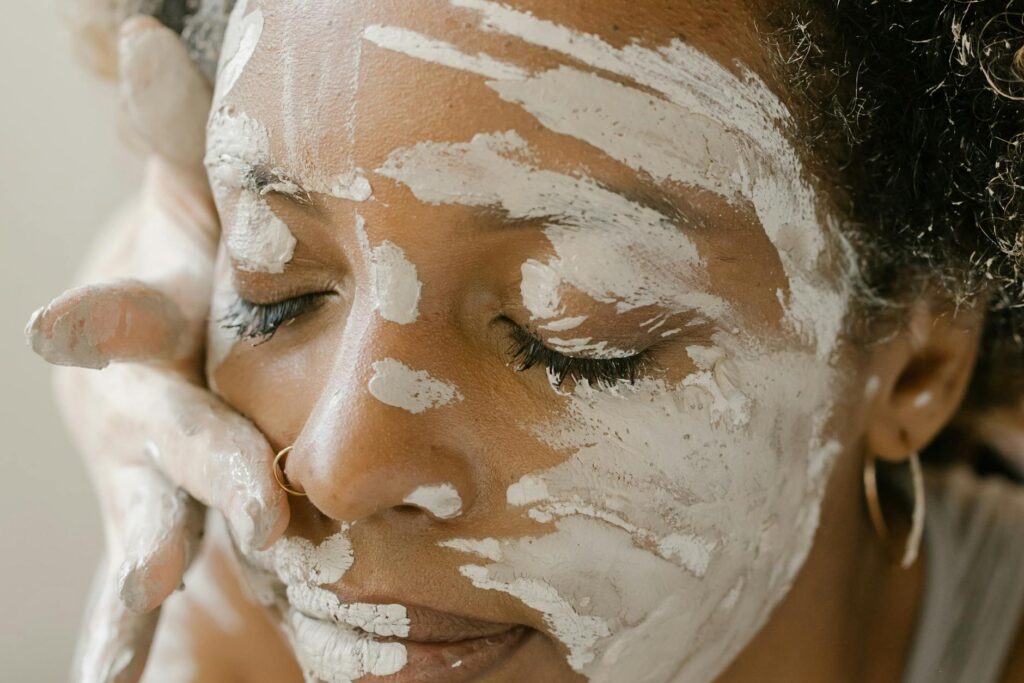
Balancing active treatments with barrier repair requires one fundamental strategy: temporarily pause or significantly reduce the active ingredients you’re using while supporting your skin’s damaged moisture barrier with ceramides, niacinamide, and humectants. Once your barrier has recovered—typically 2 to 4 weeks for most people—you can carefully reintroduce actives one at a time, rather than layering multiple treatments simultaneously. For example, if you’ve been using a retinoid and two different acids and your skin feels red, tight, or reactive, stepping back to a basic routine of gentle cleanser, barrier-repair serum, and moisturizer for several weeks allows your skin to heal before gradually bringing treatments back.
This approach prevents the cycle many people experience: more irritation leads to more aggressive treatment, which causes more barrier damage, creating a feedback loop that worsens skin condition rather than improving it. The shift toward this balancing strategy reflects a major change in dermatological thinking. Instead of the older “attack and destroy” philosophy that relied on increasingly aggressive actives, 2026 has been dubbed the “Year of the Barrier” by skincare experts, emphasizing that nurturing your skin’s protective barrier actually accelerates healing and produces better long-term results. This article covers how to identify barrier damage, understand realistic recovery timelines, choose the right supportive ingredients, safely reintroduce actives, and avoid the common mistakes that extend healing time.
Table of Contents
- What Happens to Your Skin’s Barrier and How Long Real Recovery Takes
- Why You Must Wait Longer Than Your Skin Feels Ready
- The Ingredients That Actually Repair Your Barrier
- The Safe Way to Reintroduce One Active at a Time
- The Risks of Combining Multiple Actives
- The 2026 Philosophy Shift From Aggressive to Supportive
- Building Your Personal Barrier-Repair and Maintenance Routine
- Conclusion
What Happens to Your Skin’s Barrier and How Long Real Recovery Takes
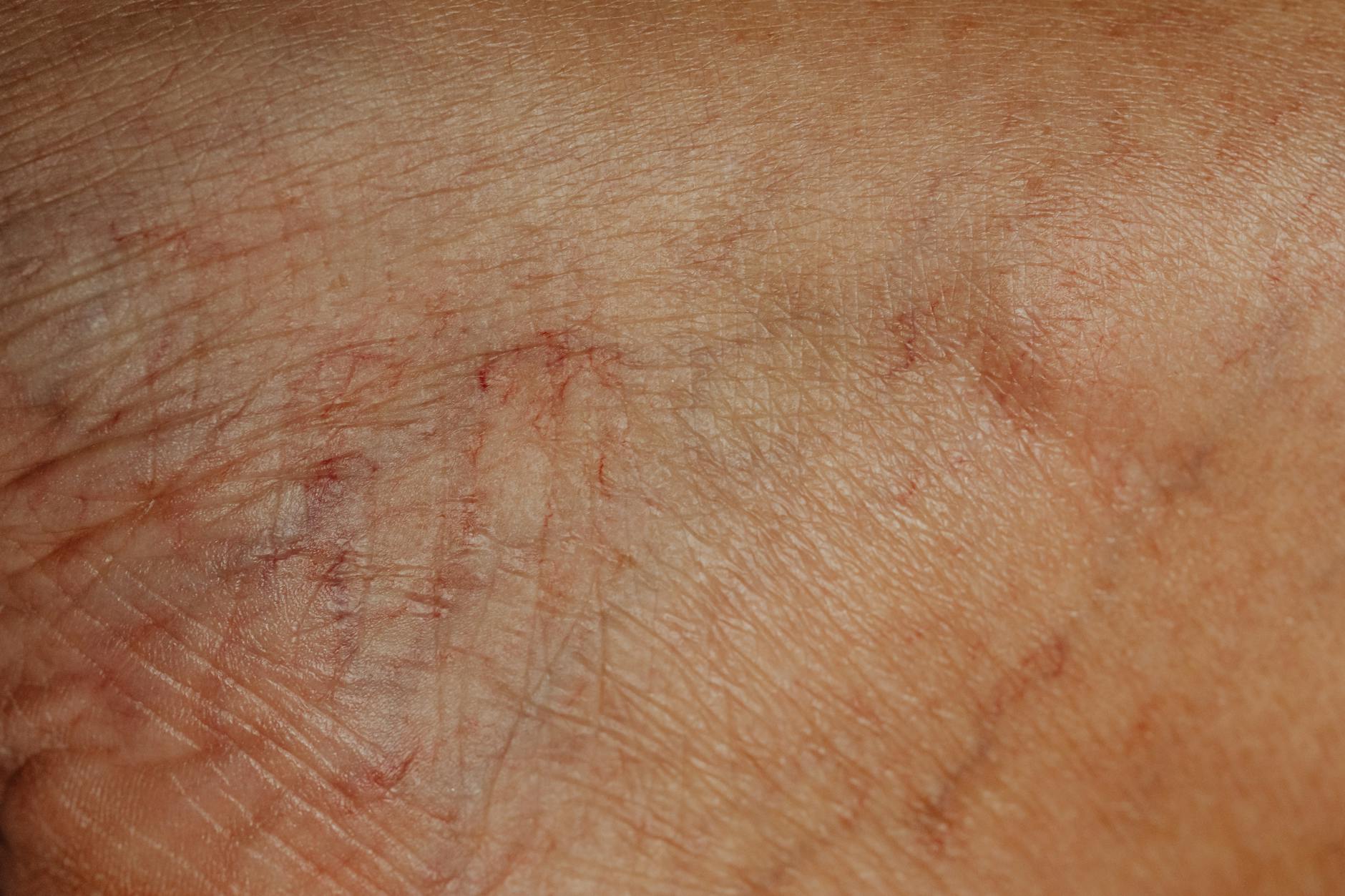
your skin barrier is a living system of lipids (ceramides and fatty acids) and skin cells that locks in hydration and protects against irritants. When you layer multiple active ingredients—especially combining acids, vitamin C, and retinoids—you’re lowering the skin’s pH and disrupting its lipid structure faster than the skin can repair it. The result is barrier damage: transepidermal water loss (TEWL) increases, leading to redness, sensitivity, and sometimes a tight or uncomfortable feeling that can last for weeks if left untreated. Recovery doesn’t happen as quickly as many people hope. Most people require 2 to 4 weeks of a strict, gentle routine to repair the moisture barrier, while severe damage can take up to 3 months to fully heal.
On the shorter end, your skin may take a full 10 days to recover from moderate barrier damage even with supportive care in place. This extended timeline exists because your skin is literally rebuilding its lipid barrier cell by cell—a biological process that cannot be rushed, no matter how expensive the repair serum. A practical example: if you’ve been using nightly retinol and twice-daily vitamin C for six months and suddenly develop persistent redness and flaking, you’ve likely caused cumulative barrier damage. Starting your recovery clock at day one means you’re realistically looking at week 3 or 4 before you should even consider adding back a single active ingredient. Patience during this phase is not optional—cutting recovery time short by reintroducing actives early typically extends overall healing time and can trigger renewed inflammation.
Why You Must Wait Longer Than Your Skin Feels Ready
This is where most people make a critical mistake. After 3 or 4 days of using a gentle routine, skin often feels significantly better: the redness subsides, the tightness eases, and you feel tempted to add back one of your favorite treatments. Even if skin feels “fine” after 3 days, deeper layers are still actively healing, and the visible improvement is misleading. Board-certified dermatologists recommend waiting at least 3 full weeks before slowly introducing one active ingredient at a time—not 3 days, not 1 week, but a full 3 weeks minimum. The reason for this extended timeline is that barrier healing happens in layers.
Surface improvements happen quickly, but the deeper epidermal and dermal layers are still recovering their lipid structure and hydration levels. Reintroducing an active too soon interrupts this process, essentially restarting the damage cycle and setting back your recovery by another 2 to 4 weeks. This is why many people report that their barrier damage “never fully resolved”—they were likely restarting the damage repeatedly by adding actives back too soon, never allowing the full healing window. A limiting case to consider: if your skin has visible peeling, excessive sensitivity to water temperature, or stinging from basic moisturizer, these signs indicate deeper barrier compromise. In this scenario, extending your waiting period to 4 or even 5 weeks is more realistic than hoping for a miracle recovery by week 3. Severe barrier damage requires patience beyond what feels necessary.
The Ingredients That Actually Repair Your Barrier
While your barrier is repairing, several specific ingredients have scientific backing for their restorative properties. Niacinamide (vitamin B3) is extensively researched for strengthening the skin barrier, enhancing hydration, and soothing inflammation—it remains the MVP in barrier repair during 2026. This ingredient works by stimulating ceramide and fatty acid production in your own skin, essentially helping your body rebuild its natural barrier. A simple niacinamide serum is often more effective during recovery than expensive barrier repair products that don’t contain this key ingredient. Ceramides and fatty acids directly replenish what skin naturally loses during barrier damage. Unlike niacinamide, which stimulates your skin to produce more barrier components, ceramides work by supplying what’s missing immediately.
Many barrier repair products combine niacinamide with ceramides for this reason—immediate relief from ceramides while longer-term recovery is boosted by niacinamide. Additionally, humectants like hyaluronic acid and glycerin draw in hydration, which is critical because barrier damage causes dehydration at the cellular level. Without humectants, even the best ceramide product cannot fully restore hydration levels during recovery. Beta glucan is a less well-known but increasingly studied ingredient for barrier repair. This polysaccharide has been used for decades in medicine for immune-modulating and wound-healing properties, making it effective for barrier repair specifically because it reduces inflammation while the barrier rebuilds. During your 3 to 4 week recovery period, a product containing niacinamide, ceramides, and a humectant is the foundation—anything beyond that is optional, but beta glucan or centella asiatica can accelerate the process if included.

The Safe Way to Reintroduce One Active at a Time
After your 3-week waiting period, reintroduction follows a specific protocol: introduce only one active ingredient, use it at the lowest effective frequency (typically twice per week initially), and observe your skin for at least one week before increasing frequency. If you were previously using retinoid, vitamin C, and an AHA, you don’t restart with all three simultaneously. You restart with one—usually whichever is most important to your skincare goals. The reintroduction period typically takes another 4 to 6 weeks as you gradually increase frequency.
For example, if restarting retinol, you might use it twice per week for the first week, then three times per week the next week, progressing to nightly use only after 4 to 6 weeks of graduated introduction. This slow buildup allows your barrier to strengthen while adapting to the active ingredient again. Rushing this phase—jumping straight to nightly use after one week of twice-weekly application—recreates the conditions that caused damage initially. A practical limitation: if your skin shows any signs of renewed irritation during reintroduction, immediately dial back to the previous frequency level rather than pushing forward. Symptoms like excessive redness, persistent dryness despite moisturizer, or stinging sensations mean your barrier is not yet ready, regardless of how many weeks have passed since you started recovery.
The Risks of Combining Multiple Actives
This section addresses the specific layering combinations that cause barrier damage. Using AHA + BHA + vitamin C simultaneously creates significant barrier damage risk because each acid lowers skin pH, and combined they can damage the skin cell proteins that hold the barrier together. While it’s tempting to use multiple exfoliating actives together for faster results, this combination is actually one of the fastest ways to trigger barrier damage requiring 2 to 4 months of recovery. However, vitamin C and retinol can be used in the same routine safely by separating them temporally: vitamin C in the morning, retinol at night.
Similarly, if using AHA or BHA with a retinoid on the same day, apply the acid in the morning and retinoid at night—never combine them in the same step. This separation allows each ingredient to work without compounding pH drops or barrier stress. A critical warning for layering: if you are currently using AHA + BHA + vitamin C together, this combination is likely causing cumulative barrier damage you may not recognize immediately. Symptoms might be subtle at first—slightly compromised moisture barrier, minor redness that you’re attributing to the actives themselves—but over weeks and months this combination stress leads to the kind of severe barrier damage requiring 3-month recovery. Simplifying to one active at a time, or using separated timings for compatible actives, is more effective than aggressive multi-active layering.

The 2026 Philosophy Shift From Aggressive to Supportive
The skincare industry’s approach to treatments has fundamentally shifted. For years, the standard recommendation was to “attack” acne, hyperpigmentation, or aging with the strongest available actives, assuming that more aggressive treatments equal faster results. This approach consistently resulted in barrier damage, increased sensitivity, and paradoxically worse skin outcomes after months of “treatment.” 2026 has been officially recognized as the “Year of the Barrier” by dermatologists—a deliberate pivot toward supportive, barrier-respecting skincare philosophy.
This shift means that even when using active ingredients, the goal is balancing them with barrier support. Your routine should never prioritize actives over barrier health. In practical terms, this means that if a product or routine causes persistent sensitivity or dryness, it’s likely too aggressive for your current barrier status, regardless of how well the active ingredient works in theory. Modern skincare aims for “nurture and balance” rather than “attack and destroy.”.
Building Your Personal Barrier-Repair and Maintenance Routine
A simplified barrier-repair routine during your 3 to 4 week recovery looks like this: gentle cleanser (cream or oil-based to avoid stripping), niacinamide serum, ceramide-containing moisturizer, and SPF during the day. That’s it. No exfoliants, no vitamin C, no retinoids.
This bare-minimum approach might feel like regression if you’ve been using multiple actives, but it is the scientifically supported path to faster recovery. Once you reach week 3 and begin reintroducing actives, your routine would be: gentle cleanser, niacinamide serum, then your reintroduced active (used at low frequency), followed by moisturizer and SPF. Keep supporting ingredients—niacinamide and ceramides—in place permanently, not just during recovery. This provides ongoing barrier support while you use actives, reducing the risk of requiring another full recovery cycle.
Conclusion
Balancing active treatments with barrier repair means recognizing that aggressive actives and barrier health are not mutually exclusive—they simply require strategic timing and support. The core principle is straightforward: if your barrier is damaged, pause actives and use supportive ingredients for 2 to 4 weeks (or longer for severe damage), then reintroduce one active at a time over another 4 to 6 weeks. Even if your skin feels ready earlier, resist the temptation to accelerate—barrier healing happens at a biological pace that cannot be rushed.
Moving forward, keep niacinamide and ceramides in rotation as permanent barrier-support ingredients, even when using actives. This ongoing support prevents the cycle of barrier damage and recovery that many people experience repeatedly. The shift toward “year of the barrier” thinking means that the most effective skincare strategy is not the most aggressive one—it’s the one that respects your skin’s biology while still addressing your specific concerns.