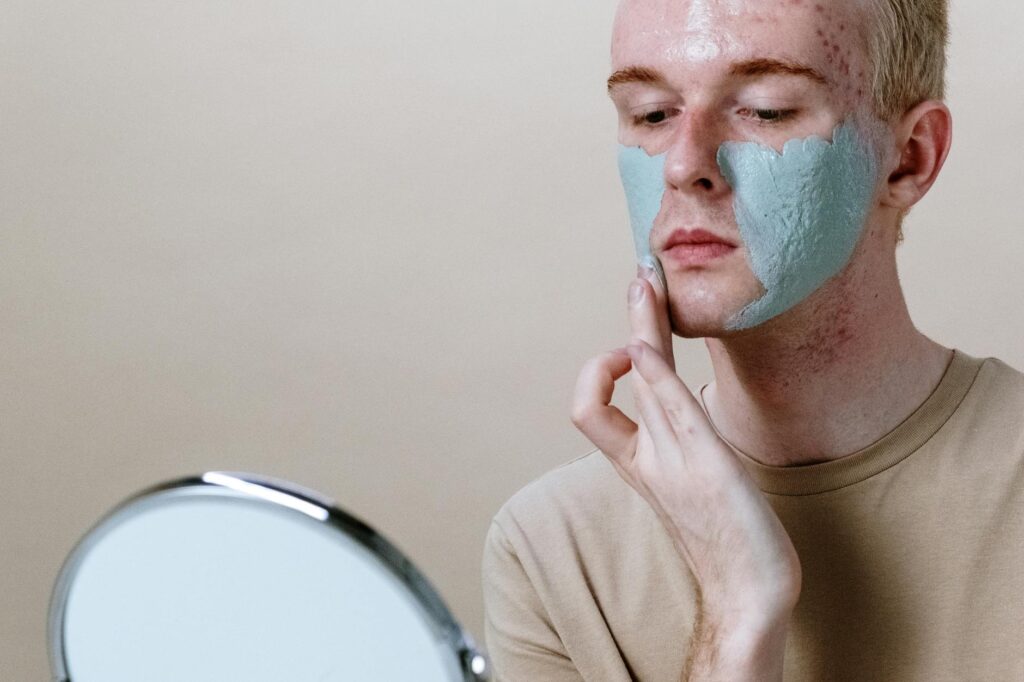
When acne flares up suddenly, the best immediate adjustment is to pare back your skincare routine to the essentials: a gentle cleanser, a non-comedogenic moisturizer, and broad-spectrum SPF 30+ sunscreen. If you’ve been using active ingredients like retinoids, acids, or vitamin C, stop them temporarily until the irritation subsides. Your skin needs to calm down, and continuing with active ingredients during a flare-up will only intensify redness, sensitivity, and inflammation.
For example, someone using a retinol serum three times weekly who suddenly breaks out should drop it entirely, returning to just cleanser and moisturizer for a week or two until the worst of the flare passes. Beyond the immediate pause, a flare-up is the time to introduce targeted spot treatments—benzoyl peroxide, salicylic acid, or sulfur—directly on individual blemishes rather than layering multiple actives across the entire face. This article covers the science behind why active ingredients make flare-ups worse, how to strip down your routine without leaving skin vulnerable, what spot treatments work best, when to reintroduce your regular products, and how to identify whether a flare-up signals a need for professional dermatological help.
Table of Contents
- What Should You Cut From Your Skincare Routine During a Flare-Up?
- How Long Does It Take for Skin to Settle After Stopping Active Ingredients?
- What Should Your Minimalist Flare-Up Routine Actually Include?
- How Do You Safely Reintroduce Active Ingredients After a Flare-Up?
- What Should You Absolutely Avoid During a Flare-Up?
- When Is a Flare-Up a Sign You Need Professional Dermatological Help?
- Building a Flare-Up Prevention Strategy
- Conclusion
What Should You Cut From Your Skincare Routine During a Flare-Up?
The instinct to treat acne aggressively often backfires during a flare-up. Retinoids, chemical exfoliants (alpha hydroxy acids and beta hydroxy acids), vitamin C serums, and niacinamide at high concentrations are all considered active ingredients that accelerate cell turnover and can irritate skin that’s already inflamed. Dermatologists consistently recommend pausing these entirely when a flare-up strikes. The reason is straightforward: when acne appears suddenly, your skin barrier is already compromised by inflammation, and active ingredients will deepen that inflammation, delay healing, and create a cycle of worsening sensitivity. This doesn’t mean you’ve failed or that these products were wrong for your skin.
It means your skin needs a temporary reset. If you’ve been using a retinol at night and a salicylic acid cleanser in the morning, switching to just a gentle creamy cleanser and a hydrating moisturizer might feel like you’re doing nothing—but you’re actually allowing your skin’s natural repair processes to take over. A flare-up that might take three weeks to resolve with continued active use might clear in ten days with a stripped-down routine. However, if your flare-up is mild and isolated to one or two areas, you might keep your full routine on unaffected areas while using only gentle products on the inflamed zones. This approach requires honest assessment: if redness spreads within a day or two, you’ve waited too long to simplify. The goal is to catch a flare-up early enough that a quick pause prevents it from worsening.
How Long Does It Take for Skin to Settle After Stopping Active Ingredients?
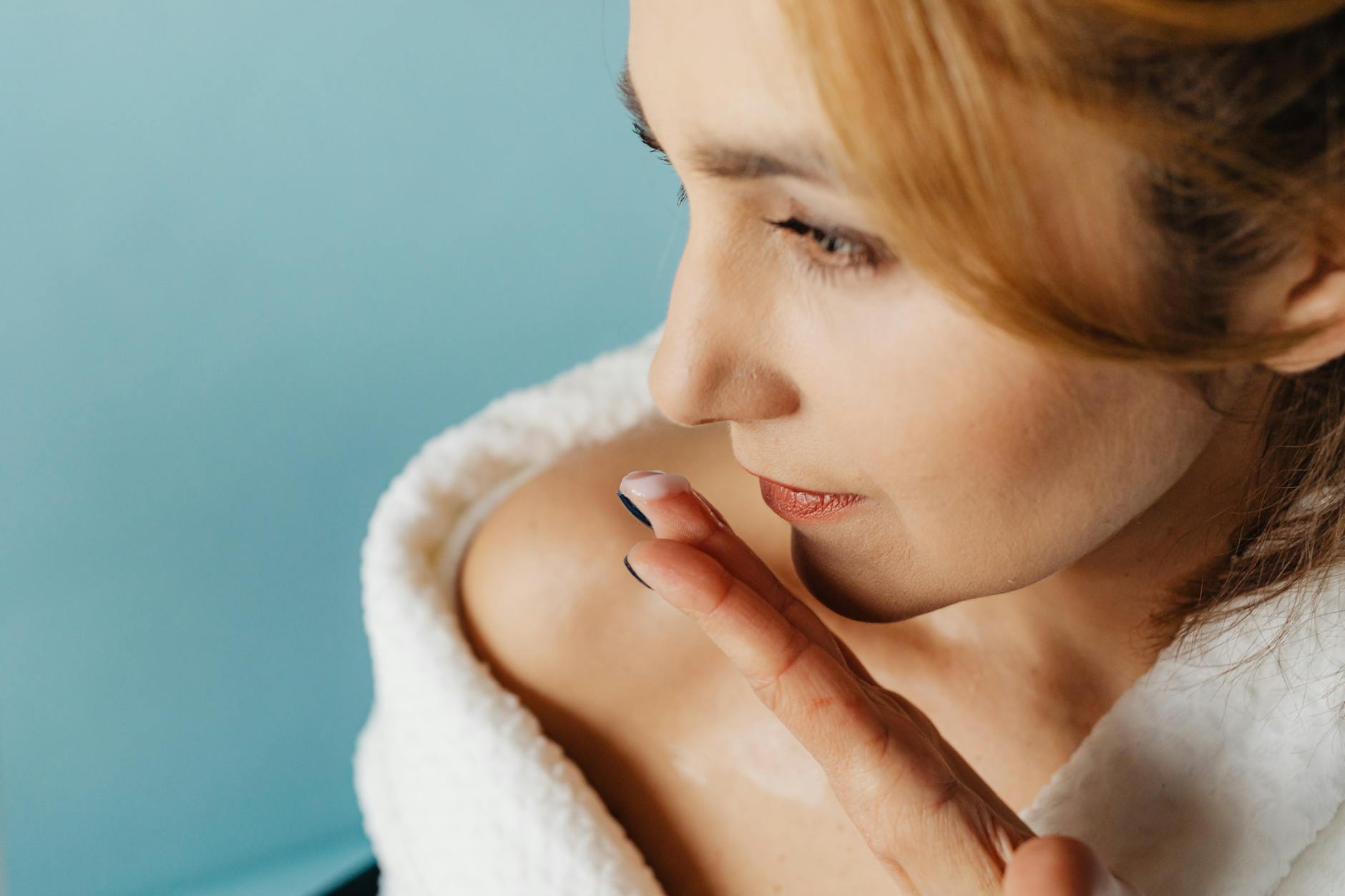
Once you pause active ingredients, expect your skin to need one to two weeks to stop producing excess oil and inflammation in response to the irritation those actives were causing. This is different from how long it takes acne itself to heal—active ingredients don’t directly cause acne, but they can exacerbate existing breakouts and trigger new ones in sensitive skin. After about a week of gentle care, you should notice reduced redness and fewer new blemishes forming, though existing spots may still be present. Here’s the important limitation: a flare-up that appears suddenly might not be caused by your skincare routine at all. Hormonal fluctuations, stress, dietary changes, or increased oil production due to dehydration can trigger breakouts independent of what you’re applying to your skin.
If you pare back your routine and a flare-up continues to worsen, that’s a signal that the cause is internal—hormonal, stress-related, or dietary—rather than product-related. In those cases, continuing with a minimalist routine while addressing the underlying trigger (whether that’s stress management, hydration, or a dermatologist visit) is the right approach. Once your skin has settled and redness has decreased, you’ll need to reintroduce active ingredients gradually. Dermatologists recommend starting with every-other-day application rather than returning immediately to daily use. If you were using a retinol nightly, resume it twice weekly first, then move to three times weekly after two weeks of no irritation. This measured reintroduction prevents triggering another flare-up and allows your skin to rebuild its tolerance without backsliding.
What Should Your Minimalist Flare-Up Routine Actually Include?
A stripped-down flare-up routine has three non-negotiables: a gentle cleanser, a hydrating moisturizer, and sunscreen. The cleanser should be non-abrasive and pH-balanced; avoid physical exfoliants, washcloths, and rough sponges, and always use your fingertips. The American Academy of Dermatology recommends broad-spectrum SPF 30 or higher daily, even for acne-prone skin, because sun exposure can trigger post-inflammatory hyperpigmentation that makes acne scars more visible long-term. For the moisturizer, choose one labeled oil-free and non-comedogenic. This might sound counterintuitive if you think acne-prone skin shouldn’t be moisturized, but dehydrated skin produces excess oil to compensate, which leads to more breakouts.
A lightweight hydrating layer underneath your sunscreen creates a stable environment for healing. Many people find that adding a hydrating moisturizer during a flare-up actually reduces the overall severity because skin isn’t fighting to produce its own oil. One addition to consider: if you want to do anything beyond the basics, benzoyl peroxide, salicylic acid, or sulfur spot treatments applied only to individual blemishes are acceptable. These are gentler than a full-face chemical exfoliant because they’re targeted and diluted, but they’re still active. Apply them in the morning or evening on clean, dry skin, focusing on each blemish individually rather than a broad area. Start with low concentrations (2.5% benzoyl peroxide or 0.5–1% salicylic acid) and only a few times weekly to avoid over-treating.

How Do You Safely Reintroduce Active Ingredients After a Flare-Up?
Reintroduction is where many people rush and trigger another flare. After your skin has been calm for at least five to seven days—meaning no new spots and reduced redness on existing ones—you can begin to bring back one active ingredient at a time. Choose the one you miss most or consider most important to your routine, and start with every-other-day application. This might mean using your retinol twice weekly instead of five times weekly, or a BHA cleanser on Monday, Wednesday, and Friday rather than daily. Wait a full two weeks at this every-other-day frequency before increasing to regular use. If during those two weeks you see redness returning, new blemishes forming, or increased sensitivity, drop back to pausing the active for another week.
The timeline sounds slow—and it is—but it’s far faster than repeating the entire flare-up cycle again. Once you’ve successfully reintroduced the first active at its regular frequency, wait another two weeks before adding back a second active ingredient. A comparison worth noting: reintroducing too quickly is like lifting heavy again after an injury before the muscle has fully healed. You risk a setback that erases progress. Reintroducing slowly is like returning to exercise gradually—it takes more patience but ensures lasting improvement. Some people find that after a severe flare-up, they never return to their original routine frequency; instead, they adopt a more conservative schedule (retinol twice weekly instead of nightly, or acids three times weekly instead of daily) permanently, which prevents future flare-ups.
What Should You Absolutely Avoid During a Flare-Up?
Picking, popping, and squeezing blemishes is the single most damaging habit during a flare-up. When you manually extract a blemish, you damage the skin barrier further, introduce bacteria from your fingers, and increase healing time dramatically. A spot that might resolve in one to two weeks on its own can take three to four weeks if you’ve picked at it, and you significantly increase the risk of permanent scarring and post-inflammatory hyperpigmentation. The instruction to “not touch your face” might sound simplistic, but it’s dermatologically accurate: keeping your hands off your skin during a flare-up is as important as the products you use. Touching your face frequently throughout the day transfers oil and bacteria from your hands to your skin, which can worsen a flare-up.
This is especially true if you rest your face on your hands while working, sleep on a pillowcase that hasn’t been washed recently, or use your phone without cleaning it. During a flare-up, change pillowcases every two to three days and avoid any habit that brings your hands into contact with your face. Another critical avoidance: don’t assume that because you’re dealing with acne, you should use the strongest product available. Benzoyl peroxide above 5% concentration or salicylic acid above 2% can over-dry and irritate skin during a flare-up, worsening inflammation. Stick with lower concentrations and less frequent application. If a flare-up doesn’t respond to at-home care within two to three weeks, that’s the signal to see a dermatologist rather than doubling down on stronger treatments.
When Is a Flare-Up a Sign You Need Professional Dermatological Help?
Most flare-ups resolve within two to three weeks with a simplified routine and spot treatment. However, certain flare-ups warrant a dermatologist visit sooner. If the flare-up is severe (covering large areas of the face or body), painful, or producing nodules or cystic lesions rather than surface blackheads and whiteheads, it’s likely inflammatory acne that won’t respond well to over-the-counter treatments.
Dermatologists can prescribe topical antibiotics, retinoids in prescription strength, or oral medications that work faster and more effectively than what you can access without a prescription. Hormonal flare-ups—those that correlate with your menstrual cycle if you menstruate—also benefit from professional support. A dermatologist can recommend hormonal treatments, oral contraceptives with acne-fighting properties, or spironolactone, which addresses the underlying hormonal driver rather than just treating surface symptoms. Additionally, if a flare-up follows a predictable seasonal pattern (worse in winter or during high-stress periods), a dermatologist can recommend preventive adjustments to your routine before the season hits.
Building a Flare-Up Prevention Strategy
While flare-ups sometimes feel random, understanding your personal triggers significantly reduces their frequency. For many people, triggers are hormonal (menstrual cycle fluctuations, stress-induced cortisol spikes), environmental (seasonal weather changes, humidity levels), or behavioral (touching your face, sleeping on dirty pillowcases, using new products). Keeping a simple log of when flare-ups occur and what preceded them—stress level, cycle phase, new products, sleep quality, diet changes—reveals patterns you can then manage.
Stress management, adequate sleep, hydration, and a non-inflammatory diet are foundational flare-up prevention strategies that often get overlooked. None of these directly cure acne, but they address the internal conditions that allow flare-ups to occur more easily. Building these habits during calm periods means your skin is more resilient when flare-up triggers do hit, potentially preventing a minor breakout from becoming a severe flare-up.
Conclusion
Adjusting your routine when acne flares up means simplifying, not intensifying. Stop active ingredients temporarily, rely on gentle cleansing and hydration, apply targeted spot treatments to individual blemishes, and wait for your skin to calm before reintroducing actives slowly. Most flare-ups resolve within two to three weeks with this approach, and patience during those weeks prevents the extended healing time and scarring risk that comes from continued agitation or picking.
If you experience flare-ups frequently or if a flare-up doesn’t improve within two to three weeks, consult a dermatologist. Persistent flare-ups signal an underlying trigger—hormonal, stress-related, or environmental—that benefits from professional assessment. Building awareness of your personal flare-up patterns and addressing them proactively is how you move from reactive treatment to preventive skincare.