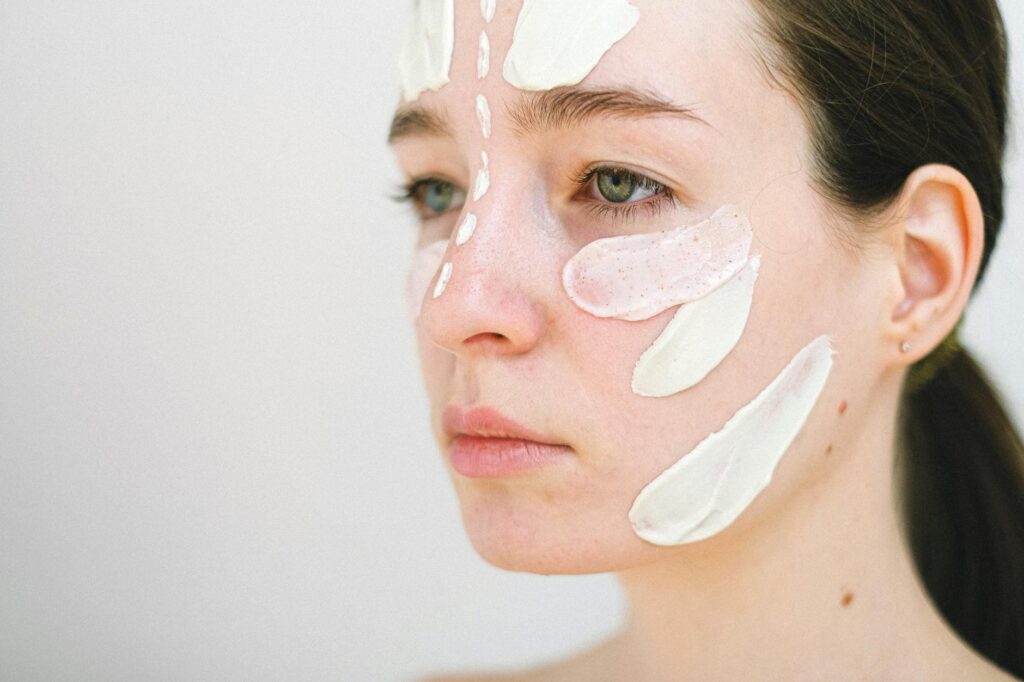
Your skin barrier is the primary determinant of how quickly red marks and post-inflammatory hyperpigmentation fade after acne heals. When your barrier is compromised—damaged by over-exfoliation, harsh actives, or environmental stress—your skin cannot properly regulate inflammation, maintain hydration, or activate the natural healing processes needed to reduce redness and scarring. A person with an intact barrier might see post-acne marks fade within 6-12 weeks, while someone with a compromised barrier could experience the same marks persisting for months or even worsening as secondary inflammation compounds the original damage.
The mechanism is straightforward: red marks form because acne inflammation triggers increased blood flow and collagen remodeling in the affected area. Your barrier’s job is to lock in moisture, regulate the inflammatory response, and support the skin’s natural repair processes. When it’s damaged, moisture escapes, the skin remains in a heightened inflammatory state, and the healing cascade stalls. This article explores how barrier health directly impacts mark resolution, what damages your barrier, and concrete steps to rebuild it so your skin can actually heal the marks you’re already dealing with.
Table of Contents
- What Does the Skin Barrier Do, and Why Does It Matter for Red Marks?
- How a Damaged Barrier Slows Healing and Worsens Redness
- Common Barrier Damage Triggers in Acne-Prone Skin
- Rebuilding Your Barrier to Support Mark Healing
- When Barrier Repair Alone Isn’t Enough
- Supporting Barrier Health While Still Treating Acne
- The Long-Term Impact of Barrier Health on Scarring Outcomes
- Conclusion
What Does the Skin Barrier Do, and Why Does It Matter for Red Marks?
your skin barrier—also called the stratum corneum—is a thin lipid-rich layer that sits on top of your skin and acts as your skin’s primary defense system. It’s made up of cells (corneocytes) embedded in a mixture of ceramides, cholesterol, and fatty acids. This barrier’s job includes three critical functions: preventing water loss, keeping bacteria and irritants out, and regulating the inflammatory signals your skin sends internally. When your barrier is functioning properly, it maintains a slightly acidic pH, keeps skin hydrated, and prevents excess water from evaporating (called transepidermal water loss, or TEWL).
For red marks specifically, a healthy barrier means your skin can properly control inflammation as it’s healing. Inflammatory markers that cause redness—like cytokines and growth factors—are released during the acne healing process, and they need to be carefully regulated for the redness to fade. A compromised barrier loses this control; it becomes overly permeable, allowing irritants to penetrate deeper and triggering prolonged inflammation. For example, someone using a strong retinoid while also exfoliating 3-4 times weekly might damage their barrier and notice that any post-acne redness they have not only fails to fade but actually gets more inflamed and lasts significantly longer than expected.
How a Damaged Barrier Slows Healing and Worsens Redness
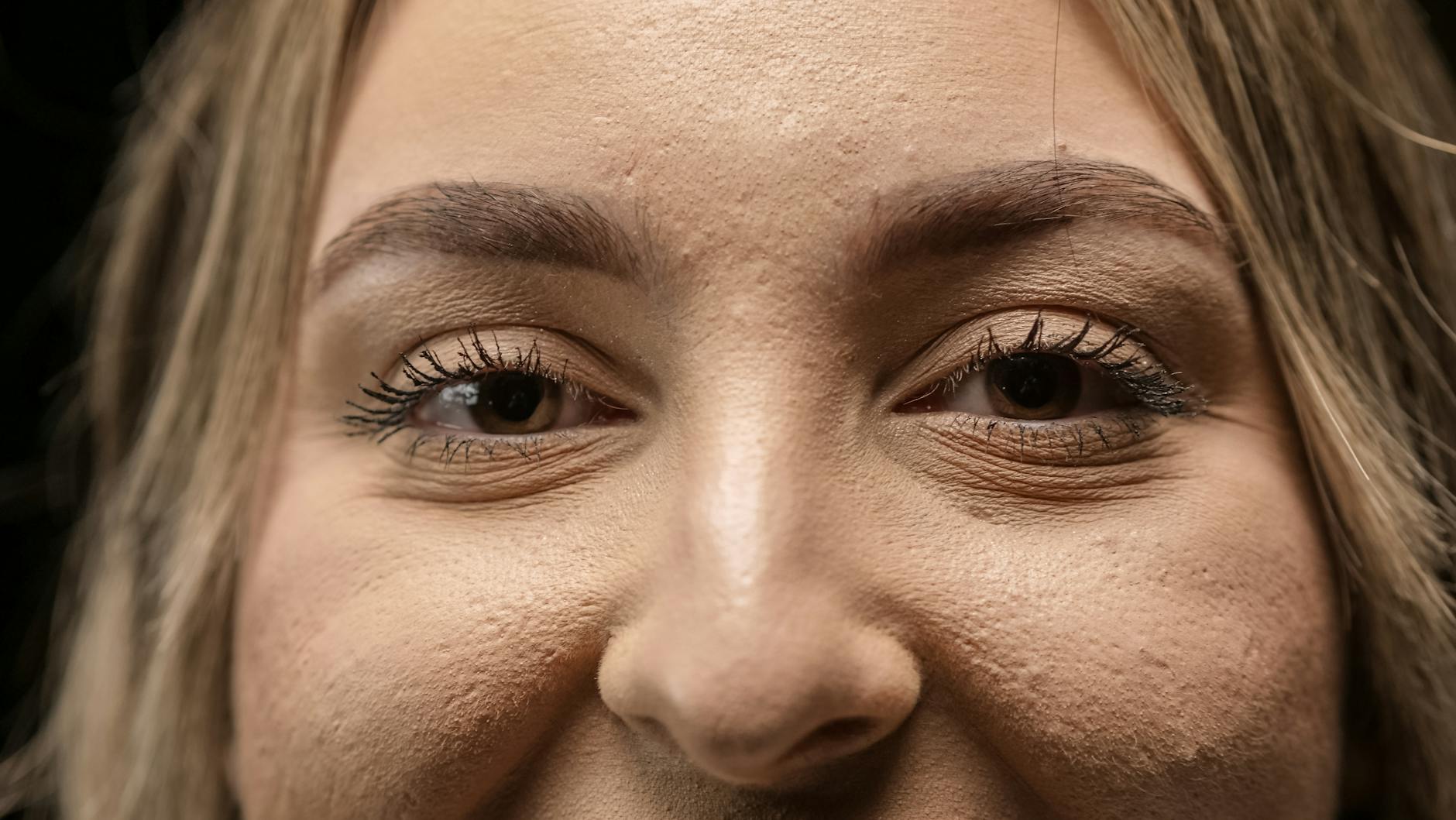
When your barrier is damaged, your skin loses the ability to maintain moisture, and dehydration triggers a cascade of problems. Dehydrated skin activates the skin’s stress response, which increases inflammation and can slow collagen remodeling—the very process needed to flatten and fade red marks. Additionally, a compromised barrier becomes more permeable to irritants and bacteria, which can lead to secondary inflammation or even new acne, further complicating the healing of existing marks. A study of barrier function in post-acne recovery shows that patients with elevated TEWL (water loss) experienced significantly slower fading of erythema (redness) compared to those with intact barriers.
However, it’s important to note that not all redness is the same. some red marks are purely vascular (blood vessel response), while others involve inflammation or even early scarring. If your barrier is damaged and you’re seeing increasingly dark or raised redness, the issue may have progressed beyond simple barrier compromise and into secondary scarring or infection. In these cases, repairing your barrier is still essential, but you may also need professional treatments like laser therapy or microneedling to address the underlying structural damage that the barrier repair alone cannot fix.
Common Barrier Damage Triggers in Acne-Prone Skin
Acne-prone skin often receives aggressive treatment that backfires by damaging the very barrier needed for healing. Over-exfoliation is the leading culprit—using physical scrubs, chemical exfoliants (AHAs, BHAs), or tools like dermaplanners multiple times weekly strips away the protective lipid layer and compromises barrier function. Many people dealing with acne also layer multiple actives (retinoids, vitamin C, niacinamide, benzoyl peroxide) without spacing them out, which creates an environment of constant irritation that the barrier cannot recover from.
In one realistic scenario, someone using a 10% benzoyl peroxide wash, a 2% salicylic acid toner, a retinoid at night, and then weekly microdermabrasion is guaranteeing barrier damage, no matter how good the individual products are. Environmental factors compound this: low humidity, cold weather, hot showers, and sun exposure all increase water loss and stress the barrier. People with acne-prone skin are also more likely to be in active treatment phases where they’re using drying medications, which accelerates barrier damage. The timing matters too—if you damage your barrier during the peak healing phase of an acne breakout, the skin cannot properly regulate the inflammatory response, and red marks that form during that period will take much longer to fade.

Rebuilding Your Barrier to Support Mark Healing
The first step is to stop the damage: pause exfoliation (both physical and chemical), reduce the number of active ingredients you’re using, and avoid hot water and harsh cleansers. Your skin barrier rebuilds itself naturally over 2-4 weeks if you stop actively damaging it. Once you’ve stopped, focus on supporting barrier repair with ceramide-rich moisturizers, occlusives (like petrolatum or plant oils), and ingredients that support the lipid profile. Ceramides NP, AP, and EOP, combined with cholesterol and fatty acids in a 3:1:1 ratio, most closely mimic the natural structure of your barrier.
The comparison between barrier-repair approaches matters: barrier creams with those specific ceramides will rebuild your barrier significantly faster than general moisturizers without them. However, if you’re still using acne treatments that are known to be drying, adding a ceramide cream is a helpful addition but won’t fully fix barrier function until you reduce the irritant load. Some people find that using a moisture-lock strategy—applying treatments to damp skin, then immediately applying an occlusive—speeds up barrier recovery while still allowing acne medications to work. The tradeoff is that occlusive layers can feel heavy and might trigger congestion in very acne-prone skin, so the strategy needs to be personalized.
When Barrier Repair Alone Isn’t Enough
If you’ve spent 4-6 weeks repairing your barrier and red marks still aren’t fading, there’s a limit to what barrier repair can accomplish. Some red marks have progressed to true scarring, where the structural damage in the dermis requires more aggressive treatment. Additionally, if you’re experiencing persistent inflammation or the redness is darkening rather than lightening over weeks, you may be dealing with post-inflammatory hyperpigmentation (darker marks) or vascular scarring (permanent blood vessel changes) rather than simple inflammation. Barrier repair will still help, but professional treatments become necessary.
Another important limitation: barrier repair works best on fresh marks, not ones that are already months old and showing no improvement. If a red mark has been present unchanged for 3+ months despite a healthy barrier, the structural remodeling has likely stalled and passive barrier support won’t restart it. In these cases, professional treatments like pulsed dye laser, microneedling, or chemical peels are the realistic option. The timeline matters—don’t delay professional treatment hoping barrier repair will fix a mark that’s showing no spontaneous improvement after 3 months.
Supporting Barrier Health While Still Treating Acne
The challenge for acne-prone skin is that many acne treatments (benzoyl peroxide, salicylic acid, retinoids, sulfur) are drying and barrier-damaging by nature. The solution is not to avoid them, but to use them strategically and with barrier support. One effective approach is “low and slow”—using lower concentrations, less frequent application, and spacing them out (example: benzoyl peroxide wash only 1x daily instead of 2x, with 2-3 days off per week). Another is strategic timing: use the most drying treatment when new acne is actively forming, then dial back once inflammation is controlled.
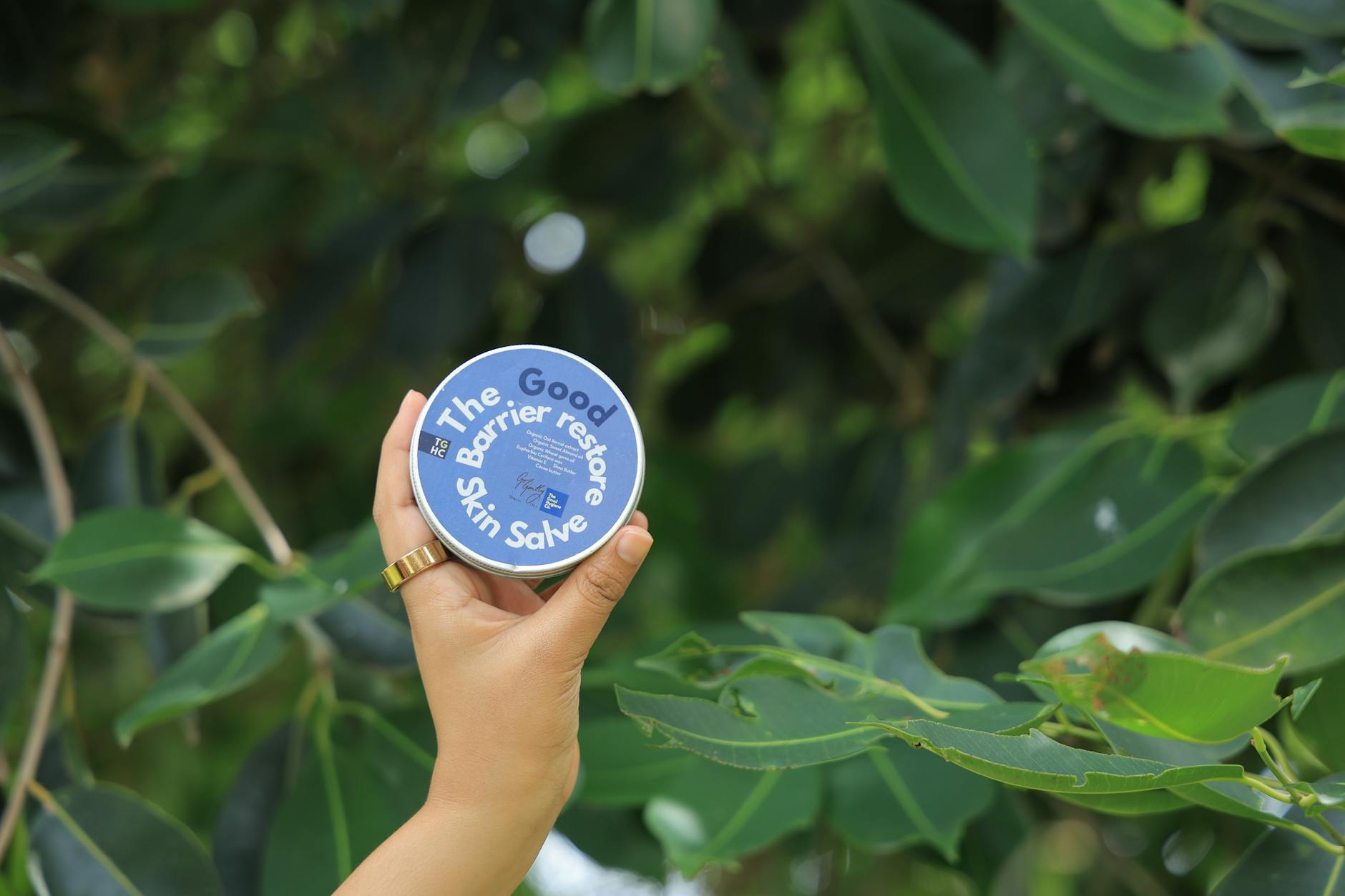
Including barrier-supportive ingredients in your routine is not optional when using strong acne treatments. A simple routine might be: cleanser, acne treatment, then immediately a ceramide-rich moisturizer, then an occlusive at night. The occlusive (which can be a thick cream, balm, or even plain petrolatum) is crucial because it prevents the water loss that makes drying treatments even more irritating. Many people skip the occlusive step because they think it’s unnecessary or will worsen acne, but the opposite is true—a properly applied occlusive actually reduces irritation and supports healing without increasing breakouts.
The Long-Term Impact of Barrier Health on Scarring Outcomes
Your barrier’s role doesn’t stop once acute redness fades—it continues to influence how your skin remodels collagen over months. The deeper healing of post-acne marks happens over 12-24 months as the skin naturally reorganizes collagen and flattens raised areas. A healthy barrier supports this long-term remodeling by maintaining optimal hydration and preventing chronic inflammation that interferes with collagen turnover. Conversely, chronic barrier damage can prolong the healing timeline and potentially worsen outcomes, leading to more noticeable permanent scarring.
Looking forward, emerging research on skin microbiome and barrier health suggests that maintaining barrier integrity isn’t just about moisturizers and occlusion—the bacterial ecosystem of your skin also plays a role. People with compromised barriers often experience dysbiosis (imbalanced bacterial populations), which sustains inflammation and slows healing. This suggests that barrier-supportive strategies that also maintain a healthy skin microbiome (avoiding excessive antibacterial agents, using gentle cleansing) may become increasingly important for optimizing mark recovery. For now, the takeaway is that barrier health is foundational—you cannot count on professional treatments or powerful actives to work optimally if your baseline barrier function is compromised.
Conclusion
Skin barrier health is the foundational requirement for red marks to fade efficiently. A compromised barrier locks your skin into a state of ongoing irritation and inflammation, making even fresh marks persist far longer than they should, while a healthy barrier enables the natural healing processes that reduce redness and prevent lasting scars. The practical path forward is to stop active barrier damage first, then actively support repair using ceramides, cholesterol, and occlusive moisturizers for 2-4 weeks while minimizing exfoliants and excess active ingredients.
If you’re currently dealing with red marks, assessing your barrier function should be your first step—before investing in expensive treatments or adding more actives to your routine. Look for signs of barrier damage: persistent dryness, sensitivity to products that didn’t used to irritate you, or unexpectedly slow mark fading despite good skincare. Once your barrier is restored, you’ll likely see marked improvement in healing speed. For marks that don’t improve after 3 months of barrier repair, professional treatments become the realistic next step, but skipping the barrier repair foundation will only make those treatments less effective and potentially more irritating.