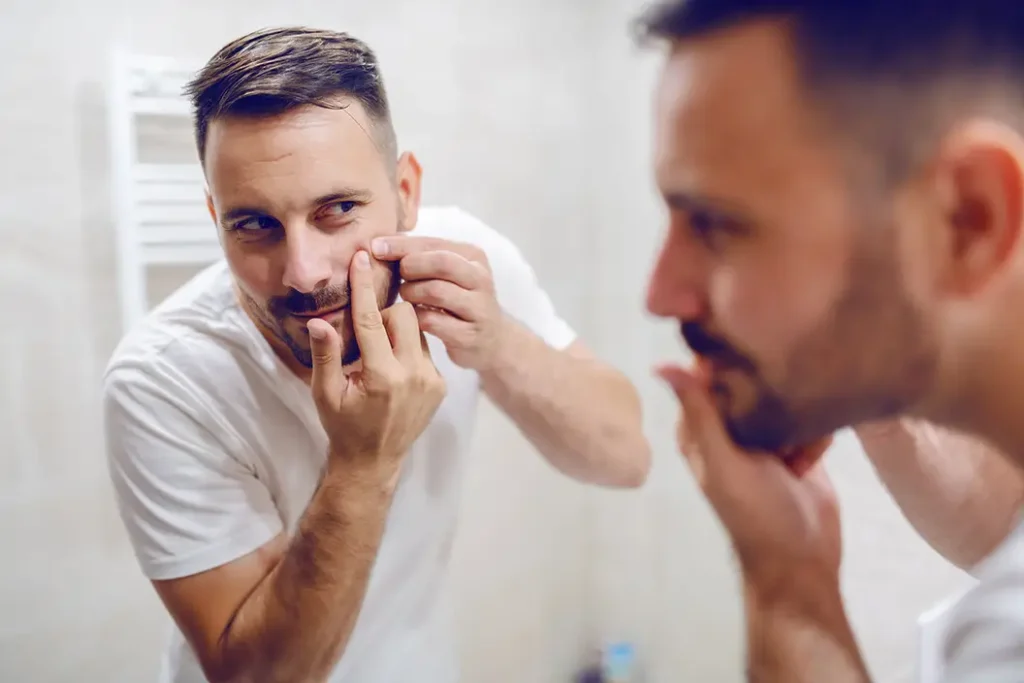
How Repeated Breakouts Alter Skin Structure
When acne keeps coming back, it does more than just create temporary blemishes. Each breakout can permanently change how your skin looks and feels by damaging the deeper layers where collagen lives. Understanding this process helps explain why some people end up with lasting scars while others recover without visible marks.
The Damage Happens Below the Surface
Acne scars form when inflammatory breakouts damage the dermis, which is the thick layer of skin beneath the surface. When a pimple, cyst, or other inflamed lesion develops, the inflammation spreads into this deeper layer and attacks the skin’s structural proteins, especially collagen and elastin. These proteins are what keep skin firm, smooth, and elastic. Once they get damaged, the skin struggles to repair itself properly.
How Your Body Tries to Heal
When your skin gets damaged, your body springs into action to fix it. Special cells called fibroblasts produce new collagen to fill in the damaged area. However, the amount of collagen your body makes during healing determines what happens next. If your skin produces too little collagen, the area caves in and creates a depression or pit. If it produces too much, raised bumpy tissue forms instead. Getting the balance right is crucial, and repeated breakouts make this balance harder to achieve.
Why Repeated Breakouts Make Things Worse
Each time you have a breakout, your skin has to go through the healing process all over again. With repeated inflammation, several things happen that make scarring more likely. The collagen in your skin gets broken down faster than it can be rebuilt. The inflammation penetrates deeper and lasts longer, causing more extensive damage to the structural support underneath. Your skin’s ability to produce new collagen slows down, especially as you get older. The blood supply to the area becomes weaker, which means less oxygen and nutrients reach the healing tissue. All of these factors combine to make scars form more easily and take longer to fade.
Different Types of Scars Form Different Ways
Not all acne scars look the same because they form through different mechanisms. Ice pick scars are narrow but very deep pits that happen when significant collagen is lost in a small area. Boxcar scars are wider depressions with sharp edges that form from moderate collagen loss. Rolling scars have a wavy appearance because fibrous bands of scar tissue pull down on the skin from underneath. Raised scars like keloids form when the body produces too much collagen and keeps making it even after the wound has healed. You might also get flat red or dark marks that are not true scars but discoloration from the healing process.
The Structural Changes That Stick Around
When repeated breakouts damage your skin, the changes can be permanent. The dermis becomes thinner because collagen has been lost. The skin loses elasticity and flexibility. The texture becomes uneven with visible pits or bumps. In some cases, the damage is so deep that it creates sharp, defined scars that are difficult to treat. The skin also becomes more prone to future scarring because the structural support is already weakened.
Why Adults Face Bigger Challenges
Adult skin heals differently than younger skin, which means repeated breakouts can cause more noticeable scarring. Adult skin has reduced collagen, slower cell turnover, lower elasticity, and weaker structural support overall. The fibroblasts that produce collagen are less active. The blood supply is not as strong. Inflammation tends to be more intense and longer-lasting. All of these factors mean that even smaller breakouts can leave significant scars in adults, and the scars tend to form more aggressively.
Prevention Matters More Than Treatment
Because repeated breakouts cause cumulative damage to skin structure, preventing new breakouts is one of the best ways to avoid additional scarring. Keeping acne under control with a dermatologist-approved routine stops the cycle of inflammation and damage. Once scars form, treating them requires professional help like lasers or other specialized procedures. These treatments work by encouraging the skin to remodel collagen and rebuild structure, but they cannot always completely erase deep scars. This is why stopping breakouts before they happen is so much more effective than trying to fix the damage afterward.
The Bottom Line
Repeated acne breakouts alter your skin’s structure by damaging collagen and the deeper layers of skin. Each breakout triggers inflammation that can break down more collagen than your body can rebuild. Over time, this leads to visible scars, texture changes, and permanent alterations to how your skin looks. The damage accumulates with each new breakout, making prevention through proper acne management the most effective approach to protecting your skin’s long-term appearance.
Sources
https://www.london-dermatology-centre.co.uk/blog/adult-acne-scarring/
https://slmdskincare.com/blogs/learn/the-5-kinds-of-acne-scars-how-to-treat-each-type
https://drhaach.com/treatments/acne-scars/
https://dentalandfacialclinic.com.au/acne-scars-need-professional-care/