# How Non-Drug Acne Treatments Fit Severe Acne Care
When someone struggles with severe acne, especially cystic acne, the path to clear skin often feels overwhelming. Many people assume that only prescription medications can help, but the reality is more nuanced. Non-drug treatments play an important supporting role in managing severe acne, working alongside medical interventions to improve results and prevent complications.
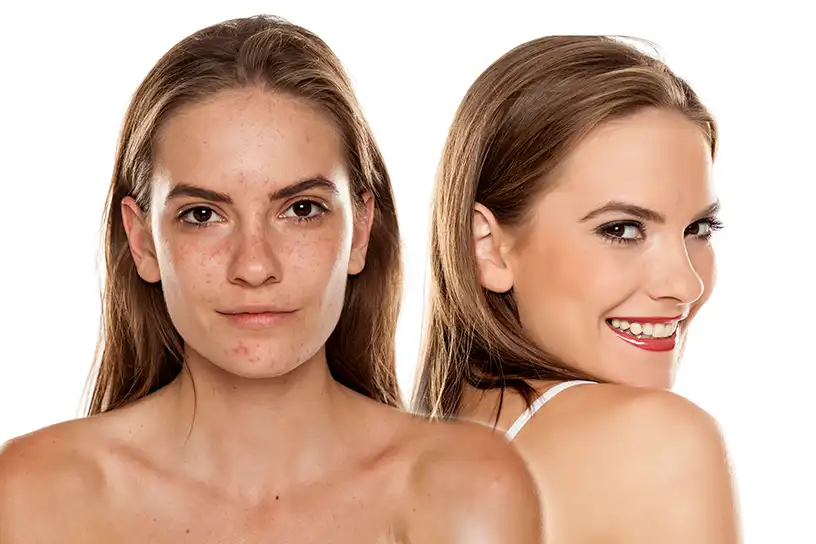
Understanding what severe acne looks like helps explain why multiple treatment approaches matter. Severe acne, particularly cystic acne, involves deep, painful bumps beneath the skin that can cause lasting scarring if not handled properly. While prescription medications like isotretinoin address the root causes of severe acne, non-drug treatments tackle specific problems that medications alone cannot solve.
One of the most valuable non-drug treatments for severe acne is the cortisone injection. When a painful cyst appears, an injection of diluted corticosteroid can dramatically reduce swelling and pain within 24 to 48 hours. This matters because it provides rapid relief when someone needs it most, and it prevents the urge to pick or squeeze the cyst, which would cause scarring. For people dealing with occasional severe breakouts alongside generally clear skin, cortisone injections function as a first-aid intervention that works faster than waiting for oral medications to take effect.
Laser therapy represents another important non-drug option for severe acne. Different laser treatments work in different ways. Some reduce the bacteria that causes acne, while others stimulate collagen production to minimize scarring. Blue light therapy specifically targets acne-causing bacteria without damaging surrounding skin. These light-based treatments can be particularly useful for people whose acne has already caused scarring, since they address both the active breakouts and the damage left behind.
Chemical peels offer a different approach by exfoliating the outer layers of skin. This process helps clear clogged pores and promotes new skin cell growth. For severe acne, chemical peels work best as part of a broader treatment plan rather than as a standalone solution, but they contribute meaningfully to overall skin improvement and can reduce the visibility of acne scars.
Microneedling has gained attention as a treatment that addresses scarring from severe acne. The procedure uses fine needles to create tiny punctures in the skin, triggering the body’s natural healing response and boosting collagen production. This helps reduce scar depth and improves overall skin texture. While microneedling does not treat active acne directly, it becomes valuable once severe acne has been controlled and scarring remains.
At-home care forms the foundation that non-drug professional treatments build upon. Gentle cleansing, consistent use of salicylic acid and benzoyl peroxide, and avoiding picking or squeezing are essential habits. These practices prevent additional damage and support the skin’s healing process. Using oil-free, non-comedogenic products and changing pillowcases regularly might seem minor, but they prevent irritation and reduce bacteria that worsen acne.
The relationship between non-drug treatments and prescription medications is complementary rather than competitive. Someone with severe cystic acne might take isotretinoin, the most effective oral medication for resistant cases, while also receiving cortisone injections for painful cysts that appear during treatment. They might use laser therapy to address scarring that develops despite medication. This layered approach recognizes that severe acne is complex and benefits from multiple angles of attack.
Lifestyle factors also matter as non-drug interventions. Managing stress, reducing sugar and dairy intake, and maintaining consistent skincare routines all help reduce inflammation and prevent flare-ups. While these changes cannot cure severe acne on their own, they create conditions where other treatments work more effectively.
The key insight is that severe acne requires more than medication alone. Non-drug treatments fill specific gaps that pills and topical creams cannot address. They provide rapid relief for painful cysts, reduce scarring, and support the skin’s healing process. For people struggling with severe acne, discussing both prescription and non-drug options with a dermatologist creates the most comprehensive treatment plan.
Sources
https://londondermatologyclinics.com/cystic-acne-your-guide-to-causes-and-management/
https://www.advanceddermatologypc.com/conditions/acne/
https://www.tuftsmedicine.org/about-us/news/acne-over-30
https://www.ortho-dermatologics.com/conditions/featured-conditions/acne-vulgaris/
https://beautymatter.com/articles/the-glp1-effect-acne-market